In the production of lithium iron phosphate (LiFePO₄) cathode materials, metal foreign matter contamination is the core risk factor affecting battery safety performance. Metal foreign matter mainly refers to magnetic or non-magnetic metal particles such as iron (Fe), nickel (Ni), copper (Cu), zinc (Zn), chromium (Cr) mixed in during the production process. The harmful mechanism is as follows: during the battery formation stage, the metal particles are first oxidized into an ionic state at the positive electrode, migrate to the negative electrode and then reduced to metal elements; as the charge and discharge cycle proceeds, these metal elements gradually accumulate on the surface of the negative electrode to form dendrites, which eventually pierce the separator and cause an internal short circuit. What's more serious is that this short circuit will cause the battery's self-discharge rate to increase abnormally, and even cause thermal runaway, causing fire or explosion accidents.
Risk points and control measures for metal foreign matter in the sanding stage:
Risk focus: The raw material itself contains iron oxide (Fe₂O₃) or metal salt impurities, which may be converted into magnetic Fe₃O₄ during the drying process (220±20℃).
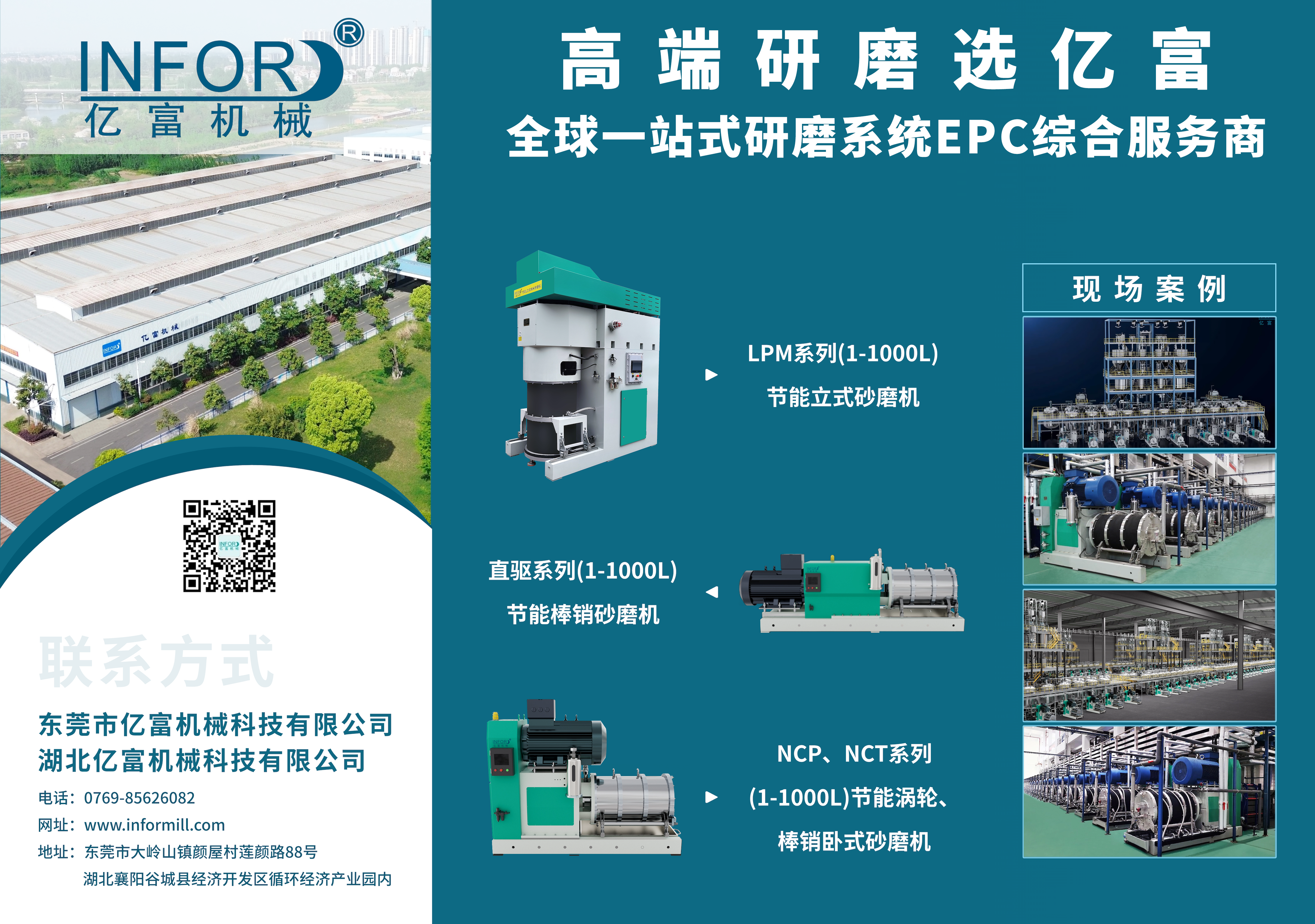
金属磨罐:不锈钢罐体在高速运转中释放Fe-Ni-Cr微粒(尤其干法研磨时)
氧化锆磨球:虽硬度高,但碎裂后产生ZrO₂颗粒(属非磁性但难导电的异物)
Demagnetization equipment: Install an 8000 Gauss permanent magnet rod at the feed end of the drying kiln to remove iron filings from the raw materials. The magnetic rod needs to be cleaned every shift and the weight of the adsorbed material must be recorded.
Screen management: Use nylon vibrating screen (aperture ≤100μm) to avoid copper/stainless steel chips generated by metal screen wear.
Typical measures: A company reduced iron foreign matter by 40% by increasing the pre-demagnetization process of raw materials.
Material upgrade: Using polyurethane lining + zirconium silicate grinding ball, the wear rate is 90% lower than that of metal materials
Closed design: The mixing tank is filled with nitrogen for protection (oxygen content <10ppm) to prevent metal oxidation from aggravating shedding
Implementation points of the metal foreign matter control system:
Contact surface coating technology: High wear area (inner cavity of crusher): Nano-ceramic coating with thickness ≥0.3mm, Vickers hardness >1400HV Low wear area (silo): Nano-ceramic coating (50μm), friction coefficient <0.05, reducing material adhesion.
Non-contact area isolation: Install stainless steel sealing covers on transmission mechanisms (such as bearings and gears) to prevent the spread of lubricating oil contamination.
Environmental control system
Workshop micro-positive pressure system: fresh air is purified by HEPA H14 filter (filtration efficiency 99.995%), maintaining indoor positive pressure +3~+5Pa, air shower room is equipped with double-door interlocking, wind speed ≥20m/s, removing particles carried by personnel
Active demagnetization network: The permanent magnet grid is embedded in the ground (spacing 1m×1m), and the adsorbed matter is collected with a vacuum cleaner every day. The transfer vehicle is equipped with a rotary iron remover, with a processing capacity of ≥200kg/h.
Personnel Management Standards
Metal-free clothing: the built-in stainless steel fibers of anti-static clothing are changed to polyaniline conductive fibers, and the soles do not contain metal nails
Tool control: use ceramic scissors, plastic tweezers, and maintenance tools are registered and magnetically inspected
Through the systematic implementation of the above measures, industry-leading companies have achieved the high standards of magnetic foreign matter ≤50ppb and compacted density ≥2.7g/cm³ for lithium iron phosphate cathode materials. In the future, we need to continue to explore the integration and application of new materials (such as silicon nitride ceramic bearings) and intelligent monitoring (online foreign object sensors) to build a more complete battery safety protection system.
 English
 亿富机械
 +86-0769-85626082
 541476175@qq.com
 东莞市大岭山镇颜屋村莲颜路88号