Overseas markets | The United States - the huge cake in the policy storm, how to find the right place in this high-end game

1. Basic geography: It has a vast territory, and its east and west sides have their own systems.

The United States is located in North America. The east and west parts of the United States are bordered by the Atlantic Ocean and the Pacific Ocean respectively. The total land area is approximately 9.37 million square kilometers, making it an extremely vast territory. Unlike countries such as South Korea and Indonesia, where a single industry is highly concentrated, the industrial distribution among states in the United States varies greatly, showing typical regional characteristics.
The east and west coasts are centers of high-tech industry, energy storage, and lithium battery research and development. Economic centers such as California, Texas, and New York State have gathered most of the new energy innovation resources in the United States. The vast central region is dominated by minerals, chemicals, and traditional manufacturing industries, and the supply chain facilities are relatively scattered. This geographical and industrial dispersion determines that there cannot be just one strategy for entering the U.S. market, but differentiated landing paths must be developed for different regions.
2. Population structure: a high-end consumer market of 334 million people, with the world’s top talent pool

The United States has a total population of approximately 334 million. It is a typical immigrant country with a highly diversified ethnic structure. The population is mainly concentrated in developed coastal states such as California, Texas, New York, and Florida. These areas not only have strong consumption power, but also have the most mature new energy policies and industrial supporting facilities.
There are two distinct characteristics in the demographic structure: first, high labor costs and an obvious shortage of blue-collar workers in the manufacturing industry, which directly drives up the labor costs of domestic manufacturing in the United States; second, relying on the continuous inflow of high-quality immigrants, the United States' talent pool in the field of high-end scientific research and technology R&D remains firmly at the top level in the world. This is a long-term benefit for the research and development of cutting-edge technologies such as new energy base materials, solid-state batteries, and silicon-carbon anodes.
3. Economic data: Absolutely number one in terms of size and strong willingness to pay

The nominal GDP of the United States in 2025 will be approximately US$28 trillion, firmly ranking the world's largest economy, with per capita GDP exceeding US$83,000. what does that mean? This means that the consumption power, energy storage and new energy vehicle users’ willingness to pay in the US market are very high. In high-end mature markets, customers are willing to pay a premium for better performance and more reliable quality, which is an important value anchor for mid- to high-end equipment and material suppliers.
4. Industrial Map: "Localized Reengineering" Driven by the IRA Act
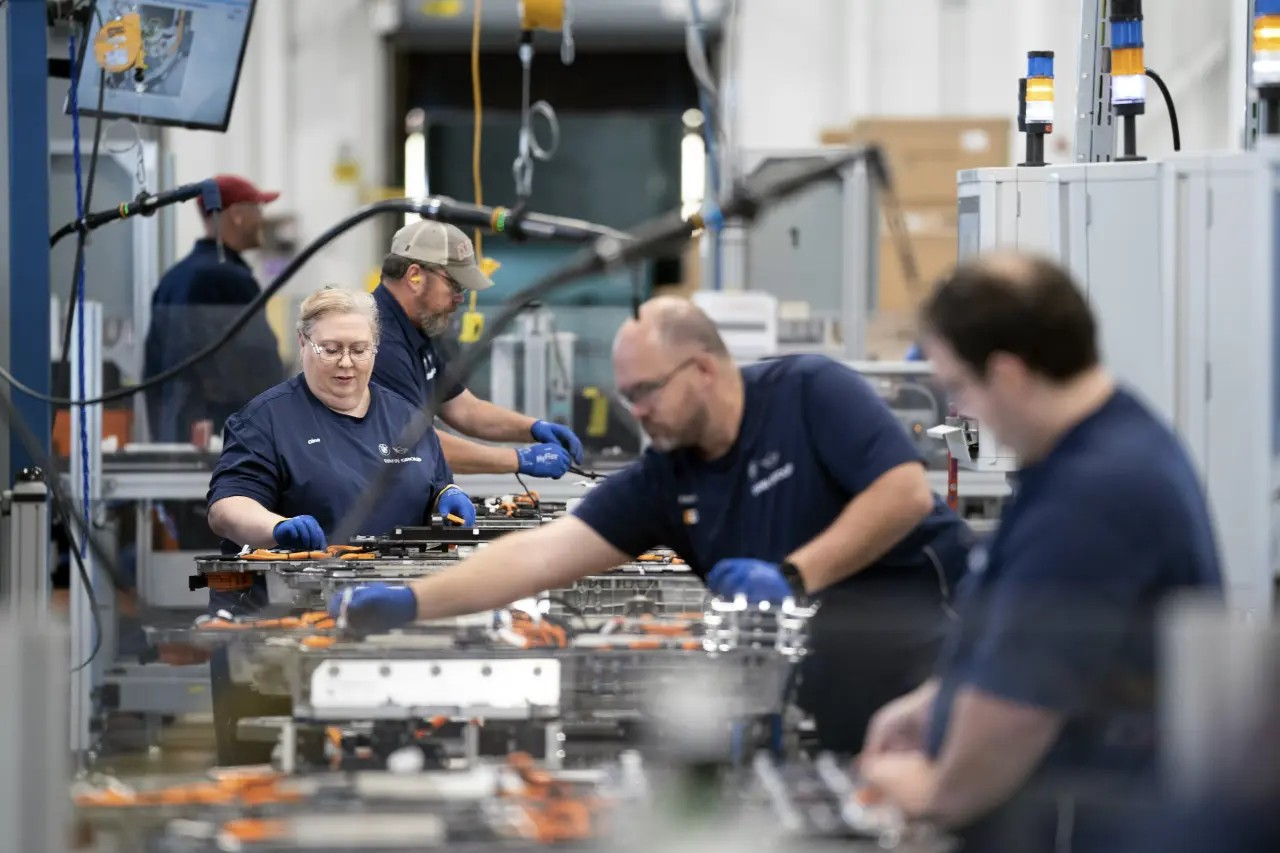
The underlying logic of the U.S. new energy industry is completely different from that of South Korea and Indonesia. It is a typical technology-led and capital-driven high-end manufacturing market. Although the United States is rich in mineral resources, the division of labor in the industrial chain is highly globalized. In the past many years, a large number of intermediate manufacturing links have relied on Asian supplies.
The real turning point was the introduction of the IRA Act ("Inflation Reduction Act"). This bill uses huge subsidies to strongly stimulate the production and manufacturing of local energy storage, power batteries and lithium battery materials. The core goal is to reduce dependence on the Asian supply chain and promote the independent control of the North American industrial chain. It can be said that the IRA Act is the core engine for the localization and reengineering of the U.S. new energy manufacturing industry.
From the perspective of industrial advantages, the United States leads the world in underlying electrochemistry and new material research and development capabilities, and its energy storage market ranks first in the world. The demand for household energy storage, large-scale energy storage, and vehicle power batteries continues to be strong, and there is huge investment in the research and development of cutting-edge materials such as high-end powders, solid-state batteries, and silicon-carbon anodes.
But the shortcomings are equally obvious: the manufacturing infrastructure construction cycle is long, labor costs are expensive, and plant construction investment costs are high; there is a huge capacity gap in the midstream of positive and negative electrodes, conductive agents, and ultra-fine powder processing links, and a large amount of equipment and fine materials still require external supply. This pattern of "technology but lack of production capacity" is exactly the window of opportunity for Chinese equipment companies to penetrate deeply.
5. Social culture: rules first, data speaks

American society has a strong sense of rules, and the contract culture is deeply rooted in the hearts of the people. Work boundaries are clear, public and private are distinguished, and business communication advocates data, reports and actual measurement evidence. The weight of favors is very low, and the possibility of relying solely on personal relationships to promote cooperation is slim.
Intellectual property rights, compliance, safety, and environmental protection regulations are the bottom line of American business. Any fluke in this regard will pay a heavy price. To do business with Americans, what you need is solid test reports, complete certification qualifications and clear terms of rights and responsibilities.
6. Business practice: a completely different style of play from South Korea and Indonesia

Based on our practical experience in the US market, here are five core features:
First, contracts take priority and rules outweigh favors. Unlike Indonesia, which emphasizes connections, and South Korea, which emphasizes step-by-step verification, American customers prioritize contracts, compliance, insurance and qualifications. The division of powers and responsibilities must be clear in black and white. Any ambiguity will become a trigger for subsequent disputes.
Second, standardize the verification system, and third-party certification is king. UL certification, safety certification, and third-party material testing reports are hard barriers to entry into the U.S. market. Data compliance and product traceability systems are never options, but must-answer questions.
Third, the decision-making chain is specialized and has a long cycle. Purchasing decisions of U.S. companies usually involve multiple levels of professional procurement, legal and compliance approvals, and the process is lengthy and rigorous. At the same time, export control and origin verification will run through the entire cooperation cycle, and compliance capabilities directly affect project advancement efficiency.
Fourth, policies are highly volatile. IRA subsidy details, tariff adjustments, entity list updates, and import and export control policies may change at any time with the rotation of political parties and the geopolitical situation. Policy risk is the biggest variable in the U.S. market and requires strong dynamic response capabilities.
Fifth, recognize the technical strength but have a strong awareness of alternatives. As long as compliance is up to standard and performance meets indicators, American customers are willing to purchase high-quality equipment and technology. However, affected by the "de-China" orientation, customers are generally aware of alternatives in supply chain layout, and suppliers need to continue to prove their irreplaceability.
7. U.S. new energy giants and leading industry chain companies
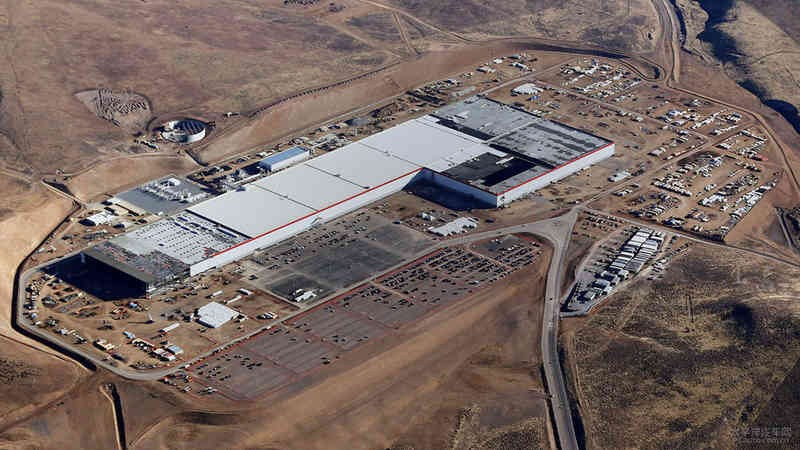
Core players in the U.S. battery cell and materials field include: Tesla, QuantumScape, Redwood Materials, Ascend Elements, ONE, SES, etc. At the same time, overseas giants such as Northvolt's US base and Panasonic's US factory have also been deeply established.
In terms of overseas implementation, CATL has entered the U.S. market through a project in cooperation with Ford. Korean giants such as LG New Energy, Samsung SDI, and SK On are also deploying large-scale production capacity in North America.
In the field of energy storage and complete vehicles, traditional car companies such as Ford, General Motors, and Chrysler are accelerating their electrification transformation, and energy storage giants such as Vistra and NextEra Energy continue to expand project scale. The local expansion of energy storage and power batteries in North America is still continuing, and the demand for ultra-fine grinding, powder dispersion, and battery recycling production line equipment is steadily being released.
8. Strong market policy intervention

The high-end energy storage and power battery markets with strong U.S. policy intervention, extremely high compliance thresholds, and huge demand will test compliance capabilities, risk prediction, and localized operations.
Geopolitics, tariff game, entity list, supply chain de-risking - these are all real challenges that cannot be avoided, and market uncertainty will continue to exist. However, the huge fundamentals of energy storage and new energy vehicles in North America really exist, local materials and battery production capacity continue to be launched, and the demand for powder processing and wet grinding equipment remains stable.
If you want to enter the U.S. market, you must put compliance first, plan the country of origin, improve the certification system, and isolate risks in advance. This is a required course. You cannot directly copy Southeast Asian or East Asian playing styles. You need to establish a methodology specifically for North America.
9. Our actual implementation: The equipment has been sent to the United States, and customers continue to accumulate
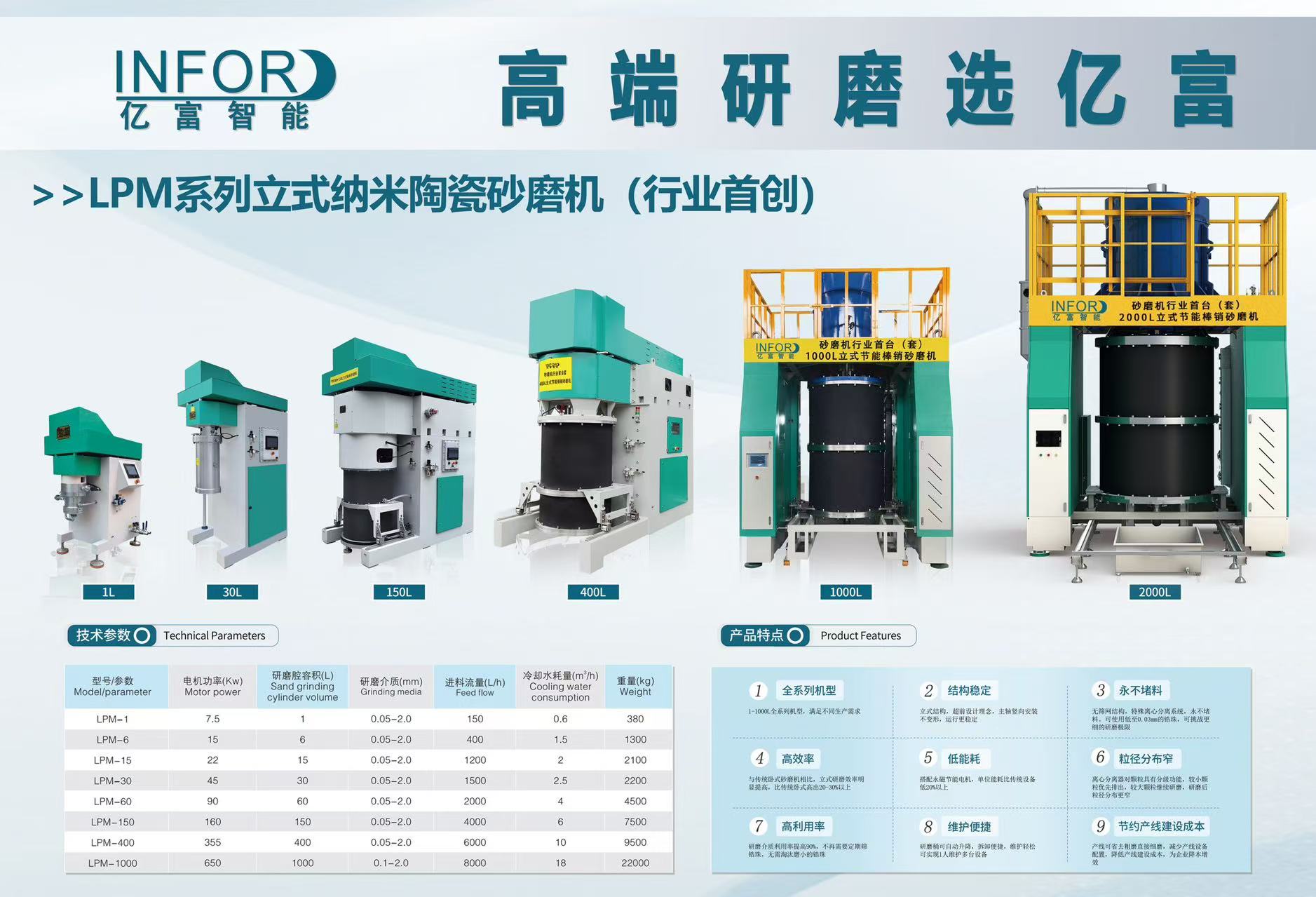
Although it is very difficult to enter the U.S. market, we have accumulated many customers and industry partners in the United States. Starting in 2025, our grinding equipment has been successively shipped to the United States, gradually opening up in segments such as energy storage materials and lithium battery recycling.
Every step is taken steadily, because we always believe that the higher the threshold of a market, the deeper the moat will be once it is truly entered. Barriers in the U.S. market exist objectively, but behind them are better cooperation stickiness and longer-term business value.
10. Exhibition Invitation: Detroit, North America Battery Show in October
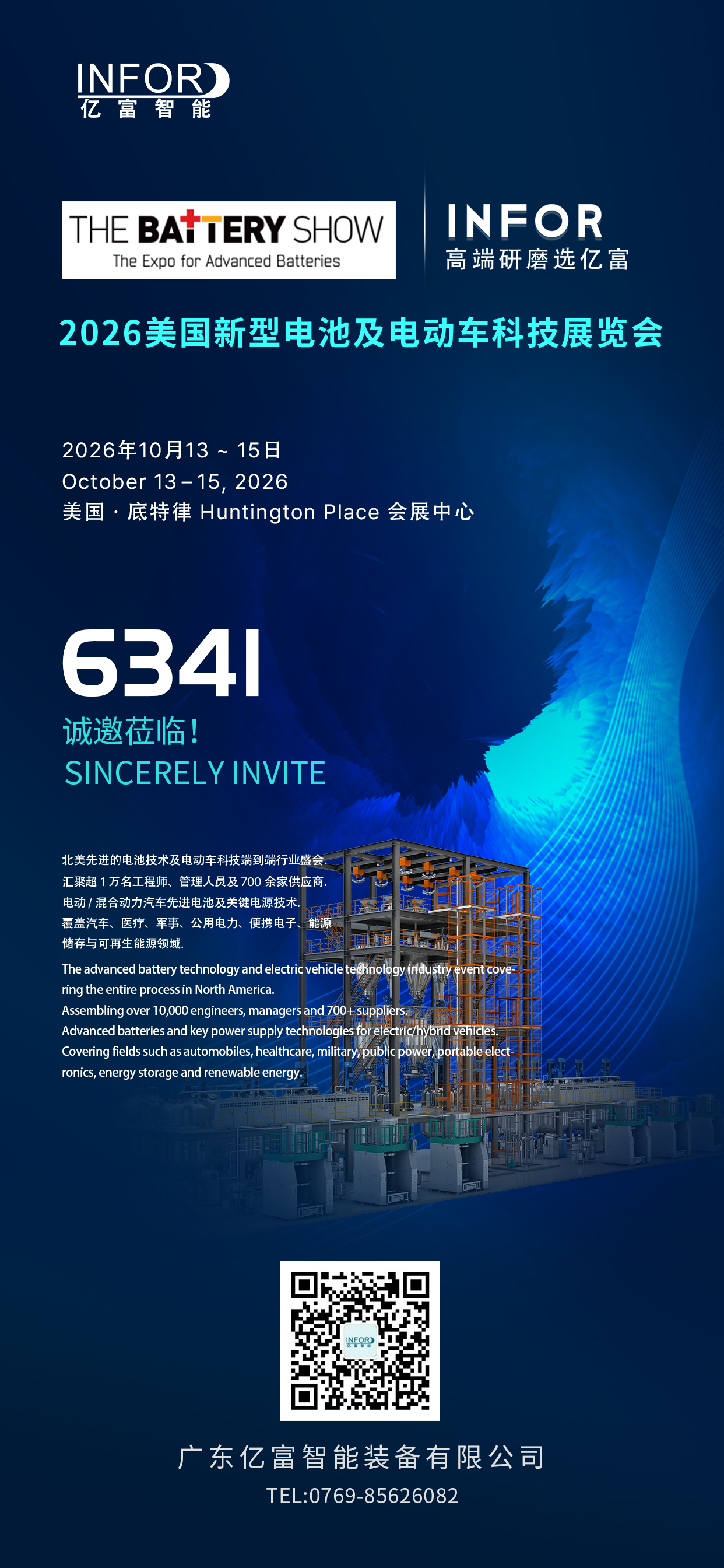
Finally, synchronize an important offline event invitation:
The Battery Show in Detroit, North America from October 12 to 15, 2026. We will continue to participate in the North American New Energy Battery Exhibition this year
This is one of the largest and most influential professional exhibitions in the new energy field in North America. At that time, core companies, technical experts and purchasing decision-makers in the global battery industry chain will gather in Detroit. We will demonstrate the latest technological achievements in the field of grinding equipment and North American implementation cases on site.
We sincerely look forward to gathering with old friends and new partners in the industry offline to exchange the latest developments in North American energy storage and lithium battery material projects and collide with more cooperation opportunities. See you in Detroit!

 English
 亿富机械
 +86-0769-85626082
 541476175@qq.com
 东莞市大岭山镇颜屋村莲颜路88号