Recently, friends in the new energy industry chain are almost all asking the same question: What is going on with Chinese mining companies in Indonesia? As the core hinterland of global nickel and cobalt resources, every move in Indonesia affects every nerve from upstream mines to downstream batteries. Today, based on the latest market data, I will talk to you about four things in detail - the current situation, policy impact, the logic of companies' "death-carrying", and the next direction of the industry.
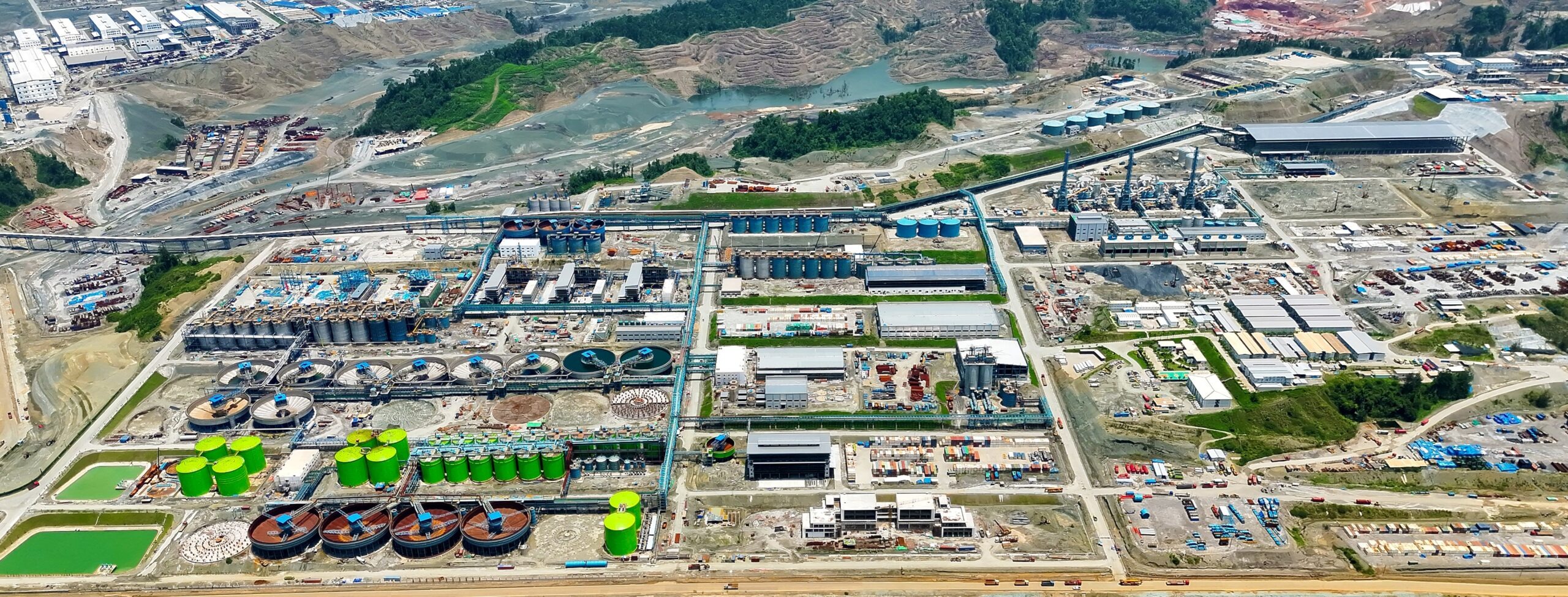
1. The current reality: production cuts, shutdowns and “half-dead” production lines
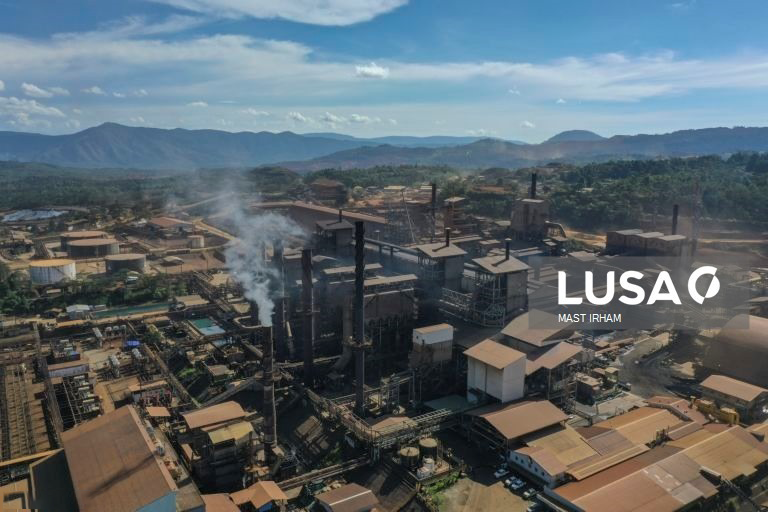
The reality is far more severe than imagined. At present, the vast majority of nickel and cobalt mining companies in Indonesia with Chinese capital background have entered a stage of general production reduction. The government has strongly tightened the mining quota (RKAB), and the approved output of many mining areas has been directly "cut in half". Some small mining sites even face the dilemma of having no ore to mine.
This is transmitted downstream, making life even more difficult for smelters. Due to the interruption in the supply of raw materials, the entire smelting link is forced to maintain low-load operation, and the overall capacity utilization rate of the industry has fallen below the break-even line. The most bizarre thing is that despite the fact that the whole line is losing money, no company dares to actually press the "stop production" button - everyone invariably chooses to keep the production line "hanging at half production", neither shutting down nor reaching full production, like a train with failed brakes, barely holding gear on the edge of the cliff, and running out of gear.
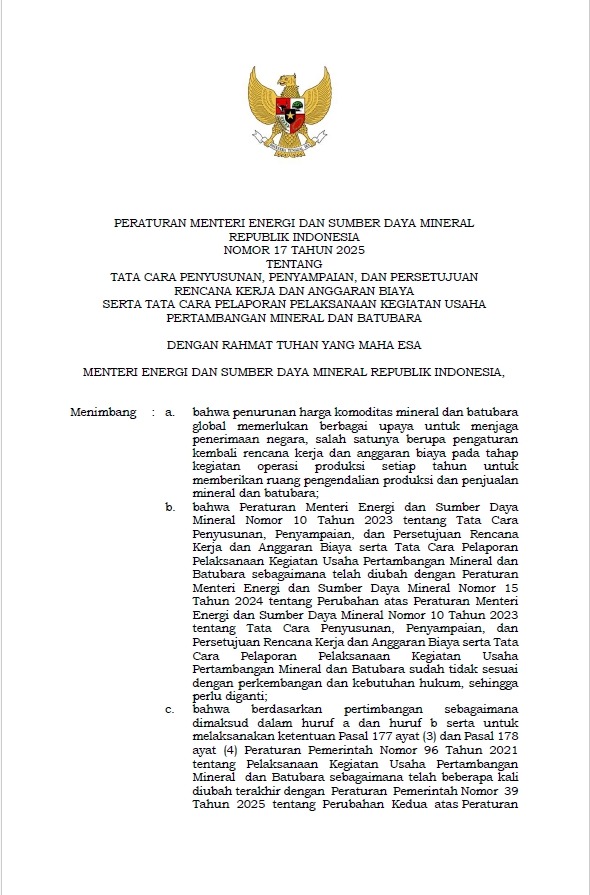
2. Policy "combination punches": every punch hits the door of life
This round of policy adjustments by the Indonesian government is by no means a slap in the face, but a systematic and serial "precision chokehold", which is mainly reflected in four levels:
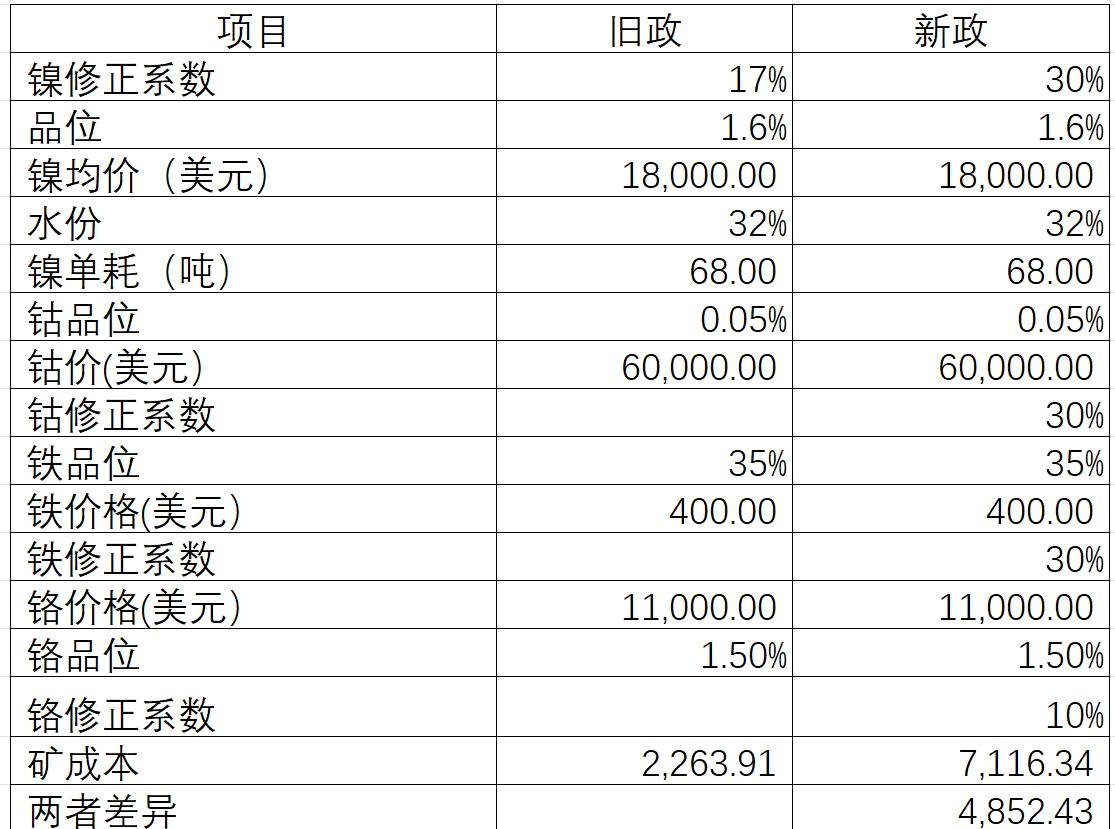
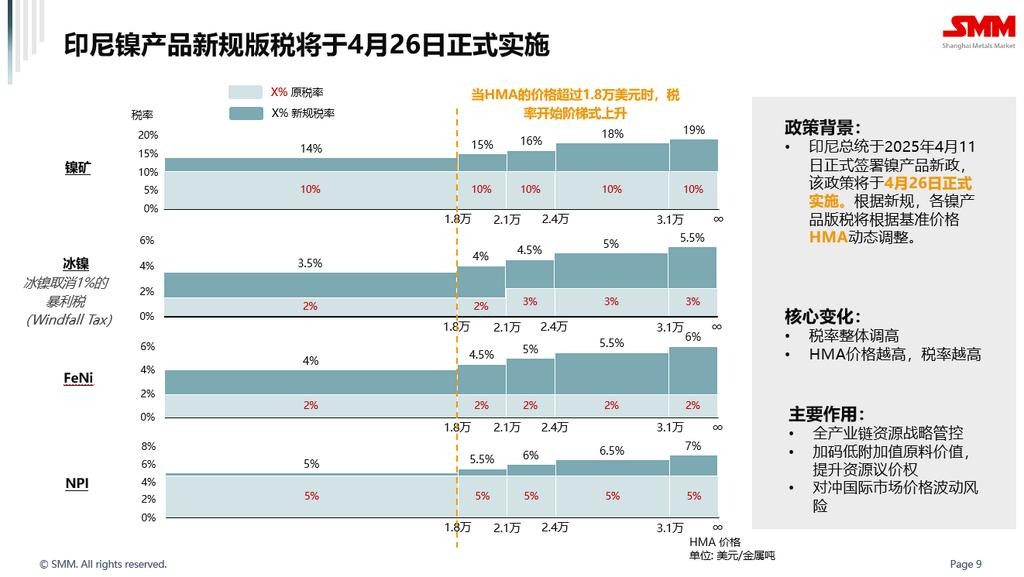
First, the cost side is out of control. The new mineral pricing benchmark (HPM) rules are significantly tilted towards Indonesia's local interests. Coupled with intensive increases in resource taxes, export taxes and local charges, the comprehensive procurement cost of raw materials has nearly doubled compared with previous years. However, the processing fees at the smelting end are tightly suppressed, the intermediate links are almost reduced to "free OEM", and the profit margins are completely squeezed out.
Second, cash flow is "frozen". The new regulations mandate that foreign exchange earned from mineral exports must be locked in Indonesia for one year and cannot be remitted in advance. However, the exchange rate of the Indonesian rupiah against the U.S. dollar continues to weaken. Under the double attack, the overseas capital pool of enterprises is ineffective, and the liquidity is almost exhausted. The money cannot be taken back, and the value of the money taken back has depreciated, and the lifeline of cash flow is stuck.
Third, policy expectations “break off the cliff”. Mining rights certificates and annual mining quotas have been changed from being valid for many years to "one review per year", and the approval standards have become increasingly vague. This high degree of uncertainty directly caused all new projects and production expansion plans to come to an emergency halt. Not only were new players unable to enter, but old players did not dare to invest another penny, and industry investment was instantly frozen.
Fourth, the "siphon effect" of the industrial chain has been reversed. Insufficient upstream construction is directly transmitted to the equipment end. Purchase orders for large-scale mining equipment and complete smelting production lines that were originally hot have shrunk sharply, leaving only sporadic demand for maintenance of old equipment and replacement of key parts in the market. The entire equipment service market has suddenly switched from an "incremental feast" to a "stock massacre."
3. Why do you still "carry it to death" if you know you are losing money? Four Reasons Why You Can’t Quit
A layman can only watch the excitement, while an expert can watch the door. Many people are puzzled: If the losses are like this, wouldn’t it be the end of the world if we close the factory and leave? But the reality is far more complicated than the ledger. The reason why Chinese-funded enterprises choose to "hold on" is because there are four "shackles" that no one can get around:
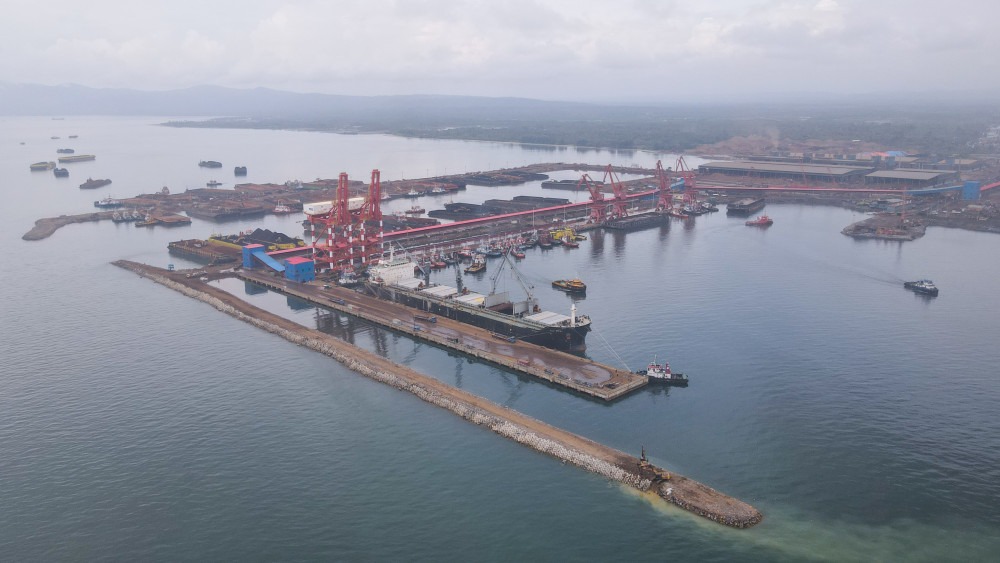
First, sunk costs are too "heavy". Tens of billions are invested in heavy assets - self-contained power plants, large terminals, heavy-duty rotary kilns, 10,000-ton wet autoclaves - these behemoths are "real estate". Once production is completely stopped, equipment corrosion and depreciation, factory security patrols, and environmental protection tailings maintenance costs are very high. Stopping production will cause losses faster than low-load operation.
Second, contract breach "domino". A complete shutdown is by no means as simple as a piece of notice. The principal and interest repayment terms of bank loans, the annual lease of mineral rights land, and the employment contracts of thousands of local employees - any one of them triggering a breach of contract may trigger a series of lawsuits and even directly lead to the judicial seizure of assets, and then even the capital to turn over will be gone.
Third, keep the "fire" and wait for the wind to come. As long as the production line is still running, the team is still there, and the production qualification and environmental impact assessment permit are valid. Companies are betting that the policy will be fine-tuned in the short term. They are betting that when the next round of quotas is slightly loosened, they can fill up production capacity as soon as possible and seize the fleeting "window to resume production."
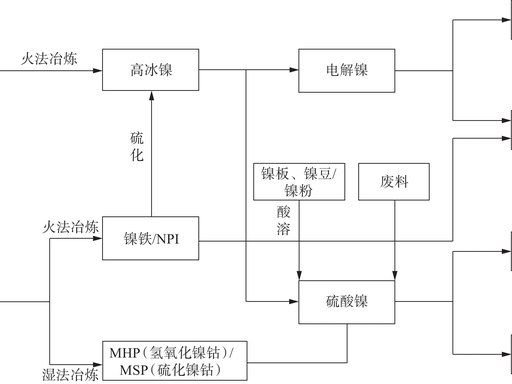
Fourth, strategically “underpin” the global supply chain. This is the deepest level of thought. At present, global refined nickel production capacity is highly concentrated in Indonesia. If Chinese capital withdraws collectively on a large scale, global nickel prices will inevitably surge instantly, which in turn will severely impact the costs of domestic power batteries and new energy vehicles. From this perspective, staying in Indonesia is not only a business choice, but also a "capacity ballast" responsibility for the entire Chinese new energy industry chain.
4. Market outlook: short-term stalemate, long-term "big diversion"
In the short term one or two years (2026-2027): The possibility of significant policy relaxation is almost zero. At most, "face-saving" fine-tuning can be done in the quota approval rhythm or local taxes and fees. The industry will continue to maintain a weak balance of "production reduction-loss-stalemate". Those small and medium-sized smelters with fragile capital chains and lack of group endorsement will be the first to be eliminated, and industry concentration will passively increase.
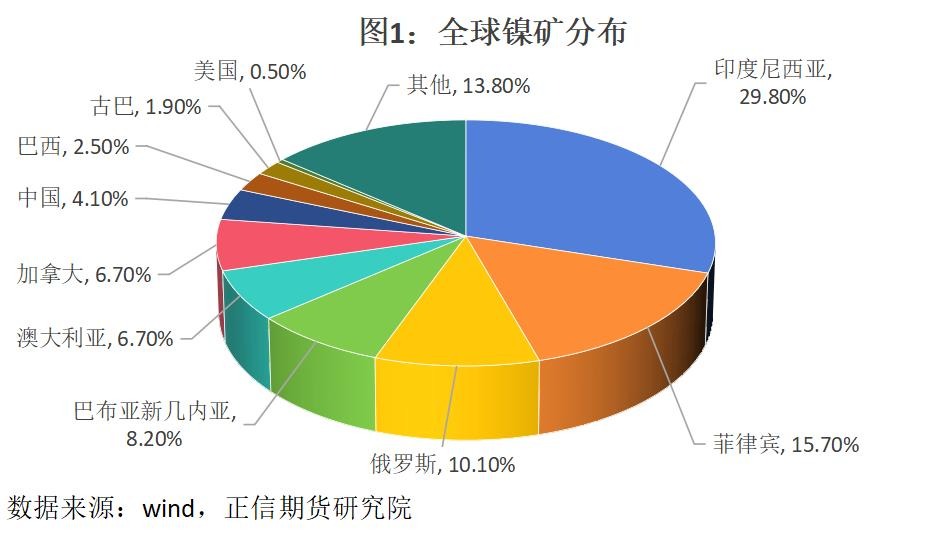
Mid- to long-term trends (after 2028): An irreversible pattern is taking shape - Chinese companies will no longer place heavy bets on Indonesia like in the previous round. The new production capacity will be fully diverted to three new hot spots: Brazil (rich nickel ore reserves and stable policies), Madagascar (emerging nickel and cobalt resource belt, low degree of development), and Oman (geographical hub + energy cost advantage). Indonesia will only retain the existing old factories that were established in the early years to maintain basic production capacity, while the role of Chinese capital will gradually fade out of the dominant role in operations, giving way to Indonesian local capital and state-owned enterprises to take over.
5. Enlightenment to our sand mill equipment industry
Falling into the field of fine grinding equipment that we are familiar with, the signal could not be clearer:
In the Indonesian market, in the future, there will only be "leftover" orders such as equipment replacement, supply of wearing parts, and maintenance and overhaul. Incremental projects will be almost zero, so there is no need to invest in heavy deployment.
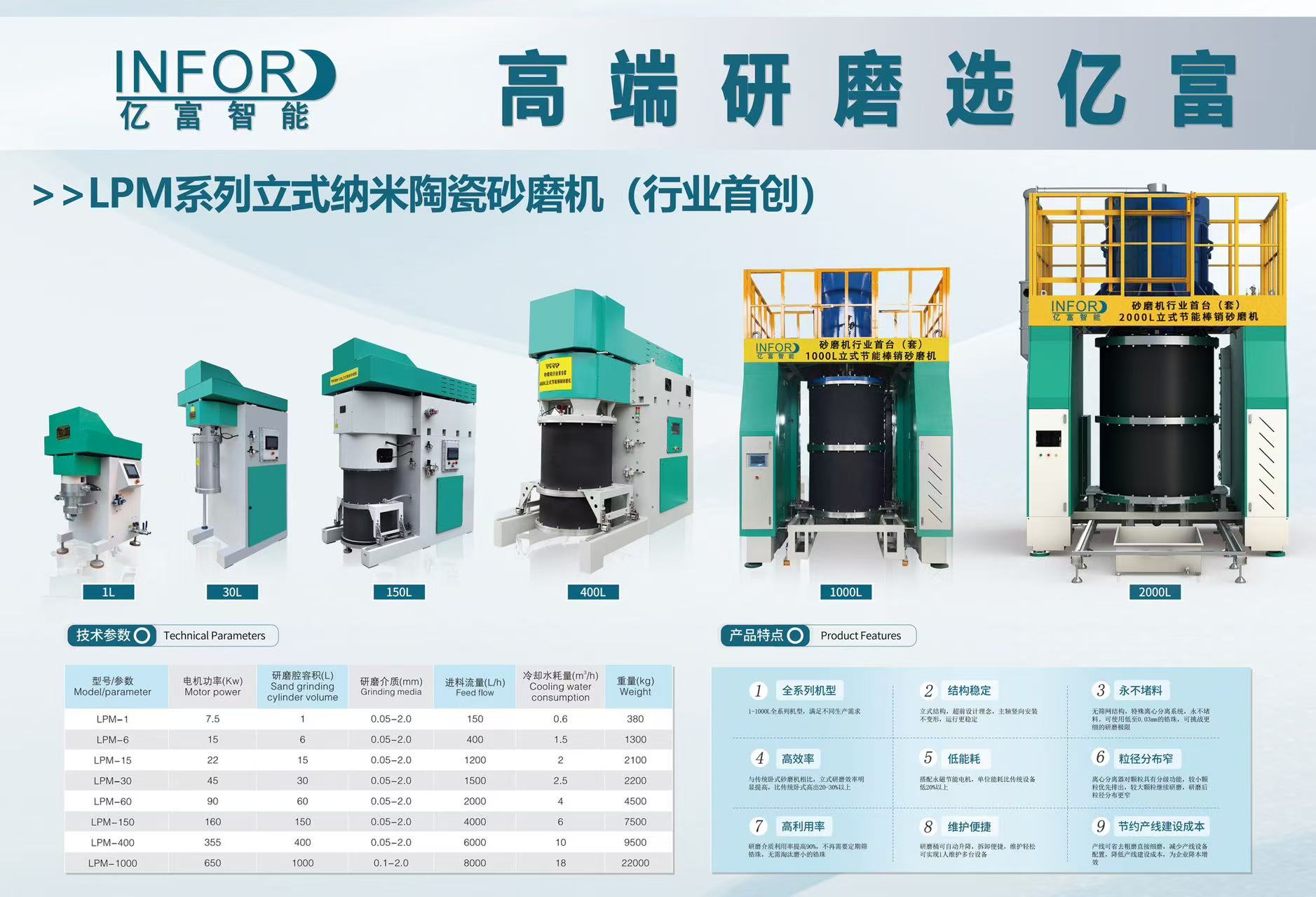
The real incremental battlefields are turning to South America (Brazil, Argentina), Africa (the Democratic Republic of the Congo, Madagascar) and the Middle East (Oman, Saudi Arabia). New projects in these areas will start from scratch, releasing rigid demand for a full set of mineral processing, smelting, and tailings treatment equipment.
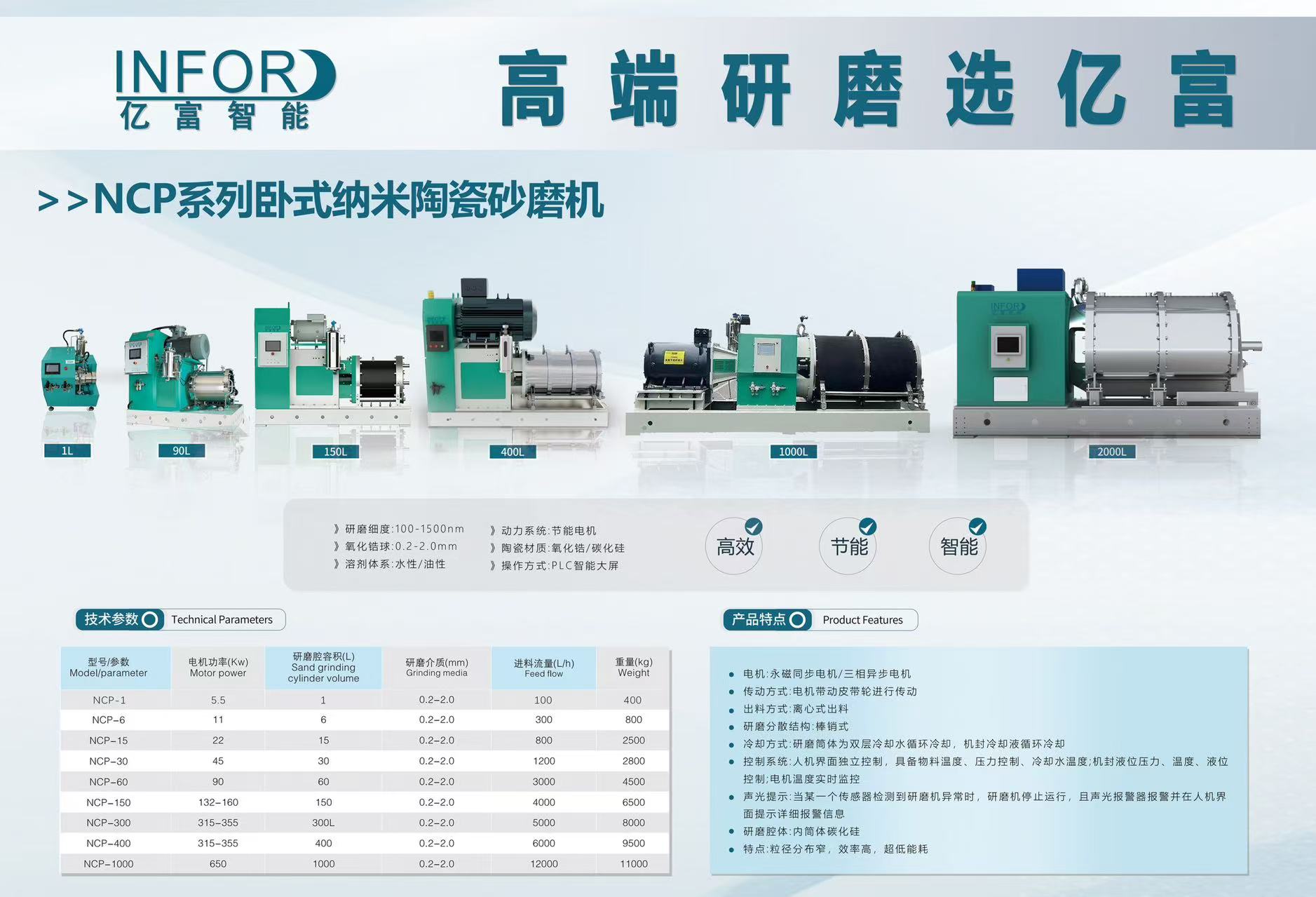
Therefore, it is time for our industry to wake up: Indonesia is only suitable for holding on to its stock and recovering cash; and the curtain of multi-center layout of new energy globalization has begun. Whoever takes root in South America, Africa, and the Middle East first will get the real ticket to the next cycle.

 English
 亿富机械
 +86-0769-85626082
 541476175@qq.com
 东莞市大岭山镇颜屋村莲颜路88号