From November 18th to 19th, the 33rd APEC Leaders' Informal Meeting was held in Shenzhen. 21 economies conducted a dialogue around "building an Asia-Pacific community and promoting common prosperity."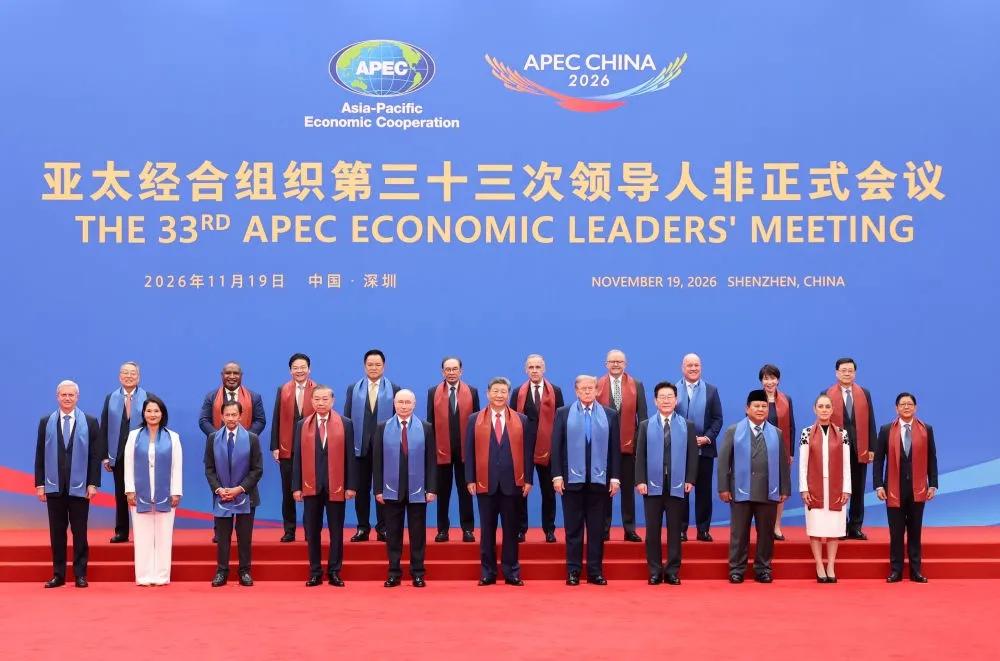
In addition to this group photo of the Asia-Pacific family, what deserves the attention of the industry is the three keynotes set by the meeting: major countries should maintain the bottom line of communication, regional economy and trade will continue to open up, and green and digital intelligence will become the main line of the next round of Asia-Pacific cooperation.
The historic meeting between the heads of state of China, Russia and the United States and their announcementDeclaration of Peace, the core is to manage differences and maintain strategic stability; the main conference document "Shenzhen Outlook" sets up the "four beams and eight pillars" of economy and trade, connectivity, innovation, and development; for the first time in 30 years, the Business Summit ended with the "Shenzhen Initiative", writing the demands of enterprises into the regional cooperation framework.
For the overseas teams that make new energy battery materials and grinding and dispersing equipment, this is not a diplomatic hot spot, but a benchmark for calibrating the pace of overseas operations in the next two to three years - peace to support the bottom line, openness to sustain life, and green digital intelligence to determine victory or defeat.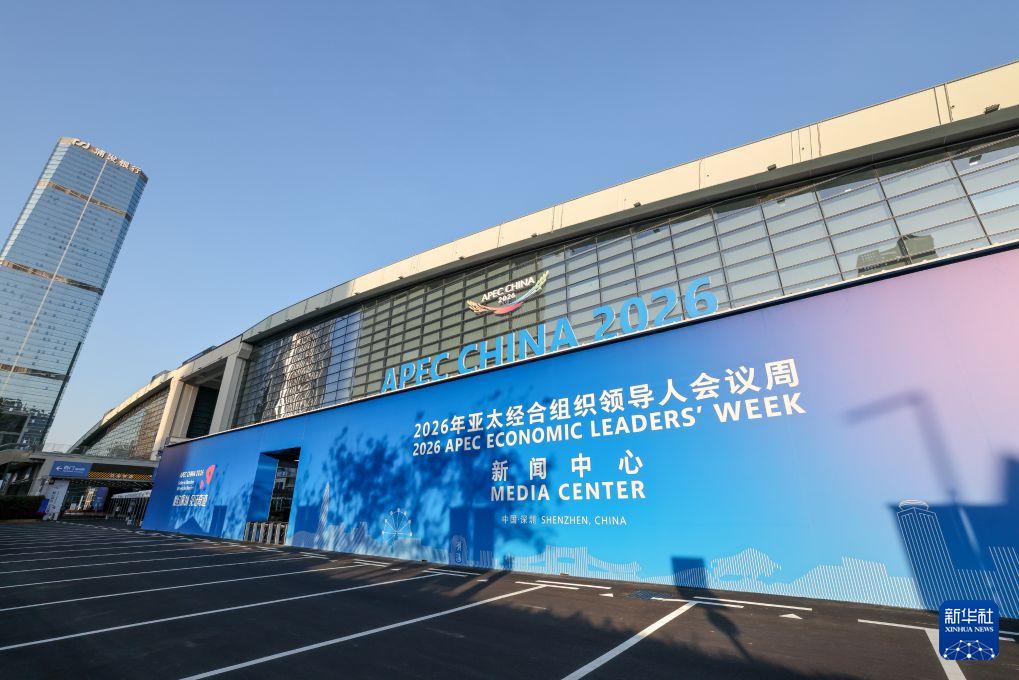
First, expectations must be calibrated: APEC is a voluntary, consensus-based, non-binding mechanism, and the consensus gives "direction" rather than "exemption":
This session has produced a total of 75 results (including 18 documents, 3 central government initiatives, and 54 practical cooperation items). But when it comes to the enterprise side, the real variable is soft connectivity - smart customs, mutual recognition of electronic documents, cross-border data verification, and mutual recognition of standards and conformity assessment. These details have a greater impact on order costs than the tariff schedule. For lithium battery materials, sanding/dispersing equipment, powder engineering, and online testing, the friction of customer visits, surveys, and after-sales dispatches will gradually decrease, and the spare parts clearance, sample delivery, and small and medium-sized technical transformation cycles may be shortened; however, environmental impact assessment, labor, local content, and carbon footprint verification in various countries are all in place. The bonus is not that "the goods sell better", but that "the project is easier to negotiate into a closed loop". It compares with the complete process package + compliance qualifications + local maintenance, not a single machine quotation. 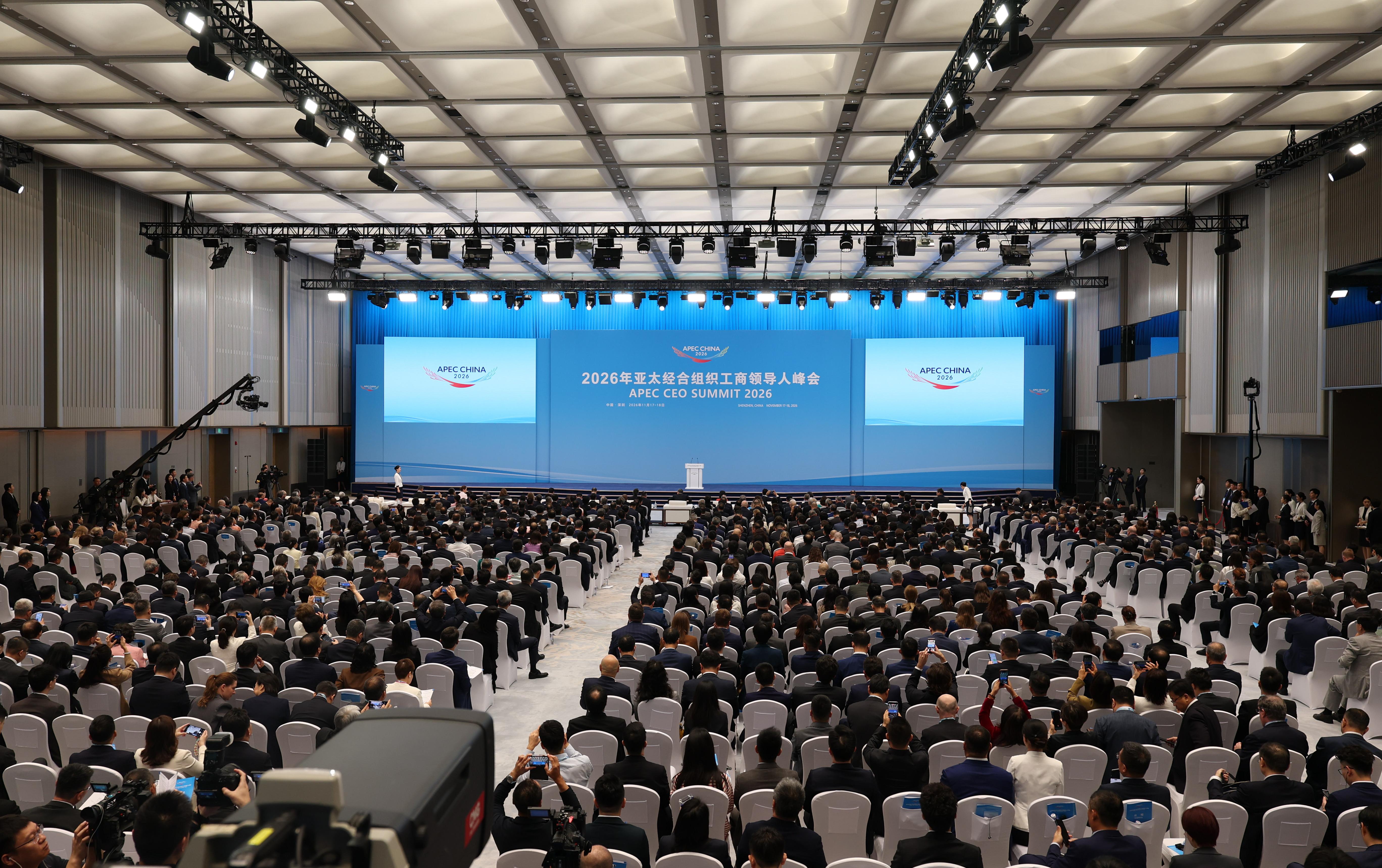
Green and low-carbon has changed from a slogan to a language of access:
This time, green supply chains, key minerals, carbon footprints and traceability were put on the official agenda, and China also took the lead in launching initiatives related to international economic and trade cooperation on green minerals. It is very straightforward to transfer it to the equipment end: cross-regional collaboration of lithium iron phosphate, energy storage integration, and nickel-cobalt-lithium raw materials will be made into long-term agreements by more buyers; when customers inspect the line, they will ask "Can this set of grinding and dispersion lines produce carbon footprint data, and can the energy consumption curve be connected to the buyer's ESG system?" The electrofusion, calcination, sintering, and graphitization of the powder industry are already large energy consumers. In the next 1-2 years, the EU battery passport logic is likely to be a "simplified version of the mirror" in some APEC members - suppliers who cannot obtain traceability data will not even be able to enter the bidding gate. 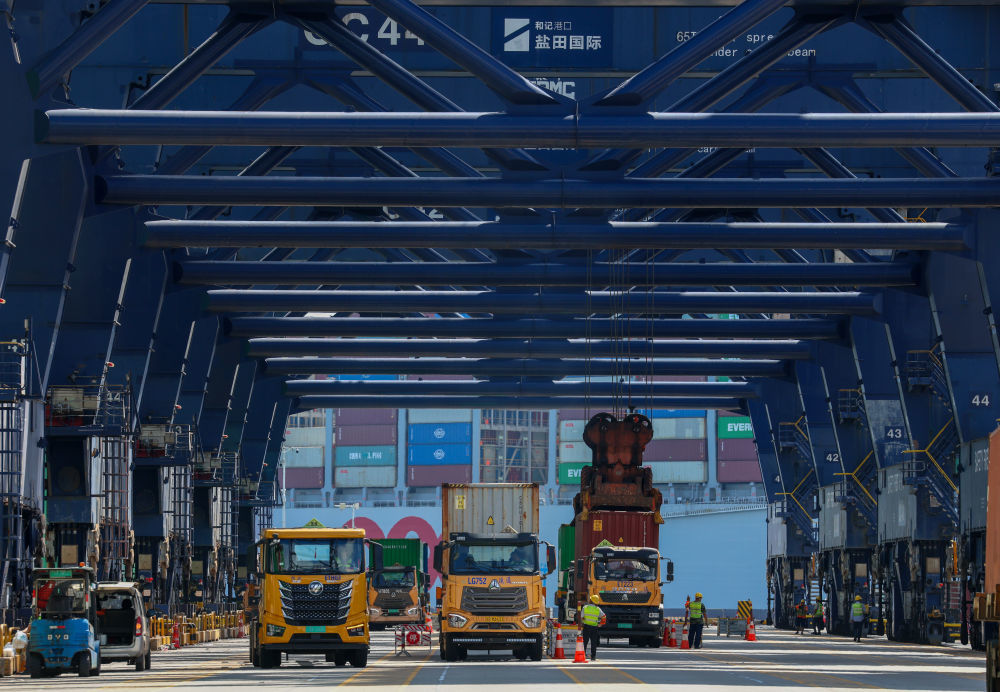
Digital intelligence synchronization changes from bonus points to admission tickets:
After AI, digital twins, remote operation and maintenance, electronic bills of lading, and cross-border data verification are written into the Shenzhen results, overseas project delivery must have a remote diagnosis interface, and the spare parts warehouse must receive regional electronic ports/digital documents. During factory inspections, "Is there a data dashboard" will be asked alongside "Is there a CE"? The market cannot be dominated by one map: Southeast Asia (Indonesia, Vietnam, Thailand, and Malaysia) has dual resources and production capacity, which is suitable for material pre-processing, equipment and factories; Japan and South Korea have strict certification standards and strive for process consistency; Australia and New Zealand adopt green power + energy storage system solutions; Latin American APEC members (Chile, Peru, Mexico) have great mineral opportunities but high customs clearance fluctuations, so they should be light on assets. Looking at the market by partition is much more reliable than calculating labor costs. 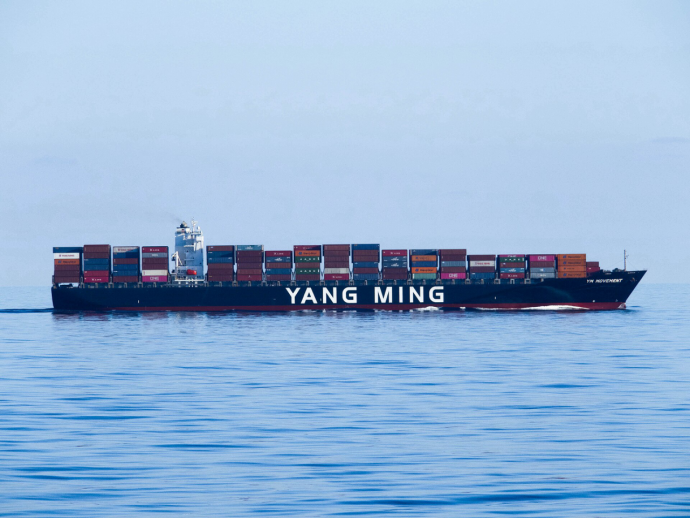
Three cognitive pitfalls must be avoided:
1. Family portrait ≠ no competition 。 The industrial game between China, the United States, Japan, South Korea, Australia and New Zealand is still the same, but the table is not turned over;
2. Consensus ≠ Take the initiative to lower barriers.APEC documents are not mandatory, and implementation depends on each member’s domestic legislation and customs rules;
3. Green ≠ multiple labels. Green now has the right to audit the supply chain, and whoever has no data will lose value.
Opportunities do exist, but the dividend is no longer simply selling goods at a low price, but the competition is a complete set of process solutions, compliance qualifications, and local maintenance services. 
This meeting in Shenzhen is a diplomatic lens on the surface, but on the inside it is the next runway for the manufacturing industry in Asia-Pacific. The wind has not stopped, but the direction of the waves is clearer than in the previous two years - instead of chasing the wind, chase the certainty of deliverables. The direction of new energy companies to go overseas is to stabilize their overseas rhythm in the next 12 months.
 English
 亿富机械
 +86-0769-85626082
 541476175@qq.com
 东莞市大岭山镇颜屋村莲颜路88号