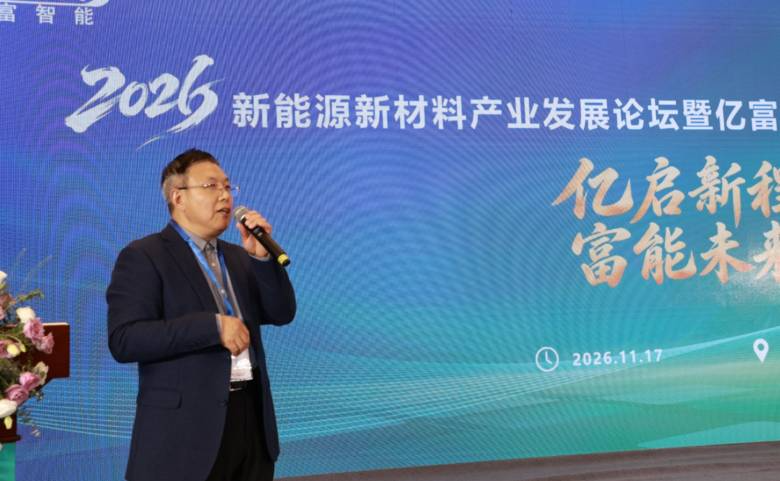
On November 17, 2026, the 2026 New Energy and New Materials Industry Development Forum and the Yifu Intelligent Hubei New Industrial Park Relocation Celebration, hosted by Yifu Intelligent, co-organized by Shanghai Nonferrous Metal Network (SMM), co-organized by Central South University, and supported by the Gucheng County People's Government, concluded successfully in Hubei Yifu New Park!
With the successful completion of the relocation ceremony of Yifu Intelligent Hubei New Industrial Park, the one-and-a-half-day forum agenda also officially came to an end. This event invited nearly 30 industry leaders, experts, scholars, and senior practitioners in the industry chain from home and abroad to provide participants with a high-standard and informative feast of industrial ideas. The venue was full of distinguished guests, and industrial chain practitioners from all over the world rushed to the scene to listen to the guests’ profound insights on the industry.
Based on the new pattern of the global new energy supply chain, the guests looked at key regional markets such as China, Japan, South Korea, Europe, the United States, Africa, Russia, and Indonesia, and focused on core tracks such as lithium batteries, sodium-ion batteries, and all-solid-state batteries. Conduct in-depth discussions in multiple dimensions such as industry control, export opportunities and risks and challenges, share cutting-edge research and development results, analyze existing pain points in the industry, predict mid- and long-term development trends, and jointly explore the path to high-quality and sustainable development of the new energy and new materials industry in the exchange of ideas and collision of opinions!
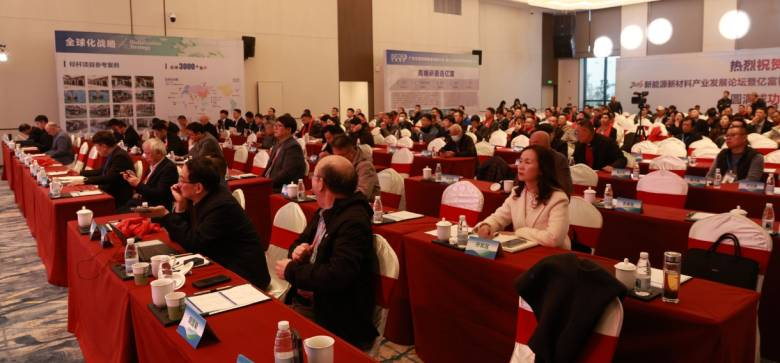
Opening Ceremony Special
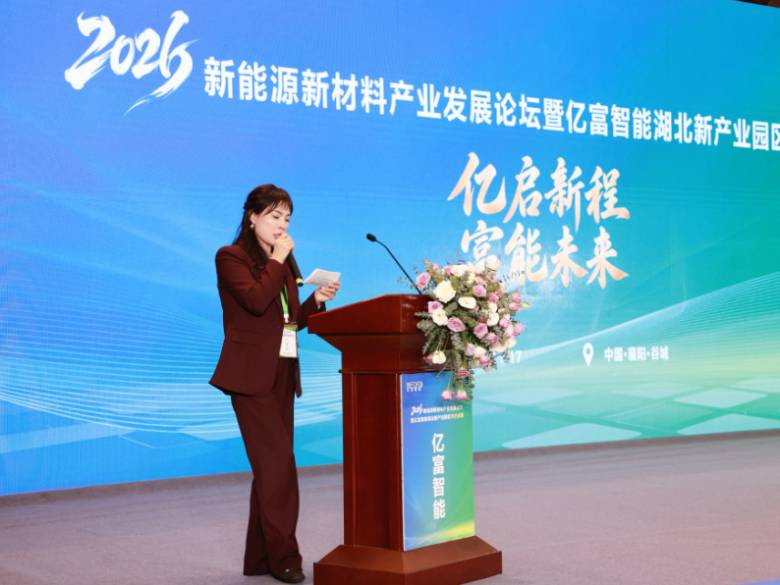
On the afternoon of the 16th, the opening ceremony was hosted by Yang Xiaoyan of Yifu Intelligence
Speech by industry experts
Professor Tang Yougen
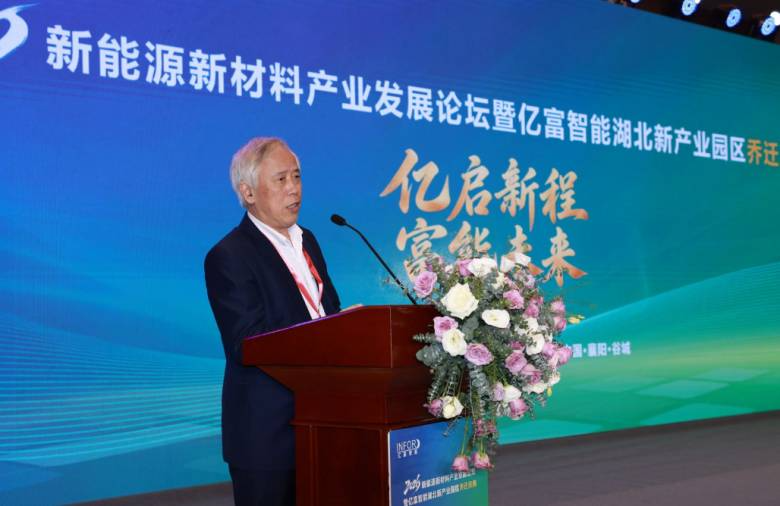
Central South University_Professor Tang pointed out that the current new energy industry is moving from "scale expansion" to a key turning point of "technology improvement". Multiple technical routes such as lithium battery, sodium battery, and solid state are evolving in parallel. The depth of collaboration between material innovation and equipment upgrading will directly determine the industrialization boundary of the next generationbattery technology. He called on academia and industry to be oriented by real problems and promote two-way research and production. He also hoped that this forum would become a high-value platform for technical exchanges and industrial cooperation.
Guest Speech
Speech Topic: High-end Sanding Production Line: Driving Cost Reduction, Efficiency Increase and Quality Upgrading of New Energy Materials
Speaker: Yifu Intelligent Chen Lu
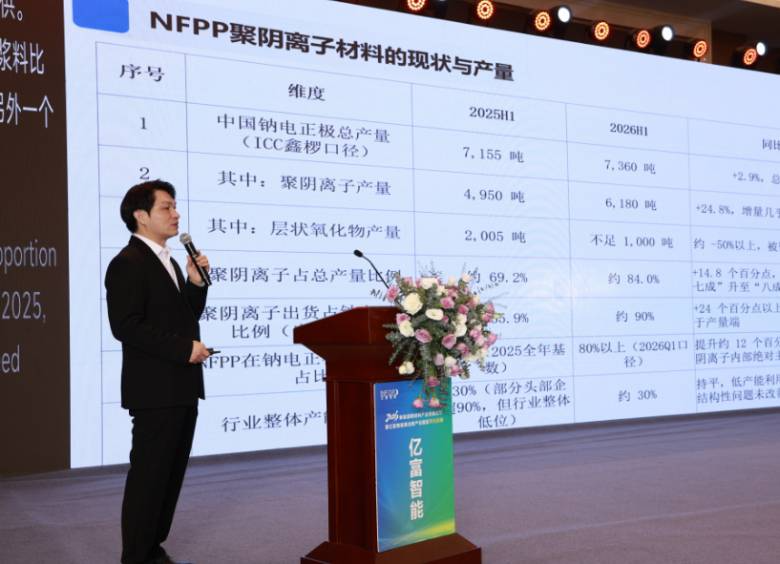
Yifu Intelligent Chen Lu started from four aspects: the development status of the new energy materials industry, the current high-end sand grinding application types of new energy materials, on-site application cases in the new energy materials industry, and Yifu products and international layout. During the sharing, he introduced in detail the application types of high-end sand mills in the new energy materials industry, that is, a full range of sand grinding products, covering horizontal sand mill series, horizontal series - large production line equipment, and vertical series - experimental machines, vertical series - large production line equipment, LPM series Vertical sand mill, etc., the technical indicators and advantages of each product are explained; at the same time, the differences in process, advantages and application scope of the horizontal series-sand grinding system EPC and vertical series-sand grinding system EPC production lines are compared, and detailed case analysis is attached.
In addition, he also said that Yifu Intelligent Industry's first vertical grinding system started with the first 400L vertical nano-sand mill and developed to today's 1000L and 2000L vertical nano-sand mills, leading the world. The company has a standardized production base of 70,000 square meters, fully equipped with automated intelligent processing equipment, with a monthly production capacity of up to 200 units. While improving production efficiency, it strictly controls quality and ensures delivery. With more than 20 years of accumulated experience, the company continues to develop and innovate in response to industry pain points, maintains product iterative upgrades and core technology innovation every year, and continuously improves its core technological competitiveness.
Speech topic: China 2026-2028Lithium Iron PhosphateMarket Outlook
Speaker: Chen Bolin, senior analyst of Shanghai Nonferrous Metal Network (SMM)
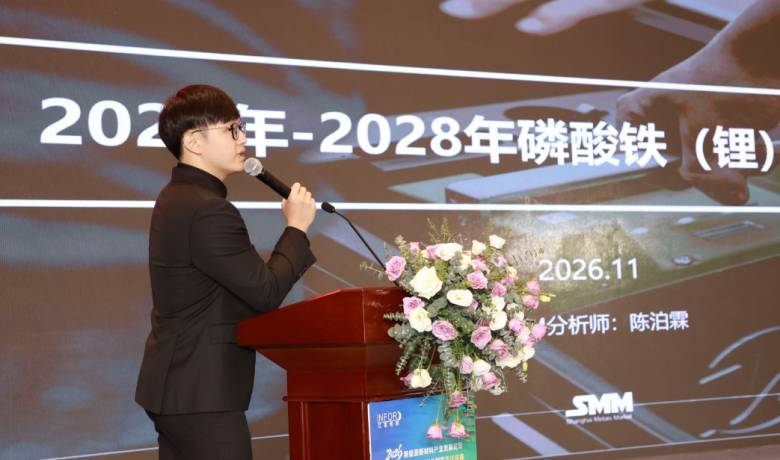
Chen BolinMentioned that the rapid growth in the energy storage field, coupled with the accelerated production of new energy commercial vehicles, is further pushing up the proportion of lithium iron phosphate in the overall lithium battery. Lithium iron phosphate companies are highly motivated to expand production, but effective and high-quality production capacity is still in short supply. As the third generation of mainstream products, its dominance will not last long - as companies accelerate the research and development of the fourth and fifth generation of high-pressure lithium iron phosphate materials, their output proportion will gradually increase, and the continued increase in new production capacity will also make the market share of industry leaders shrink year by year.
SMM predicts that the growth rate of iron-lithium companies in 2027 will be close to 30%, iron phosphateThe growth rate of technology is about 22%. As the output of non-iron phosphate processes will increase, the superimposed and integrated iron phosphate process is also gradually advancing. After excluding the integrated part, the growth rate of demand for outsourced iron phosphate is relatively limited, roughly around 500,000 tons. The newly added iron phosphate production capacity in 2027 is currently relatively high.
This can be viewed from two aspects: First, it depends on whether the production capacity of the new iron phosphate projects can be fully realized, but even if it cannot be fully realized, its production capacity is still higher than the new outsourcing demand; second, it also depends on the speed of advancement of non-iron phosphate processes. Even if the progress is slow, after the addition of these iron phosphate production capacities, the overall situation will still be in a state of surplus.
Speech topic: Observing the development trends of materials and equipment from OEMs and consumer terminals
Speaker: Volkswagen (China) battery and module quality control process expert Liu Taotao
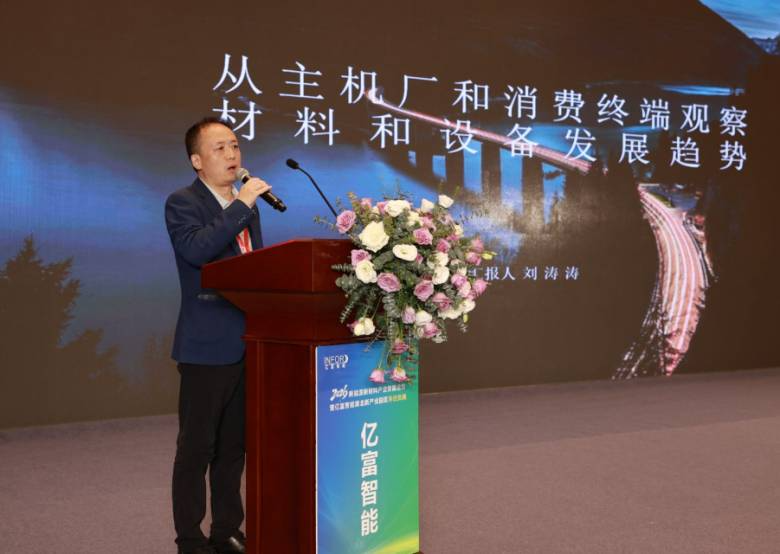
Liu TaotaoHe said that there are still outstanding problems with new materials and there is no prerequisite for large-scale expansion of production. Among them, the markets for lithium iron manganese phosphate and sodium electricity are small. In the future, the positive electrode of power batteries will be mainly lithium iron phosphate, matched with a small amount of high-nickel ternary elements; the negative electrode will still be mainly artificial graphite. When talking about the development trend of battery cells, he further said that the current main types of battery cells include soft-packed batteries, square batteries, large cylindrical batteries and solid-state batteries. Among them, the main processes of square battery cells include early pole piece production, mid-term assembly and post-testing, especially the middle process that has the greatest manufacturing value. The production bottleneck is mainly concentrated in the battery core forming process, which mainly has two process routes: winding and lamination. Since the production equipment and process flow of different material systems are the same, square battery cells of different material systems can be produced after the equipment parameters are refreshed.
Regarding the trend of battery cell technology, he said: before 2020, it was in the early stage of industrialization development, and production and manufacturing were mainly automated upgrades; starting from 2021, it entered the market-oriented development stage, with continuous innovation of processes and equipment, continuous improvement of production line efficiency, and rapid decline in manufacturing costs; after 2026, the focus will be on integrating upstream and downstream around smart factories, continuously optimizing the efficiency of intermediate links such as inventory, and further reducing manufacturing costs.
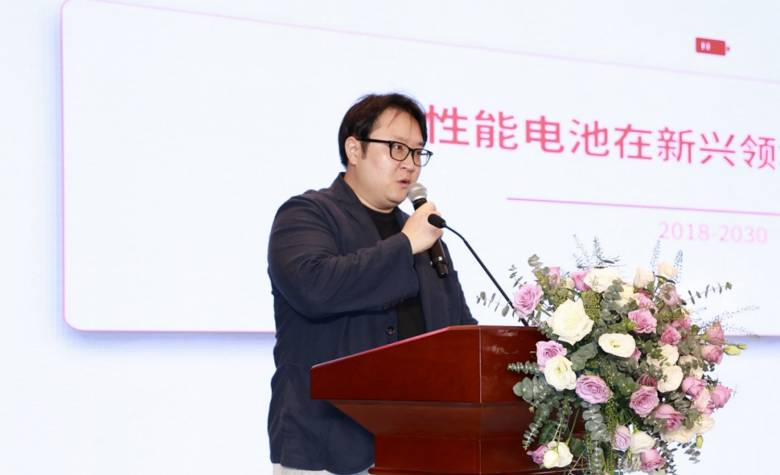
Speech topic: Market prospects of high-performance batteries in emerging fields
Speaker: Zeng Zi, Vice President of Nengyuan Technology
Zeng ZiIt is pointed out that in the next five years, the global battery market will be divided into the "extreme cost iron-lithium general market" and the "extreme performance high-nickel niche market"; power and energy storage will still maintain a compound growth rate of nearly 30% in total lithium battery shipments from a huge base, while the demand for lithium batteries in emerging fields will increase from less than 60GWh to over 600GWh, an increase of more than 10 times, becoming the main driving force. The macro background is the dual characteristics of "AI computing power drive" and "low-carbon physical world" from 2026 to 2030: energy demand has experienced the second exponential jump since the industrial revolution, the power system is facing reconstruction, and high-performance energy storage systems have become the core assets of global economic operations; the growth momentum in the next five to ten years will largely depend on the ability to provide stable clean power at extremely low marginal costs.
Emerging fields such as low-altitude economy, commercial aerospace and robotics are respectively driven by the opening of airspace, capital's focus on space resource development and the global aging labor shortage, posing unprecedented challenges to the high power density, wide temperature range operation and extreme reliability of batteries. At the same time, the global economy may shift from "stock game" to "energy sovereignty competition". New energy has jumped from environmentally friendly options to national security bases. The supply chain has shifted from global efficiency priority to regional safety priority. The establishment of localized battery supply chains in Europe and the United States has become a rigid demand, and the global production capacity map has also been reshaped by geopolitics.
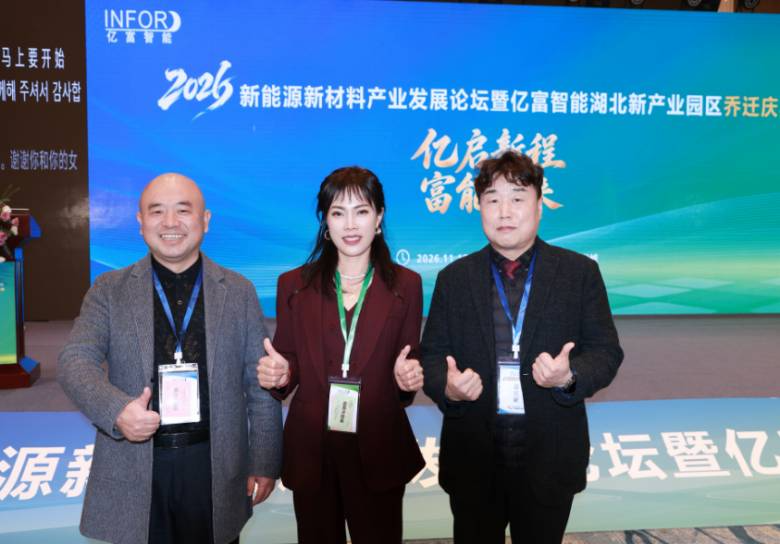
Global Session 1 Guest Speech
Speech Topic: Korean Battery Industry: Transformation and New Opportunities
Speaker: INFOR Korea Co-Founder and Consultant Dr. Kim Sang-ho
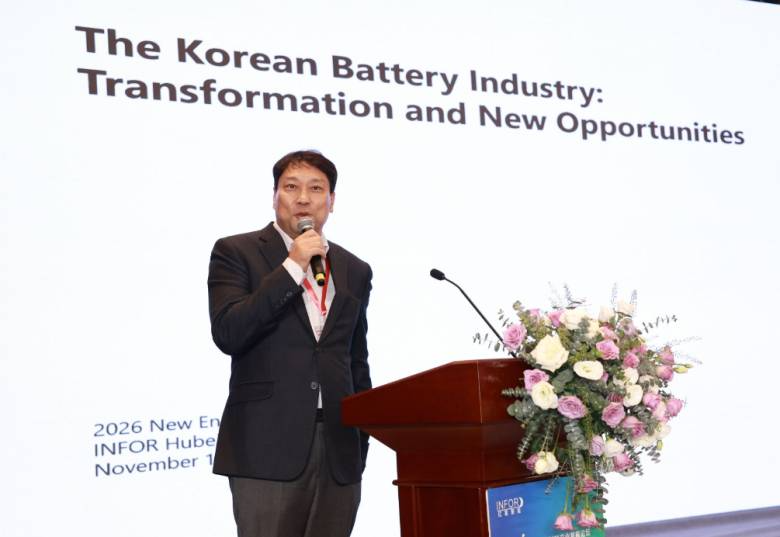
Dr. Kim Sang-hoIt was mentioned that what the Korean battery industry is currently facing is not simply a slowdown in demand, but simultaneous changes in product competitiveness, supply chain and investment structure: on the demand side, affected by the "gap" in the electric vehicle market, the growth of electric vehicles in some areas has slowed down, and OEMs have adjusted orders and investments; on the competition side, CATL, BYD (BYD) and materials companies are leading the scale, cost and integration of LFP; on the supply chain side, lithium refining, graphite and Qianqin The company is highly dependent on China, with concentration and traceability pressures coexisting; on the operational side, low capacity utilization, price declines, and delayed investment returns after expansion have highlighted issues such as profitability, utilization, and delayed returns; at the same time, U.S. tax credits, procurement source rules and tariffs, and European localization and regulatory requirements have brought policy and trade uncertainties, and the product and technology switch from ternary cathodes to LFP, ESS, and silicon anodes still need to be re-verified. These problems are intertwined and difficult to solve with technology alone.
Overall, the battery market between China and South Korea should move from competition to cooperation in the future. Relying on South Korea's global operation experience and demand for diversified supply chains, combined with China's advantages in battery materials, process technology and lithium iron phosphate production lines, both parties are expected to generate new business opportunities and achieve win-win growth.
Topic of speech: The principles of wet crushing, depolymerization, dispersion and mixing and the future role of G-GTC
Speaker: Dr. LEE JU SEONG, representative of Korea Sano Company
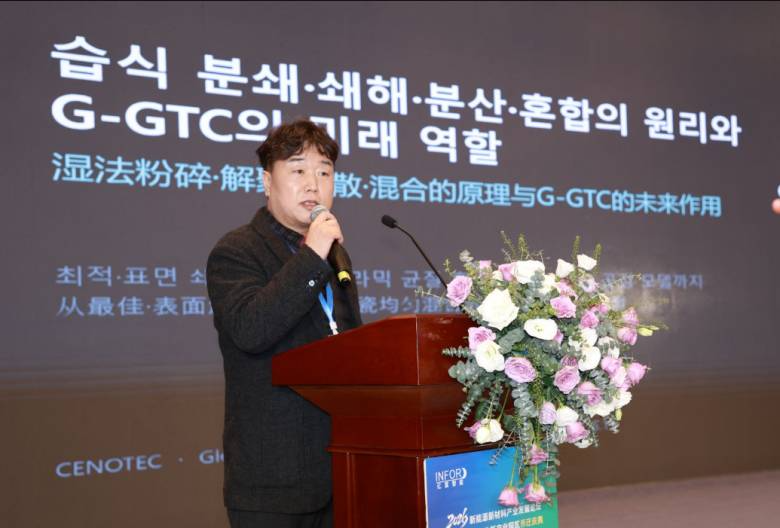
Dr. LEE JU SEONGFirst of all, it was pointed out in the speech that the objects of crushing, depolymerization, dispersion and mixing are different: only by achieving depolymerization without destroying the primary particles, and achieving uniform mixing on this basis, can the material function be truly exerted; at the same time, transforming uncontrollable hard agglomeration into designed soft agglomeration is the basis for achieving ton-level reproducibility and ppm-level bad management. Then, he reviewed the evolution of the history of crushing - from "breaking with force" to "unraveling lightly and multiple times", and further proposed that the AI era will move towards data-driven autonomous technology. The key to supporting this transformation is a platform that jointly optimizes grinding beads (CENOTEC) and equipment (INFOR) at the same place and continuously accumulates depolymerization data.
On the whole, the value of wet-synthesized powder is realized through "lossless depolymerization" and "uniform mixing". Because of this, only by mastering beads and equipment at the same time can we find the best window; and G-GTC is the platform for practicing all this and accumulating data. On this basis, the next step is to build analytical equipment and online measurement capabilities, establish depolymerization and mixing uniformity evaluation procedures and data systems, and conduct joint testing with MLCC·new generation battery customers.
Speech topic: Analysis and prospects of Japan’s new energy market
Speaker: Zhao Haipeng, President of Portal Co., Ltd.
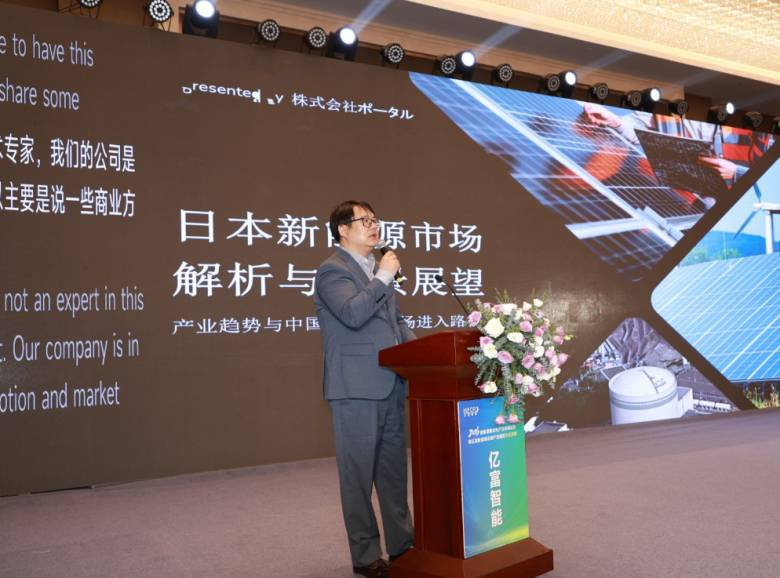
Zhao HaipengAccording to the introduction, Japan’s energy transformation focus is shifting from simply expanding power generation to building a stable and efficient new energy system. Its new energy market focuses on the five major directions of photovoltaics, energy storage, battery manufacturing, offshore wind power, and hydrogen and ammonia energy, covering the entire chain from energy production to system upgrades; market opportunities have also expanded from single product sales to gradually expanding to comprehensive supporting needs such as equipment, materials, control systems, and engineering services.
In the field of batteries, Japan’s industrial strategic upgrading direction is to extend from cell manufacturing to power systems: it plans to form a local production capacity of 150GWh/year from 2030 to the mid-30s, with the goal of doubling global sales in 2035 compared to 2025, and striving to achieve commercialization of all-solid-state batteries in 2030. The corresponding investment opportunities are not limited to battery cells, but also have space for battery materials, manufacturing processes, production equipment and system control.
Speech topic: Promoting high-performance, cost-effective carbon-based battery materials to meet global demand
Speaker: Dr. Dong Hui, Energy Storage R&D Manager of Ingevity
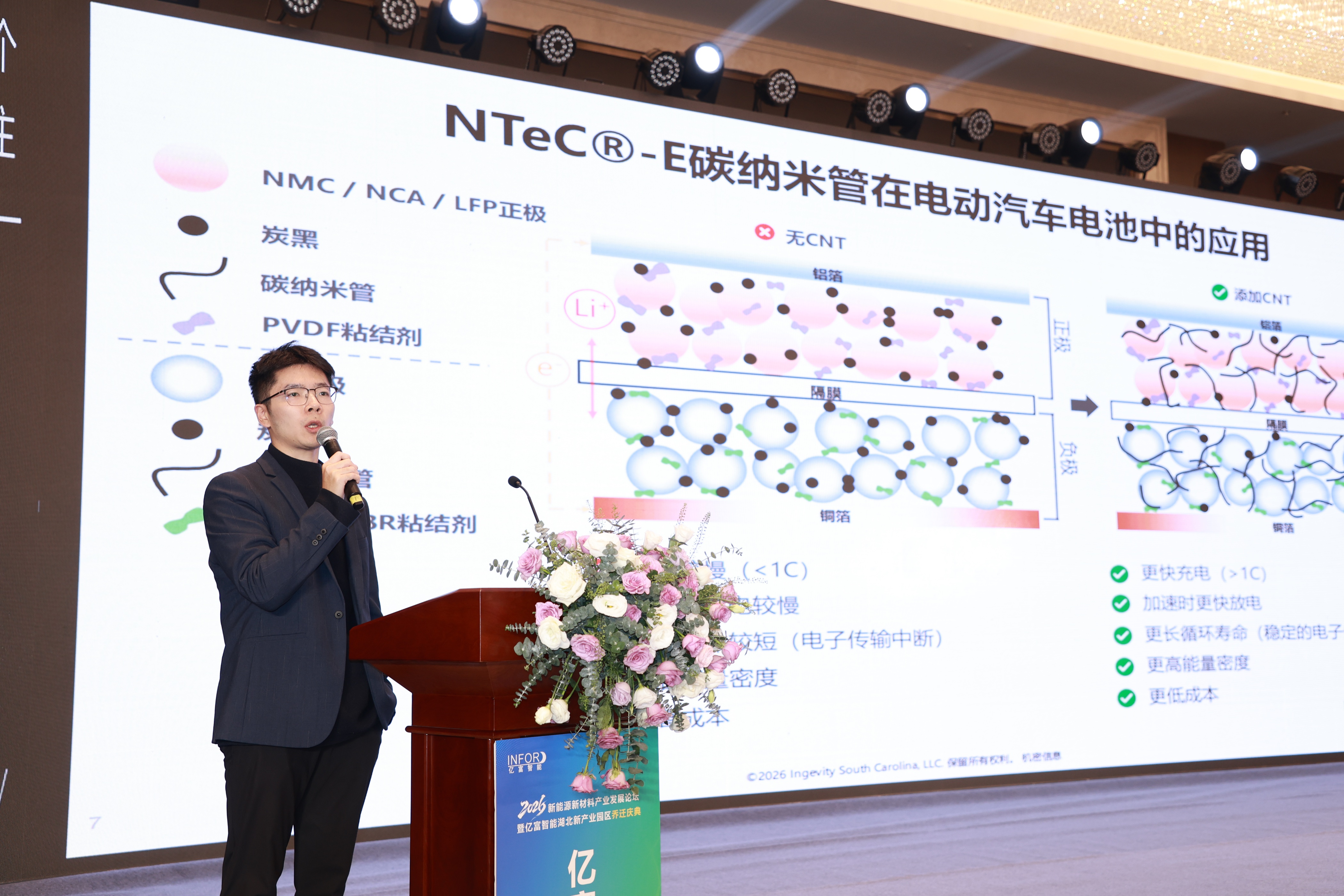
Dr. Dong HuiThe application of NTeC®-E carbon nanotubes in power batteries, small consumer batteries, 2Ah multi-layer soft pack battery long cycle scenarios and silicon carbon anode systems was introduced in turn. The performance of Ingevity hard carbon in carbonateelectrolyte and ether electrolyte was explained respectively, and the core advantages of the company's products in the above scenarios were explained, so that the guests on site could intuitively feel the product performance.
Speech topic: Africa’s new energy market evolution, resource endowment and track opportunities
Speaker: Professor Li Fengting
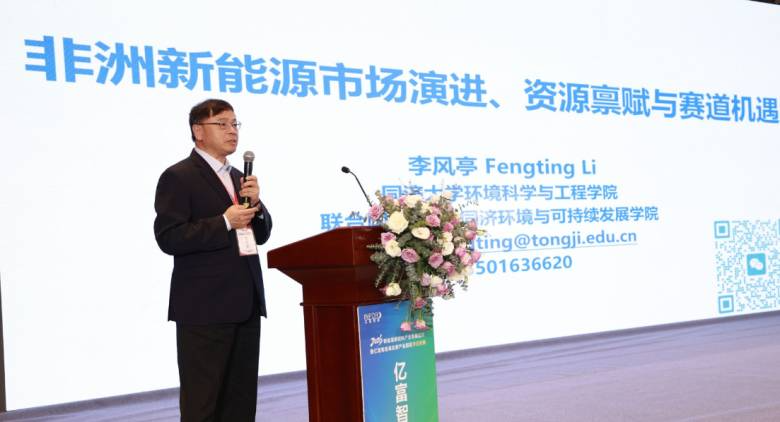
Li Fengting, School of Environment, Tongji University, mentioned that Africa’s future energy demand growth potential is considerable, the local motor vehicle population is low, and the automobile market has broad room for growth. In terms of mineral resources, Africa is an important mineral base in the world. It has significant reserves of platinum group metals and cobalt, and manganese, bauxite, graphite, and lithium resources also occupy an important proportion. Africa occupies a leading position in the global mine production of platinum, cobalt, and manganese, and is an important support for the global supply of key minerals. Among them, cobalt has a prominent supply position, and the importance of copper continues to rise. From 2000 to 2024, Africa's global share of cobalt production increased from approximately 36% to 77%, and its global share of copper production increased from approximately 3.5% to 18.4%.
Speech Topic: From Carbon Constraints to Carbon Assets - Carbon Reduction Paths and Carbon Negative Material Systems for Battery Materials Beyond Green Electricity
Speaker: Song Weining, Chairman of Jiangsu Green Carbon Nanotechnology
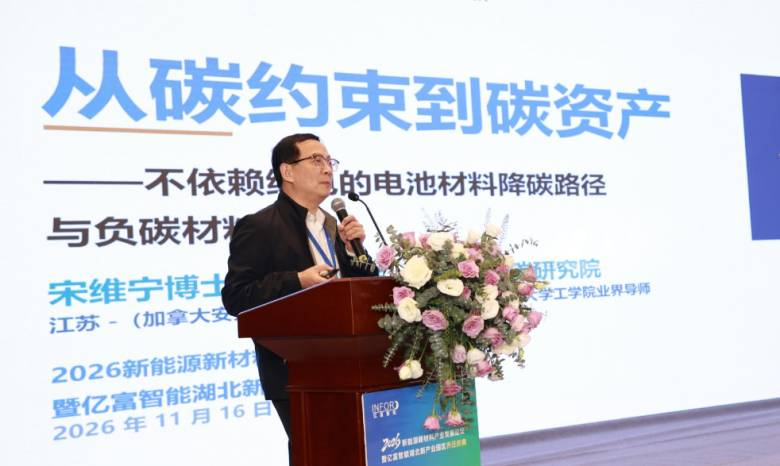
Song Weining mentioned that CBAM will be officially levied in 2026, and batteries that exceed the standard will be banned from 2028. The gate has closed, but the supply of green electricity is still insufficient: the material in the carbon footprint of the battery cell accounts for 48%–62%, and the green certificate cannot pass the verification. To this end, we innovatively propose the "Differentiated Responsibility Index" (RDI): the historical responsibility of the United States for per capita carbon emissions is 6.0 times that of China, and that of the 27 EU countries is 3.2 times. Carbon can be turned into an asset - through the CO₂ conversion pyramid and the fair pricing path for Europe. Carbon constraints are not fines: if the accounts are settled, the materials are replaced, and the rules are negotiated fairly, it can be turned into an asset.
November 17 Guest Speech
Global Special Session 2
Speech Topic: Anode Materials in the First Year of Large-Scale Mass Production: Research on C&M China-Malaysia Group’s Globalization Practice and Investment New Energy Sarawak Settlement Project
Speaker: C&MChina Malaysia Group President Jackyang
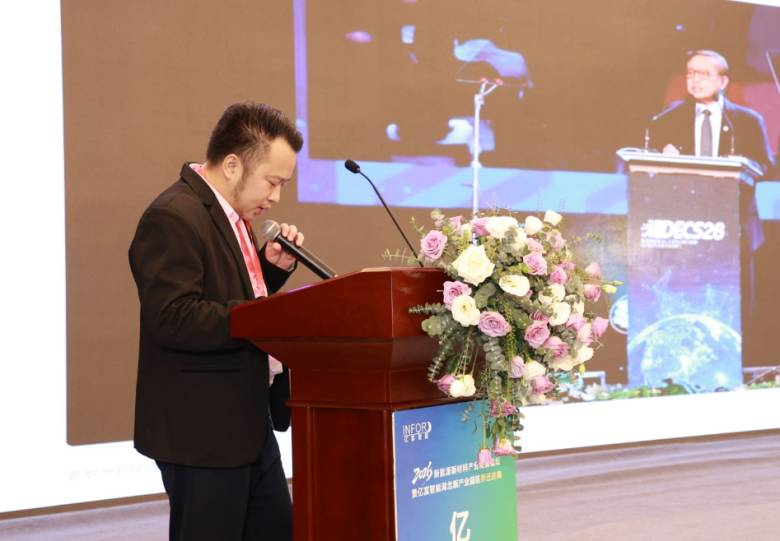
C&M China Malaysia Group President Jack Yang shared the theme of "Anode Materials in the First Year of Large-Scale Mass Production: C&M China Malaysia Group's Globalization Practice and Investment New Energy Sarawak Settlement Project". Combining the front-line experience of the China-Malaysia Group in the new energy layout in ASEAN, he discussed the paths and thoughts on the globalization of China's new energy industry chain, focusing on overseas exports of anode materials, localized manufacturing and regional collaboration.
Speech topic: Current status and opportunities of Indonesia’s battery industry chain
Speaker: Zhang Ping, founder of Shanhaitu
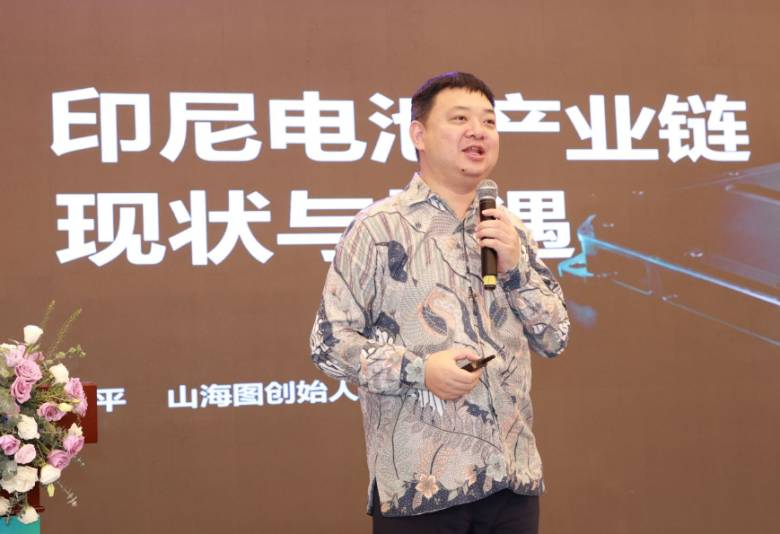
Zhang Ping shared from four major aspects: whether Indonesia's battery industry chain is open, the industrial chain layout of Chinese-funded enterprises in Indonesia, Indonesia's attitude and encouragement policies towards Chinese investment, and investment opportunities. Mr. Zhang mentioned that Chinese-funded enterprises have laid out a complete industrial chain from nickel ore to battery recycling, showing a pattern of full production in the upstream, climbing production capacity in the midstream, and just starting in the downstream. Indonesia has provided generous policy support and special economic zone investment incentives for Chinese investment, and welcomes the "Chinese technology + capital" model to enter the market; its core orientation is to retain nickel resources locally and land industries in Indonesia. Localization requirements TKDN is not only a ticket to enjoy policy incentives, but also the threshold for survival of the fittest in the industry. January 2027 is a critical watershed: if local cell production cannot be achieved, it will be basically difficult to meet the 60% localization requirement. Localization is not an additional cost, but a hard qualification for market access; companies that cannot clarify the path and truly achieve TKDN standards are not suitable for entering the Indonesian market.
Speech topic: Australia's path under the new global lithium battery trend: Opportunities, challenges and countermeasures
Speaker: Dr. Zhang Wei, founder of AlliVolt Tech
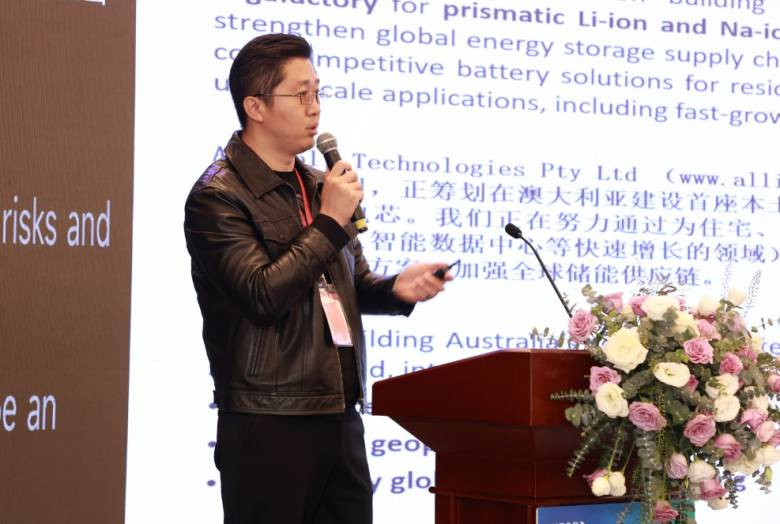
AlliVolt Tech founder Dr. Zhang Wei shared the theme of "Australia's path under the new global lithium battery trend: opportunities, challenges and countermeasures". Based on the practice of dual bases in China and Australia, he pointed out that Australia is moving from "selling lithium ore" to local battery cell manufacturing and grid-connected energy storage. Focusing on dry process, automated production lines and AI-BMS, he systematically dismantled the threshold and breakthrough ideas for the Chinese battery chain to go overseas to Australia.
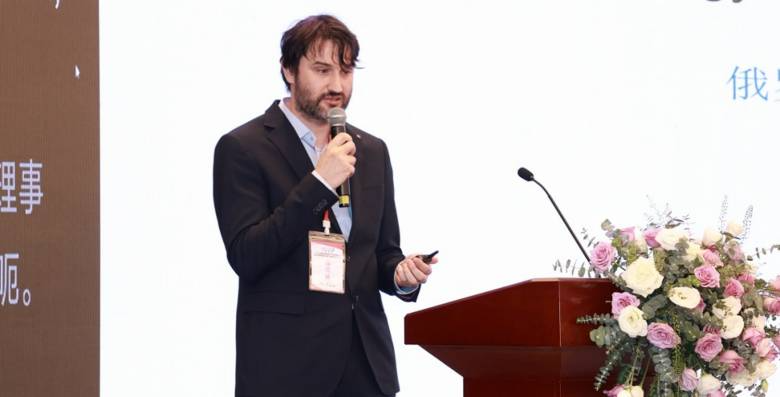
Speech Topic: Russian New Energy: Current Situation and Prospects
Speaker: Moscow Power Energy Institute (MPEI) Vitaly Govorov
Vitaly Govorov, an expert in the field of Russian new energy, shared the theme of "Russian New Energy: Current Situation and Prospects". Combining Russia's resource endowment and industrial reality, he analyzed the layout logic of energy storage in energy security, electric transportation and local battery systems, and looked forward to the collaborative space between China and Russia in materials, equipment and green energy chains.
Speech topic: The logical evolution of the European and American new energy markets: from "product competition" to "identity compliance"
Speaker: Zhou Yuanyuan, Marketing Director of Green Energy Origin Technology (GEO)
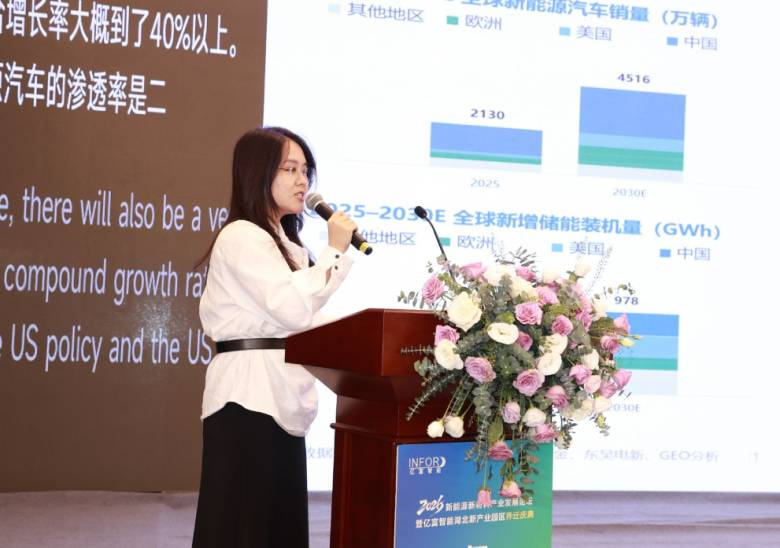
Zhou Yuanyuan mentioned that China is still the world's largest new energy market, but in the next five years, the European and American markets will contribute the largest increase in the industry. European electric vehicles and energy storage sectors are growing rapidly simultaneously; while the US electric vehicle market is under short-term pressure, the energy storage track is experiencing an explosion. The U.S. market has set up three barriers to entry: relying on tariffs to restrict the import of finished products, relying on PFE rules to restrict enterprise qualifications, and controlling the supply chain through MACR. Compliance is not only a prerequisite for applying for subsidies, but also a mandatory requirement for connecting with leading mainstream customers in the United States. Although the relevant bills set up high tax credits, the core prerequisite for companies to receive subsidies is to pass the PFE qualification compliance review.
The European market promotes industry localization through progressive rules: first proposing local supply requirements, and then gradually tightening compliance review. At present, the localization process of battery cell production capacity in Europe and the United States continues to accelerate, but there is still a large supply gap in the local supply of upstream lithium battery materials. Under the dual effects of European and American policy constraints and subsidy incentives, the local production capacity of battery cells will usher in explosive growth, and a certain demand for upstream supporting materials has been formed.
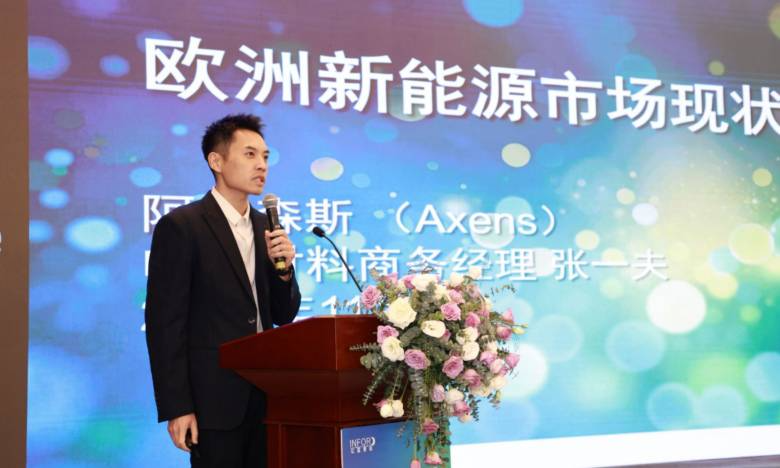
Speech topic: Current status of European new energy market and related policies
Speaker: Zhang Yifu, Business Manager of Axens
Zhang Yifu said that Europe is gradually growing into an important electric vehicle market, followed by strong demand for cathode materials in the future. In the European cathode material track, the penetration rate of LFP continues to increase, and the demand for commercial vehicles is rising rapidly. There is a structural capacity gap in the EU battery recycling market, and companies that are early in deployment are expected to seize the first-mover advantage; all-solid-state batteries have broad potential. It is estimated that by 2040, the sulfide all-solid-state battery market will be about 14 billion euros, or will account for about 4% of the overall battery market.
Lithium Battery Special Guest Speech
Speech Topic: After the Cyclone, the Development Status of New Energy Vehicles and Six Types of Structural Chaos
Speaker: Peng Jianbin
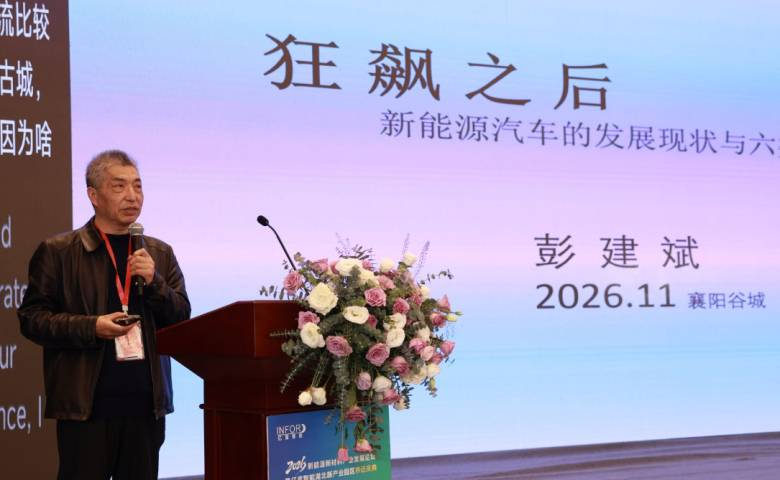
Peng Jianbin, former chief engineer of Dongfeng Motor Co., Ltd. pointed out that China's new energy industry has established a global dominant position, with cumulative sales of more than 62 million vehicles, accounting for approximately 60% of the world. After the penetration rate exceeded 50%, the industry entered a new stage of mainstream development, and exports became the second growth engine. However, the industry is currently undergoing multiple tests such as price, account period, propaganda, data, after-market and conceptual innovation, etc., which has prompted deep adjustment pressures such as overcapacity, homogenization (false innovation), price wars, and marketing chaos. The quality of profits has become the biggest shortcoming - industry sales continue to rise, but profits continue to decline.
Against this background, policy correction (including interviews, the issuance of compliance guidelines, and the revision of the Price Law) are being promoted simultaneously with market-oriented clearing. In the next five years, the industry will bid farewell to the stage of pure price competition and shift into a competition cycle centered on new productivity and integrity innovation. The number of mainstream car companies may be significantly reduced, and the industrial chain and industrial ecology will experience great waves and gradually return to rationality.
Speech topic: Lithium iron phosphate material technology development and industry competition pattern
Speaker: Professor Hu Guorong of Central South University
Professor Hu pointed out that the cathode material is the core key material of lithium-ion batteries, which determines the performance and cost of lithium-ion batteries. Lithium iron phosphate has now become the mainstream cathode material for power and energy storage batteries due to its cost and safety advantages. As power and energy storage batteries require higher and higher energy density, high compact density lithium iron phosphate will be the mainstream development direction in the future.
In order to solve the fast charging and low-temperature performance of lithium batteries, high-rate lithium iron phosphate is also an important research direction in the future; lithium iron phosphate production technology routes coexist with diversification. The future development of lithium iron phosphate requires technological upgrades from raw materials, production processes and key production equipment to significantly reduce production costs and improve product performance. The competitive landscape of the lithium iron phosphate industry has formed that the strong will always be strong, with further improvement in concentration, accelerated technological iteration, and development in upstream resource extension and internationalization.
Speech topic: Deeply cultivate the source innovation of manganese-based materials and build new solutions for small power batteries
Speaker: Wang Zhengwei, Vice President of Phylion Power Supply
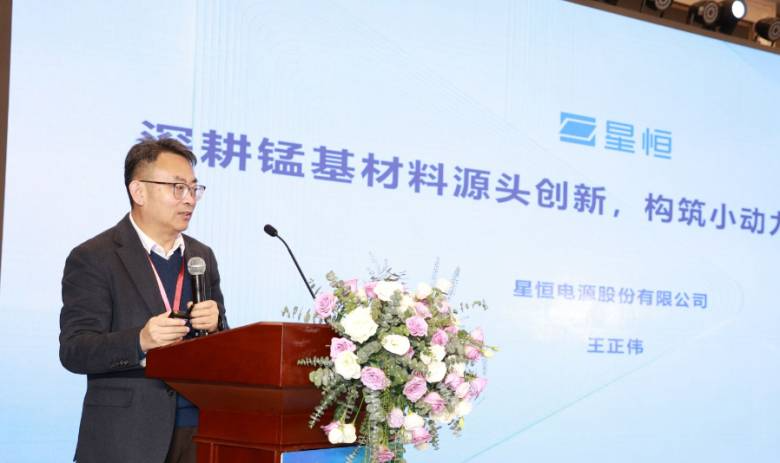
Wang Zhengwei said that new regulations in the electric bicycle and electric motorcycle industries have put forward higher requirements for battery safety and performance, and the market entry barriers in terms of cost, safety, and electrochemical performance have significantly increased. Current conventional manganese-based system batteries are difficult to meet new industry standards. Optimization by incorporating ternary materials will drive up costs and bring additional safety hazards. Therefore, the industry urgently needs to develop high-performance manganese-based cathode materials to improve the overall performance of manganese-based batteries and adapt to terminal application needs.
The company’s self-developed high-temperature solid-phase process can be used to synthesize ferromanganese oxide to prepare high-performance lithium iron manganese phosphate. This process, combined with a high-entropy doping strategy, can effectively improve the density, structural stability and electrochemical performance of manganese-based material crystals, providing a feasible path for the research and development of high-performance manganese-based cathode materials.
Speech topic: Efficient dispersion of carbon nanotubes and its application in lithium-ion batteries
Speaker: Dr. Zhou Quanzhu of Dazhan Nano
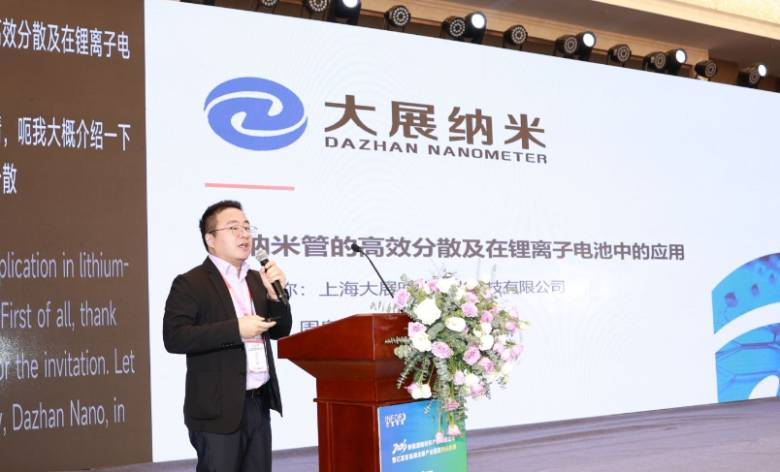
Dr. Zhou pointed out that the total volume of the lithium battery industry continues to expand, and the structure is tilted towards energy storage. Carbon nanotube conductive slurry benefits from fast charging and the penetration of silicon-based anodes, ushering in a dual drive of volume growth and structural upgrades. On the stock side, carbon nanotube slurry continues to penetrate into power batteries, and is expected to account for 70% of power battery conductive materials in 2027. The development of sodium batteries and silicon-carbon anodes has also brought stable demand; on the incremental side, the battery industry has entered the TWh era, with the rapid increase of silicon-carbon anodes and the gradual rise of solid-state batteries, which will continue to open up the growth space of carbon nanotube conductive agents.
Sodium electricity special guest speech
Speech topic: Sodium-ion battery technology progress and opportunities
Speaker: Wang Zhenbo, Professor of Harbin Institute of Technology
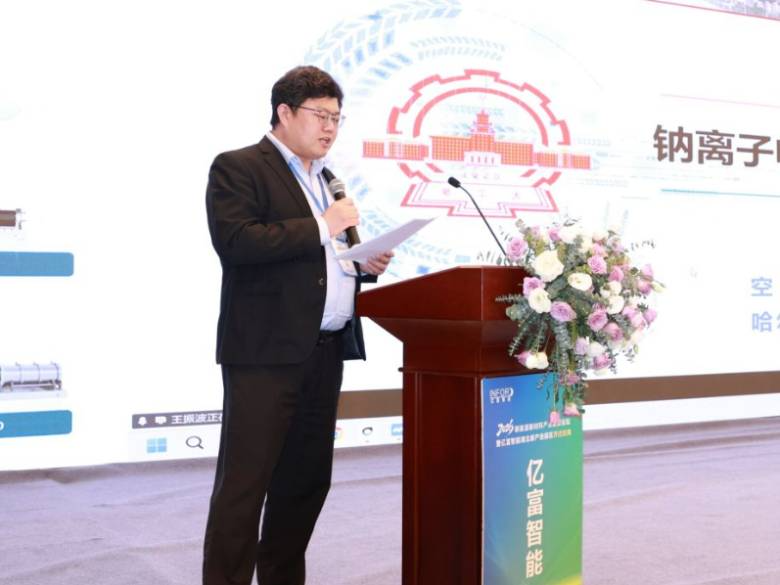
Wang Zhenbo predicts that the sodium-ion battery market has a vast space, with each segment reaching billions to tens of billions, and is mainly divided into two major directions: light power and energy storage: Light power covers two/three/four-wheel low-speed vehicles, forklifts, robots and other scenarios. Domestic electric bicycles, four-wheel low-speed electric vehicles, forklifts have a large retention and sales base, and takeout and express delivery rider groups also bring stable demand; energy storage scenarios include photovoltaic energy storage, 5G Base stations, wind and solar street lights, portable emergency power supplies, supporting energy storage for wind and solar power stations, data center backup power supplies, etc. have strong demand for downstream supporting equipment and outstanding growth potential.
Speech topic: Progress and challenges of phosphate-based polyanion sodium ion batteries
Speaker: Cao Yuliang, Chairman of Jiana Energy
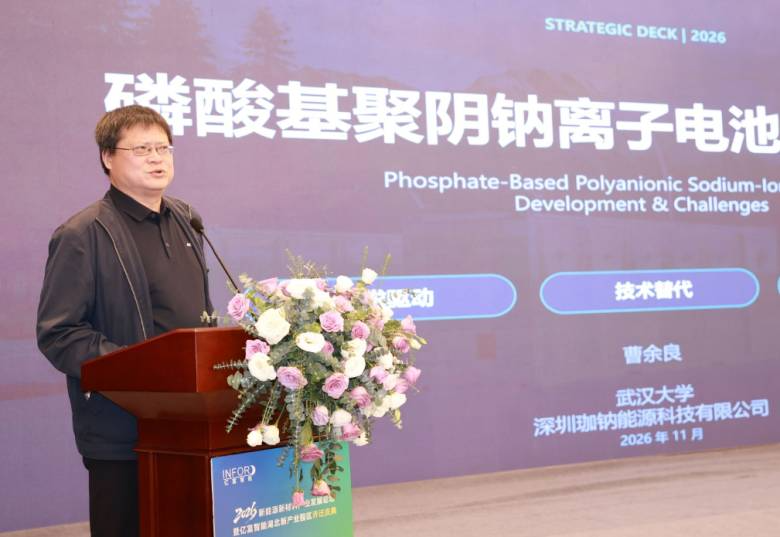
Cao YuliangIt is pointed out that the advantage of the polyanion route sodium-ion battery is that the raw material sodium, iron, phosphorus and other resources are not limited, the material structure is stable, the thermal stability is good, it has long life, high safety characteristics, and supports zero-electricity storage, and the operation and maintenance management cost is lower; but it also faces many challenges: the energy density is low, the system cost and the manufacturing process need to be optimized, the calendar life and actual safety still need to be continuously verified, and problems such as large-scale production of materials and efficient use of resources must also be overcome.
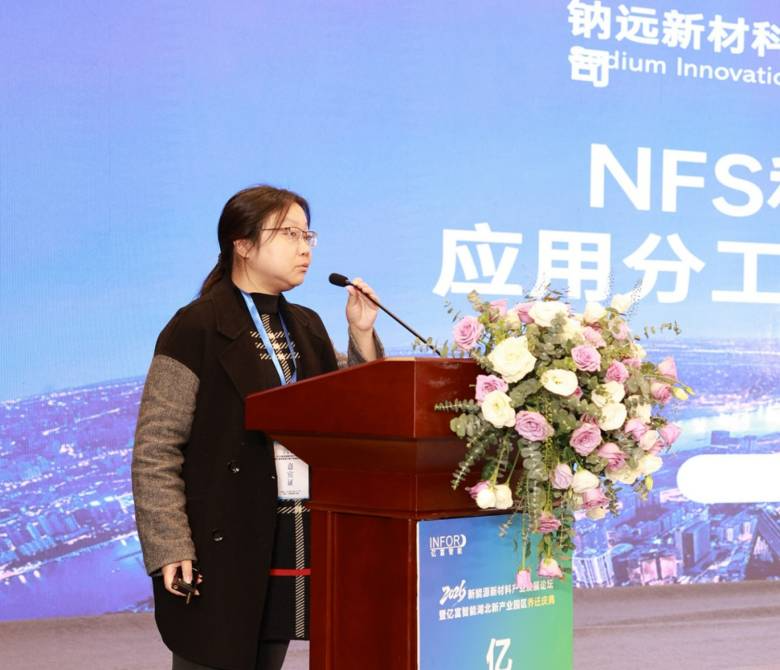
Speech topic: Application division and commercialization implementation of NFS and NFPP
Speaker: Nayuan Technology Chief Brand Officer Shen Haoyan
Shen Haoyan pointed out that NFS The battery has the characteristics of low cost, high safety, high rate, easy recycling, and wide temperature range. It is suitable for a wide range of scenarios and is especially suitable for price-sensitive applications. The main application directions include four categories: light power (fast charging, low price and safety), special power supply (instantaneous discharge, high safety), UPS/start-stop power supply (supports low temperature and high rate discharge), and green energy supporting scenarios with wind, solar and hydrogen energy collaboration.
NFPP battery features long cycle, wide temperature range and core adaptabilityLarge energy storage and AIDCTwo major scenarios: the energy storage end relies on ultra-long cycle life to smooth wind and photovoltaic power generation fluctuations, and the wide temperature range advantage can be adapted to energy storage in alpine regions; the AIDC scenario has a low risk of thermal runaway and can withstand jump impact loads in computing power centers.
Speech topic: Current status of sodium-ion battery industry and hard carbon anode technology
Speaker: Wang Baofeng, Professor of Shanghai Electric Power University
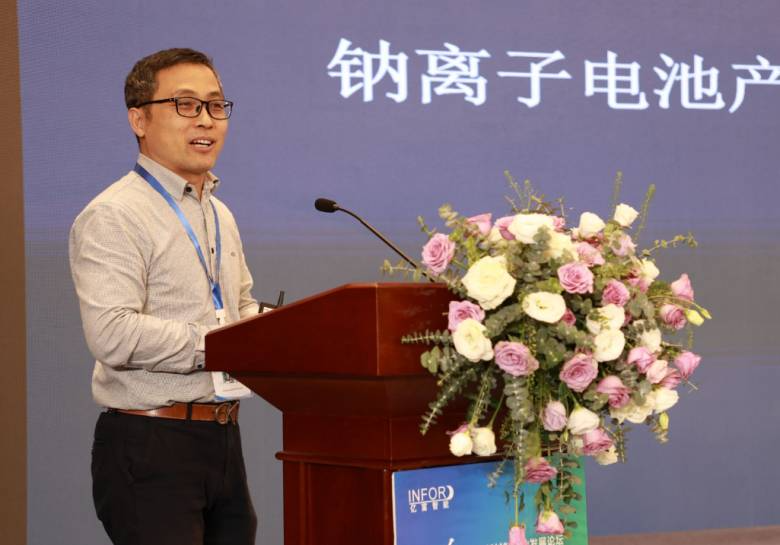
Professor Wang pointed out that energy storage is the most important application scenario of sodium-ion batteries and also its largest demand pillar. Large-scale energy storage systems have high requirements for safety, wide temperature range, long life and economy, which perfectly match the advantages of sodium electricity. Sodium electricity is not only intrinsically safe and resistant to low temperatures, but also has an extremely long cycle life and significant life cycle cost advantages. With the continuous implementation of benchmark projects, it is estimated that the penetration rate of sodium electricity in the energy storage field is expected to reach 13% by 2030.
Many institutions have given optimistic predictions about the future market size. Taken together, 2026 will be a critical growth period for sodium power shipments. In the long term, global sodium power shipments are expected to reach more than 500GWh by 2030, with huge market space.
Speech topic: Battery R&D and industrialization based on NFS sodium-ion battery cathode materials
Speaker: Liang Guangchuan, Professor of Hebei University of Technology
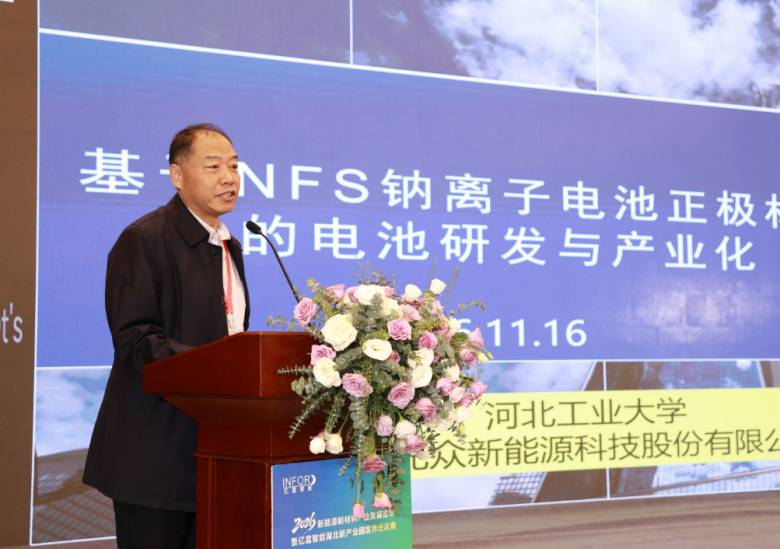
Professor Liang pointed out that sodium ferric sulfate (NFS) is the lowest-cost cathode route for sodium electricity. It has sufficient raw materials and low cost. The discharge curve is suitable for the three-power system. The industrial chain is basically complete, and the cost reduction potential is considerable. The sulfate system is an important direction for sodium electricity, with sufficient resources, low cost, and excellent voltage curve. However, the gram capacity and energy density are weak, and the process still needs to be iterated. It is expected that the production capacity will exceed 100,000 tons within 3 years. Its low-cost sodium electricity can replace lead-acid, floor-mounted two-wheel/three-wheel low-speed vehicles, forklifts, wheelchairs, agricultural and garden electric equipment.
Comprehensive Special Guest Speech
Speech Topic: Research and Development and Path Exploration of Sodium Solid-State Batteries
Speaker: Tang Yougen, Professor of Central South University
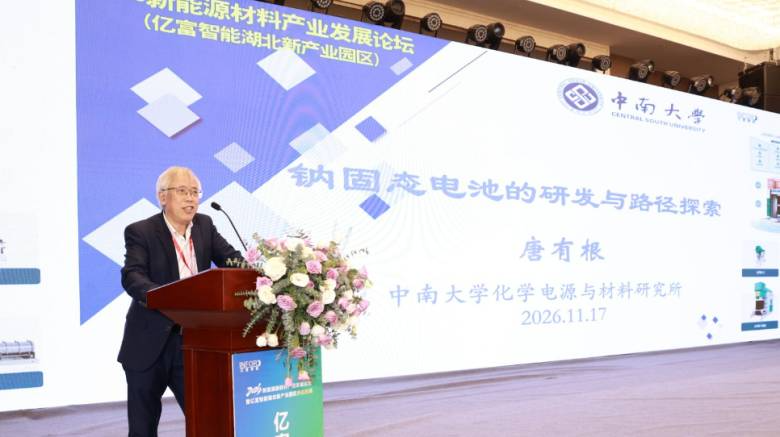
Professor Tang pointed out that solid-state sodium-ion batteries can achieve high energy density while ensuring high battery safety, and are the ultimate technical route for sodium-ion batteries. The key to the commercialization of solid-state batteries is the development of solid-state electrolyte systems that simultaneously have high room temperature ionic conductivity, high flexibility, high mechanical strength, and high electrode stability. Each type of sodium-ion battery positive and negative electrode materials has its own advantages and disadvantages, and performance optimization can be achieved through the design of composite materials. Continuously improving the solid-solid interface adaptability of electrodes, electrolytes and electrodes is a key scientific issue in the development of solid-state battery technology. Although solid-state sodium battery technology is still in its infancy, its advantages of combining high energy density with high safety make it have huge application potential in large-scale energy storage and hybrid and pure electric vehicles.
Speech topic: Research on PEO-based inorganic oxide ceramic solid-state electrolytes and their solid-state batteries
Speaker: Professor Liu Xingquan from the University of Electronic Science and Technology of China
Professor Liu said that it is feasible to use distiller's grains to prepare sodium-storage hard carbon anode materials, but using different types of distillers' grains and different preparation processes, the performance of the resulting materials varies. Among them, silver doping can improve the reversible specific capacity of hard carbon, but the improvement is limited, and the improvement effect on rate performance is more prominent; silicon doping can significantly improve the reversible specific capacity of hard carbon, especially the gain in cycle performance and high rate performance. After compounding hard carbon with NaFe₅O₈, the reversible specific capacity can also be significantly improved, but the improvement in cycle performance and rate performance is limited, but the rate capacity recovery performance is good. At the same time, by adjusting the treatment process of the distiller's grain precursor and the carbonization parameters, the sodium storage performance of the distiller's grain-based hard carbon can be further optimized. In addition, there are essential differences between sugarcane bagasse biomass-derived hard carbon and distiller's grains biomass hard carbon. The former's comprehensive performance is closer to that of asphalt-based hard carbon.
Speech topic: Lithium iron phosphate feeding and grinding process, process mechanism and equipment selection
Speaker: Liu Hanyun, General Manager of Xingchen Lithium Energy
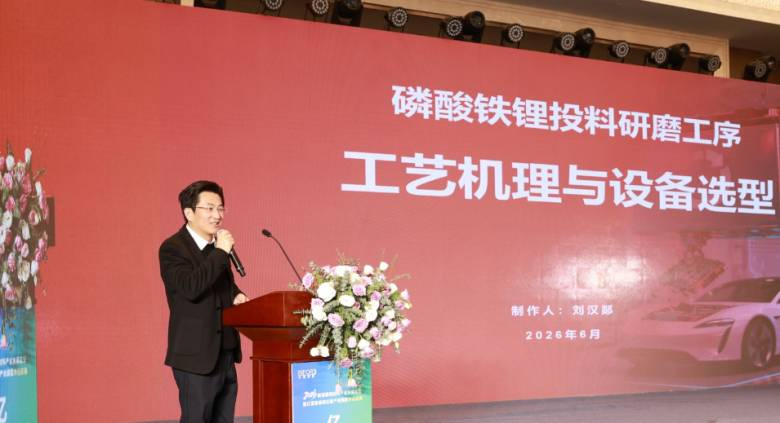
Liu Hanyun introduced in detail the working principle, process flow, process mechanism, quality control points and requirements, and the impact of the process on product performance at the scene. He also explained the equipment selection and selection ideas, and systematically sorted out the entire key content of the feed grinding process from process control to equipment matching.
Speech topic: Lithium battery recycling intelligent equipment and systems
Speaker: Beichen Advanced Recycling Technology (Qingdao) Technical Manager Feng Yi, PhD in Mineral Processing Engineering, China University of Mining and Technology
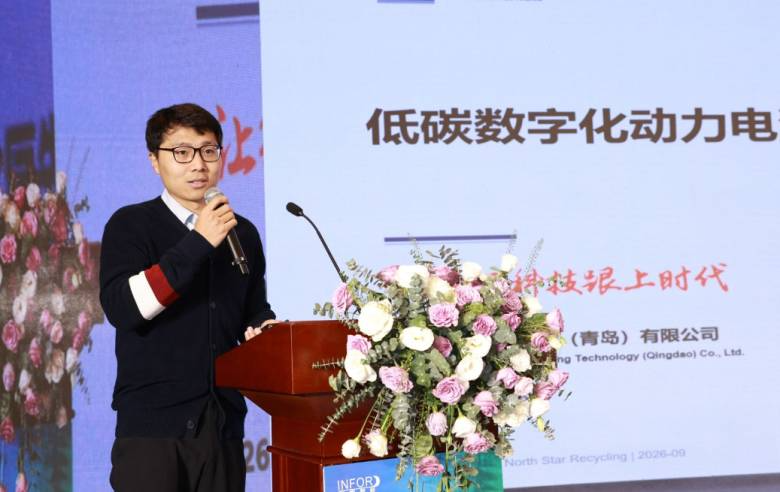
Feng YiThe technical layout, pretreatment process and advantages of the entire battery recycling process were introduced, with a focus on the safety and environmental risks of the pretreatment process. The differences in safety, environmental impact, energy consumption, and carbon emissions of different technical routes were compared. The hydrometallurgical process flow and corresponding advantages were also explained, and the technical solutions and green and low-carbon differences in battery recycling from front-end pretreatment to back-end hydrometallurgy were completely sorted out.
At this point, the 2026 New Energy Materials Industry Development Forum and the housewarming celebration of Yifu Intelligent Hubei New Industrial Park have come to a successful conclusion!
Thank you all for gathering in Gucheng. See you next time!
 English
 亿富机械
 +86-0769-85626082
 541476175@qq.com
 东莞市大岭山镇颜屋村莲颜路88号