Riding on the booming global new energy vehicle industry, India, a country with a huge population and a rapidly growing economy, is striving to make a mark in the field of new energy vehicles. In recent years, the Indian new energy vehicle market has shown a significant development trend, and has achieved certain results in terms of market scale expansion, strong policy support, active investment by local companies, and advancement of international cooperation. However, like the development of any emerging market, India's new energy vehicle industry also faces many challenges on the way forward.
From the perspective of market size, the Indian new energy vehicle market is growing rapidly. According to data from the Federation of Indian Automobile Dealers Associations, from fiscal year 2023 to fiscal year 2024, India’s electric vehicle sales will be approximately 90,000 units, nearly doubling compared to the previous fiscal year. Data from research firm Counterpoint Research shows that electric vehicle sales in India will almost double in 2023 and are expected to grow 66% in 2024, reaching 4% of total passenger car sales. It is expected that by 2030, Indian electric vehicles will account for nearly one-third of the Indian market. S&P Global Auto predicts that the share of electric vehicles in India will be 7.5% in 2025. Its 117% year-on-year growth shows the rapid expansion of the country's electric vehicle market. Although electric vehicles currently account for less than 3% of total passenger vehicle sales in India, the growth trend is obvious, showing the market's increasing interest in new energy vehicles.
The Indian government has played a key role in promoting the development of new energy vehicles and introduced a series of comprehensive and targeted policy measures. In terms of production incentives, the electric passenger vehicle manufacturing promotion plan to be implemented in 2024 requires companies to invest at least 415 billion rupees to achieve a local value-added rate of 25% within three years and increase to 50% within five years to accelerate the localization of the electric vehicle supply chain. Subsidy policies are also an important means for the government to promote the popularity of new energy vehicles. For example, the second phase of the FAME India plan has been implemented since 2019, with a total budget of 1,150 billion rupees, covering electric two-wheelers, three-wheelers, four-wheelers, electric buses and public charging stations, accelerating the popularity of electric vehicles. In terms of infrastructure construction, the PM electric drive innovative vehicle enhancement plan announced in 2024 has a total budget of 1.090 billion rupees to support the construction of electric two-wheelers, three-wheelers, trucks, buses and charging infrastructure, and upgrade vehicle inspection institutions; the PM electric bus service payment security mechanism launched in the same year has allocated 343.3 billion rupees to promote the deployment of more than 3. 80,000 electric buses, and a payment security mechanism has been established to ensure the operator’s capital flow. The Advanced Chemical Battery Manufacturing Incentive Program will be launched in 2021 with a total budget of 1,810 billion rupees. The goal is to build 50 gigawatt-hour power battery production capacity, strengthen the battery manufacturing ecology, and support industrial development. These policies provide comprehensive support for the development of the new energy vehicle industry from production, consumption, infrastructure construction to core battery manufacturing, and are committed to achieving the goals of reducing carbon emissions, reducing oil dependence, and improving the competitiveness of the manufacturing industry.
Local companies play an important role in the Indian new energy vehicle market, with Tata Motors performing particularly prominently. In the electric vehicle passenger car market, Tata Motors occupies a leading position, with its market share reaching 62.01% in 2024. Models such as Tiago.ev, Tigor.ev, Punch.ev, Nexon.ev and Curvv.ev launched by Tata have been welcomed by the market. Another local car manufacturing company, Maruti Suzuki, is also stepping up construction of factories to prepare for the launch of electric vehicles. In addition, India has a well-developed software outsourcing business. It has a large-scale and relatively mature software development industry and talent pool, and has certain advantages in the development of intelligent driving-related software. As early as 2014 or even earlier, large international automobile suppliers such as Bosch and Continental have placed their software development business for assisted driving technology in India. Local companies such as Tata Elxsi, KPIT, and Wipro have also undertaken some software development outsourcing business.
International cooperation and the introduction of foreign investment have injected new impetus into the development of India's new energy vehicle industry. Vietnamese electric car manufacturer VinFast officially broke ground on its comprehensive electric car factory in Tamil Nadu, southern India, and South Korea's Hyundai Motor announced that it will invest 200 billion rupees in Tamil Nadu, India over 10 years. Tesla is also making moves in the Indian market, and its first Indian showroom has opened in Mumbai. Chinese new energy companies have also entered the Indian market through cooperation with local Indian companies. For example, BYD has cooperated with Indian private enterprise infrastructure giant Mejia Company to build a car manufacturing plant worth US$1 billion; Guoxuan Hi-Tech has established a cooperative relationship with Tata Motors.
Although the Indian new energy vehicle market has achieved certain development, it still faces many challenges. In terms of core technology, battery manufacturing is a major shortcoming. India relies heavily on imports of battery raw materials. It lacks large reserves of key minerals such as lithium, cobalt and nickel that are crucial to battery production, and also lacks corresponding mining and reserve experience. This results in high battery costs and difficulty in meeting the large mineral demand required for the development of the electric vehicle industry in a short period of time. At present, the unit price of power batteries in India is about 30% higher than that in China. The price of ternary lithium batteries in China is about US$90 per kilowatt hour, while in India it is about US$120. Although India is actively searching for minerals around the world. For example, the state-owned enterprise KABIL has obtained the mining rights of five mining areas in Argentina and is seeking to invest in Australian lithium mining projects. However, it is difficult to change the situation of battery import dependence in the short term.
Inadequate infrastructure construction is also a prominent problem. By the end of 2024, there will be a total of 25,000 charging points in India, but the number suitable for cars (four-wheelers) should be less than this. According to "The Hindu", as of March 2024, there are 12,146 car charging piles in India. Based on the estimated sales of electric vehicles in recent years, the number of pure electric vehicles in India is about 230,000, and the vehicle-to-pile ratio is about 20:1. The number of charging piles is far from meeting the needs of future electric vehicle development, seriously affecting consumers' willingness to purchase. In addition, the stability of India's power grid is insufficient, and power supply is unstable in some areas, which also causes problems for the normal operation of charging piles and the use of new energy vehicles.
There are also challenges in market acceptance. Indian consumers are more price-sensitive. Currently, it is generally cheaper to buy traditional fuel vehicles than electric vehicles, which puts expensive electric vehicles at a disadvantage in market competition. Moreover, due to the short duration and limited intensity of government propaganda, many target consumers have insufficient understanding of the benefits and operation methods of electric vehicles and have low willingness to purchase them. Although India's new energy vehicle market has developed rapidly in recent years, to achieve the goal of becoming the world's largest producer of electric vehicles, it still needs to make huge efforts in technological breakthroughs, infrastructure construction, market cultivation and other aspects.
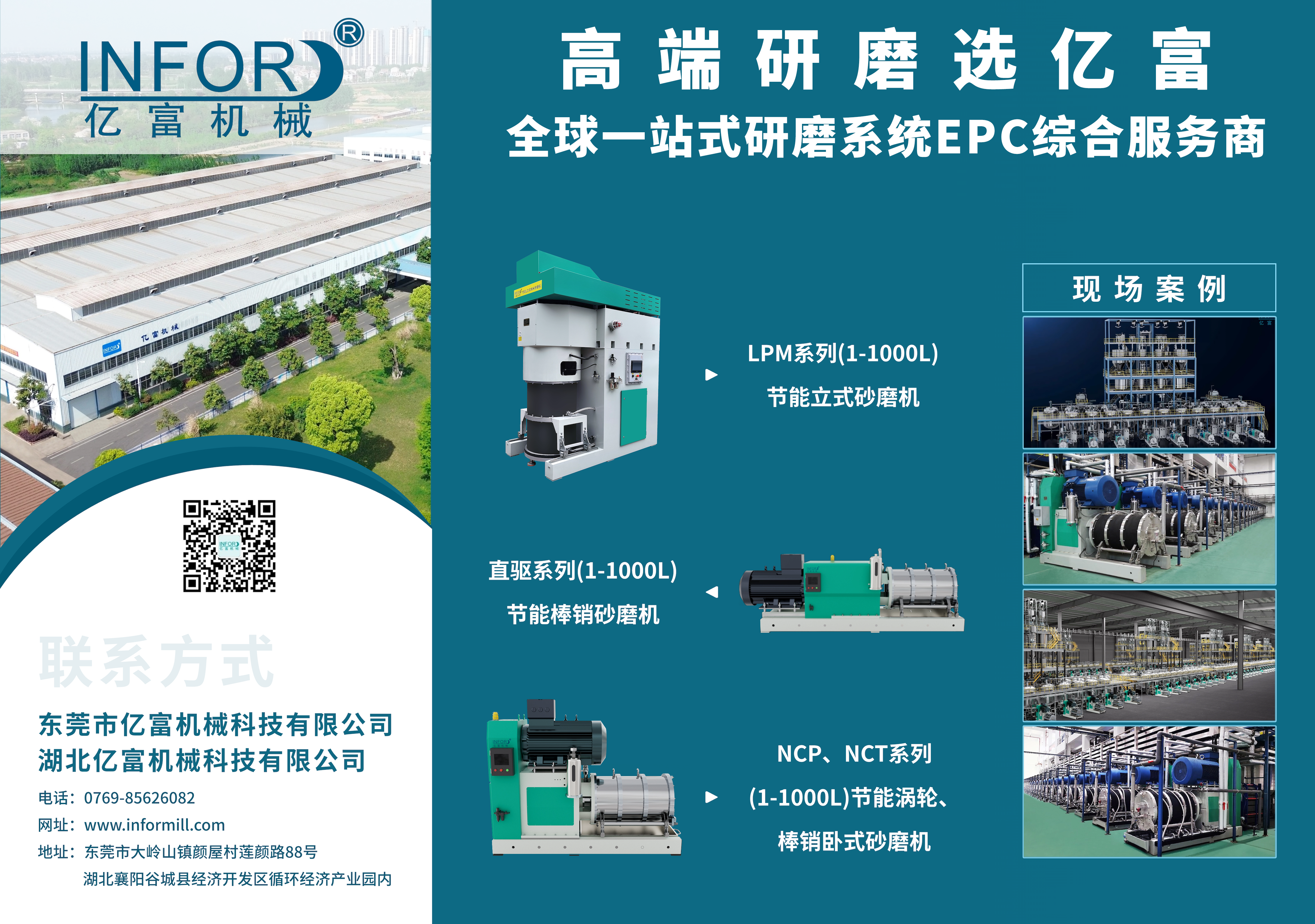
As a potential consumer country, the future development potential of new energy vehicles in India cannot be underestimated. Yifu is also actively expanding into the Indian market and has established cooperation with many institutions. At the same time, the 2025 India International Battery Energy Storage Expo will be held on October 30. We will also arrange a booth at the exhibition site to display advanced sanding technology in the Indian market and pave the way for the future development of the Indian market. Friends who are interested, please join us!

 English
 亿富机械
 +86-0769-85626082
 541476175@qq.com
 东莞市大岭山镇颜屋村莲颜路88号