Morocco has more than 70% of the world's phosphate reserves, is close to Europe, and has abundant free trade agreements. It has become the core raw material base for phosphorus-based cathode materials exported to Europe. If Indonesia is the "battery material base on nickel ores", then Morocco is the "phosphorus material hub on phosphate ores."
In the past two years, bilateral trade between China and Morocco has exceeded 10 billion. In 2025, the total bilateral trade volume will climb to 10.96 billion U.S. dollars, and China’s exports to Morocco will be nearly 9.9 billion U.S. dollars. More importantly, these tens of billions of trade bills have long been dominated by low-end consumer goods. Industrial products such as production line equipment, lithium battery raw materials, and electrical automation systems have become the main imports - marking that China's lithium battery supply chain has officially taken root in North Africa.
1. Basic geography: Guarding Gibraltar, Europe’s first choice for “near-coast”
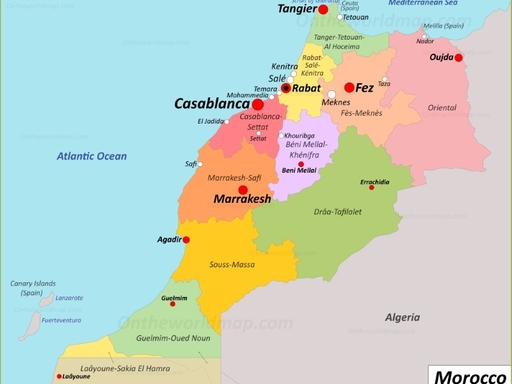
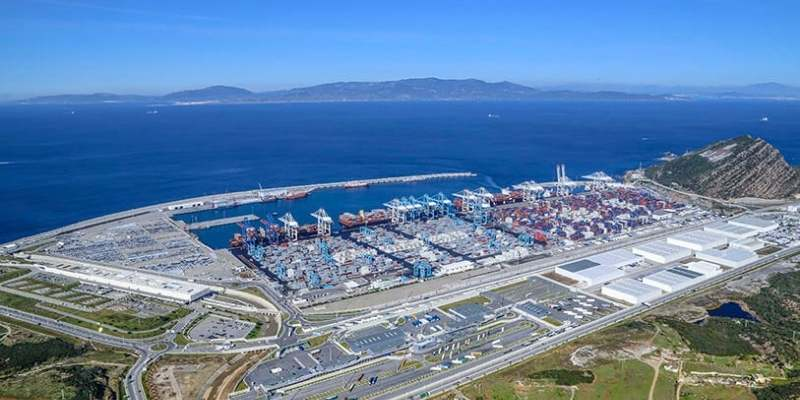
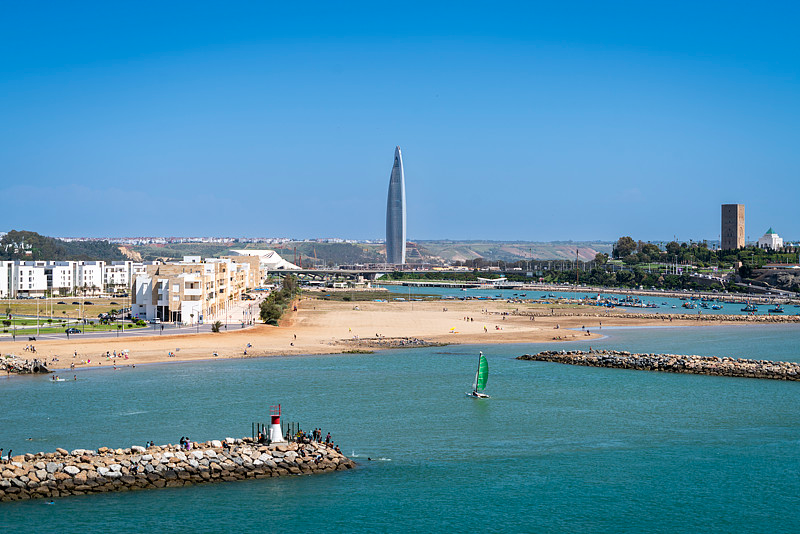
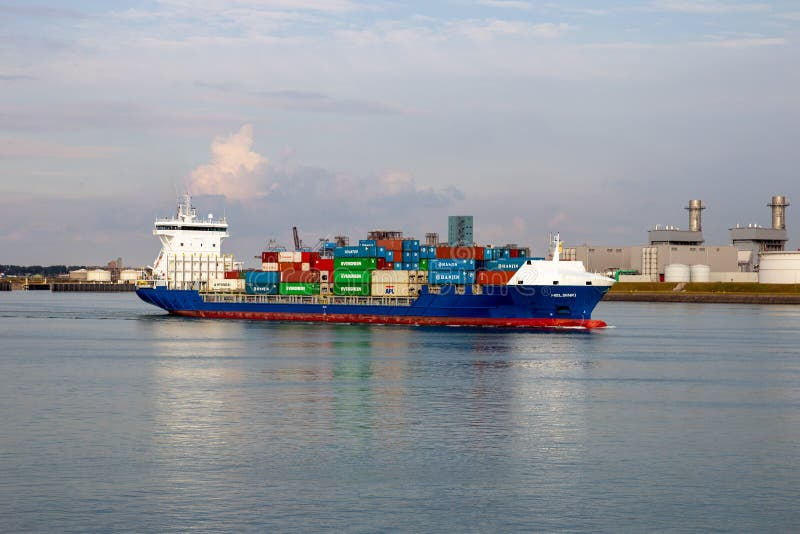
Morocco is located at the northwest tip of Africa, guarding the Strait of Gibraltar, and is only more than ten kilometers away from Spain. The land area is about 459,000 square kilometers, mainly mountainous and desert. Tanger and Jorf Lasfar are core industrial areas for lithium battery materials. Tanger Med Port (Tanger Med) is Africa's largest and one of the most efficient cargo ports in the world. Its container throughput in 2025 has reached 11.1 million TEU, ranking 17th in the world, and connecting more than 180 ports. Goods depart from Tangier and can be transported by sea to southern European ports within one day - this location advantage makes Morocco the most ideal "near-shore extension platform" for the European industrial system.
2. Population and demographic structure: There is sufficient young labor force, and high-end talents still need to be introduced
Morocco has a total population of approximately 37.71 million, the population structure is young, and the labor supply is sufficient. The literacy rate and industrialization foundation are leading in North Africa. The automobile and chemical industries are mature and can be used to support the lithium battery material production line. However, high-end electrochemistry and powder R&D talents still need to be introduced from outside.
3. Economic data: At the forefront of Africa, with steady growth
Morocco’s nominal GDP in 2025 will be approximately US$165.8 billion. According to data from the Moroccan Advanced Planning Agency, GDP will reach 1.72 trillion dirhams (approximately US$19 billion) in 2025. Backed by rich phosphate rock resources and geographical advantages close to Europe, the country is strongly attracting investment in lithium iron phosphate, precursors, and cathode and cathode materials. Relying on the 50+ Free Trade Agreement, products can easily enter the EU market - except for some agricultural products, industrial products originating in Morocco enjoy zero tariff treatment when entering the EU. Morocco also has a free trade agreement with the United States and enjoys dual free trade policy dividends.
4. Industrial foundation: Phosphate rock is the core, and the LFP cathode raw material base is taking shape
Morocco's core logic is very clear - phosphate rock resources are king and the LFP cathode raw material base for export to Europe.
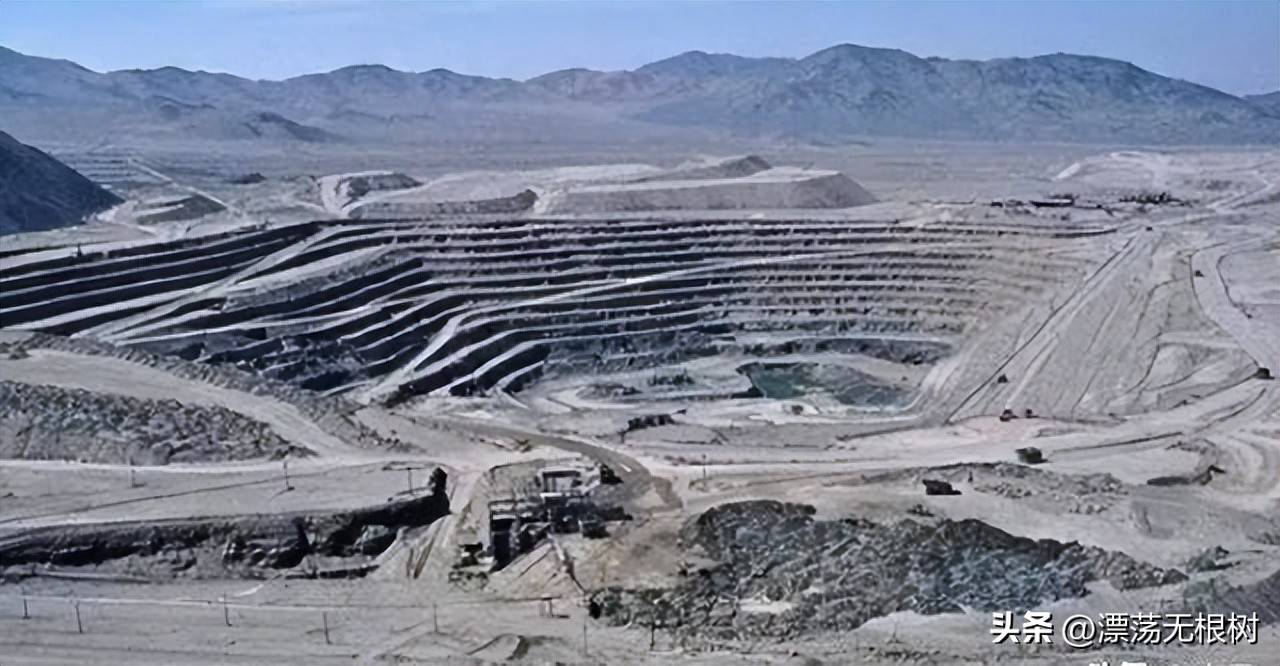
Core advantage one: Global monopoly on phosphate reserves. According to USGS data, Morocco's phosphate rock reserves will be approximately 50 billion tons in 2025, accounting for 68% of global reserves. Some institutions estimate it to be as high as 73%-75%. Moroccan Phosphate Group (OCP) is the world's leading phosphate rock, with a mineral product level of 33%, much higher than China's 16.85%. Whoever controls the phosphate rock holds a key to the voice of LFP batteries.
Core Advantage 2: Near-European Export Channel + Free Trade Agreement. A large number of free trade agreements make Morocco an ideal springboard for circumventing European tariff barriers.
Core advantage three: leading companies gather together to implement. Guoxuan Hi-Tech, COBCO (a Sino-Moroccan joint venture), BETRI, Zhongwei Co., Ltd., Tianci Materials, Hailiang Co., Ltd., etc. have concentrated on precursor, LFP cathode and anode projects. The demand for powder processing and wet grinding equipment is exploding.
The shortcomings are equally clear: lack of lithium, nickel, and cobalt resources; high-end electrochemical research and development is weak, and supporting precision equipment, auxiliaries, and pharmaceuticals are dependent on imports; local chemical supporting facilities are still under construction, and the production line supply chain must plan in advance supporting import plans.
5. Living habits and business culture: European standard system, long-termism
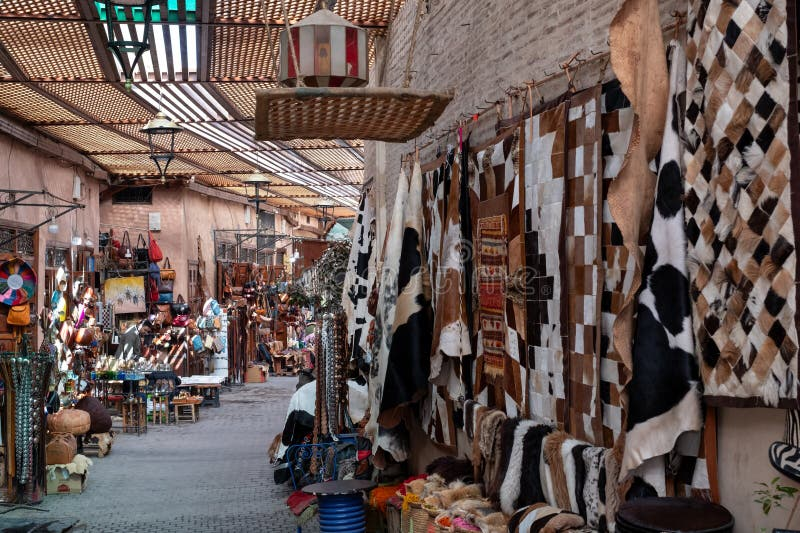
Morocco has an Arab + North African culture. At the same time, it has long been connected with European foreign investment, and its business system is biased toward European standards. Pay attention to long-term cooperation, local partners, and endorsement from the Government Investment Authority. The pace of work is medium, and the cycle of environmental impact assessment, industrial land, and mining cooperation is relatively long. Contract awareness has gradually improved, and contracts for large-scale foreign-invested projects have been standardized.
6. Business characteristics (focus on overseas expansion, benchmarking differences between South Korea/Indonesia/the United States)
1. Resources + tariff dividends near Europe are the core chips. Customers are most concerned about the stable supply of phosphate rock and the tariff channel for finished products to enter Europe.
2. Priority will be given to connecting with OCP Phosphate Group, Investment Agency and Free Trade Zone. The ability to lock phosphorus resources directly determines the success or failure of the project.
3. The verification system takes into account European standards. When products are ultimately exported to Europe, REACH, EU battery regulations, and traceability requirements must be considered in advance. What needs to be clarified is that the Moroccan channel is not an "OEM shortcut" to avoid tariffs - Europe and the United States are increasingly stricter on the origin, processing procedures, and local value-added ratio of export products from third places. Only by realizing the implementation of truly localized production capacity can we take root in the market for a long time.
4. Joint venture and local cooperation models are more popular. It is more difficult for a purely foreign-owned company to obtain ore and build a material factory.
5. Opportunities for powder equipment are concentrated in LFP cathode and precursor production lines. Customers focus on particle size control and continuous and stable mass production.
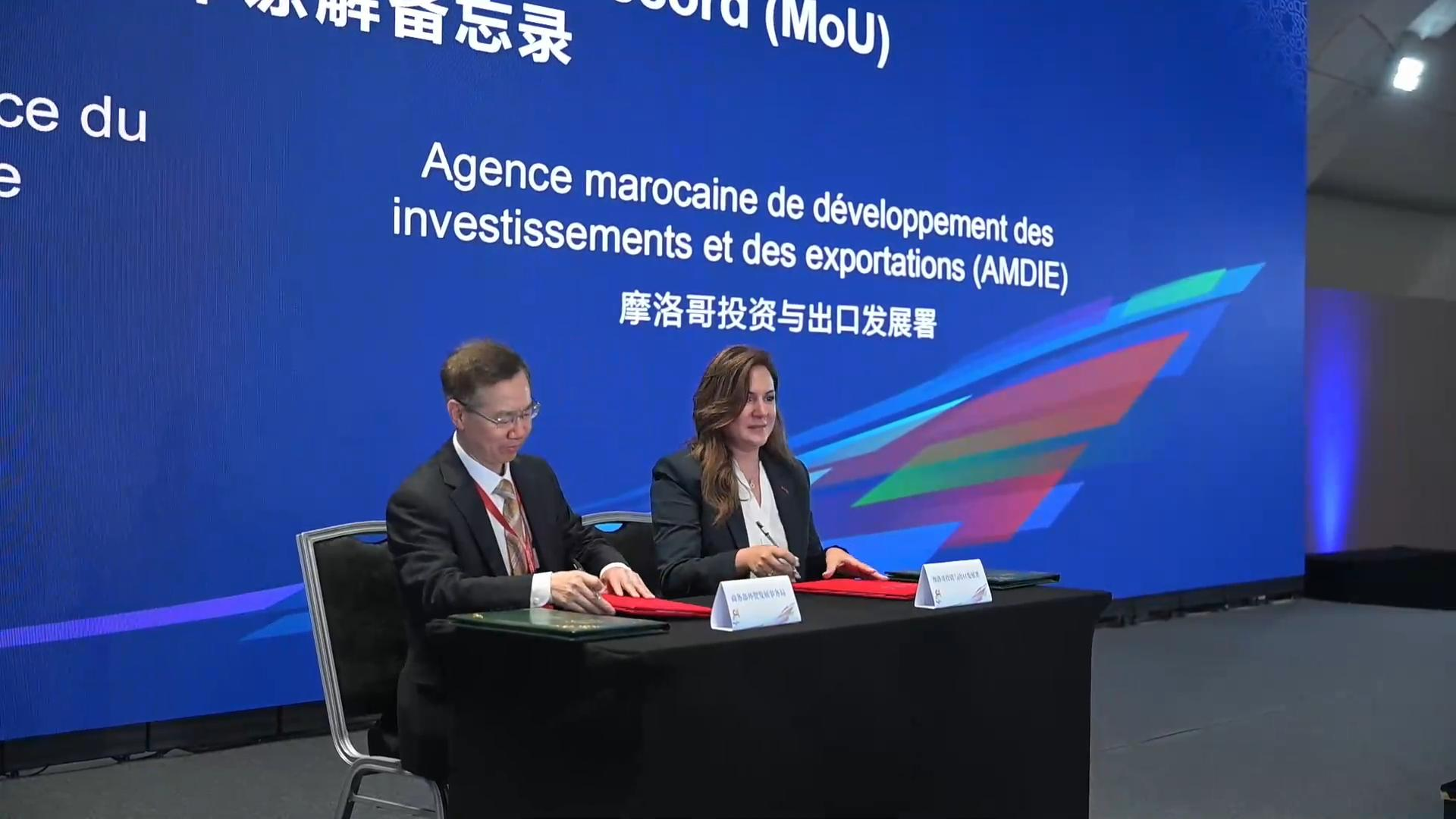
7. Morocco’s new energy giants & leading industrial chain companies
Main players in Chinese-funded lithium battery materials (incomplete statistics):
· Guoxuan Hi-Tech: Constructing Africa's first EV battery super factory in Kenitela, the first phase is planned to be 20GWh, and the long-term can reach 100GWh, with a total investment of up to 6.5 billion US dollars. It is expected to be put into production in the third quarter of 2026
· COBCO (Sino-Morocco joint venture): Started the production of key components of lithium ion batteries in Jerada, with a total investment of approximately US$2 billion, and the annual production capacity can support approximately 1 million electric vehicles (70GWh)
· Betri: Investing in a lithium battery cathode material project with an annual output of 50,000 tons in Tangier Science and Technology City, planning to put it into production in 2026
· Zhongwei Co., Ltd.: Cooperating with ALMADA to promote an annual output of 120,000 tons of ternary precursors and supporting projects
· Tianci Materials: Investing approximately US$280 million to build an integrated electrolyte production base with an annual output of 150,000 tons
· Hailiang Co., Ltd., Zhongke Electric, Shangtai Technology, etc. have also announced their layout in Morocco
Local core resources:
· OCP (Moroccan Phosphate Group): The world's leading phosphate rock, it is accelerating its green transformation and has launched a photovoltaic power station with a total installed capacity of 202 MW, aiming to achieve 100% green electricity coverage in 2027
International car companies/batteries:
· Renault and Stellantis: combined annual production capacity of approximately 700,000 vehicles, leading to the formation of a relatively complete parts supply system
· LG Chem: Cooperating with Yahua Group to invest in a lithium refinery in Morocco, with the first phase of US$550 million
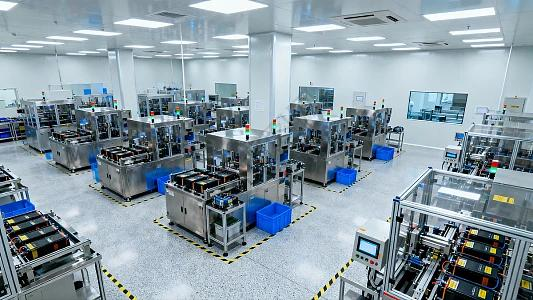
Jerada and Tangier Parks focus on planning precursor, LFP cathode, and anode production capacity, which is the most concentrated lithium battery material cluster in Africa.
8. Market Summary:
Morocco is a North African material base with a monopoly on phosphate rock resources, clear export channels near Europe, and rapid growth in LFP cathode/precursor production capacity.
Morocco’s core logic is not to build the local terminal electric vehicle market (annual new car sales are only about 160,000-200,000 units) – but to rely on phosphate rock + free trade agreement to become a hub for supplying lithium iron phosphate materials to Europe. The demand for wet grinding, powder dispersion, and precursor synthesis equipment is very certain. If you want to break into the European LFP supply chain, Morocco is a layout point of great strategic value.

 English
 亿富机械
 +86-0769-85626082
 541476175@qq.com
 东莞市大岭山镇颜屋村莲颜路88号