Many people will question, if this APEC summit is held in Shenzhen, what will Shenzhen mean after the meeting. In the past, everyone labeled it as a capital of science and technology innovation, a manufacturing center, a foreign trade port, and the core engine of the Guangdong-Hong Kong-Macao Greater Bay Area. The APEC leaders' meeting held in Shenzhen this time is equivalent to pushing Shenzhen from "domestic industrial window" to "Asia-Pacific level economic and trade dialogue hub". 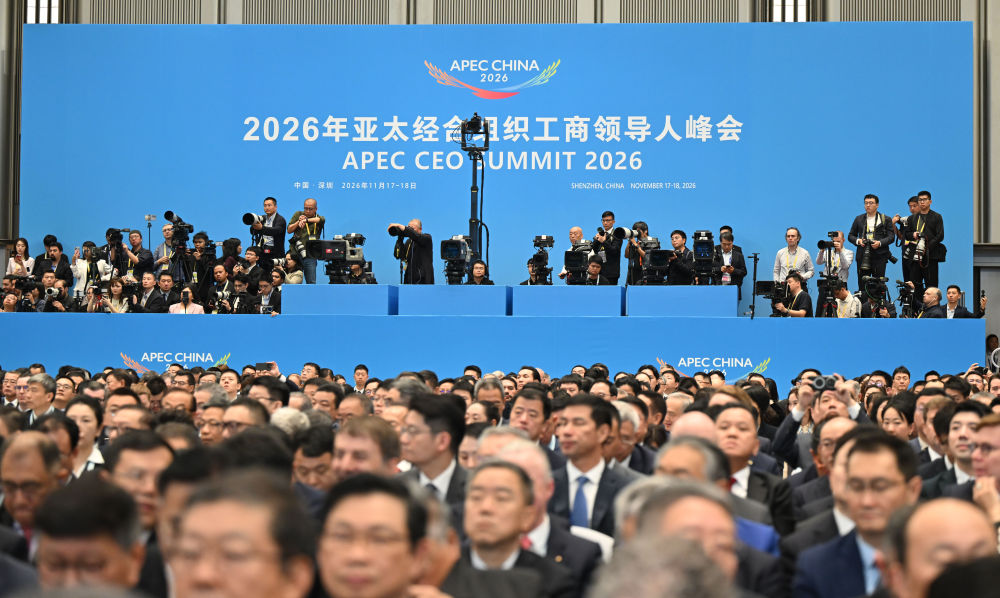
Political and business representatives from 21 economies were present. Instead of simply convening the meeting and then leaving, it turned Shenzhen into a physical living room for Asia-Pacific supply chain, green energy, and digital economy issues. When talking about Asia-Pacific cooperation in the future, Shenzhen is no longer just the starting point, but the discussion table itself.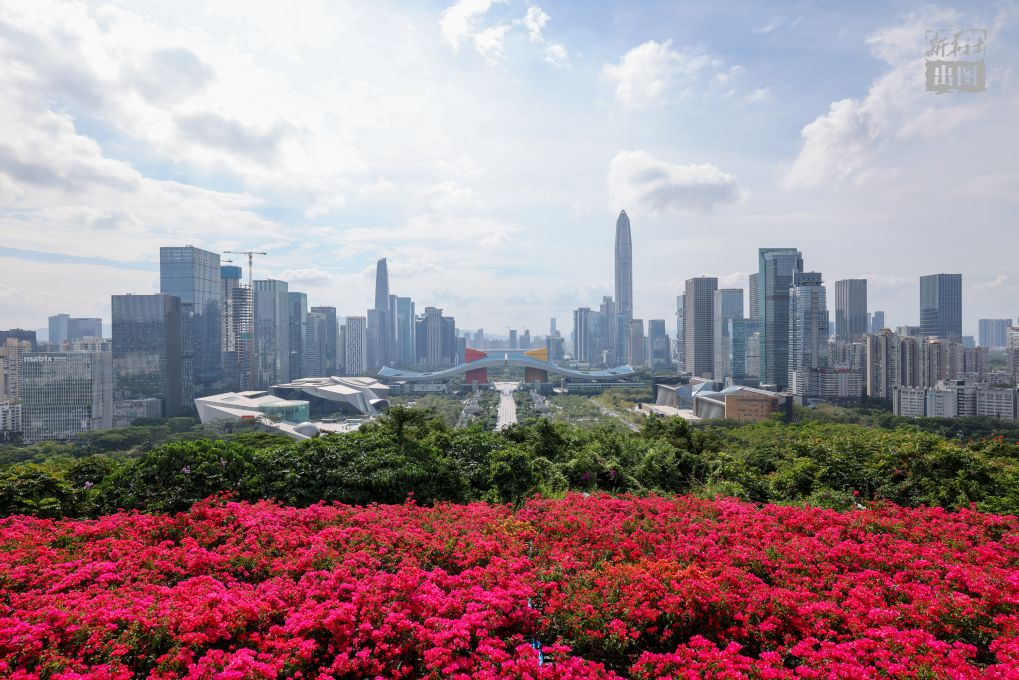
The first level of change is the upward shift in the voice of diplomacy and industry.
APEC is the highest-level and broadest economic cooperation mechanism in the Asia-Pacific. In the past, major home diplomacy was mostly held in Beijing and Shanghai. This time it was held in Shenzhen. The significance is that the country has set up a model room for "how advanced manufacturing can communicate with the world" next to the workshop. It took Shenzhen more than 40 years to complete the entire process of industrialization, digitization, and greening, which itself is a replicable example of industrial upgrading. After the meeting, China announced the establishment of the Asia-Pacific Community Research Center in Shenzhen. In the future, policy research, mutual recognition of standards, clean energy and small and medium-sized enterprise cooperation institutions will continue to accumulate. Shenzhen will transform from a "seen city" to a "referenced system."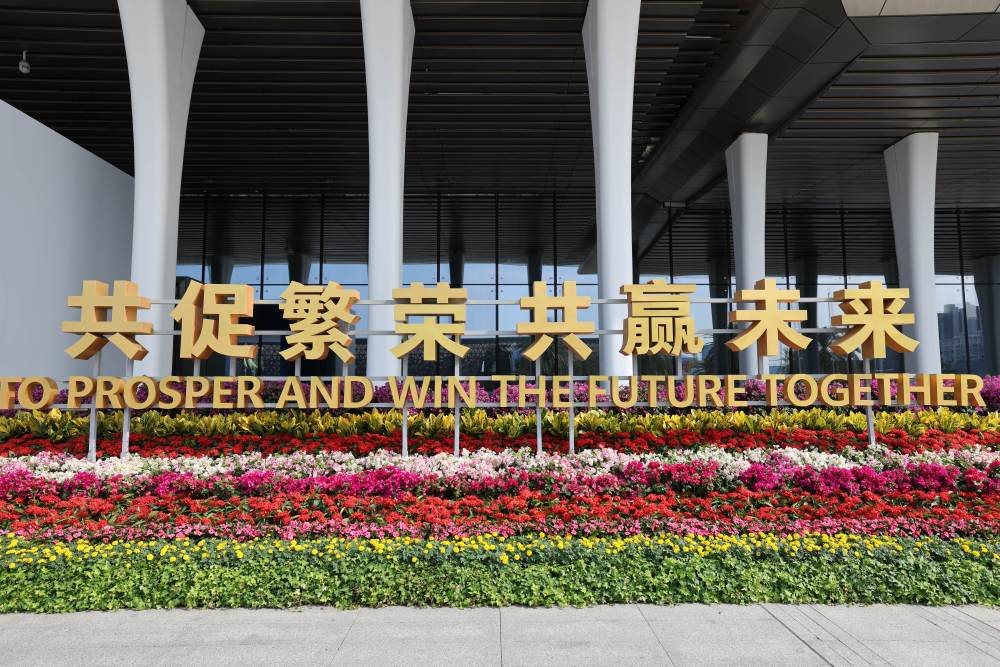
The second level of change is that the value of the Asia-Pacific supply chain hub has been truly strengthened.
Shenzhen is backed by Hong Kong and Macao, and Yantian Port, Baoan Airport, Qianhai Rules Pilot, cross-border finance and cold chain logistics are all online. APEC emphasizes smart customs, paperless trade, cross-border payments, and stable industrial chains. These abstract consensuses have reached Shenzhen, which means that overseas customers have a shorter path to come to China to source, inspect factories, and sign framework agreements. For those of us who make new energy materials and grinding and dispersing equipment, if customers from Southeast Asia, Japan, South Korea, Australia, New Zealand, and Latin America look for Chinese production lines in the future, their first stop will most likely be Shenzhen: first look at the scene, then enter the workshop, and then discuss compliance and delivery together. Shenzhen has become a bridgehead for business exchanges in the Asia-Pacific. It is not a concept, but a line of movement.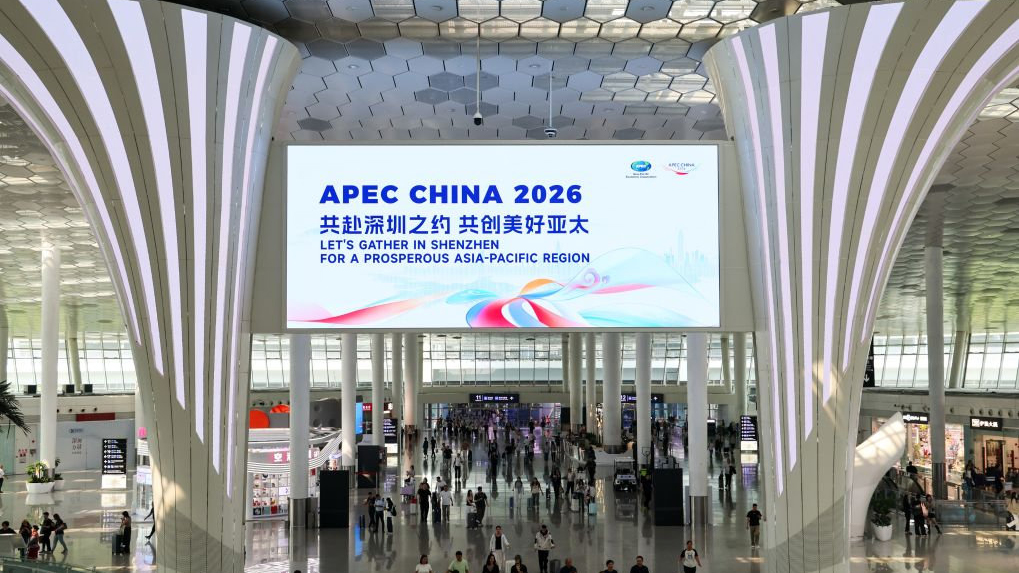
The third level of change is that the main line of green and AI has pushed Shenzhen to a high standard.
The two main themes of this meeting are very clear: digital economic innovation and green and low-carbon transformation. Shenzhen already has a complete cluster of new energy, computing power, optoelectronics, and smart equipment. Superimposed on the consensus on green trade rules, carbon footprints, and key mineral collaboration in the "Shenzhen Initiative", subsequent carbon emission audits, mutual traceability recognition, and smart manufacturing maturity assessments in the Asia-Pacific region will first meet standards here. This is a good thing for enterprises - the information gap has become smaller. We don’t have to wait for customers to come over with European templates. We can align the green regulations of Asia-Pacific countries in advance in Shenzhen and clean up the energy consumption ledger and process data first.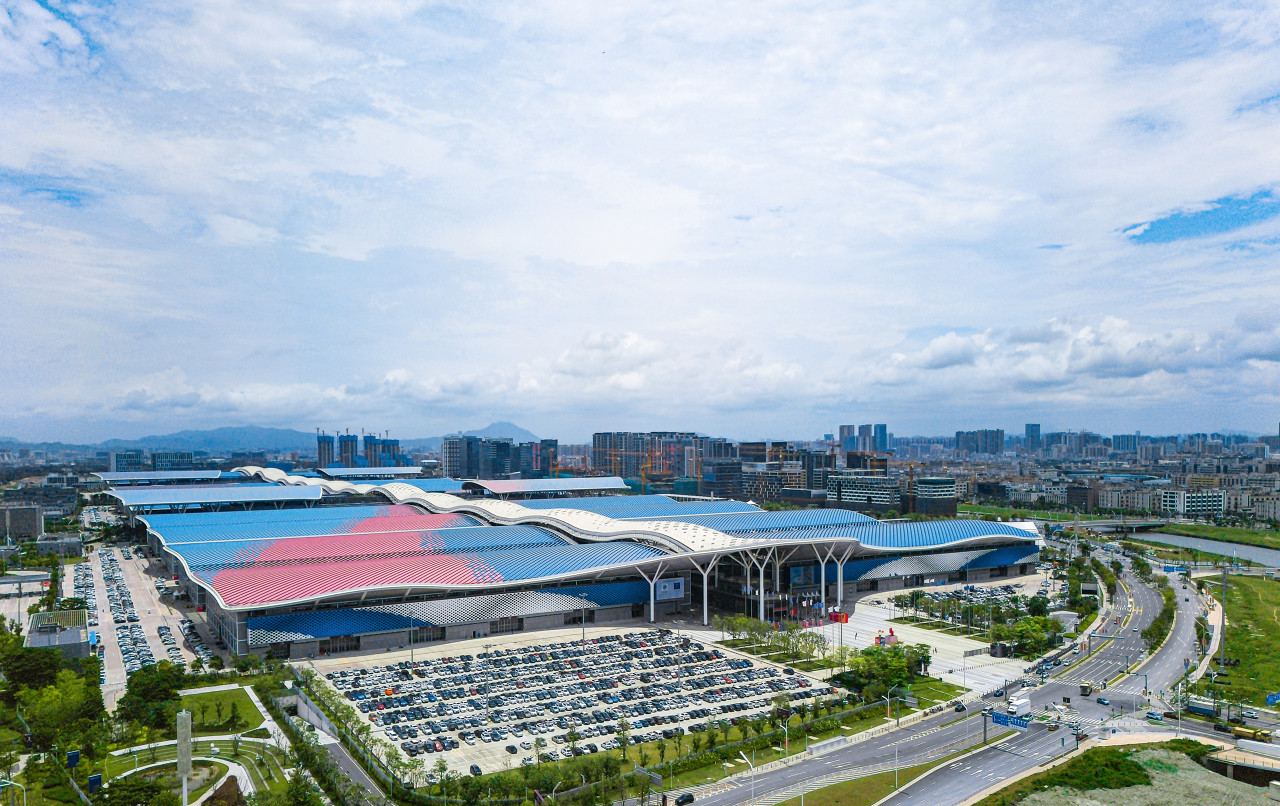
But we must also look at it rationally. Shenzhen is not going to achieve success in one fell swoop, nor is it trying to replace anyone.
Shanghai is more focused on finance and foreign investment headquarters, Hong Kong is more focused on international free ports and regulatory interfaces, and Shenzhen’s focus is on the implementation of advanced manufacturing, technological innovation transformation, and industrial chain docking. After APEC, the three cities are dislocated and complementary, not a zero-sum competition for position. At the same time, the meeting is a consensus platform, and policies will not be flooded the next day. Certification, environmental impact assessment, localization rate, and rules of origin will also not be lacking. The dividends are more reflected in business traffic, international exposure, information pre-positioning and trust endorsement. Enterprises have to shoulder the hard work themselves. 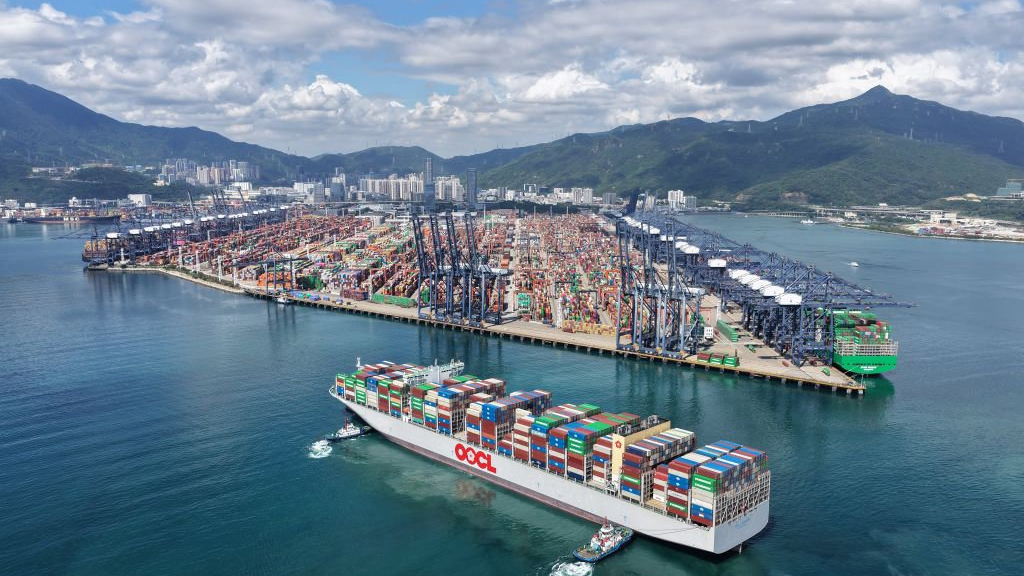
Take it back, For smart equipment companies going global, the benefits of redefining Shenzhen’s status are very specific:In the future, when talking about "Chinese craftsmanship" to overseas customers, there is no need to explain the context from scratch. Shenzhen itself is the context. When customers see robots, energy storage, low-altitude economy, and smart production lines in Shenzhen, and then enter our grinding and dispersion system, the cost of trust will be much lower.
In the past, Shenzhen was the "starting point for China's manufacturing going global." After APEC, Shenzhen is a cutting-edge platform for Asia-Pacific industrial chain dialogue, supply and demand docking, and standards coordination. The wind comes from the Pacific and the ship starts from Shenzhen Bay. What we have to do is to steadily connect production line stability, energy consumption transparency and local services to this reconnecting network.

 English
 亿富机械
 +86-0769-85626082
 541476175@qq.com
 东莞市大岭山镇颜屋村莲颜路88号