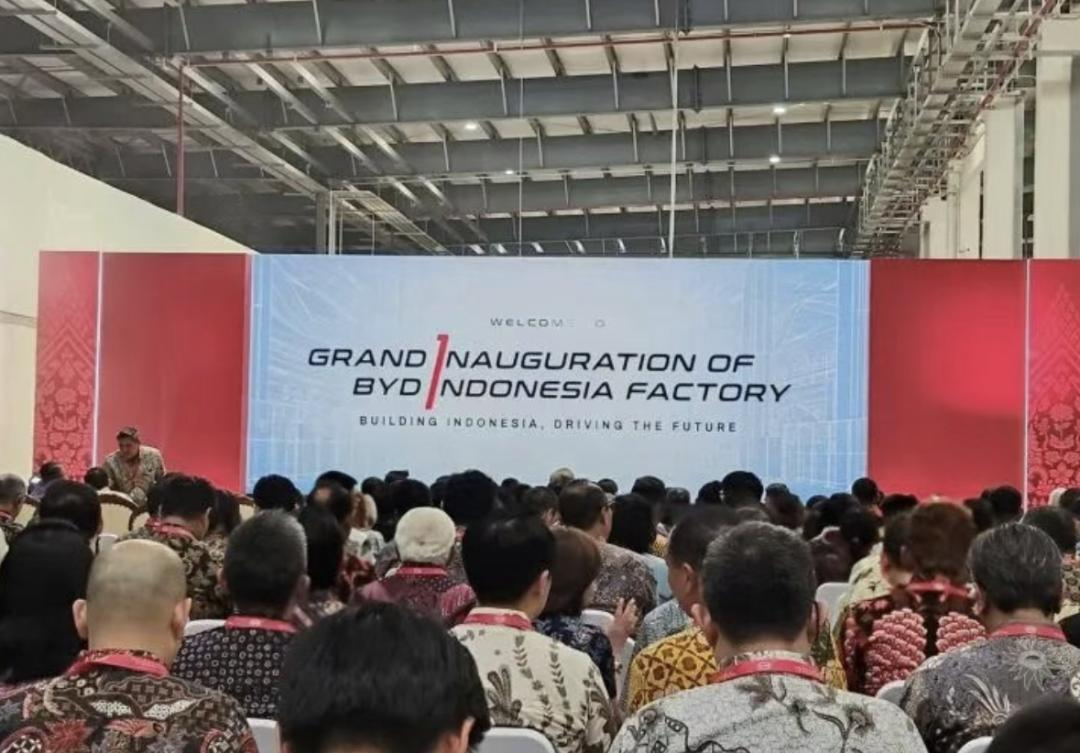
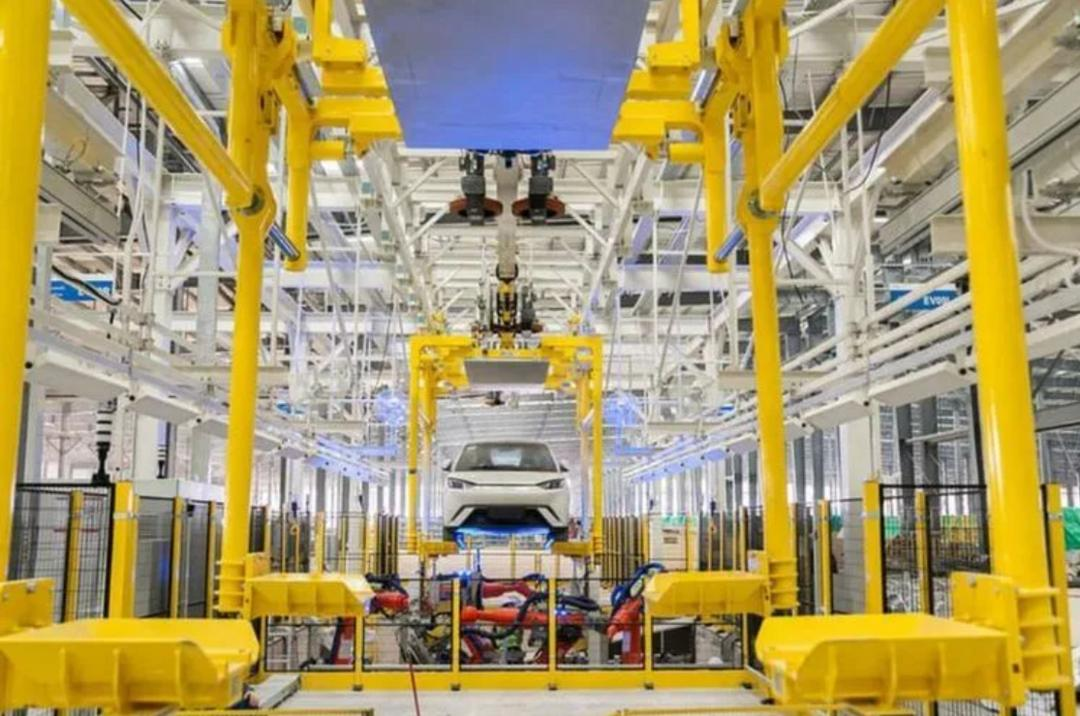
On September 3, 2026, BYD Indonesia's factory was officially unveiled in the Subang Intelligent Industrial Park in West Java Province. A 126-hectare factory area, an investment of approximately 4.4 billion yuan, an annual production capacity of 150,000 vehicles, 5,000 local employees, and a full production capacity of nearly 20,000 people - this set of data itself is enough to explode.
But after watching the ceremony, those who really know what they remember will not remember "BYD has built a factory", but the "localization bill" handed over by the Indonesian government: What Indonesia wants is not "Chinese cars sold in Indonesia", but "Chinese cars made in Indonesia", and the parts and components must also be made in Indonesia.
In the past two years, BYD has relied on the import of complete vehicles to increase its sales in Indonesia. However, after the tax exemption for complete vehicle imports expires at the end of 2025, the old dividend will be withdrawn and local manufacturing will take over. This production launch is not the opening show of a car company, but the starting gun for the second half of Southeast Asia's new energy industry.
1. Basic Geography: A Thousand Island Country with “Nickel King” Resources
Indonesia is located in Southeast Asia, with more than 17,000 islands spread across the equator. It is the world's largest nickel producer, accounting for more than 20% of the world's nickel reserves - and nickel is the absolute lifeblood of ternary batteries and Indonesia's battery strategy. With a population of about 280 million, it ranks first in ASEAN and fourth in the world. Its labor force is young and its wages are lower than those in coastal China. However, skilled craftsmen and equipment engineers in the field of new energy materials are also scarce.
The tropical rainforest and island climate bring on-site environments of high temperature, high humidity, and large fluctuations in the power grid, which determines that new energy production lines cannot simply "copy Chinese factories", but must re-adapt processes. With resources in hand, a young enough population, and a big enough market, Indonesia does not want to be just a "mining country". What it wants is to turn resources into a voice in the industrial chain.
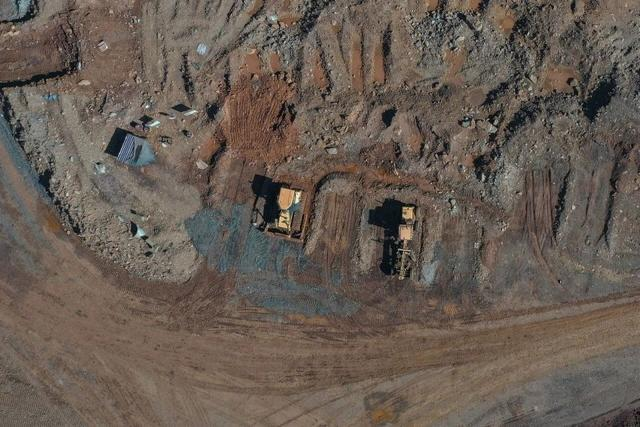
2. Industrial foundation: From selling nickel ore to making batteries, the chain is moving downwards
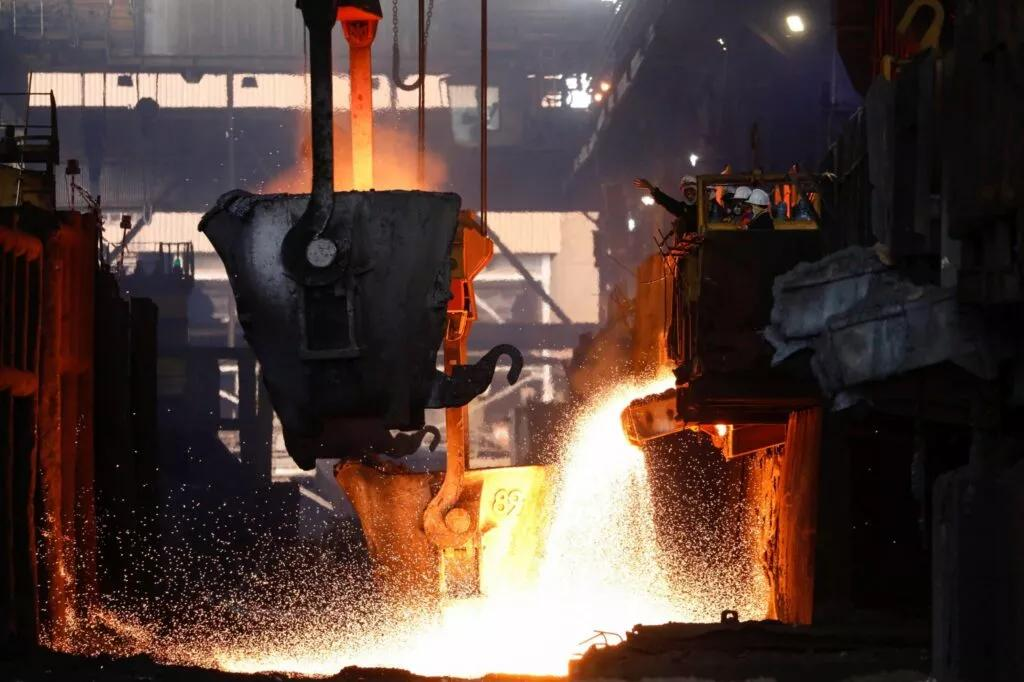
Global nickel supply is highly dependent on Indonesia. The expansion of laterite nickel, wet intermediates, stainless steel and battery nickel has given Indonesia the confidence to shut down "raw ore exports" and write "downstream (Hilirisasi)" into its national policy. Nickel ore-ferronickel-MHP-precursor-positive electrode-battery core-complete vehicle-recycling, the further downstream this chain goes, the more tax revenue, employment, and technology retention will be.
BYD’s automobile factory is just a ship on the water. Under the water is Indonesia’s national logic of exchanging resources for industry and using the market for depth. The resources are in the hands of Indonesia, and the upstream materials are Chinese-funded. The battery cells are from China and South Korea, and the complete vehicle is a melee of Chinese-funded + Japanese + Korean products. BYD's Subang factory covers the four major processes of stamping, welding, painting, and final assembly. The M6 EV/M6 DM/Atto 1 has rolled off the production line locally, marking its transition from "products going overseas" to "production capacity going overseas." But the end point in the eyes of the government is not the vehicle manufacturer, but the previous string of material links - the car is the terminal, and the material is the chassis.
3. Behind the start of production: The president did not come, but the "account collector" came
President Prabowo, who was originally scheduled to attend, was absent due to forest fires and other official duties. Instead, Industry Minister, National Economic Council Chairman Luhut, and West Java Governor took the stage. The specifications are not low at all, and the signal is more straightforward:
Indonesia welcomes car companies, but it no longer accepts the old model of "shipping parts to assemble, taking away profits, and leaving jobs behind".
A timetable known as the "localization bill" is spread out:
- 2026: local parts and components account for ≥40%
- 2027-2029: Increase to 60%
- 2030: The localization rate of vehicle parts is 80%
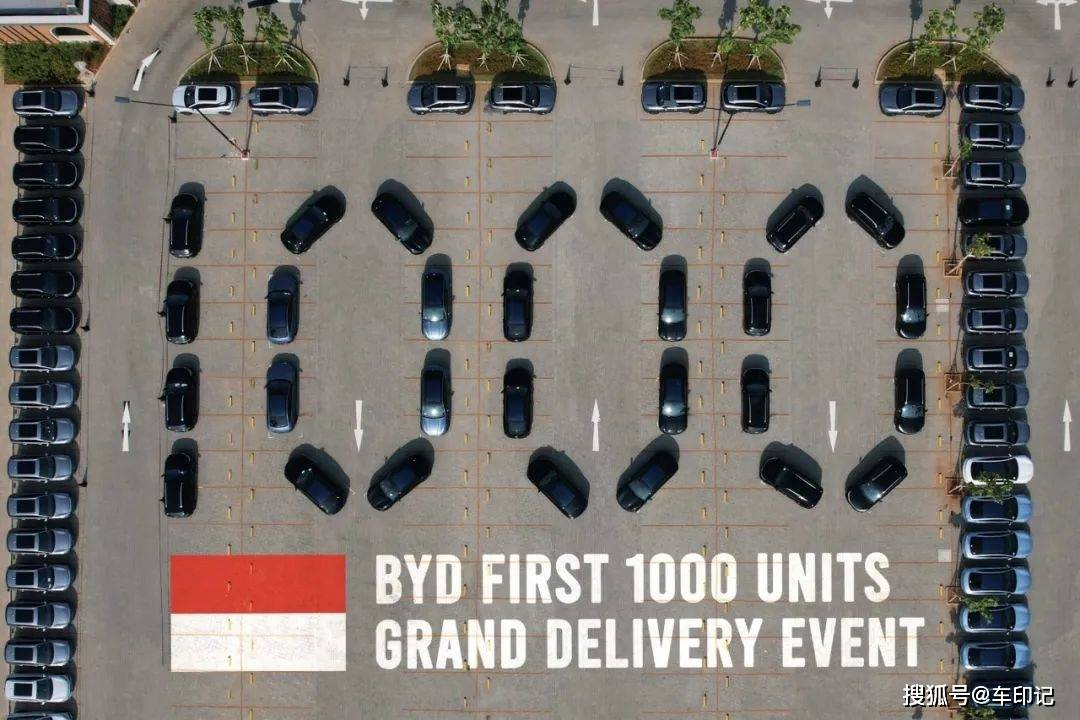
In 2024, BYD entered the Indonesian market through complete vehicle import (CBU), with sales of approximately 16,800 vehicles that year; it quickly climbed to 74,500 vehicles in 2025, with a total of nearly 95,000 vehicles in two years. However, after the tax exemption policy for complete vehicle imports expires at the end of 2025, the import volume from January to July 2026 plummeted to more than 3,000 vehicles - the old dividends have withdrawn, and local manufacturing must take over. The old channel is closing, but the new threshold is standing: whoever can actually plant materials, parts, and production lines in Indonesia will have a long-term admission ticket.
4. Chinese-funded new energy in Indonesia: from “nickel mining” to “battery manufacturing” to the entire island chain
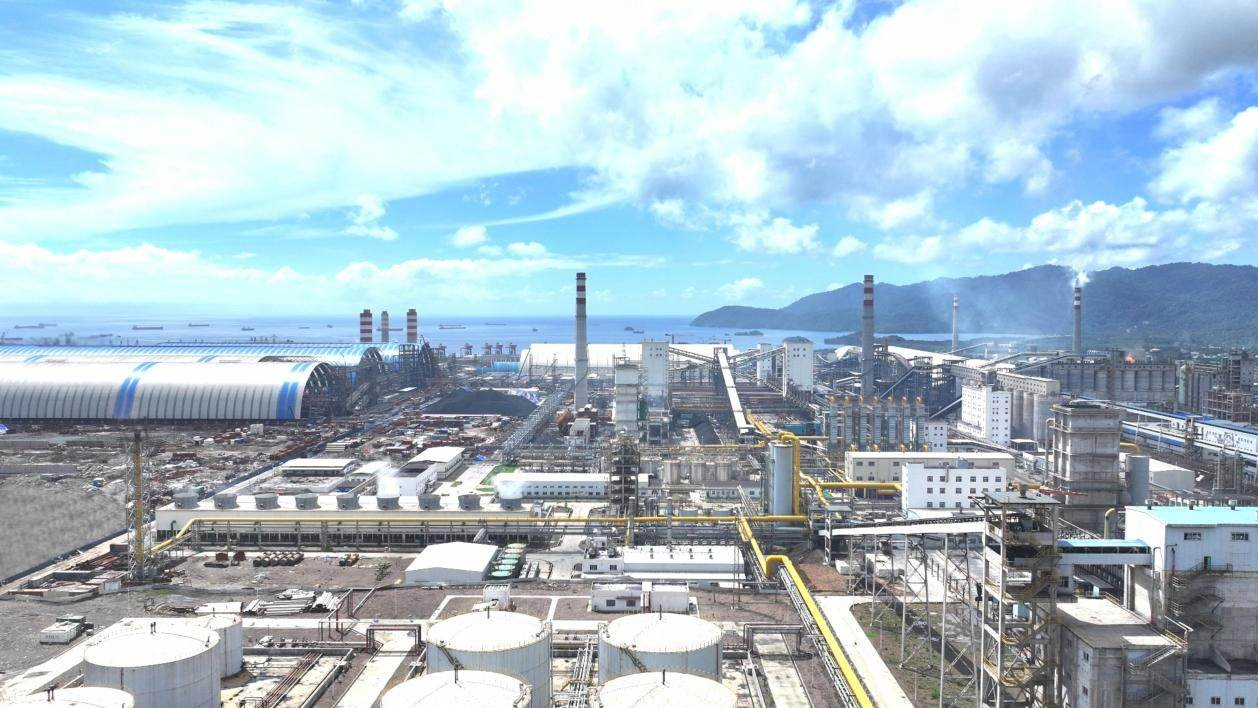
The new energy layout of Chinese investment in Indonesia is the most complete sample of foreign investment in the world. On the resource side, Tsingshan, Huayou, Zhongwei, and GEM have turned laterite nickel into MHP, ferronickel, and precursors. The two major parks, Central Sulawesi IMIP and North Maluku IWIP, have become the global battery nickel heart. On the material side, Longpan/Lithium Source, Beterui, Rongbai, and Dangsheng continue to increase their investment in the positive stage, negative electrode, and recycling links. On the battery side, CATL has teamed up with IBC to launch Karawang, LG New Energy Support Hyundai, and Yiwei Lithium Energy have participated in the integrated battery project, forming a China-South Korea duo. On the vehicle side, BYD's Subang plant was opened, Wuling, Chery, Geely, and Great Wall launched intensive sales, and Japanese brands' share was eroded.
Overall, Indonesia holds the resources and sets the TKDN rules, while Chinese investment provides technology, production capacity, and equipment—not simply building a factory, but planting the entire "nickel ore-material-battery cell-complete vehicle-recycling" chain into Indonesian soil. As soon as the localization rate bill came out, Chinese capital also moved from "selling goods overseas" to the deep-water area of "settling with chains".
5. Billionaire in Indonesia: Translate "Chinese production line" into "Indonesian daily life"
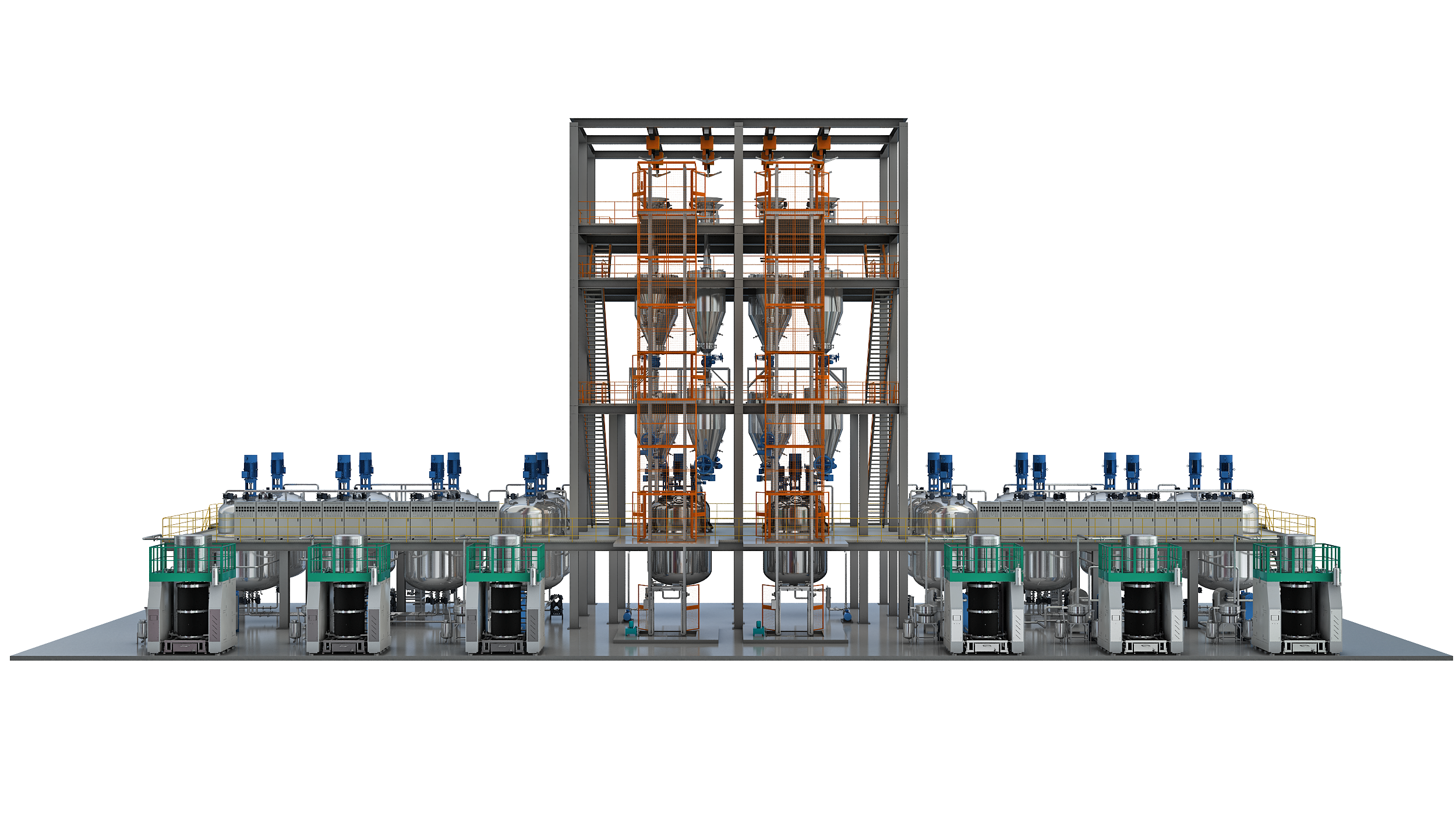
Yifu Smart Equipment is not a new face in Indonesia. Relying on its grinding, dispersion, powder processing, and new material production line integration capabilities, Yifu has followed Chinese-funded materials companies into industrial clusters such as Central Sulawesi, West Java, and North Maluku, covering scenarios such as precursors, cathodes, conductive slurries, and silicon-carbon anodes. Unlike single-machine foreign traders, Yifu does a "process package + production line package": from laboratory small tests and pilot lines, to mass production line layout, nano sanding/high-speed dispersion/powder transportation/dust removal packaging system delivery, and then solidifies Chinese process parameters into SOPs that can be executed by Indonesian workers.
Faced with local high temperature and humidity, power grid fluctuations, and local technician shortages, Yifu brought the spare parts system, operation and maintenance manuals, and on-site training to help customers turn "drawing capacity" into "qualified output." During the window when Indonesia's localization rate surged from 40% to 80%, Yifu's role has changed from "equipment supplier" to "supporter of localization of material production lines."
The day when the red cloth was unveiled at the BYD Subang factory, it was not the opening of a car company, but the rules Indonesia set for all outsiders:
You can come and sell cars, but don’t just want to sell cars; you can build a factory, but the factory must have a supply chain; you can make Indonesian money, but you must keep your technology, employment, and material capabilities on the island.
The car is the terminal, the battery is the core, the material is the chassis, and the equipment is the steel bars under the chassis.
From nickel mines to finished vehicles, Indonesia is reassembling the "resource country" into a "manufacturing country"; and what China needs to do is not to transport another hundred containers, but to accompany this thousand-island country to plant the new energy industry chain into the land meter by meter.

 English
 亿富机械
 +86-0769-85626082
 541476175@qq.com
 东莞市大岭山镇颜屋村莲颜路88号