
Recently, just as Trump left, Putin arrived shortly after, and the leaders of the two major countries visited China intensively. This is no accident. Behind this lies the Chinese team’s efficient diplomatic planning and rock-solid strategic determination. Global forces are waxing and waning. With its real status as a great power and its complete and powerful Chinese manufacturing system, China has become an indispensable stabilizer and cooperation center in a turbulent world.
On May 20, 2026, Russian President Vladimir Putin paid a state visit to China. The two heads of state held in-depth talks of various sizes and reached consensus in five major areas: political strategy, economic and trade infrastructure, energy technology, humanities and people's livelihood, and international and global governance. They signed 2 major joint statements and 20 bilateral cooperation documents to comprehensively deepen the comprehensive strategic partnership of coordination in the new era.
1. Political and Strategic Cooperation
1. Officially agreed to extend the China-Russia Treaty of Good-Neighborliness, Friendly Cooperation, solidify the legal basis for long-term good-neighborliness and friendship between the two countries, and clarify the core positioning of China-Russia relations as not targeting third parties, non-alignment, and non-confrontation.
2. Deepen high-level strategic mutual trust, improve multi-level communication mechanisms between heads of state, governments, and parliaments, strengthen cooperation in the fields of national security and defense, and maintain long-term peace and security on the border between the two countries.
3. Published two core joint statements: Bilateral level: "Joint Statement on Further Strengthening Comprehensive Strategic Collaboration and Deepening Good-Neighborly and Friendly Cooperation" to plan the path for future long-term cooperation;
International level: "Joint Statement on Advocating World Multipolarization and a New Type of International Relations" to jointly oppose hegemonism, unilateral sanctions and camp confrontation.
2. Economy, trade, infrastructure and interconnection
1. Expand the scale of bilateral trade, optimize the trade structure, deepen cooperation in the digital economy, cross-border e-commerce, and service trade, ensure the stability of the industrial chain and supply chain, and help China-Russia trade continue to exceed the US$200 billion mark.
2. Promote major cross-border infrastructure projects, focusing on finalizing the construction of the 1435 mm gauge second line of the Manzhouli-Zorbaikal cross-border railway to improve the efficiency of Sino-Russian border logistics and transportation.
3. Improve customs, inspection and quarantine cooperation, simplify customs clearance procedures, expand exports of Russian agricultural products, feed, etc. to China, and standardize bilateral trade in industrial products.
4. Upgrade bilateral investment agreements, expand manufacturing, urban construction, and local cooperation, and promote the coordinated development of the Far East and the revitalization of Northeast China.
3. Energy, technology and cutting-edge industries
1. Deepen strategic cooperation in traditional energy, stabilize trade and cross-border transportation of oil, natural gas, coal, and electricity, and ensure the energy security of the two countries; expand green energy cooperation in hydrogen energy, renewable energy, and carbon markets.
2. Focus on cooperation in cutting-edge technologies of nuclear energy and controllable nuclear fusion, sign a memorandum of scientific and technological cooperation in the field of controllable nuclear fusion, and promote the implementation of projects such as the peaceful use of nuclear energy, nuclear fuel cycle, and fast neutron reactors.
3. Arrange cooperation in new productivity fields such as aerospace, artificial intelligence, new materials, and biomedicine, strengthen intellectual property protection, and promote joint scientific research.
4. Humanities, Education and People’s Livelihood Exchanges
1. Jointly launch the China-Russia Education Year, deepen university cooperation, joint talent training, and teacher-student exchanges, and consolidate the foundation of youth friendship between the two countries.
2. Expand cooperation in culture, media, tourism, and sports, improve local sister city mechanisms, and promote people-to-people connectivity.
3. Strengthen exchanges in the fields of health, disaster prevention and reduction, and social security to benefit the people of both countries.
5. Global Governance and Coordination of International Affairs
1. Jointly safeguard the core authority of the United Nations and collaborate closely within multilateral frameworks such as BRICS, Shanghai Cooperation Organization, and G20.
2. Advocate for building a balanced, effective and sustainable global security architecture, oppose interference in other countries' internal affairs, and respect the independent development paths of all countries.
3. Exchange positions on international hot issues such as the Russia-Ukraine conflict, the situation in the Middle East, global food security, and energy security, advocate dialogue and negotiation to resolve disputes, and promote a more fair and reasonable global governance system.
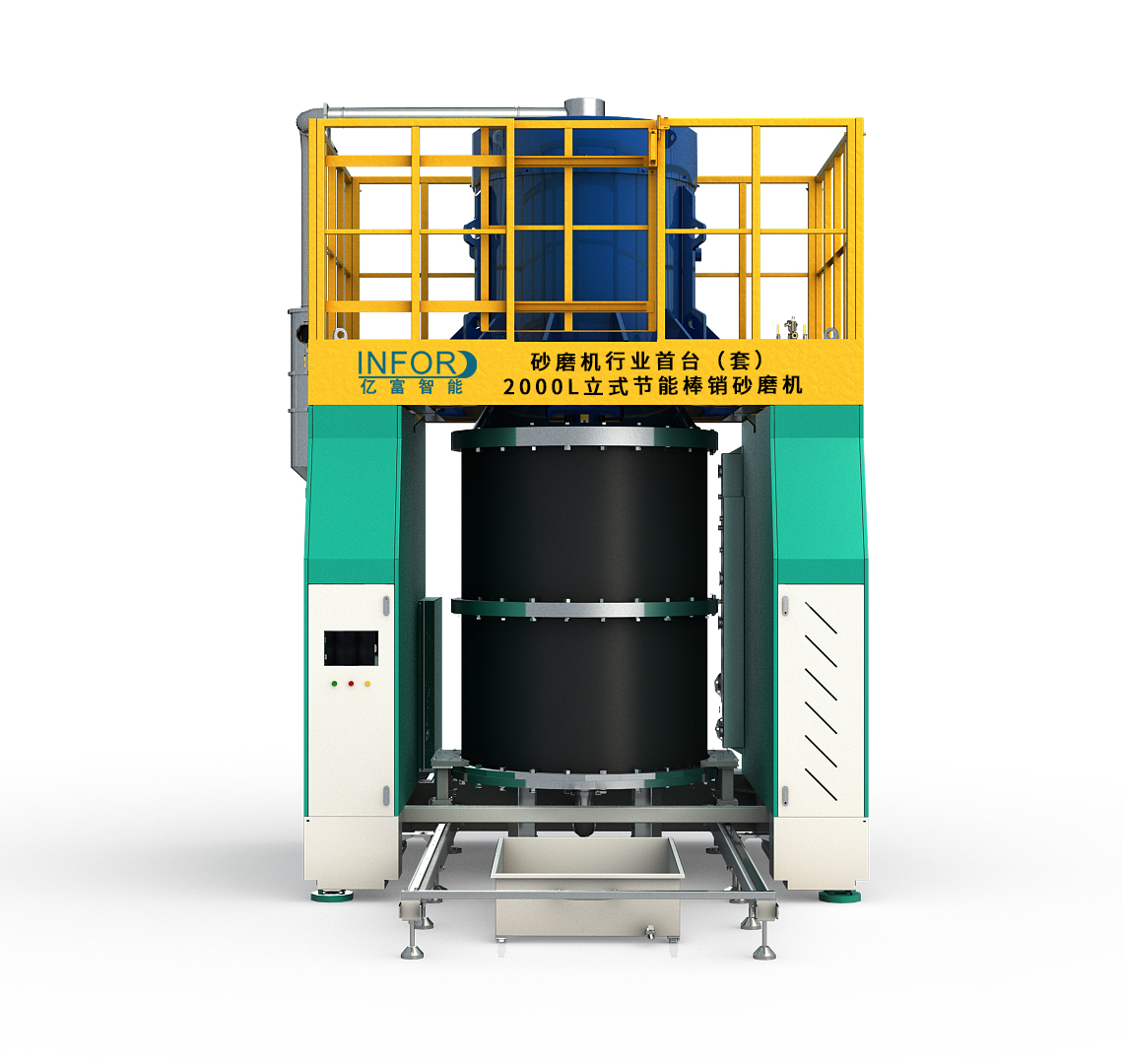
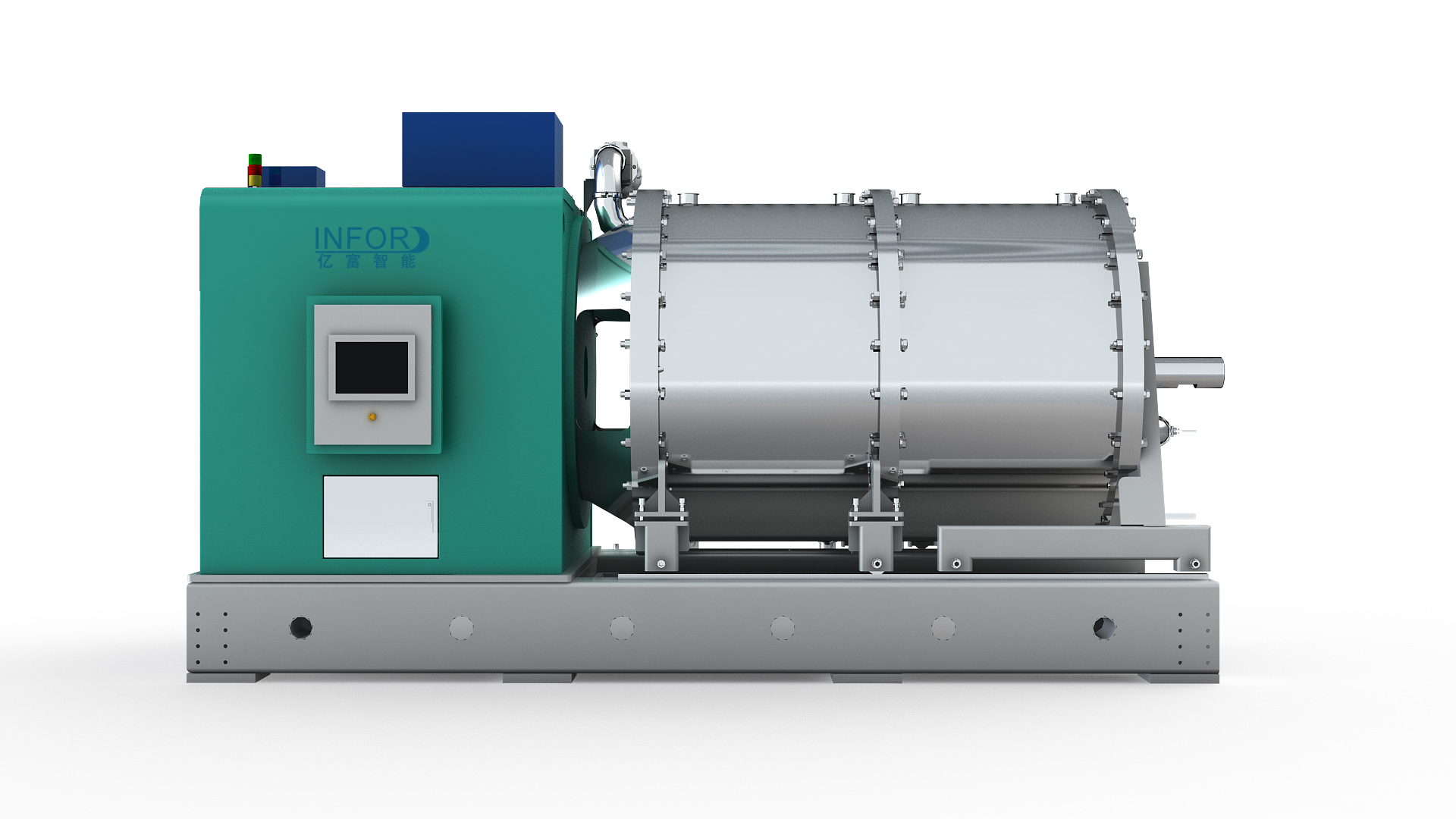
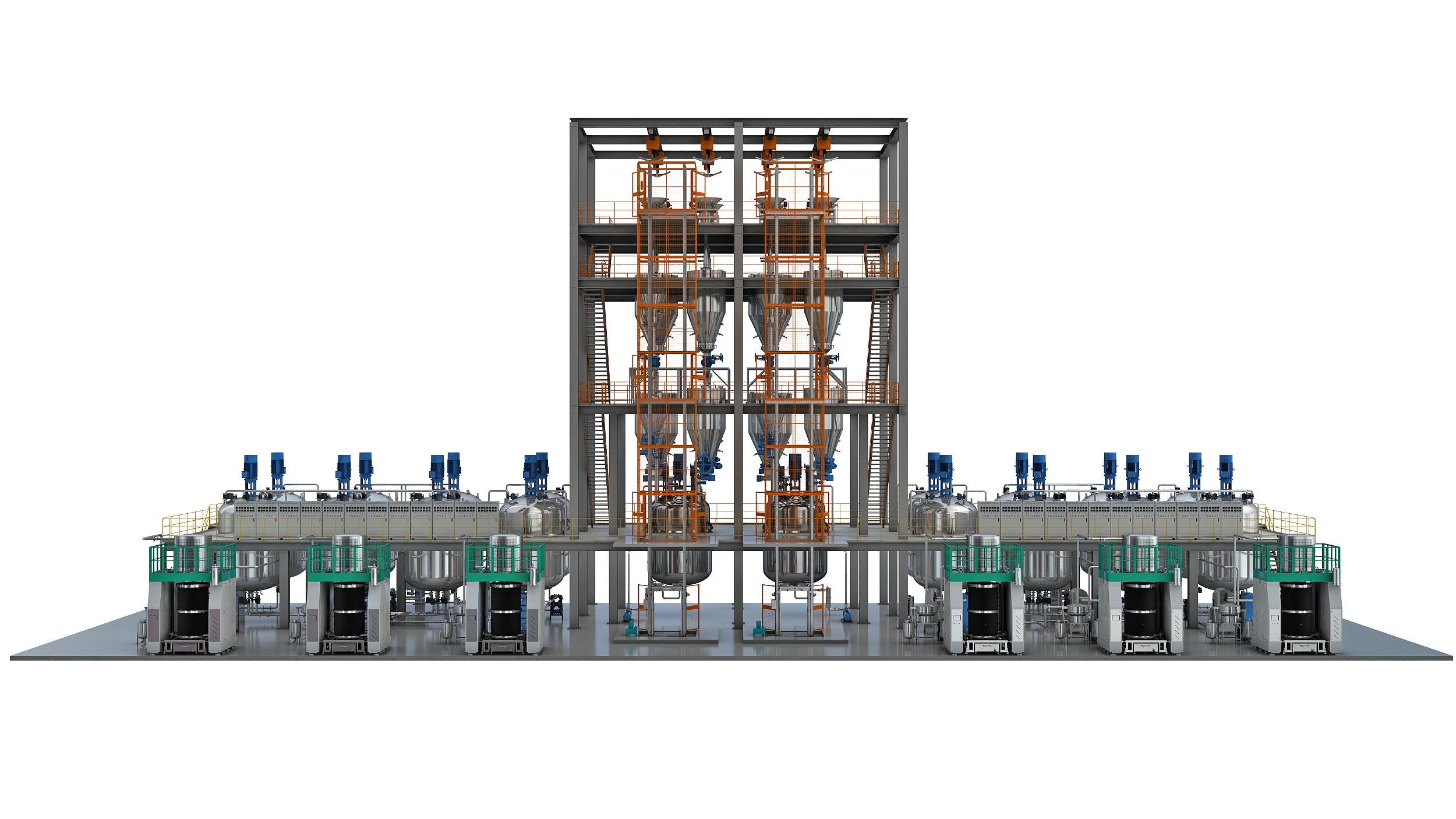
As the comprehensive strategic cooperation between China and Russia continues to improve and upgrade, economic and trade cooperation is expanding from energy and commodities to in-depth areas such as intelligent manufacturing and high-end equipment. As a representative of Chinese enterprises that are deeply involved in new energy equipment and grinding technology, Yifu Intelligent is keenly seizing the historic opportunity of Sino-Russian cooperation and starting an in-depth layout in the Russian market with a forward-looking vision.
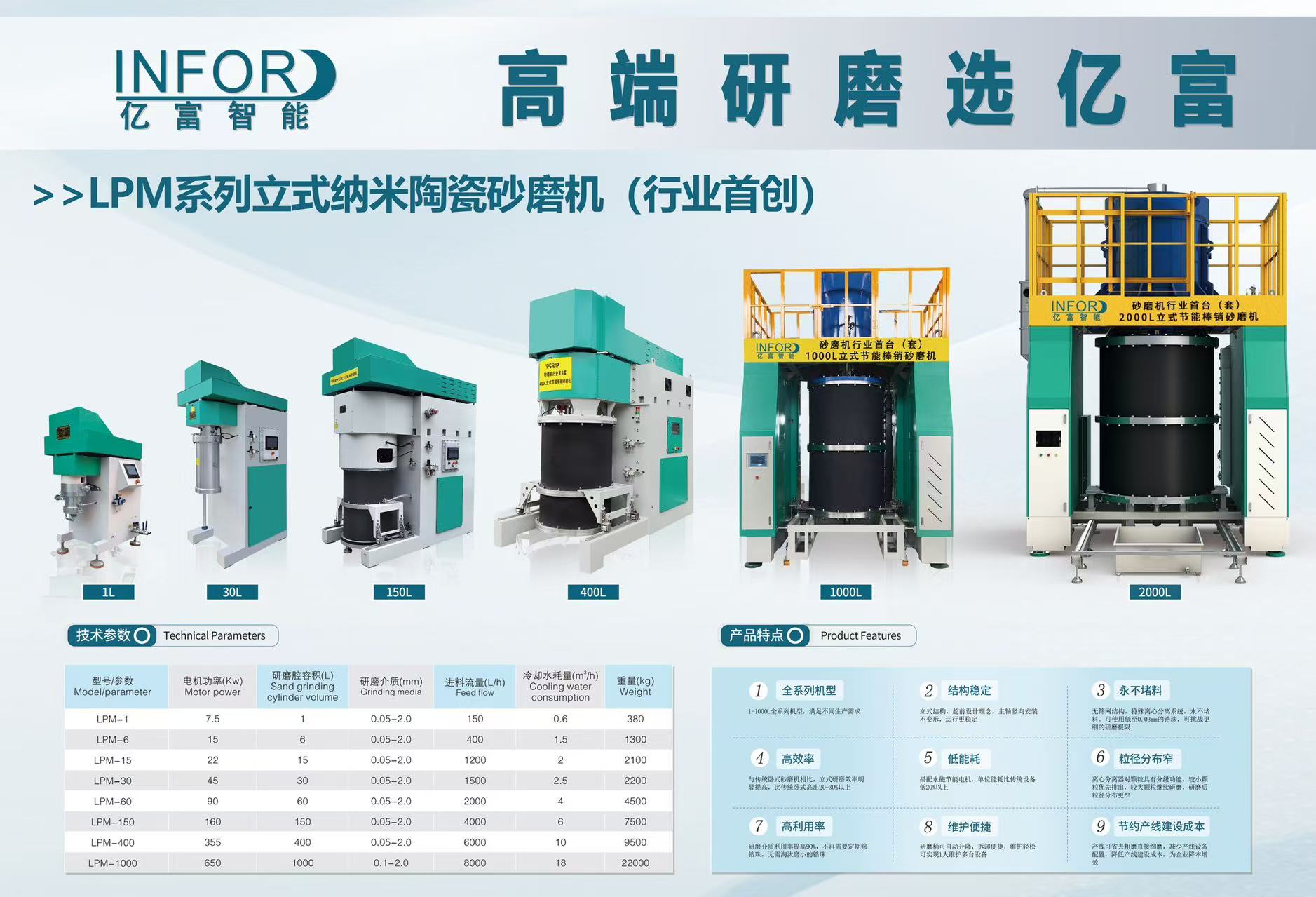
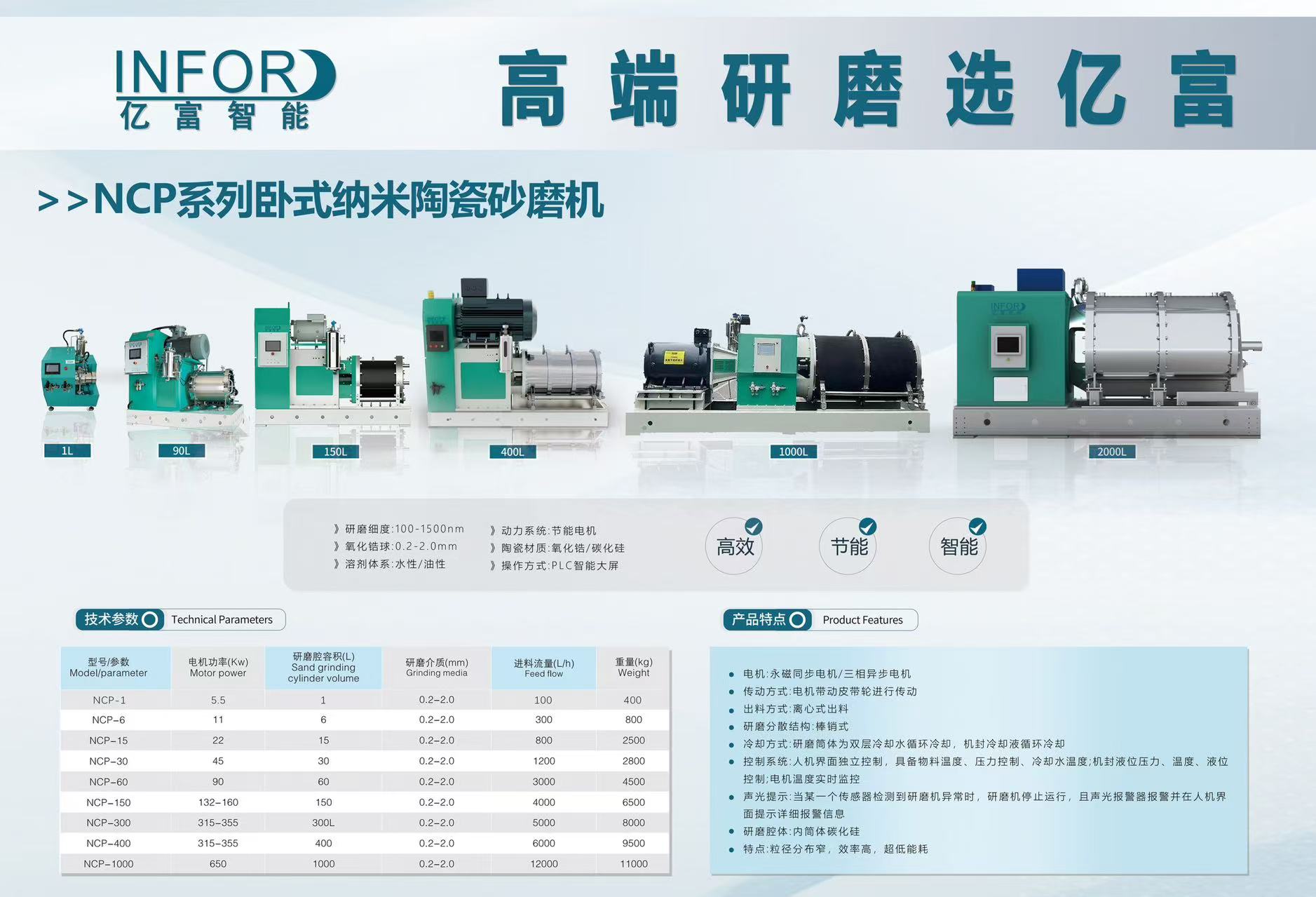
Yifu's business covers the fields of new energy material equipment and coating grinding equipment, and its products cover a full range from laboratories to large-scale production lines. In its strategy to enter the Russian market, Yifu has actively participated in the 2026 Russian Coatings Exhibition, demonstrating advanced grinding technology solutions to local Russian companies and international customers, and has received high recognition and widespread cooperation intentions. At the CIBF2026 New Energy Exhibition, many international customers came to the booth for exchanges and consultations, and several Russian customers also came to Yifu's Dongguan Songshan Lake headquarters for exchanges and inspections. Russia's paint and coatings market is one of the fastest growing and most promising markets in the world. It is going through a critical window period for industrial upgrading and domestic substitution, and there is strong demand for intelligent high-end equipment.
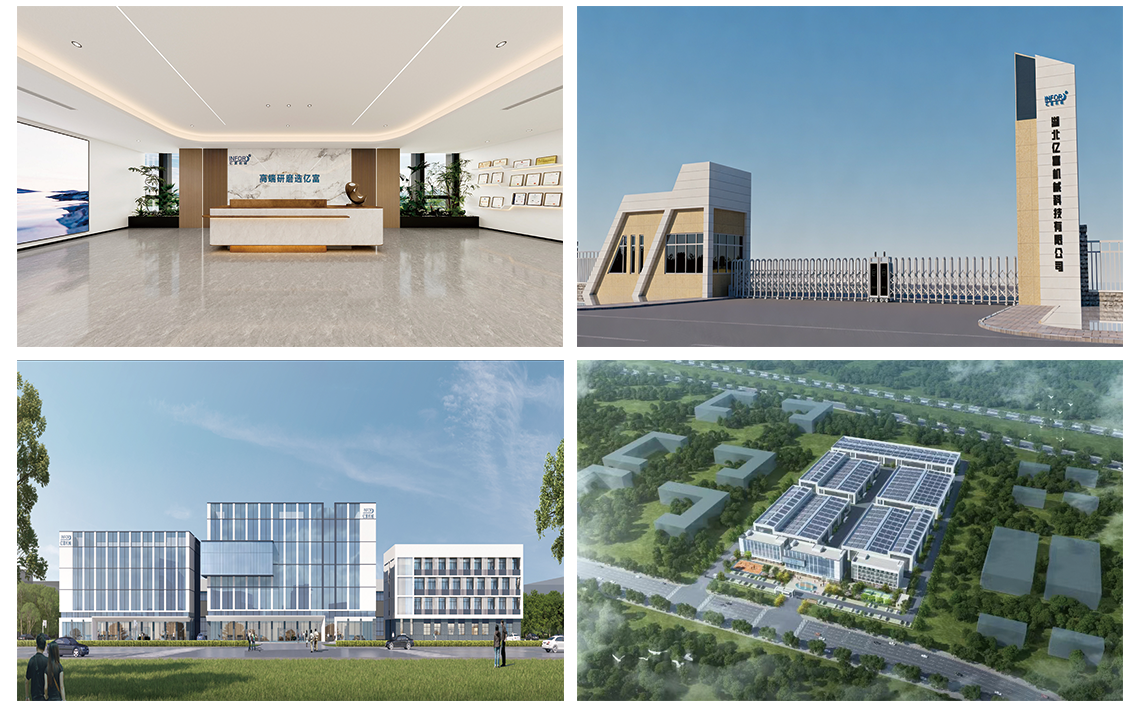
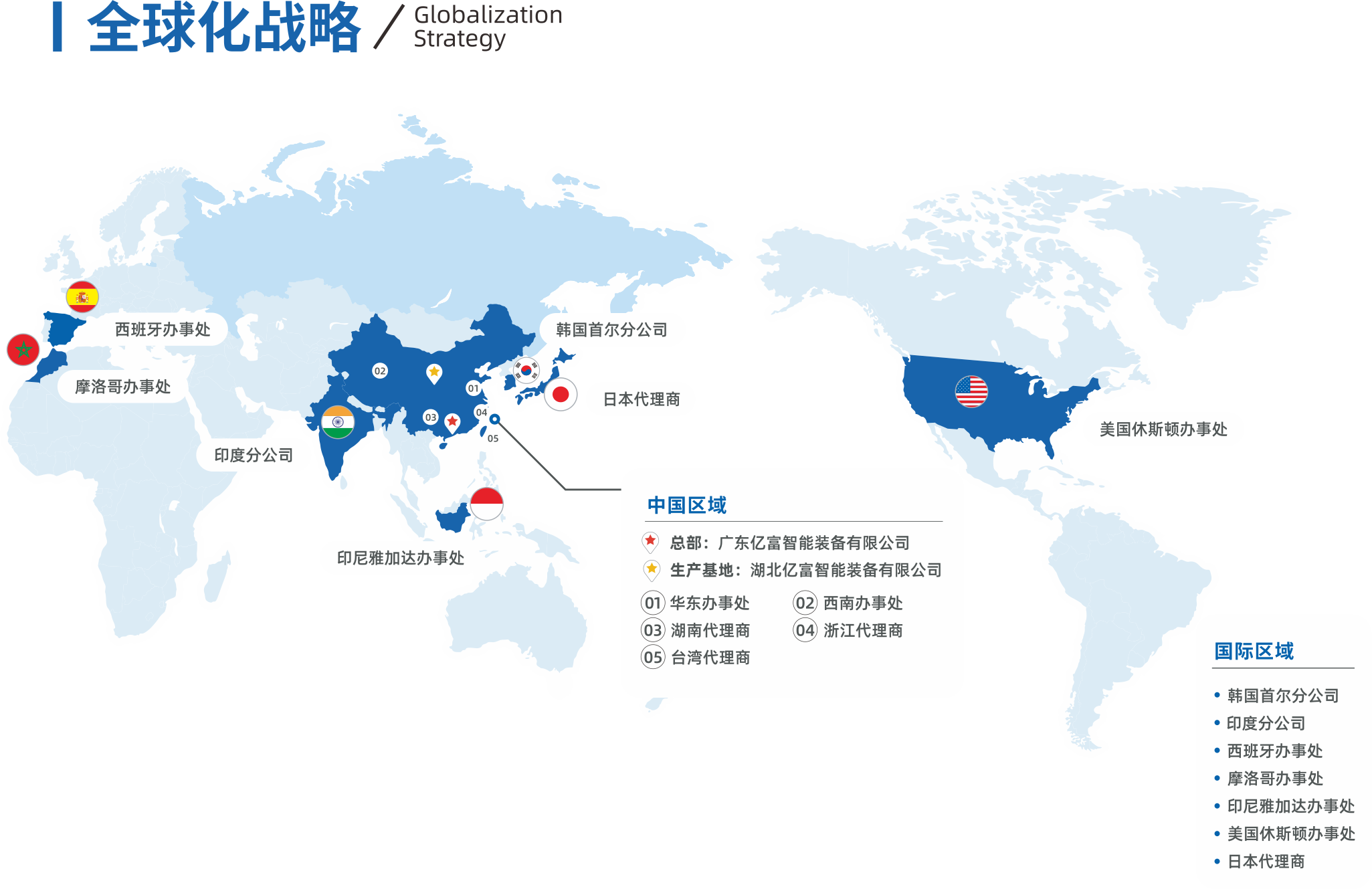
In terms of technical strength, as a pioneer in the field of new energy equipment, Yifu's sanding products are internationally competitive in terms of efficiency, energy consumption and performance indicators. In terms of policy dividends, the China-Russia heads of state talks once again clearly supported the expansion of cooperation in new areas such as digital economy and technological innovation, creating an unprecedented business environment for Chinese enterprises to develop localized in Russia. In terms of internationalization strategy, Yifu is actively preparing for the Russian office and is committed to improving the after-sales service system to ensure that localized high-quality services are extended to Russia and set a benchmark for high-quality services for Chinese high-end equipment overseas.
Standing at a historical point when Sino-Russian relations have entered a new stage of more promising and faster development, the strategic guidance of the two heads of state is injecting strong impetus into enterprises to create new situations, and is also paving the way for more high value-added, high-tech Chinese intelligent products to expand into the vast Russian market.

 English
 亿富机械
 +86-0769-85626082
 541476175@qq.com
 东莞市大岭山镇颜屋村莲颜路88号