From November 18th to 19th, the 33rd APEC Leaders’ Informal Meeting was held in Shenzhen. Behind the excitement of this summit, we want to take it apart and see what each of the conference signals means to those who make new energy equipment and materials overseas. 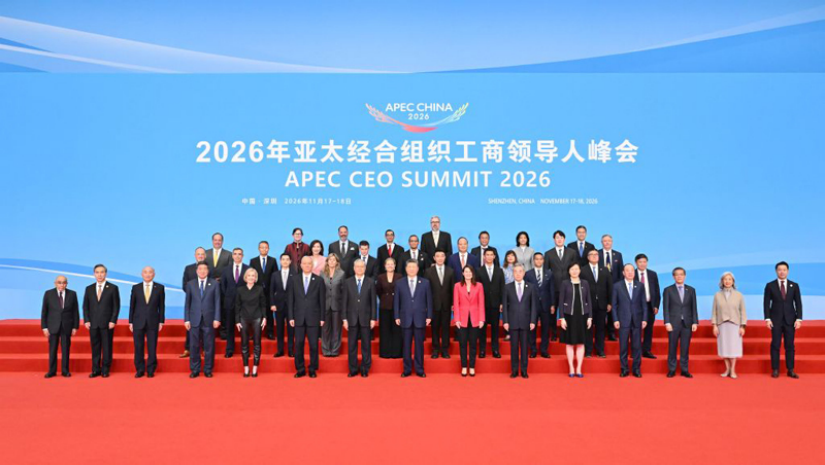
Major countries in the same frame, industrial and commercial initiatives, reaffirmation of free trade zones, green and digital main lines, and Shenzhen’s home stadium—these five things are current affairs when viewed individually, but when viewed together, they are the weather forecast for the Asia-Pacific industrial chain in the next few years. We don’t shout slogans, we only talk about the real changes that will happen in the industry.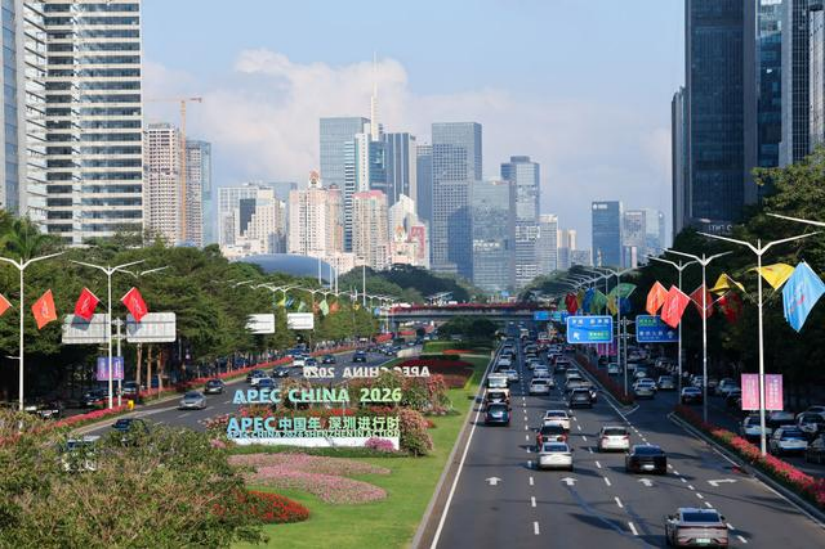
Highlight 1: China, the United States and Russia are in the same frame, 21 economies have gathered together, and the Asia-Pacific "big family" has returned to a group photo
What is behind this is not diplomatic warmth, but a phased signal that major powers prioritize managing differences and avoiding hard decoupling. For overseas companies, short-term external pressure will be more stable when conducting business visits and customer docking in Southeast Asia, Japan, South Korea, Australia, New Zealand, and Latin America. But be clear: this is just the contradiction being held down, not disappearing. Trade protection, localization rate, and technology access will not be relaxed automatically. The geopolitical cooling has given us a "window period", not a "safe deposit box". Every order in the new energy chain still requires compliance and patience.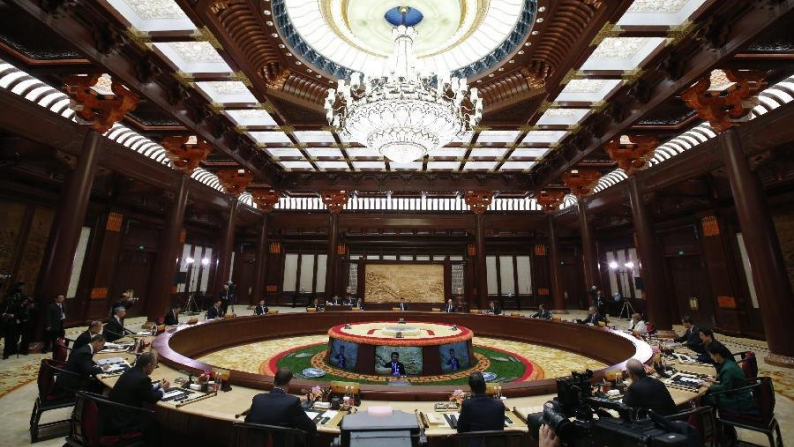
Highlight 2: The Business Summit released the "Shenzhen Initiative" for the first time in 30 years, and the voices of enterprises were included in the top-level consensus
In the past, APEC favored government dialogue, but this time the demands of the industrial chain, small and medium-sized enterprises, and industrial and commercial entities were formally condensed into the text of the initiative. Translated: Regional rulemaking no longer only listens to the macro narrative, but starts to listen to the voices on the shop floor. It’s a good thing for new energy, powder equipment, and materials tracks—the industry has a seat at the table for discussions on future green supply chains, trade facilitation, and mutual recognition of standards. Our role in grinding and dispersing systems also has the opportunity to slowly move from "being screened by rules" to "participating in turning the craft language into a regional language."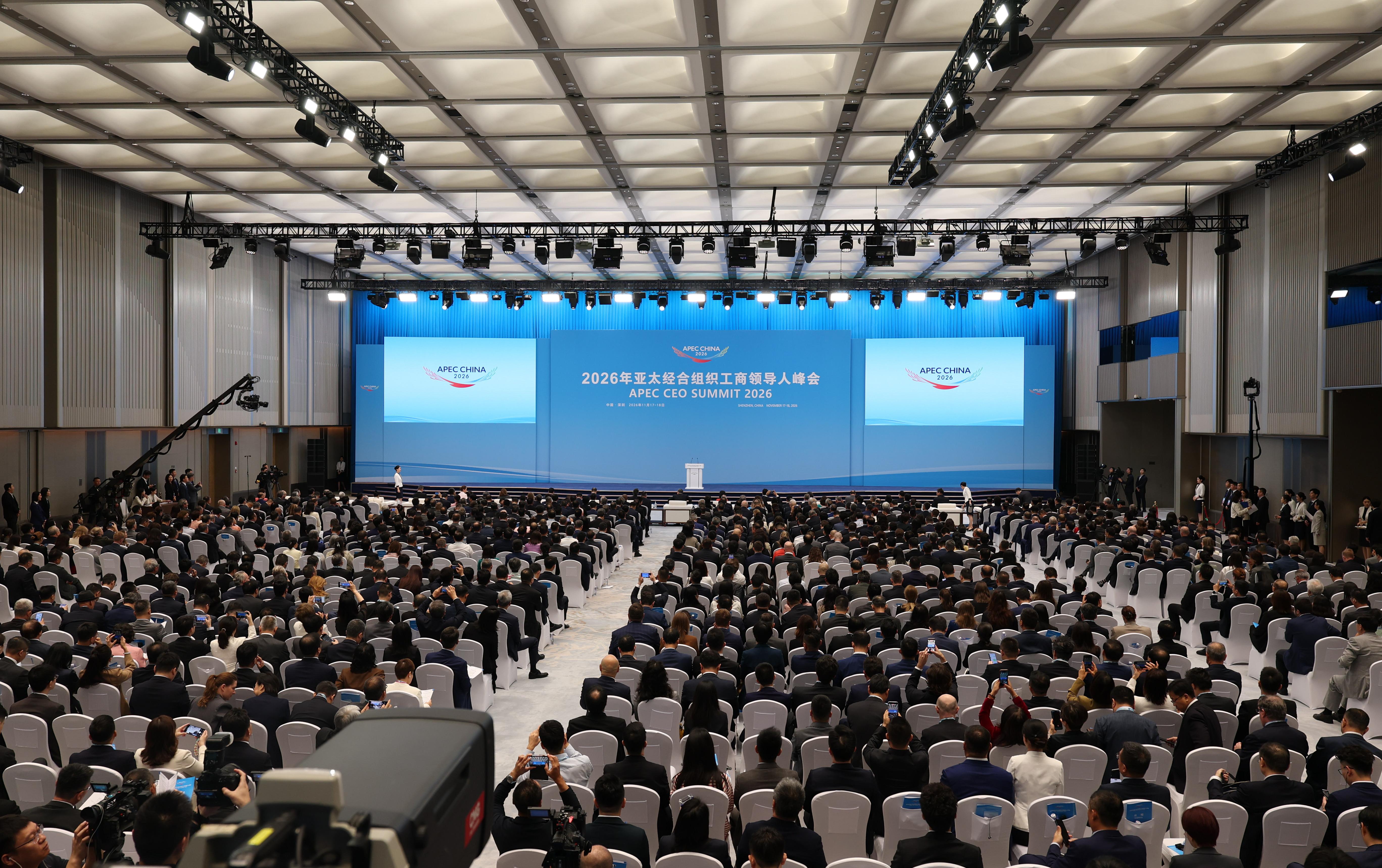
Highlight 3: Reiterating the promotion of the Asia-Pacific Free Trade Area, opposing decoupling, and focusing on trade digitization and smart customs
This is the most practical and directly related to how equipment is shipped out and how long it takes for spare parts to be cleared. Once paperless documents, port data interoperability, and cross-border payment coordination are rolled out, sand mills, testing instruments, and consumable parts are sent overseas, and there is room for exploration of cycle times and hidden costs. For equipment companies, customs clearance efficiency is not a trivial matter in the background. It determines whether overseas production lines can be quickly revived after shutdown. The general direction of open integration has not changed, fragmentation will continue to be repaired, and the "logistics certainty" of going overseas is getting thicker.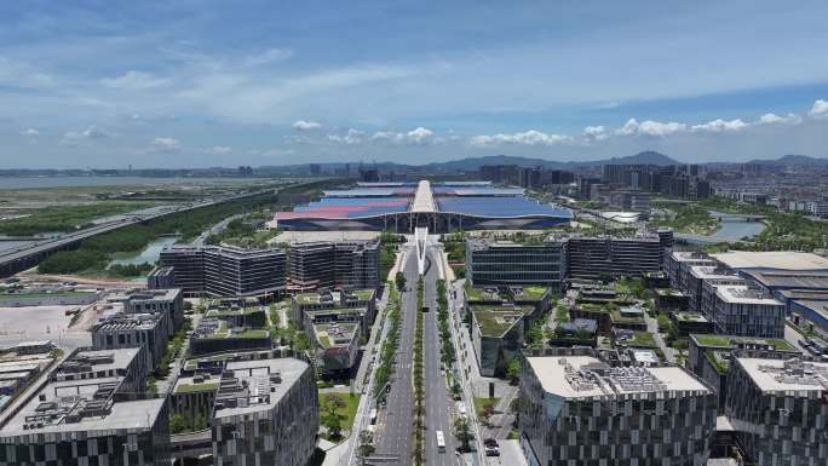
Highlight 4: AI digital economy + green and low-carbon transformation, key mineral collaboration is named as a regional security issue
These are the dual axes of the next decade. On the new energy side, the stable supply of lithium, nickel, cobalt, and phosphate is no longer a purely commercial issue, but a regional strategic issue; when downstream customers expand production, they will simultaneously monitor carbon footprints, green certification, and traceability systems. Our grinding equipment, high-purity powder solution, and continuous pulping system are just stuck in the core process of the material side - but what we sell in the future is not just "the ability to grind finely", but the process capabilities of "low energy consumption, measurable, auditable, and able to be embedded in the green supply chain". Compliance goes from being a plus to being the ticket.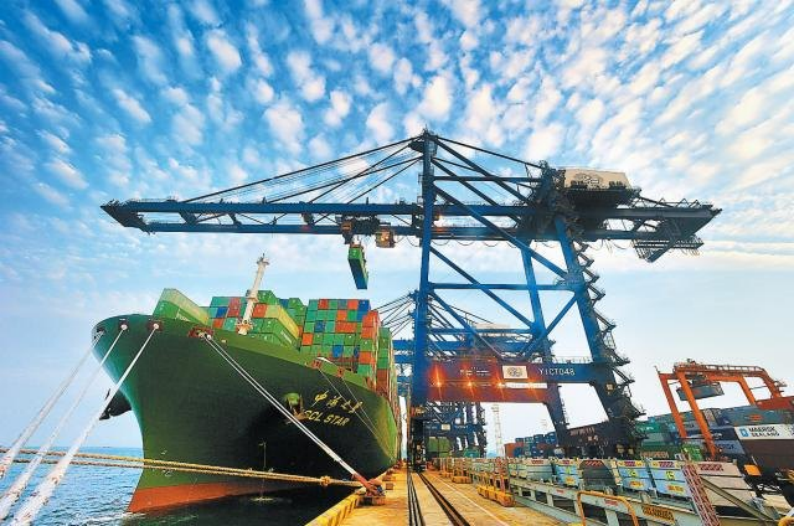
Highlight Five: The home venue is in Shenzhen, upgrading the Manufacturing Science and Technology City into a hub for Asia-Pacific industrial chain dialogue
Choosing Shenzhen is not about choosing a beautiful city, but choosing a set of advanced manufacturing models. In the future, when Asia-Pacific purchasing groups come to China to search for sources, inspect factories, and see production lines, Shenzhen will be their first stop. What this means for equipment companies is that opportunities for exhibitions, technical exchanges, and joint research and development with customers will become more frequent, but customers will also become more professional - what they see is not sales talk, but real production line data. Shenzhen has changed from the "starting point for overseas expansion" to the "place of trust and endorsement", forcing us to raise the level of process transparency, delivery standards, and local services to a higher level.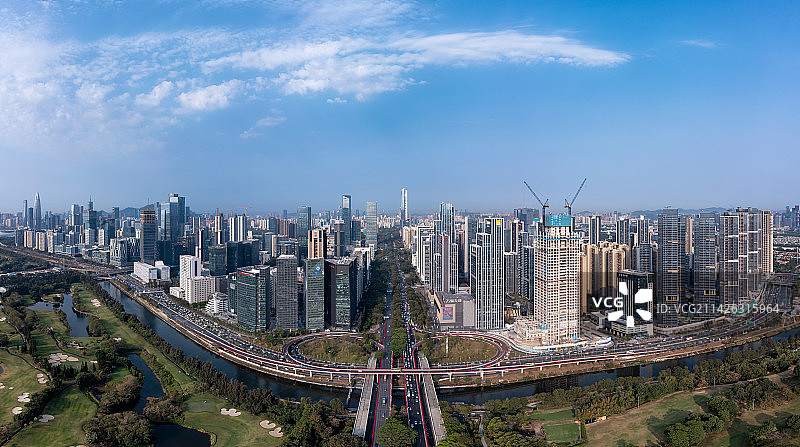
Put the five highlights into one sentence: Asia-Pacific is not closed, but the threshold is escalating; Opportunities are still there, but the battle is no longer low prices and relationships, but a complete set of solutions, compliance qualifications, and local service capabilities. In the second half of the new energy market, the equipment needs to be not louder, but steadier—making particle size, energy consumption, shutdown rate, spare parts response, and worker SOP thicker one by one. After the conference in Shenzhen ends, the wind will blow to those who are willing to accompany customers to run the production line through the cycle.

 English
 亿富机械
 +86-0769-85626082
 541476175@qq.com
 东莞市大岭山镇颜屋村莲颜路88号