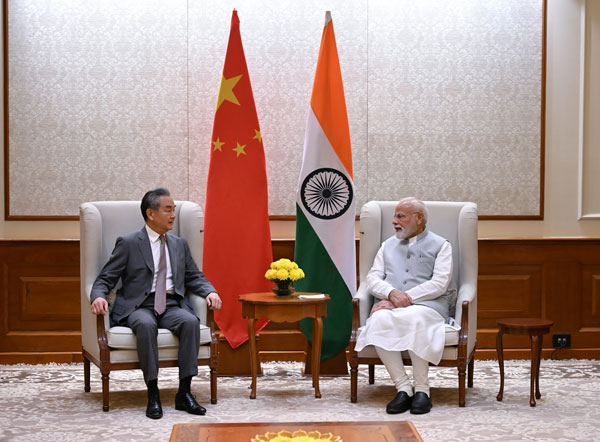
最近,从印度高层访华,到印度企业频繁专门到中国调研,相信读文章的你和我一样,都能强烈感受到印度锂电新能源市场那扑面而来的火热气息。
For those of us Chinese new energy people who want to go deep into India, we must have a series of questions swirling in our hearts. What is the current status of new energy in India? What unique advantages do they have in developing new energy industries? In addition to local players, what other entrants outside India are quietly making plans? Today, let’s study in depth together and uncover the mystery of India’s lithium battery new energy market.
Market Background
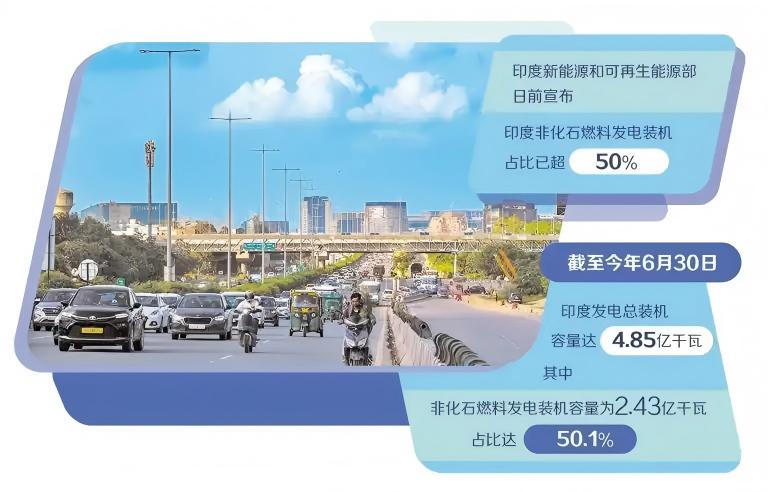
India, a country with a huge population base and rapidly developing economy, is regarding the new energy industry as an important engine to promote the country's energy transformation and economic growth. A series of supporting policies have been introduced one after another, such as providing subsidies, building industrial parks, simplifying the approval process, etc., to strongly encourage lithium battery new energy companies to take root in India.
In terms of market demand, India’s electric vehicle market is showing explosive growth. Sales of electric vehicles in fiscal year 2022 are only 43,000 units, and in fiscal year 2024 they will reach 100,000 units, all of which are pure electric models. India's power battery demand will be about 15GWh in 2024, and local production capacity is currently about 6.7GWh, with the rest relying on imports. With the continuous improvement of people's environmental awareness and the promotion of new energy vehicles, more and more Indian consumers are beginning to choose electric vehicles. This has led to an increasing demand for lithium batteries, and the new energy automobile industry has ushered in unprecedented development opportunities.
At the same time, India’s energy storage market is also growing rapidly. In order to cope with the problem of unstable power supply, many Indian households and businesses have begun to install energy storage systems, which has further boosted the demand for lithium battery energy storage products. It can be said that India's new energy market is like a huge magnetic field, attracting global attention.
India has many unique advantages in developing new energy industry. First of all, India has abundant resources of key raw materials for lithium batteries such as lithium, cobalt and nickel. Although the current level of development and utilization of these resources is still relatively low, with the continuous advancement of technology and increased investment, India is expected to become one of the important suppliers of lithium battery raw materials in the world.
Secondly, India’s labor force advantage. Labor costs have always been an important part of an enterprise's cost structure. Enterprises can hire a large number of laborers at a lower cost in India, which can significantly reduce production costs and improve the market competitiveness of products. In addition, the rental prices of industrial land and factory buildings in India are relatively low. Coupled with government subsidies and partial tax exemption policies, companies can save a lot of money in site selection and construction.
Furthermore, India’s support for the new energy industry is very strong. In addition to the policy support mentioned earlier, investment in scientific research is also being increased to encourage companies to carry out technological innovation. This provides a good policy environment and technical support for the development of the lithium battery new energy industry.
Development opportunities
Entrants: A competitive landscape in which the best players compete for the throne
In India’s new energy market, both local and foreign companies are actively deploying, forming a competitive landscape in which the best players compete for the top spot.
印度本土入局者
塔塔集团是印度最大的企业集团之一,在新能源领域也有着重要的布局。 Tata Motors has launched a number of electric vehicles and is increasing investment in the research and development and production of lithium batteries. In addition, Adani Group also announced that it will enter the lithium battery new energy industry and plans to build a large-scale lithium battery production factory.
印度以外入局者
中国企业在印度的新能源市场上也有着重要的影响力。 Chinese lithium battery giants such as CATL, BYD, and Guoxuan High-Tech have already launched business cooperation in India. CATL has established cooperative relationships with some Indian car companies to provide them with lithium battery products. BYD has set up an electric vehicle production base in India and has achieved good sales results in the local market.
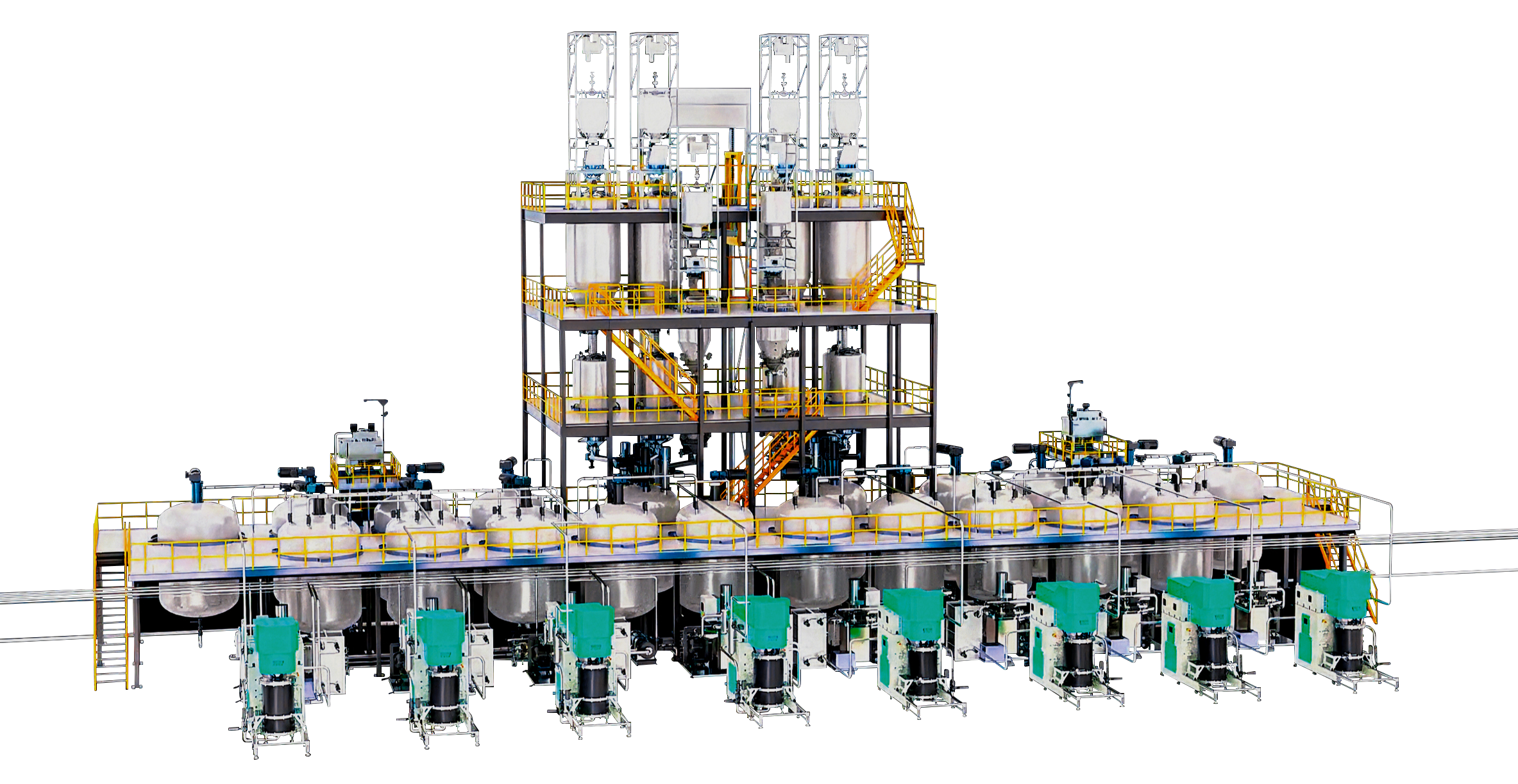
In addition to Chinese companies, South Korean companies such as Samsung and LG have also increased investment in India. Samsung has built a lithium battery production plant in India and has cooperated with local companies. LG Chem also plans to expand the production scale of lithium batteries in India to meet the needs of the local market.
Global Layout
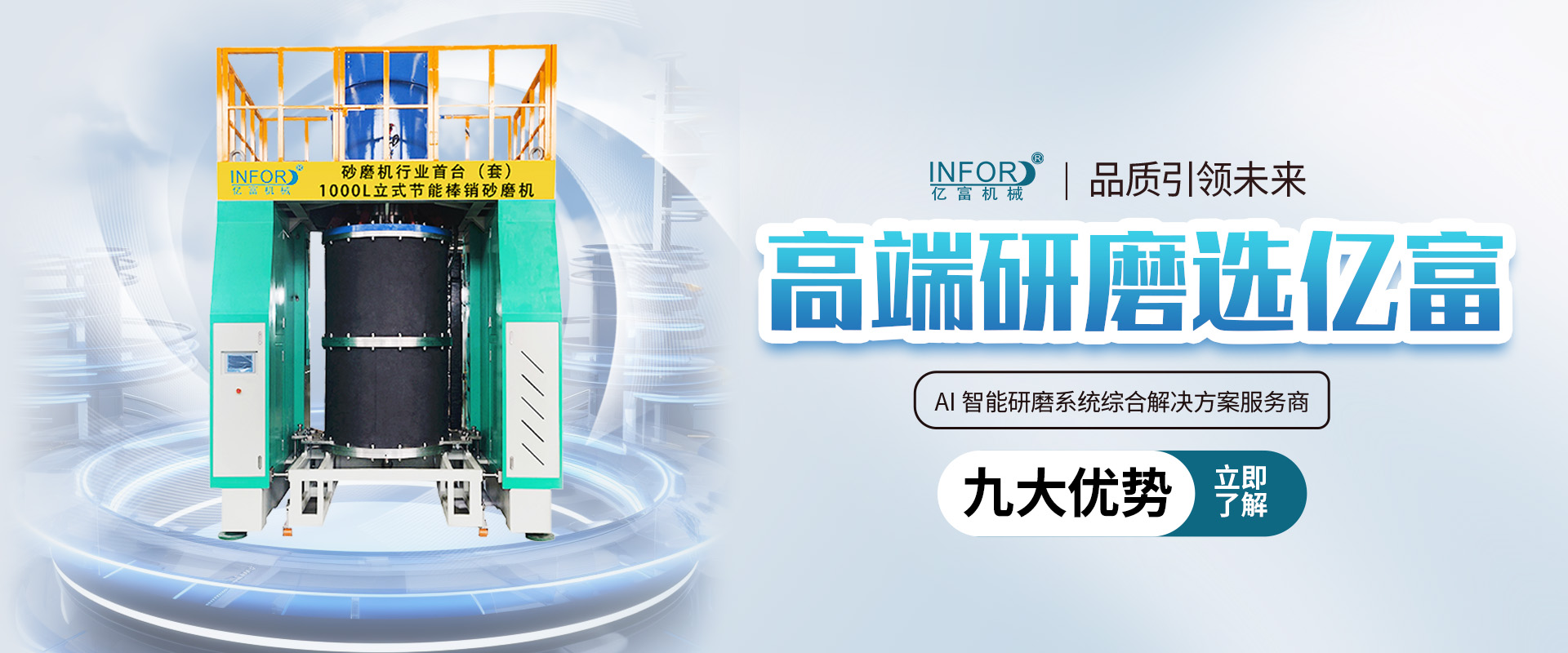
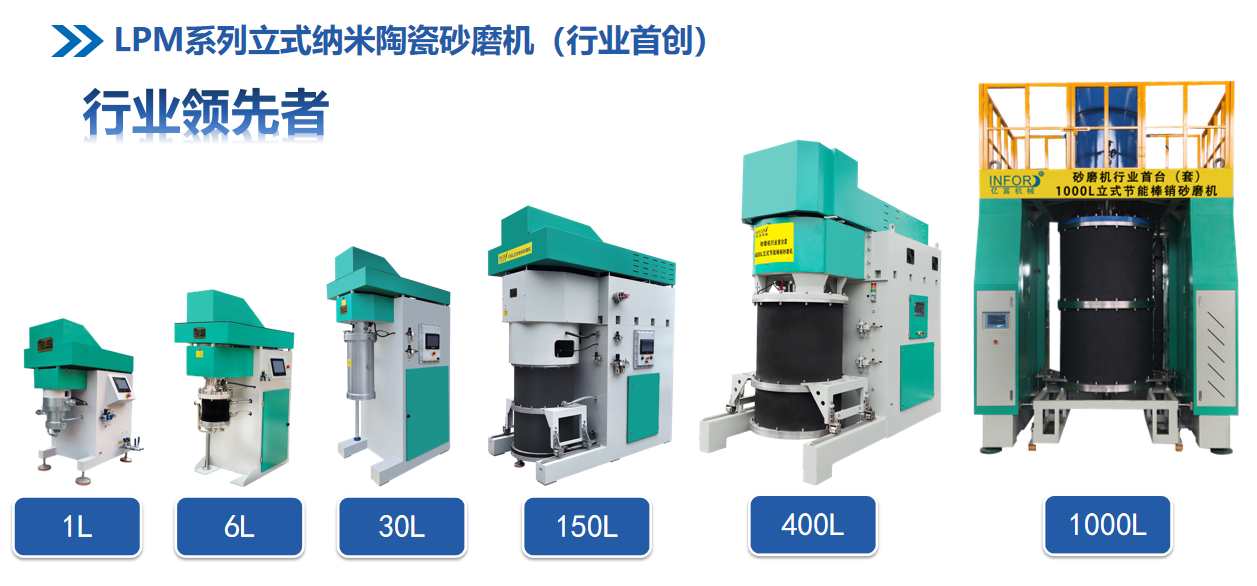
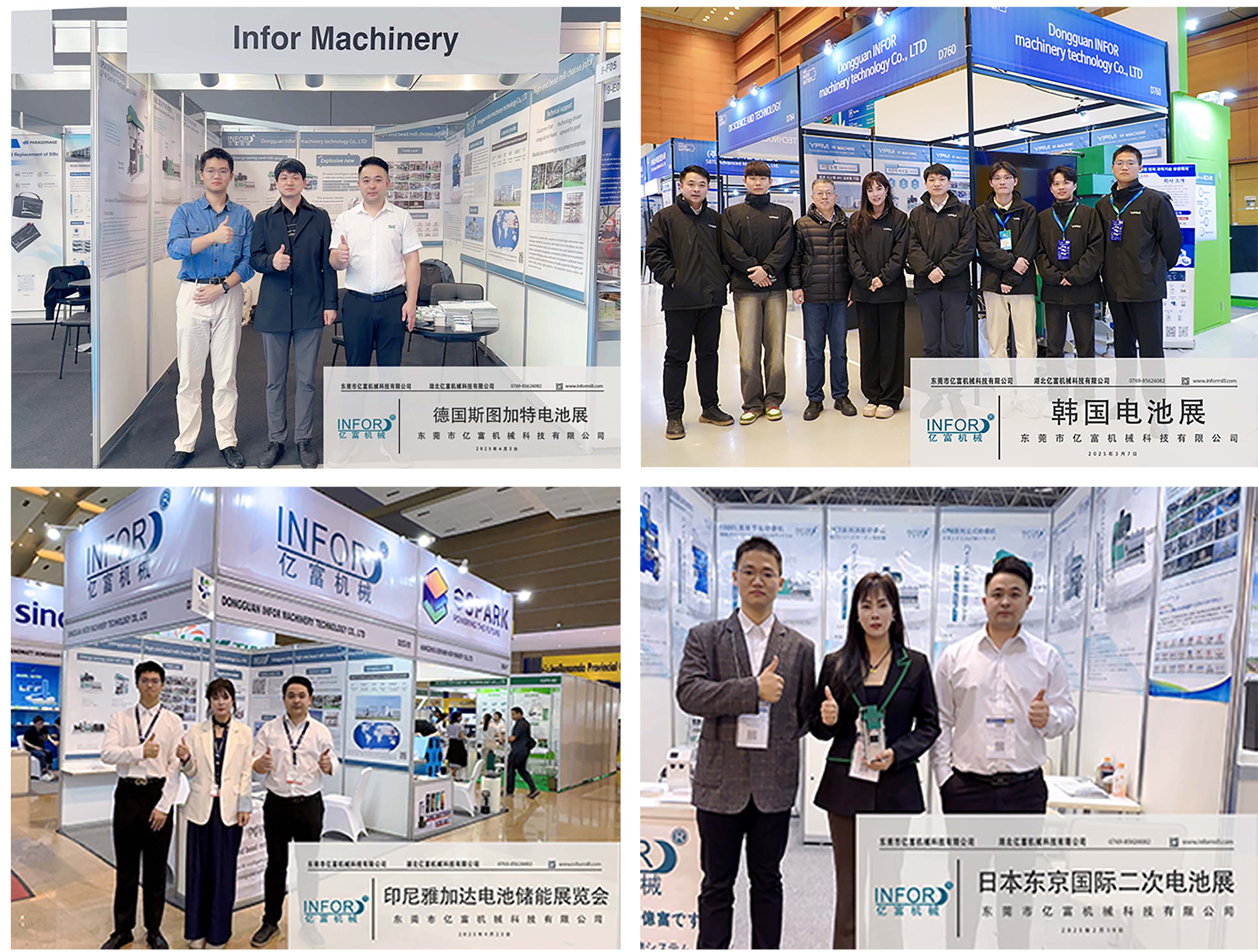
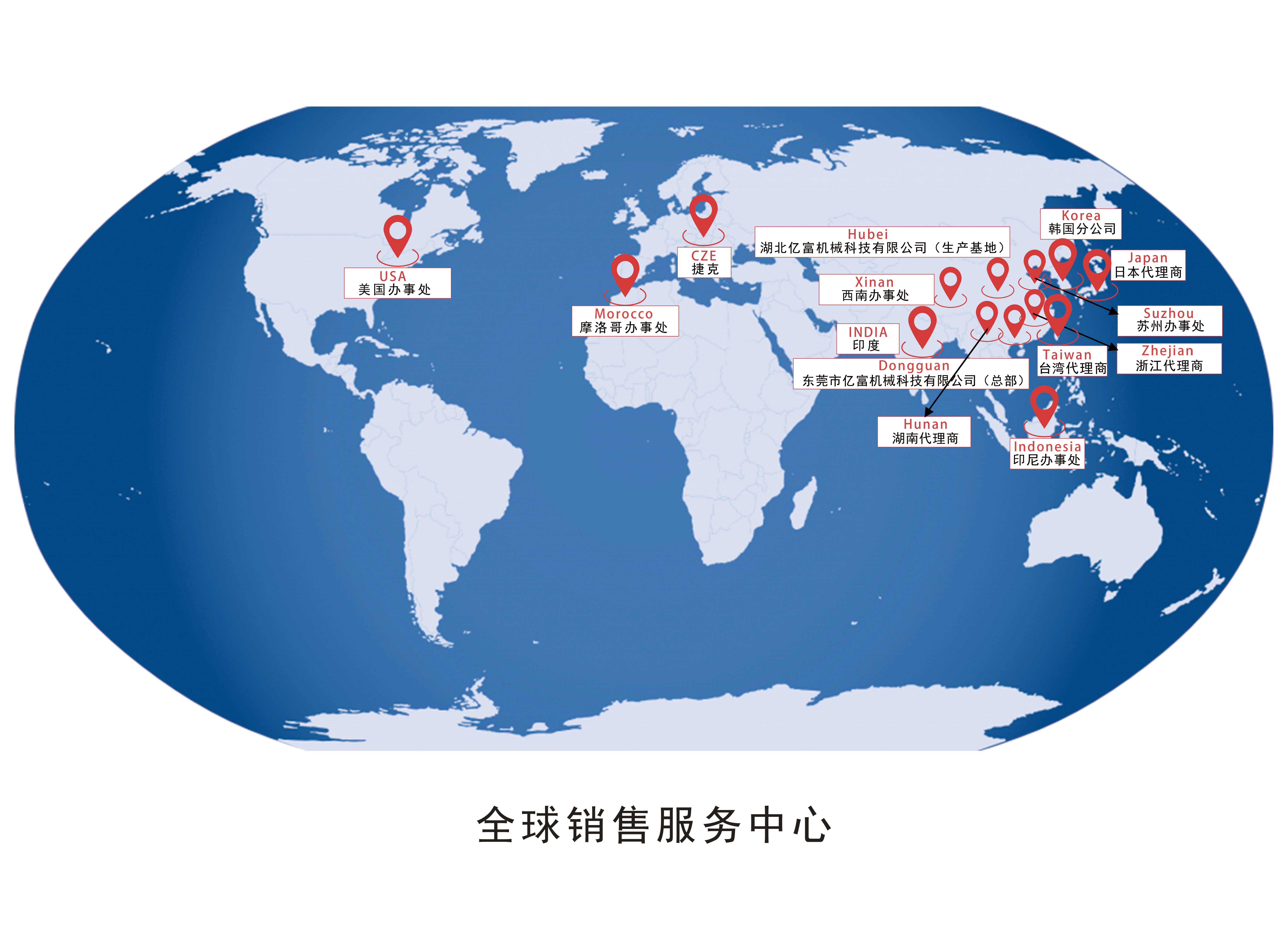
Yifu Sand Mill has been at the forefront of global layout. We will draw on our overseas market experience in South Korea, Southeast Asia, Europe and other countries, and use our exquisite sand grinding production line technology and rich experience to deeply explore the Indian market. We are committed to bringing China's high-end sand mill technology to India and injecting new vitality into the development of new energy in India!
In short, India’s new energy market is full of opportunities and challenges. For Chinese new energy people, India is a market worthy of in-depth exploration and development. In this emerging market full of potential, whoever can seize the opportunity is likely to stand out in the future competition. Let us look forward to the wonderful performance of India's new energy market!

 English
 亿富机械
 +86-0769-85626082
 541476175@qq.com
 东莞市大岭山镇颜屋村莲颜路88号