The Middle East is becoming a “new hot spot” for China’s lithium battery materials and grinding equipment to go overseas. Saudi Arabia’s “Vision 2030”, the UAE Energy Strategy, and Oman’s national-level lithium iron phosphate and energy storage projects are intensively implemented—in the next 3 to 5 years, nano-sand mills will usher in a clear window for growth in the Middle East. But behind the opportunities, thresholds such as certification, after-sales, policies, and employment also exist. Entering the market blindly can easily lead to pitfalls; only taking action after making a decision can ensure a sure win.
1. Why is it said that the Middle East is the "high-quality second growth curve" of sand mills?
1. New energy production capacity is exploding, leaving a huge gap in the rigid demand for grinding.
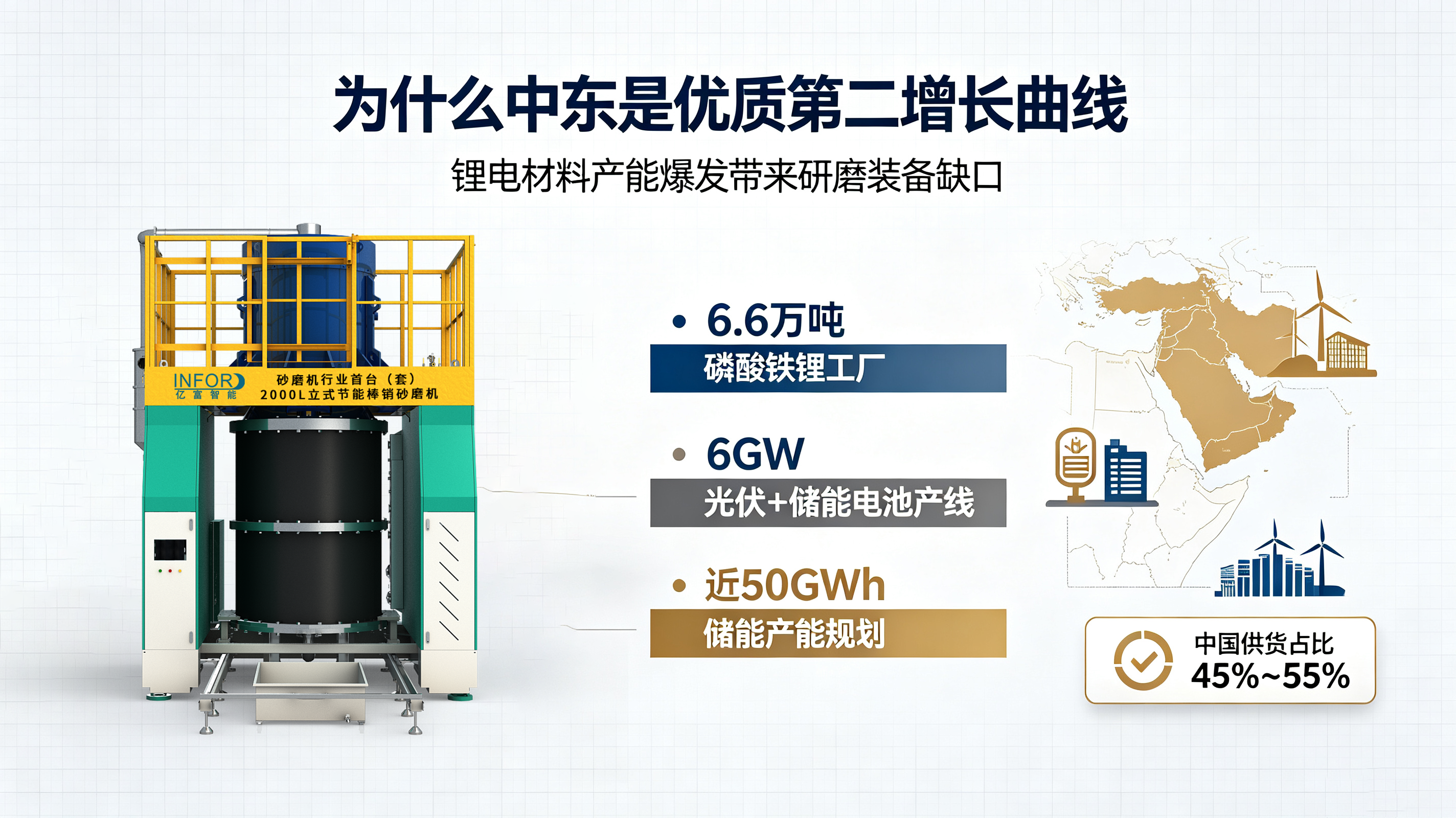
Oman has finalized a 66,000-ton lithium iron phosphate factory and a 6GW photovoltaic + energy storage battery production line; Saudi Arabia and the United Arab Emirates jointly plan nearly 50GWh of energy storage capacity. Production lines for positive electrodes, negative electrodes, and conductive slurries have been started one after another, and nano sand mills are the core equipment for the production of lithium battery materials.
The Middle East has almost no local grinding equipment manufacturing capabilities, and 80% to 90% relies on imports. Among them, Chinese sand mills account for 45% to 55% of the newly installed capacity in the Middle East, surpassing Japan, South Korea and Europe to become the largest source of supply. Industry forecasts indicate that the Middle East lithium battery sand mill market will grow at an annual rate of 9% to 14% from 2026 to 2035, with energy storage and LFP materials being the biggest demand engines.
2. The advantages of building factories in the Middle East force material factories to choose cost-effective domestic brands.
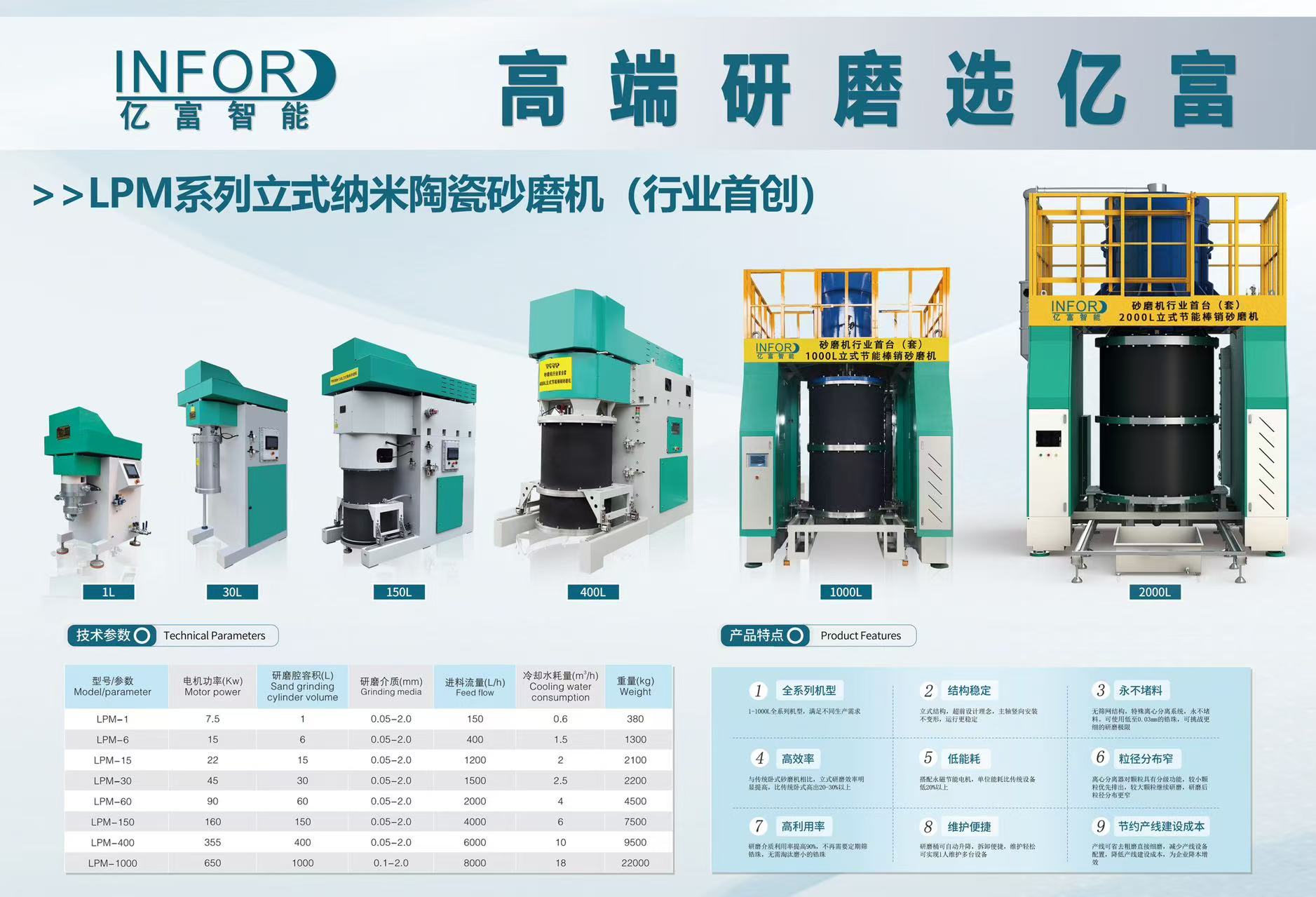
The Middle East has the world's lowest industrial electricity prices and loose mineral processing policies. A large number of Chinese-funded materials companies are transferring production capacity from Indonesia and Africa to free trade zones in Saudi Arabia, Oman and Dubai. The core demands of these factories are highly consistent: stable equipment, high degree of automation, high temperature resistance and sand and dust resistance, and fast after-sales response.
European sand mills are 30% to 50% more expensive and have long after-sales cycles; Japanese and Korean equipment have poor flexibility in customization. Chinese sand mills are capable of producing large-volume models, can also be customized according to LFP and silicon-carbon materials, and can adapt to high-temperature working conditions in the Middle East - with obvious cost and service advantages, they are becoming the first choice for overseas material manufacturers.
3. Diverse application scenarios, not just lithium batteries, stable repurchase
In addition to power batteries and energy storage, the Middle East also has three major continuing needs:
· Coatings and industrial inks: anti-corrosion coatings for infrastructure and oil pipelines, which require dispersion and grinding equipment all year round;
· Mineral deep processing: purification and grinding of phosphates and mineral powders;
· Semiconductor polishing fluid and new nanomaterials: Dubai and the UAE high-tech parks lay out fine chemicals.
Selling equipment is just the starting point. Subsequent consumables and services such as zirconium beads, seals, and process modifications will bring long-term repurchase benefits.
4. Geographical hedging dividend: The Middle East actively embraces Chinese equipment
Indonesia, the Democratic Republic of the Congo and other resource countries have locked up minerals and promoted local manufacturing, forcing material companies to locate their second production capacity base in the Middle East. At the same time, the Gulf countries are deliberately reducing their dependence on the European and American industrial chains. Industrial equipment procurement no longer follows the dictates of Germany and Japan, freeing up considerable space for Chinese sand mills. Coupled with shipping fluctuations in the Red Sea and Strait of Hormuz, the Middle East is more willing to sign long-term framework orders with nearby Chinese equipment manufacturers.
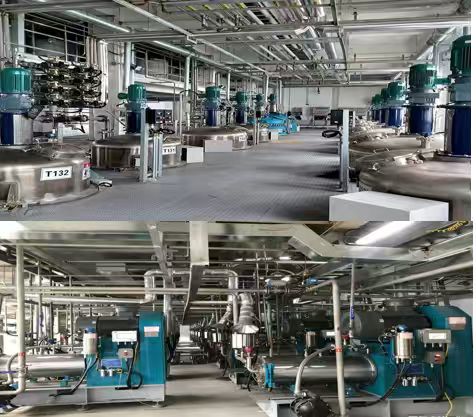
2. Don’t rush, first look at these 4 “fatal risks”
Risk 1: Certification barriers – if GCC/SASO is not implemented, the goods will be detained at the port
Saudi SASO and GCC compulsory certification are hard thresholds. Sand mills are industrial special equipment and need to complete a complete set of safety, electrical, and explosion-proof certifications for the entire machine, which takes 2 to 6 months and is expensive. Due to incomplete certification, many small manufacturers incur huge demurrage fees after the goods arrive at the port, resulting in heavy losses.
Risk 2: Geopolitics and labor costs far exceed expectations
Although the Gulf countries are generally stable, they are gradually introducing localization requirements. In the future, local procurement ratios of equipment parts and after-sales teams may be forced to be localized. Some countries may also temporarily adjust tariffs or foreign ownership restrictions.
In addition, skilled operators and maintenance engineers are scarce in the Middle East, and labor costs are 1.5 to 2 times higher than in China. Customers will give priority to purchasing models that are fully automatic and can be operated and maintained remotely. It is difficult to sell low-end equipment at a premium, and the after-sales pressure is huge.
Risk 3: The after-sales radius is too long, and asset-light sales can easily damage your reputation.
Saudi Arabia, Oman, and the United Arab Emirates are far apart. If we only engage in trade and do not install parts warehouses and service engineers, the maintenance cycle after equipment problems can easily take one to two weeks. Customers will quickly turn to European, Japanese and Korean brands with local service capabilities.
The winning strategy: Set up a service center + spare parts warehouse in Dubai to cover the entire Gulf market - this requires necessary initial investment in capital and personnel.
Risk 4: The market is slow and there will be no "explosion of orders" in the short term
The Middle East has many new energy project plans and slow implementation. A large number of 100-billion-level projects will not be put into production until 2027-2028. The current orders are mainly for pilot lines and small batch production lines, and will not explode in the short term like in China or Southeast Asia. You need to be patient and cultivate customers and be long-term.
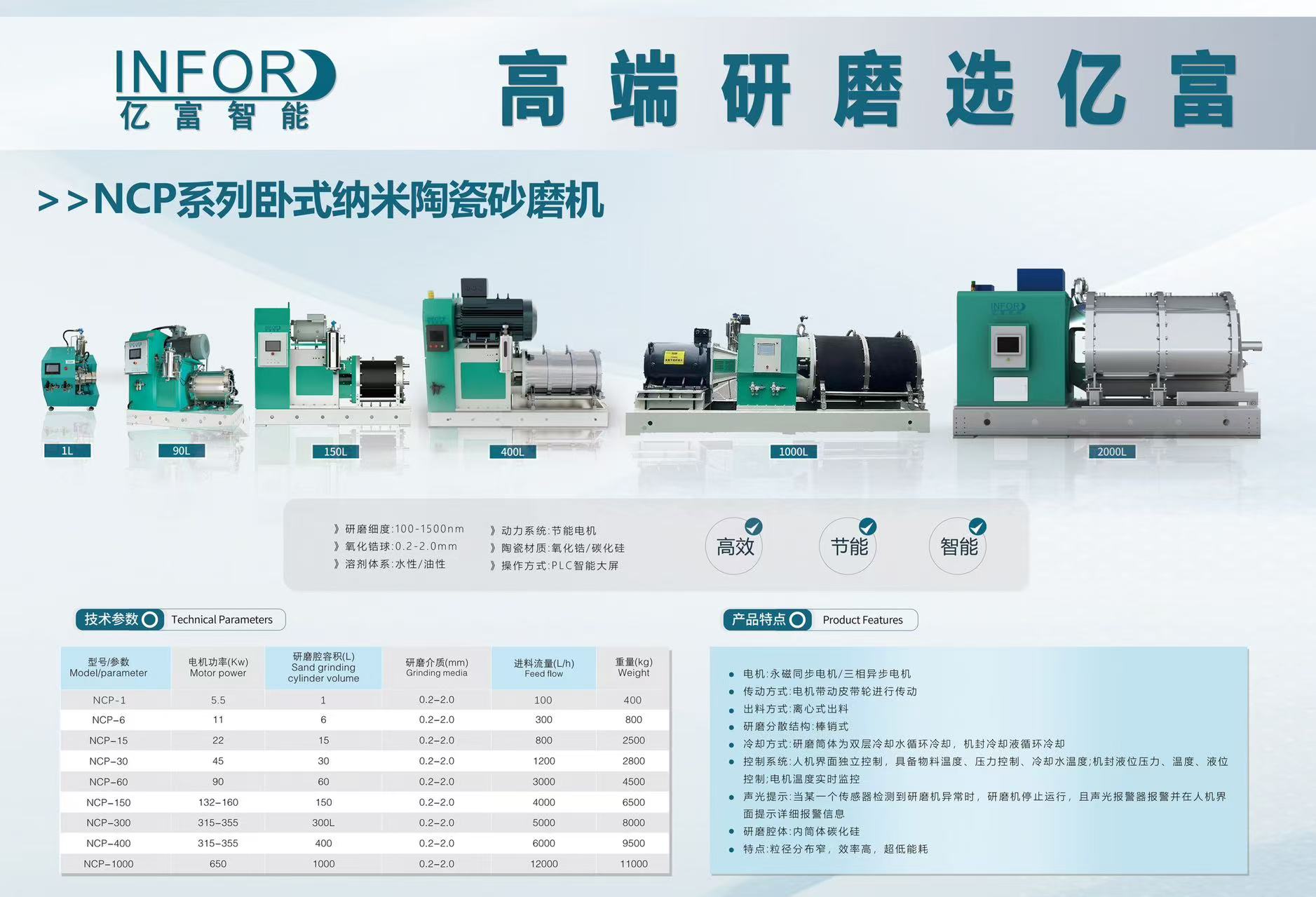
3. Practical suggestions: How to win the Middle East steadily and steadily?
1. Start with light assets, focus on services first
· Fulcrum selection: Jebel Ali Free Trade Zone in Dubai or Duqm Free Trade Zone in Oman, with a small spare parts warehouse and 1 to 2 process after-sales engineers;
· Main customers: Chinese overseas lithium iron phosphate/anode material factories, local new energy EPC general contractors;
· Main products: large-volume vertical sand mills suitable for LFP mass production, high cooling models (to handle high temperatures), and intelligent remote operation and maintenance models.
2. In-depth localization improvement of products
· Optimize the dustproof and cooling system of the entire machine to cope with high-temperature sand and dust environments;
· Provides full English operation interface and remote fault diagnosis, reducing dependence on on-site labor and adapting to local employment conditions.
3. Customer stratification, echelon development
· The first echelon: large-scale material projects invested by the sovereign funds of Oman and Saudi Arabia (highest certainty, large order volume);
· The second echelon: Chinese small and medium-sized material companies transferred from Indonesia (familiar with domestic equipment, quick decision-making);
· The third echelon: local fine chemicals and coatings manufacturers, making long-tail orders for small equipment.
4. The bottom line of risk control cannot be crossed
· Certification first: complete the GCC/SASO complete machine certification before shipment, and never go through gray customs clearance;
· Strict payment control: New customers are given priority in letter of credit settlement, and credit sales are strictly controlled;
· Leverage local forces: bind local agents or industrial park management committees to settle qualifications, customs clearance and labor regulations.
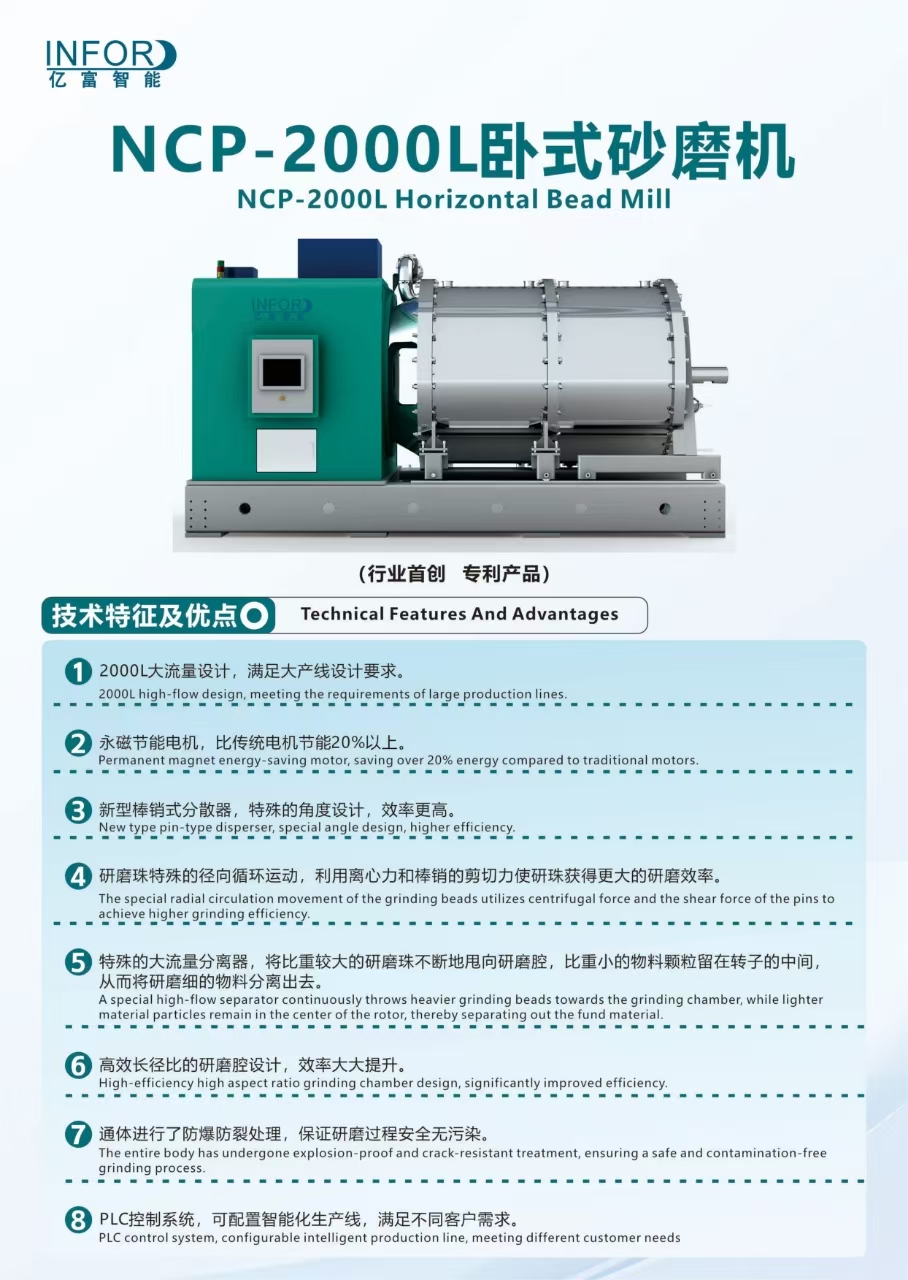
In the Middle East sand mill market, what is earned is slow and stable money, not fast money. At present, new energy production capacity has just entered the implementation cycle, and the equipment gap has opened. Domestic sand mills can crush European and American competitors with their cost-effectiveness and process customization capabilities. However, the three thresholds of certification, after-sales service, and policy compliance cannot be circumvented and cannot be rushed.
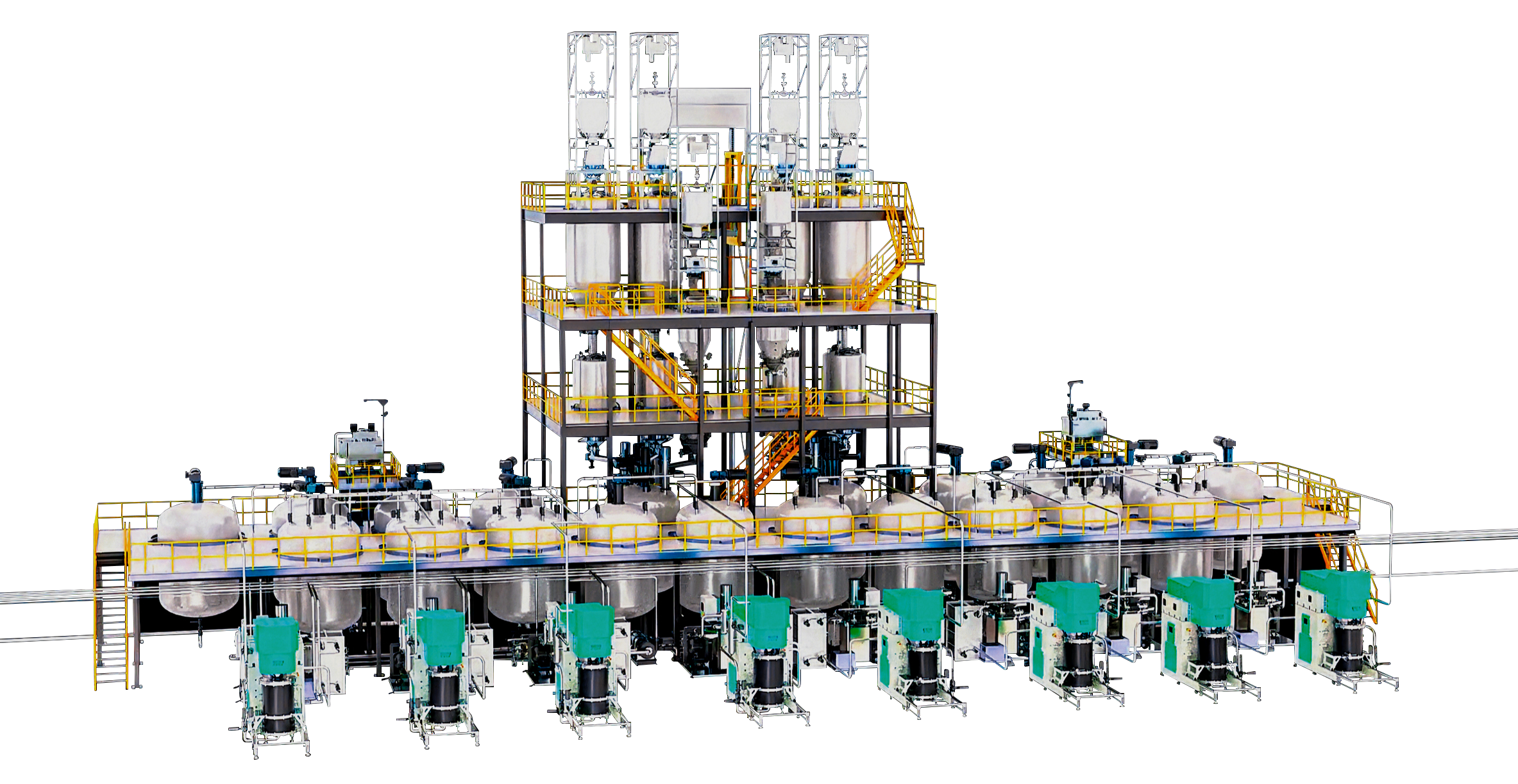
First do equipment sales + after-sales spare parts services, and deeply bind overseas lithium battery material customers; wait for the industry chain to mature in 2 to 3 years, and then consider more in-depth localization. Compared with Indonesia and Africa, which have high risks, the Middle East is undoubtedly a very high-quality "second growth curve" on the way to sea, but it prefers long-termists who are patient and prepared.

 English
 亿富机械
 +86-0769-85626082
 541476175@qq.com
 东莞市大岭山镇颜屋村莲颜路88号