
A nanometer is a unit of length, and 1 nanometer is equal to one billionth of a meter. When matter is "cut" down to the nanoscale, it exhibits completely different properties than when it occurs at the macroscale. When the originally conductive metal reaches the nanometer scale, it will gradually become a semiconductor and then an insulator; when the size is further reduced, it will exhibit quantum effects and become a conductor again. In the microscopic world, nanofunctional materials will exhibit magical properties such as macroscopic quantum tunneling effect, surface effect, and small size effect.
In fact, nano-functional materials are not all artificially synthesized. There are also these microscopic "elves" in nature - the nano-scale papillae structure on the surface of lotus leaves can allow water droplets to roll off without leaving traces; butterfly wings can show different colors with the change of light, also because of the nano-structures on the wings; the enamel on the surface of our teeth is also composed of nano-scale hydroxyapatite crystals, which makes the enamel extremely strong and wear-resistant... These natural nano-functional materials have shown amazing properties in their long historical evolution.
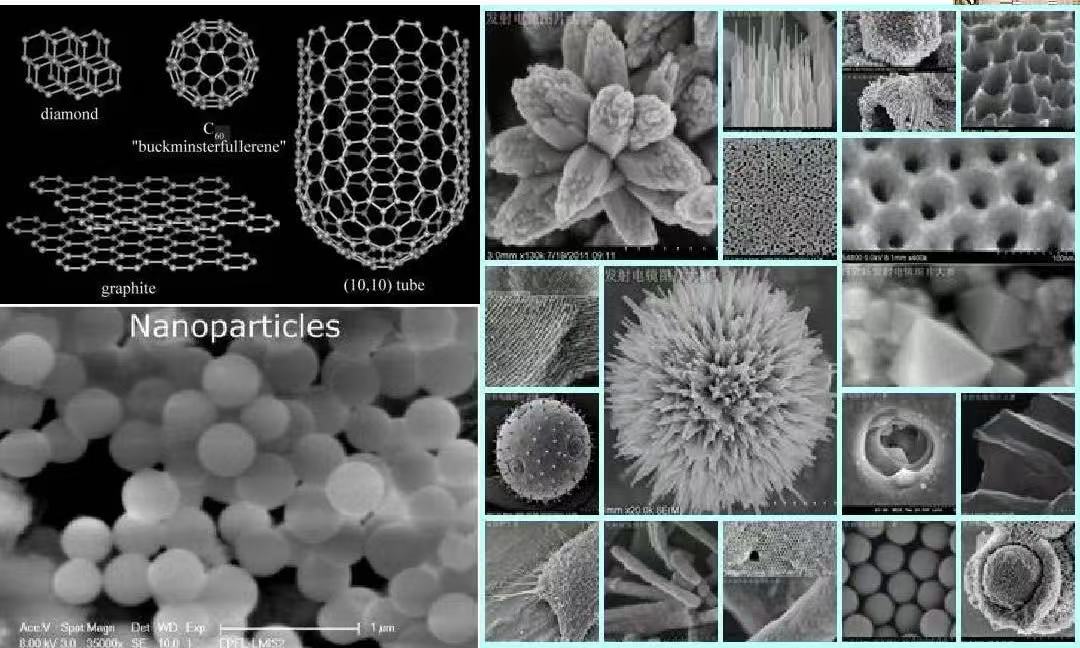
When the dimension of matter shrinks to the nanometer level, it seems that some kind of "magic" has been exerted on it, and its inherent properties will undergo subversive changes. This strange phenomenon caused by the drastic change in scale not only opens up a new dimension for scientific research and exploration, but also opens up new paths for technological applications.
In the future, nanorobots may also enter the human body to treat people. It is a system formed by a collection of "functional molecular devices" that can operate in nanospace. This "robot" is very different from the usual robot image. A nanorod or nanotube can be a nanorobot.

In the energy field, the three-dimensional conductive network constructed of carbon nanotubes in lithium-ion batteries provides a "highway" for electrode materials to obtain electrons, and the charging speed increases exponentially. Not only that, nano-modified batteries can also achieve secondary use of heat in winter through graphene heat dissipation coating, breaking through the bottleneck of battery life. In terms of safety protection, the nano thermal insulation coating has thermal barrier properties. Even if the battery encounters extreme thermal runaway, it can maintain structural integrity for about 15 minutes, buying valuable time for escaping from a car accident.
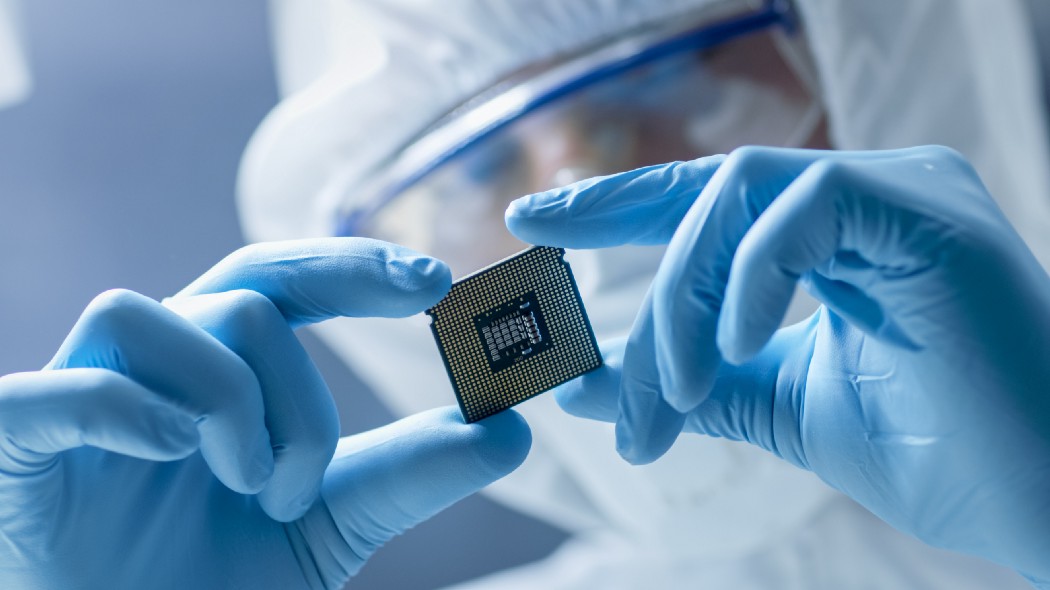
The information industry at the nanoscale is also shining brightly: when photolithography machines break through the 2-nanometer process node, the number of transistors in a chip the size of a fingernail exceeds the 10 billion mark, and the torrent of computing power drives the leapfrog development of cutting-edge fields such as artificial intelligence and the Internet of Things. Parallel to this, nanosensor technology is pushing environmental monitoring and health management to a new stage of real-time precision.
When mankind sets its sights on the stars and the sea, nanomaterials show unprecedented application potential. Space elevator cables made of carbon nanotubes have a theoretical strength up to a hundred times that of steel, making future low-cost space and ground transportation possible. The nano-protective layer technology puts "armor" on the spacecraft: the porous structure of the nano-aerogel can not only block the extremely low temperature in space, but also withstand the ultra-high temperature when the return capsule re-enters the atmosphere; the nano-composite coating reduces the cosmic radiation dose by 3 orders of magnitude through the multi-layer interface reflection mechanism, providing a key solution for the life support system of deep space exploration.
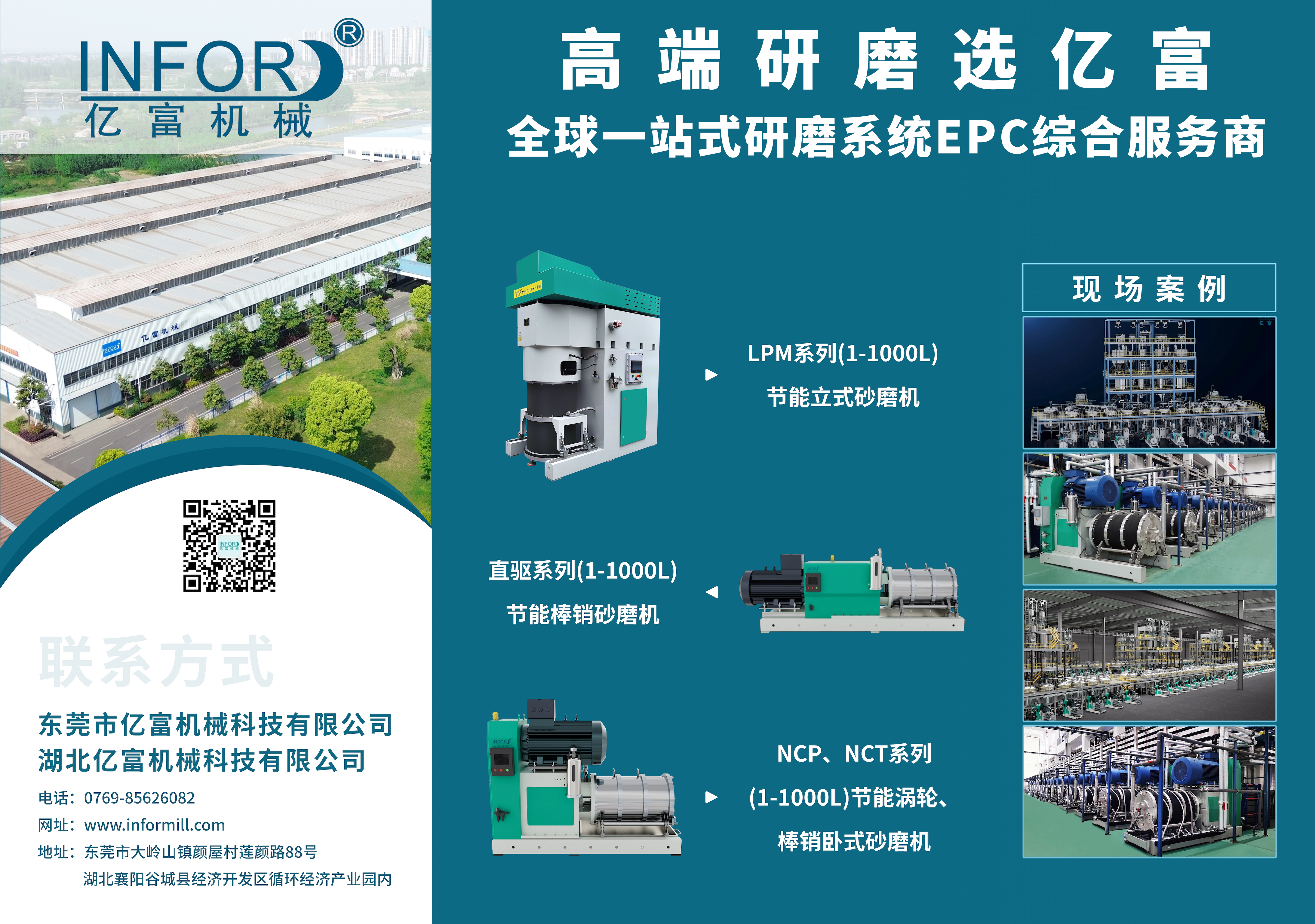
Yifu vertical nano sand mill is specially developed for the grinding and production of high-end nano materials. The vertical sand mill has excellent performance characteristics such as high efficiency and stability, no mesh leakage, and grinding fineness of tens of nanometers. It can provide powerful advanced equipment support for the development of the nano material industry. Follow us and take you to learn more about high-end nano grinding knowledge.

 English
 亿富机械
 +86-0769-85626082
 541476175@qq.com
 东莞市大岭山镇颜屋村莲颜路88号
