This week, the domestic new energy field has ushered in two major policies. From battery materials and energy storage to vehicle manufacturing and equipment overseas, the entire industry chain is being profoundly reshaped.
First, new regulations on lithium battery consumption tax have been officially implemented. The Ministry of Finance, the General Administration of Customs, and the State Administration of Taxation have announced that starting from September 1, 2026, conventional lithium-ion batteries will be levied a consumption tax at a rate of 2%, which will be increased to 4% from September 1, 2027. At the same time, sodium-ion batteries, solid-state batteries, and fuel cells will be exempt from consumption tax until the end of 2028. Exported batteries can enjoy the "first attack, then later" policy. The policy uses tax leverage to clearly point the direction - forcing the industry to shift from low-end expansion to high-end innovation.
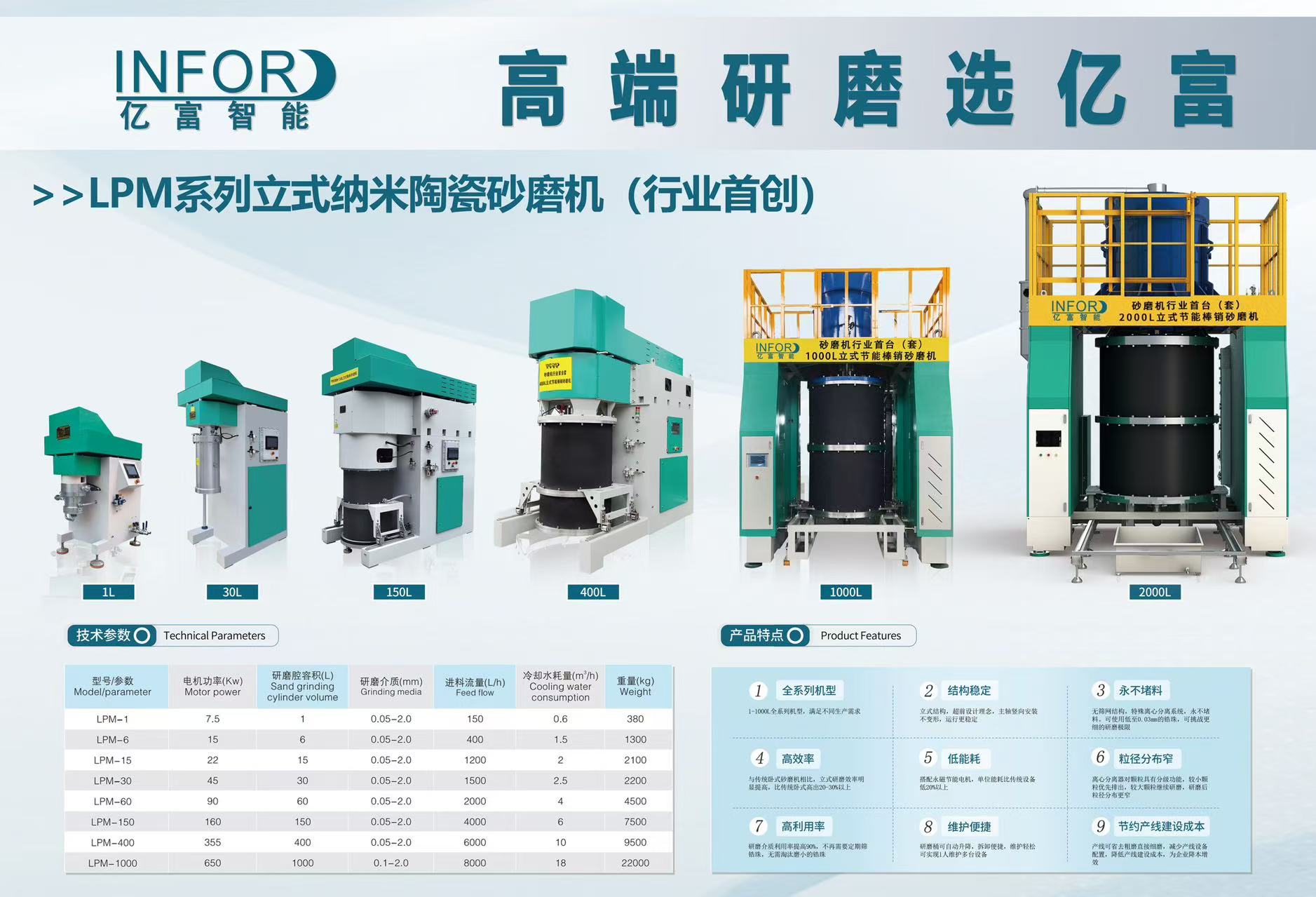
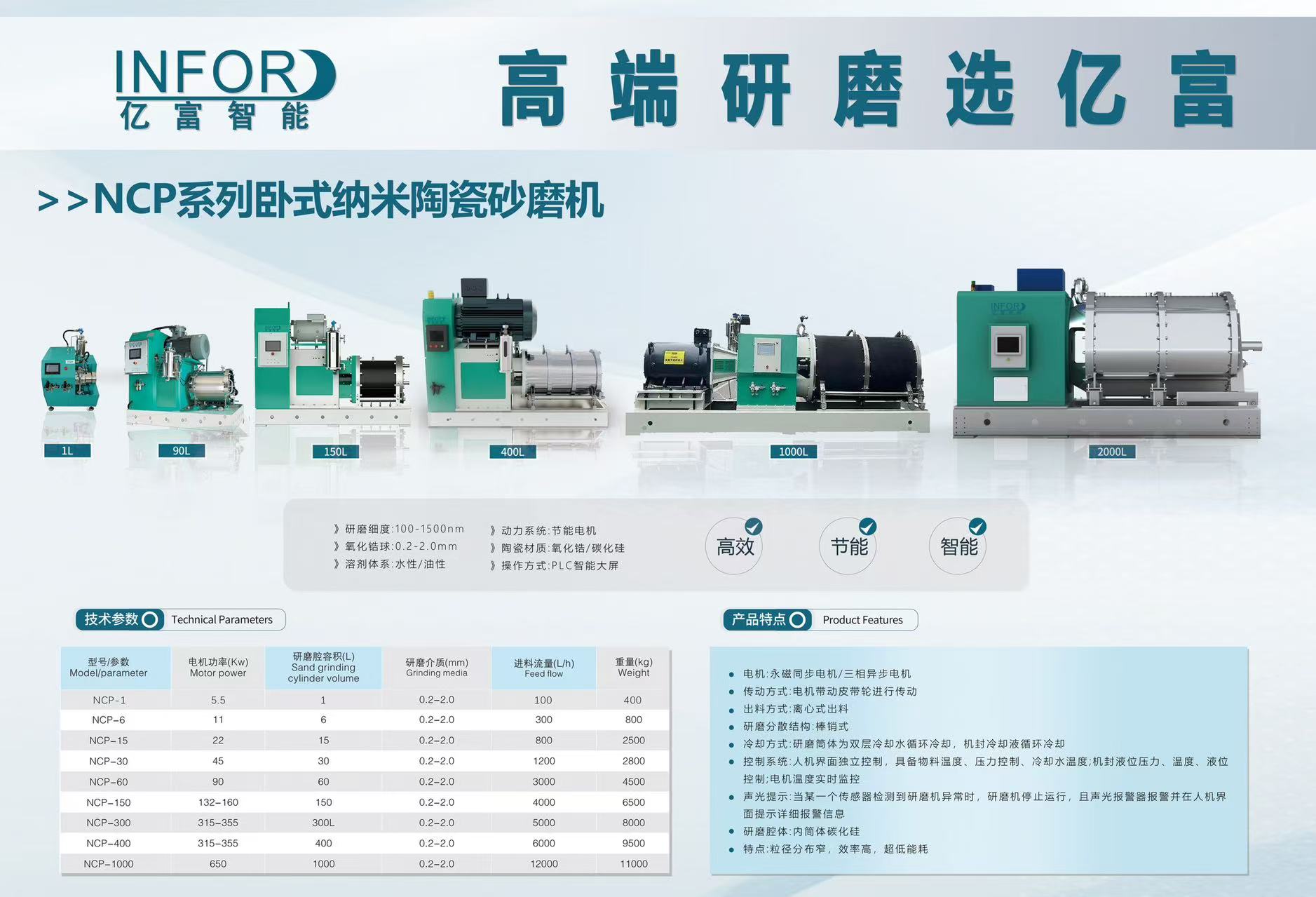
Second, the “15th Five-Year Plan” renewable energy plan was officially issued. The plan proposes that the total installed capacity of renewable energy power generation will reach about 3.5 billion kilowatts by 2030, of which the total installed capacity of wind power and photovoltaic power will not be less than 2.8 billion kilowatts, accounting for more than 50% of the installed capacity. It is expected that the total industrial investment scale during the "15th Five-Year Plan" period will exceed 5 trillion yuan. The core direction of planning is exactly what you mentioned as “long-term energy storage” and “computing and computing collaboration.” Recently, PetroChina and major energy storage companies have been purchasing lithium iron phosphate energy storage systems on a large scale. Orders for supporting energy storage for AI data centers have exploded. Demand for liquid-cooled energy storage, slurry processing, and grinding equipment is clearly rising.
Looking at the cathode material market, the price of lithium iron phosphate has bottomed out. Hunan Yuneng officially announced a price adjustment on July 15. Starting from August 1, all series of products will increase by 2,000 yuan per ton; leaders such as Longpan Technology also followed up with price increases. In terms of overseas layout, Longpan Technology's Indonesian lithium source phase III project (with an annual output of 120,000 tons of second-generation and third-generation lithium iron phosphate cathode materials) officially started construction in July, with a construction period of 12 months. Defang Nano has built a production capacity of 450,000 tons/year of phosphate cathode materials, and plans to add an additional 500,000 tons/year of production capacity.
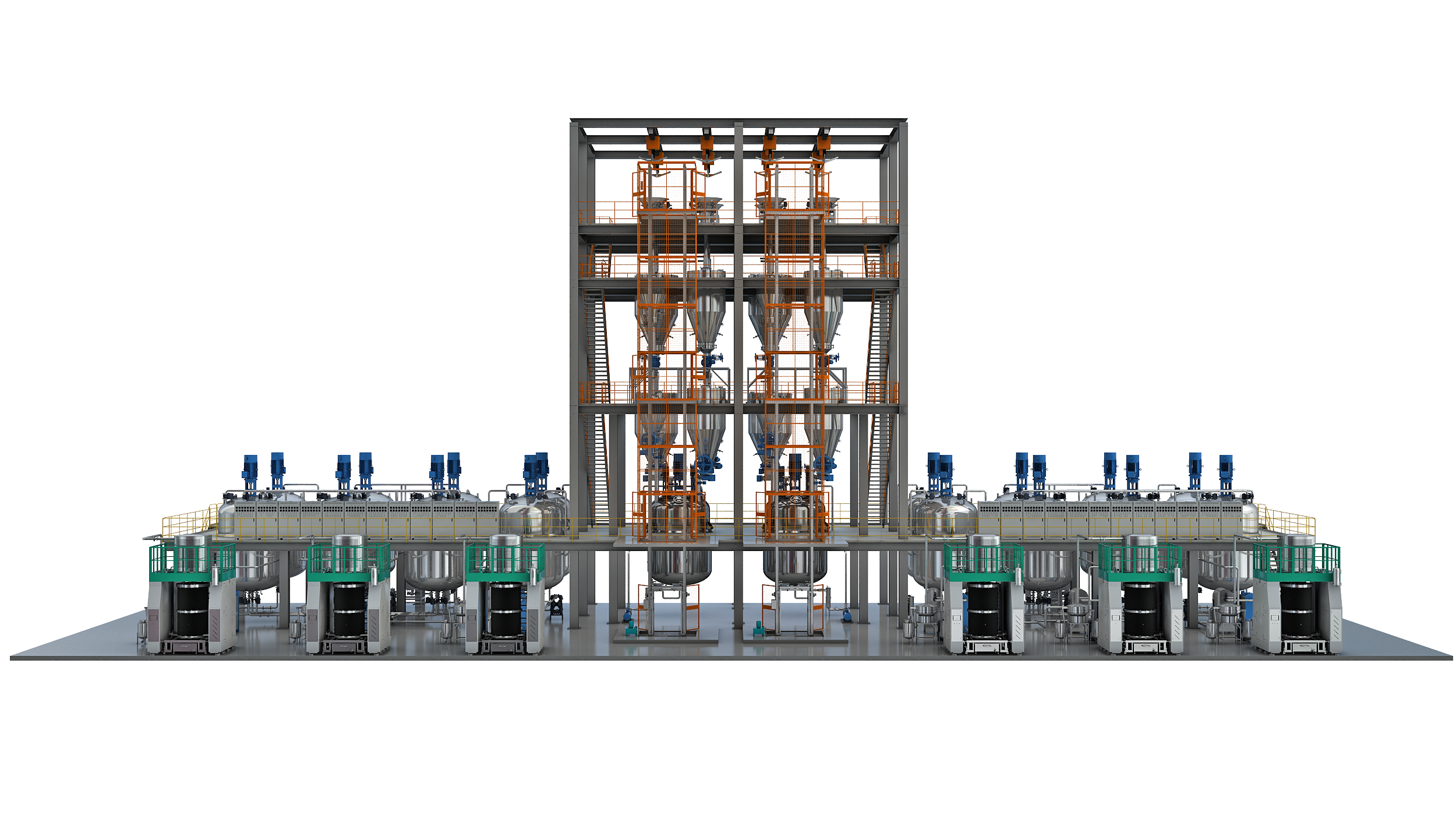
The pattern of new energy vehicles is also clear: the penetration rate of domestic new energy vehicles has remained above 60% for three consecutive months, reaching 62.8% in June. The market is experiencing serious involution, with vehicle manufacturers shrinking domestic inefficient production capacity and turning to overseas construction of assembly plants. Weilan Lithium Core announced on July 9 that it plans to invest US$290 million in a new 5GWh cylindrical lithium battery project in Indonesia; Yiwei Lithium Energy's Malaysian factory has achieved overseas mass production and delivery.
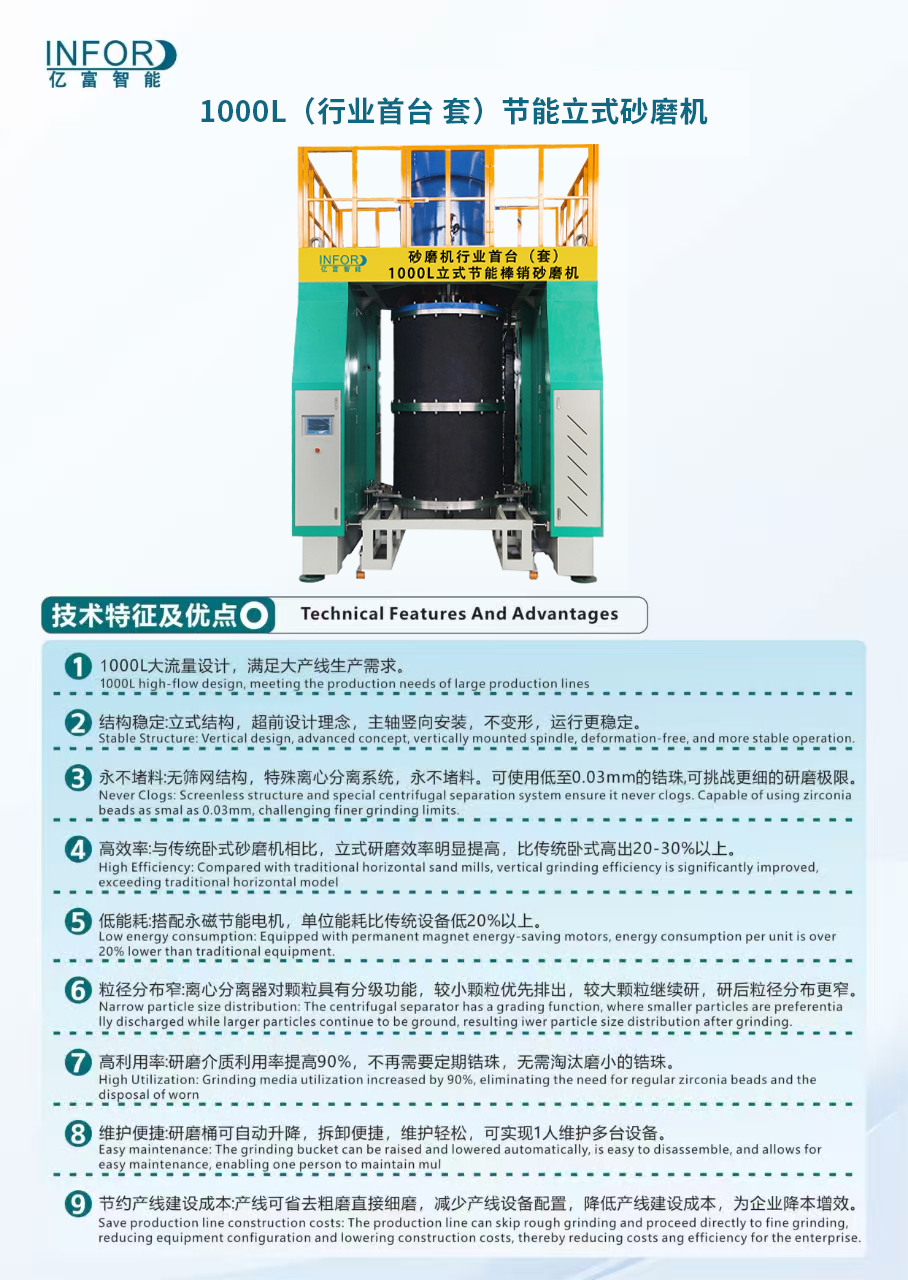
The photovoltaic track is shuffled simultaneously. On July 20, the mandatory national standard for photovoltaic energy efficiency was officially implemented. The minimum conversion efficiency threshold of TOPCon, HJT, and BC modules has been significantly raised. It is expected that about 30% of the production capacity will be eliminated. BC high-efficiency components usher in development dividends. The export of finished components is subject to U.S. anti-circumvention restrictions, and companies have turned to exporting entire production line equipment for back-end packaging in Malaysia and Vietnam.
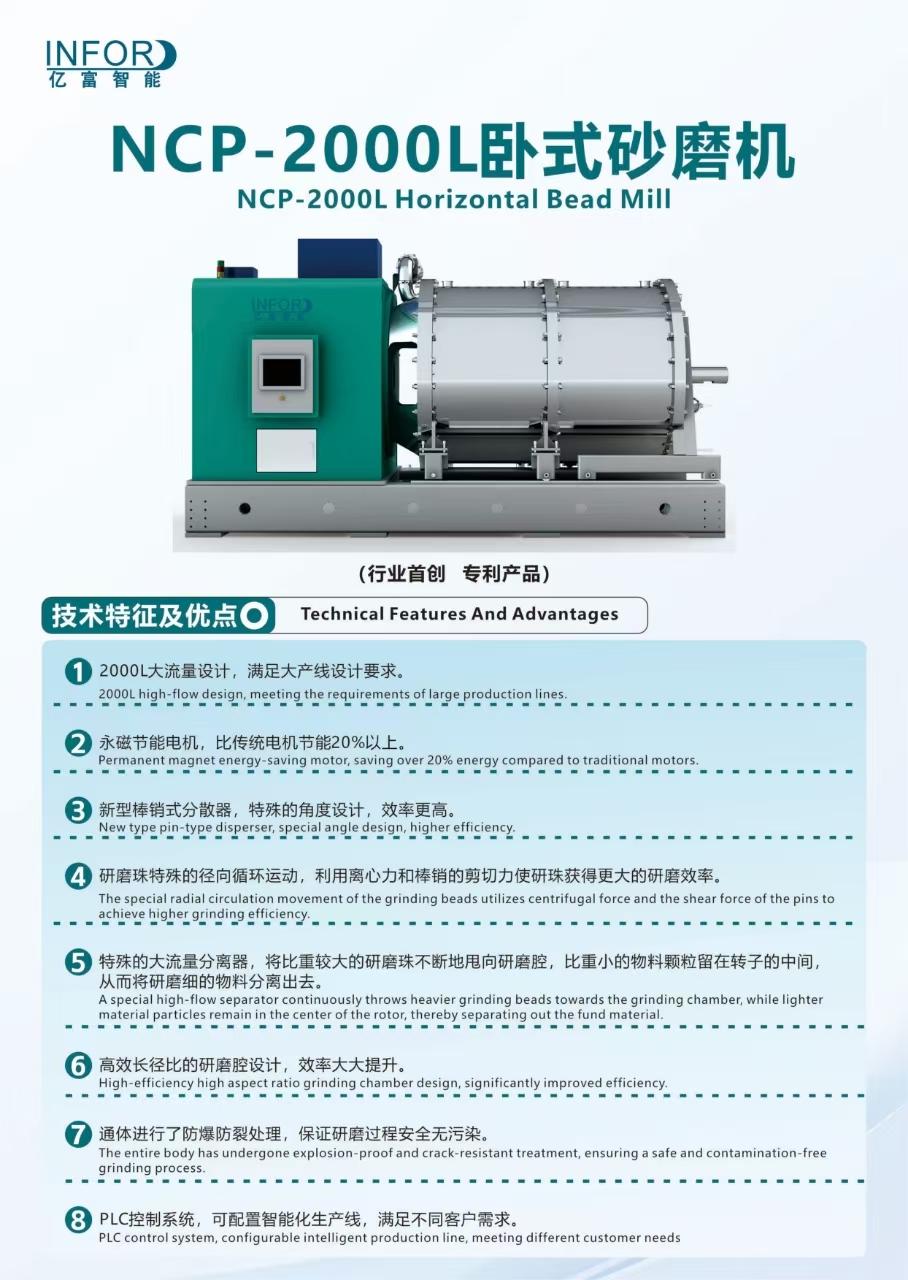
In summary, domestic new energy has entered an era of comprehensive expansion, and the overall logic is very clear - low-end materials go overseas, high-end technologies stay at home, and manufacturing equipment is sold around the world. For lithium battery equipment practitioners, equipment will be the most stable incremental opportunity in the next two to three years, whether it is upgrading domestic production capacity or building factories around the world.

 English
 亿富机械
 +86-0769-85626082
 541476175@qq.com
 东莞市大岭山镇颜屋村莲颜路88号