
When the world's major economies are experiencing aging, stock competition, and slowing growth, Africa is becoming the new arena for the future world economy with its only sustainable demographic dividend, rising economic growth, and huge unmet needs. "Those who win Africa will win the future" is no longer a slogan, but a reality that is happening now.
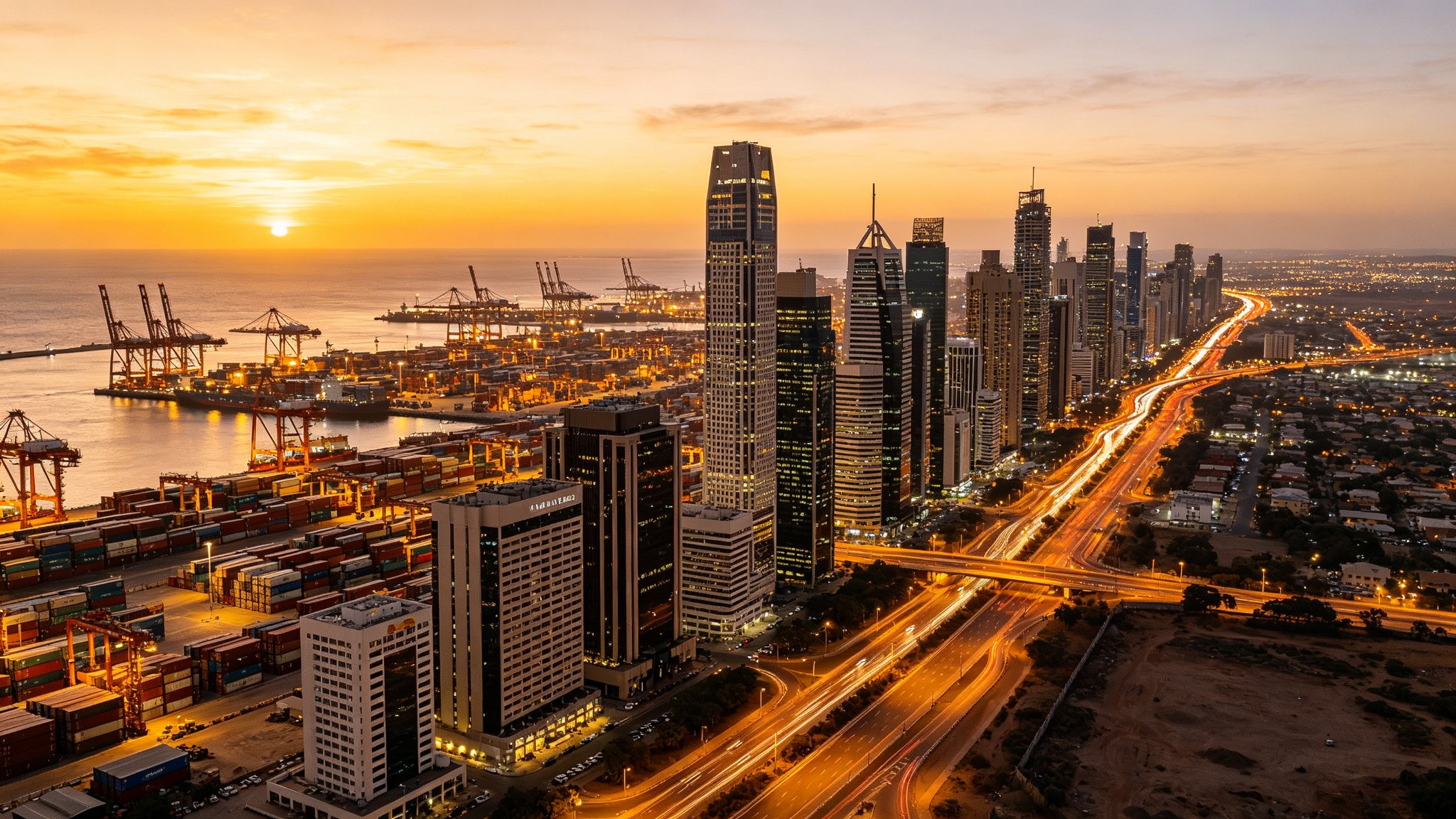
1. Why Africa has once again become a "must fight"
The United Nations Population Division predicts that the global population will reach 11 billion by 2100, of which 4 billion are in Africa. In other words, 4 out of every 10 people on the planet are Africans.
More critical is the age structure: the median age of Africans is currently only 19.4 years old, and more than 60% of the population is under 25 years old. This is in sharp contrast to the aging population in East Asia and Europe. High fertility rates coupled with short intergenerational cycles make Africa the last reservoir for global labor and consumption growth.
The macro level is also supportive. Data from the African Development Bank and the IMF show that from 2025 to 2026, Africa's economic growth will stabilize between 4.2% and 4.3%, significantly higher than the global average. Africa often accounts for more than half of the world's 20 fastest-growing economies. The urbanization rate is increasing by about 1.5% every year, and by 2030, the middle class is expected to exceed 500 million. Coupled with the surge in mobile phone penetration, Africa has become the most concentrated incremental market for digital natives.
The direction of capital is more telling. According to data from the United Nations Conference on Trade and Development, Africa will absorb approximately US$97 billion in foreign direct investment in 2024, a year-on-year increase of 75%; during the same period, global FDI fell by approximately 11%. China's investment stock in Africa has exceeded US$42 billion. Europe focuses on resources and agriculture, Gulf capital values new energy and cultural tourism, and Chinese capital continues to increase investment in infrastructure, power, industrial parks, and material processing. The inflow of capital against the trend shows that Africa is not a "concept", but has begun to enter a stage where investments can be made, factories can be built, and money can be collected.
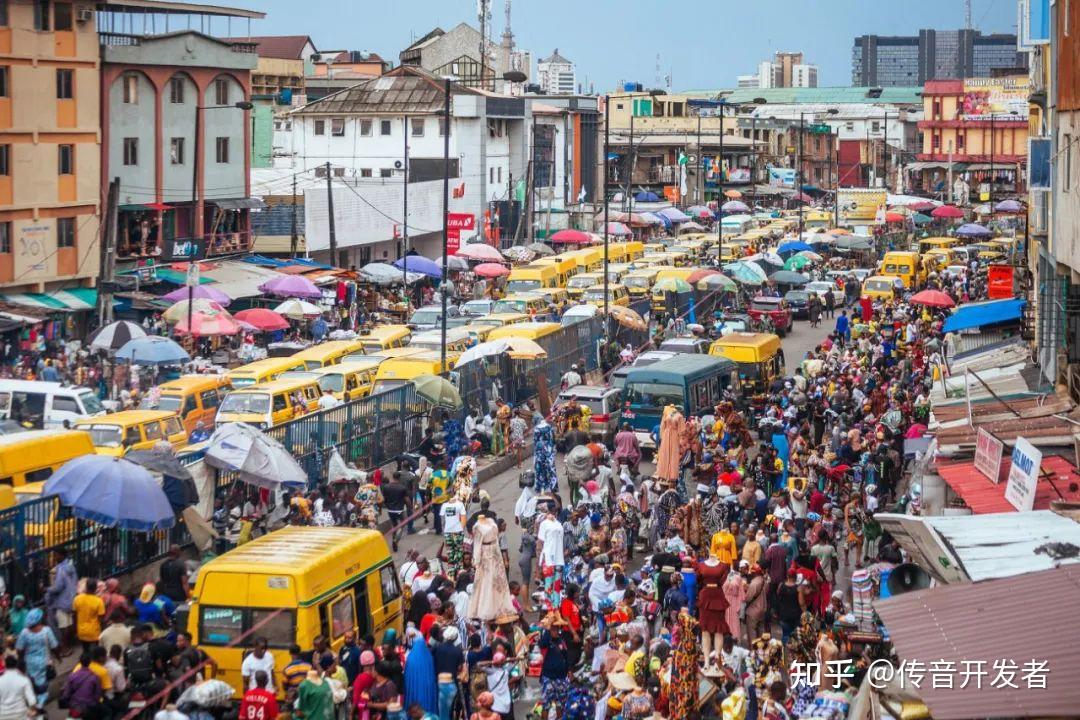
2. Africa’s golden window period: like entering China in the 1980s
Why is it said that now is the golden window period for investing in Africa?
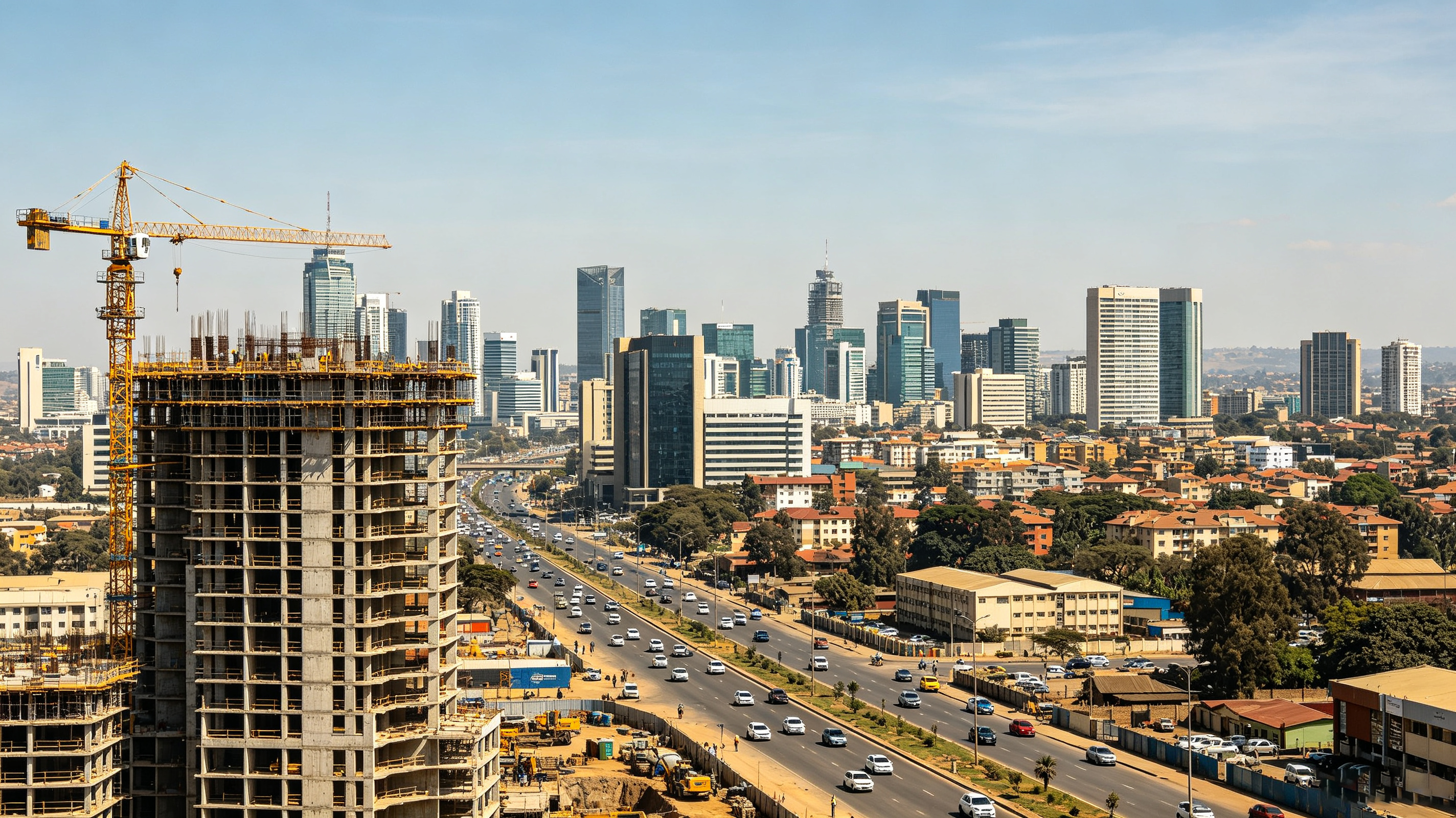
Because Africa now is like China in the 1980s - a last opportunity to make early investments and then enjoy exponential returns. Some high-rise buildings in Nairobi have been sold out while still in the drawing stage, and the rental return rate may be able to pay back the capital in eight years, which is very similar to China's urbanization boom in the 1990s.
Africa also has a special "dual structure": In terms of culture and values, influenced by its long colonial history and social media habits, it is more inclined to the West; but it is highly dependent on China for infrastructure construction, industrialization and economic and trade cooperation. Roads, railways, ports, and high-rise buildings are mostly built with Chinese technology and capital.
This kind of survival wisdom of "culturally facing the west and economic facing the east" makes Africa the core fulcrum of the game between great powers.
3. Industrial restructuring: what is happening in Africa
"Africa is not a bonsai that needs charity, but a tropical rainforest with infinite possibilities."
Many companies' impressions of Africa are still limited to mineral exports and infrastructure contracting. But what is really worthy of attention are the three types of production lines that are being localized:
1. New energy and battery materials: North Africa first, resources + close to Europe dual drive
Morocco has about 68% to 75% of the world's phosphate reserves. The annual container volume of Tangier Mediterranean Port exceeds 11 million TEU, and it can be shipped to southern Europe in one day. Guoxuan, Beterui, Zhongwei, Tianci and other companies have deployed LFP cathodes, precursors, and electrolytes in Morocco; Egypt, relying on its location close to Europe and the Middle East, has undertaken trials of new energy and energy storage materials.
2. Coatings, inks, pigments, and color pastes: West Africa, North Africa, and East Africa started to produce simultaneously
In markets such as Nigeria, Egypt, Morocco, and Kenya, with the development of urbanization, real estate, automobiles, and packaging and printing, the demand for industrial coatings and water-based environmentally friendly coatings has shifted from "energy use" to "stable fineness, low VOC, and low energy consumption."
3. Mineral grinding and fine chemicals: Resource-based processing in South Africa, West Africa, and Central Africa
Africa ranks among the top in the world in terms of reserves of more than 50 minerals and 17 types. Lithium, cobalt, rare earths, copper, gold, and phosphorus are all in the new energy and electronic material chain. Industry reports show that the Middle East and African markets are driven by mining development, and the import value of powder crushing and screening equipment in 2025 will increase by approximately 14.2% year-on-year.
4. The window for domestic smart equipment to go to Africa is opening
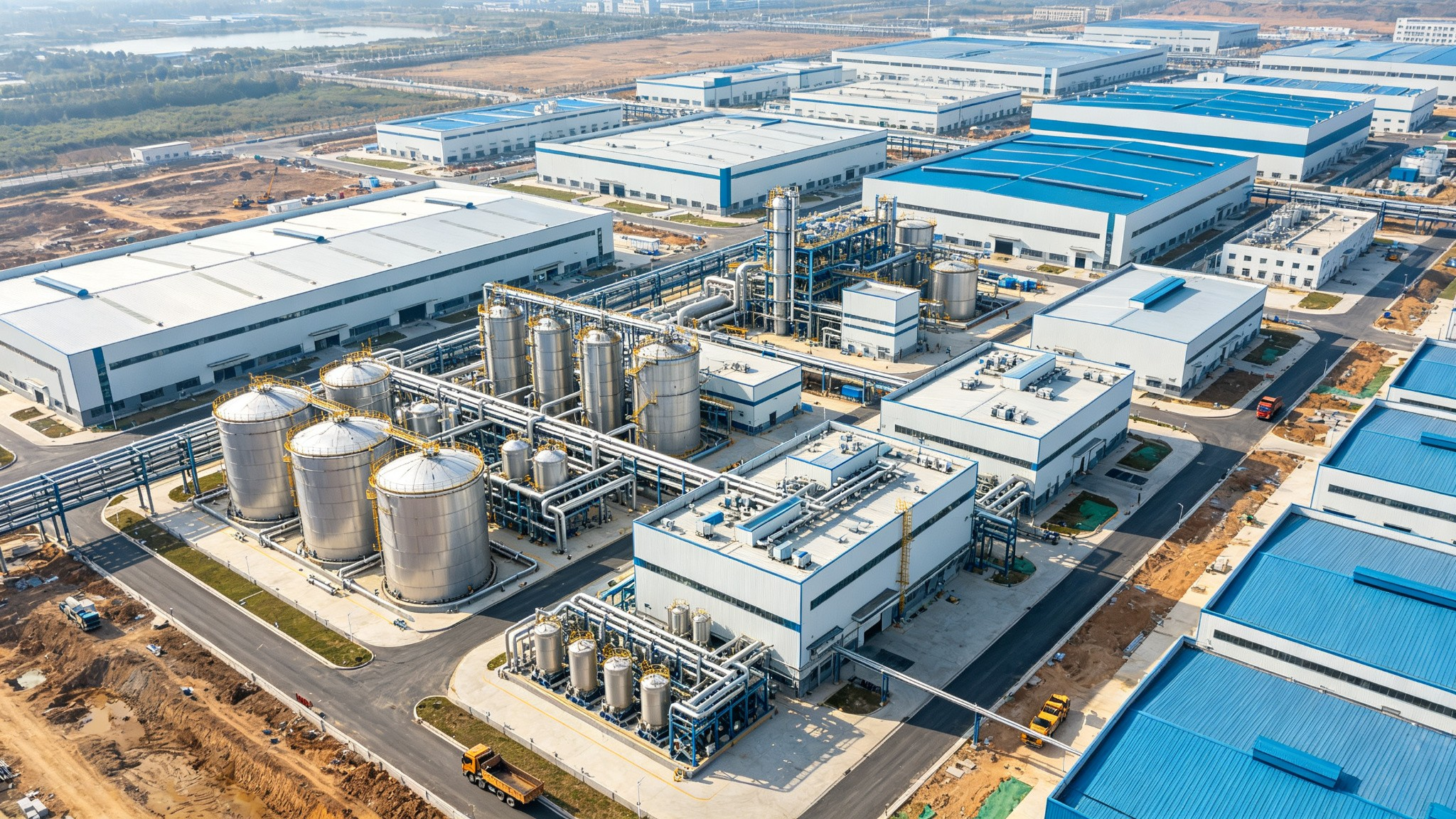
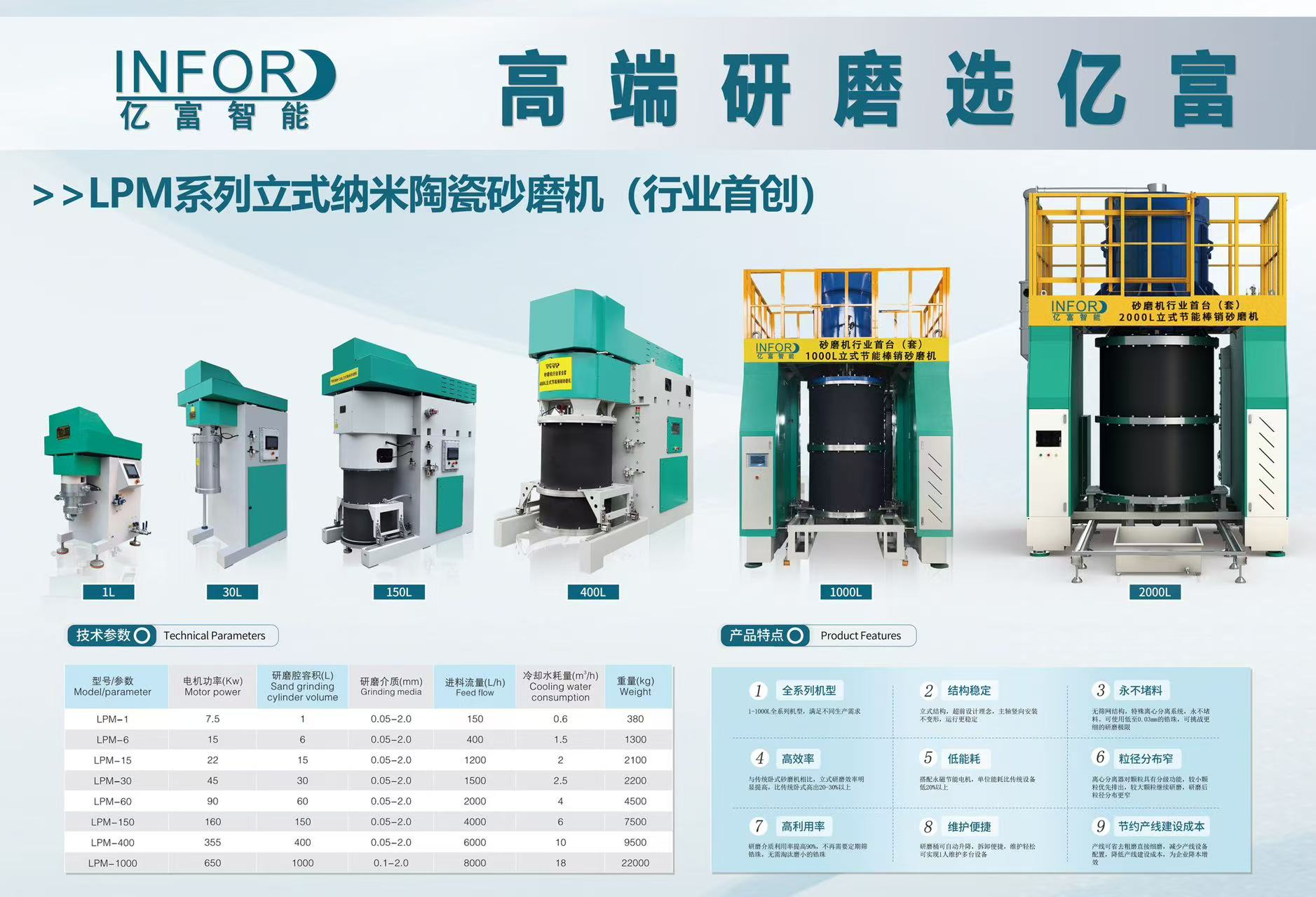
Africa's industrialization from 0 to 1, the localization of new energy and material processing, the overflow of Chinese-funded parks and production lines, and the stacking of triple dividends are turning "domestic high-end equipment" from an option to a rigid necessity. For equipment such as sand mills and intelligent grinding systems, what Africa lacks is not demand, but an industrial base that is stable, energy-saving, and easy to operate and maintain. Compared with high-priced solutions in Europe and the United States, domestic equipment is more suitable for Africa's dusty scene, unstable power, and scarce technicians due to its cost-effectiveness, delivery speed, process adaptation, and Chinese ecological services. In the future, competition will not be about individual machines, but about the system capabilities of "equipment + control + local service" - whoever sinks standards, spare parts and training first will be able to lock the entrance to Africa's material and coating ink production lines for 20 years.
The metaphor of the global wildebeest migration has long transcended nature: if you are involuted in place, you will only be trapped in the dry season; only by migrating across the river can you gain new life.
Africa is not a simple copy of the "next China". It is younger, more fragmented, and more reliant on local partnerships and long-term compliance. For China's high-end equipment, Africa is not an "alternative market", but one of the most critical industrial growth fields in the second half of the 21st century.

 English
 亿富机械
 +86-0769-85626082
 541476175@qq.com
 东莞市大岭山镇颜屋村莲颜路88号