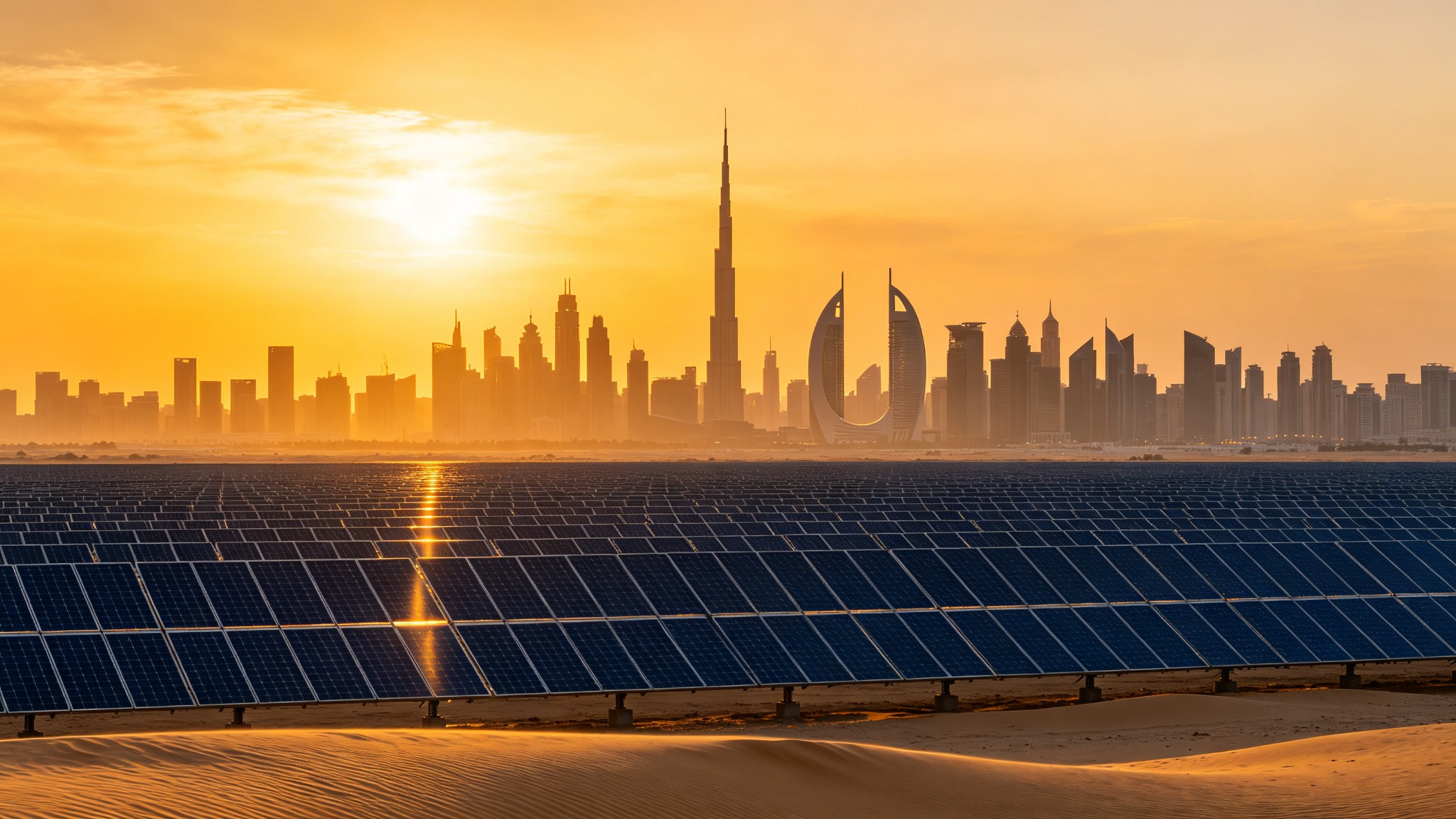
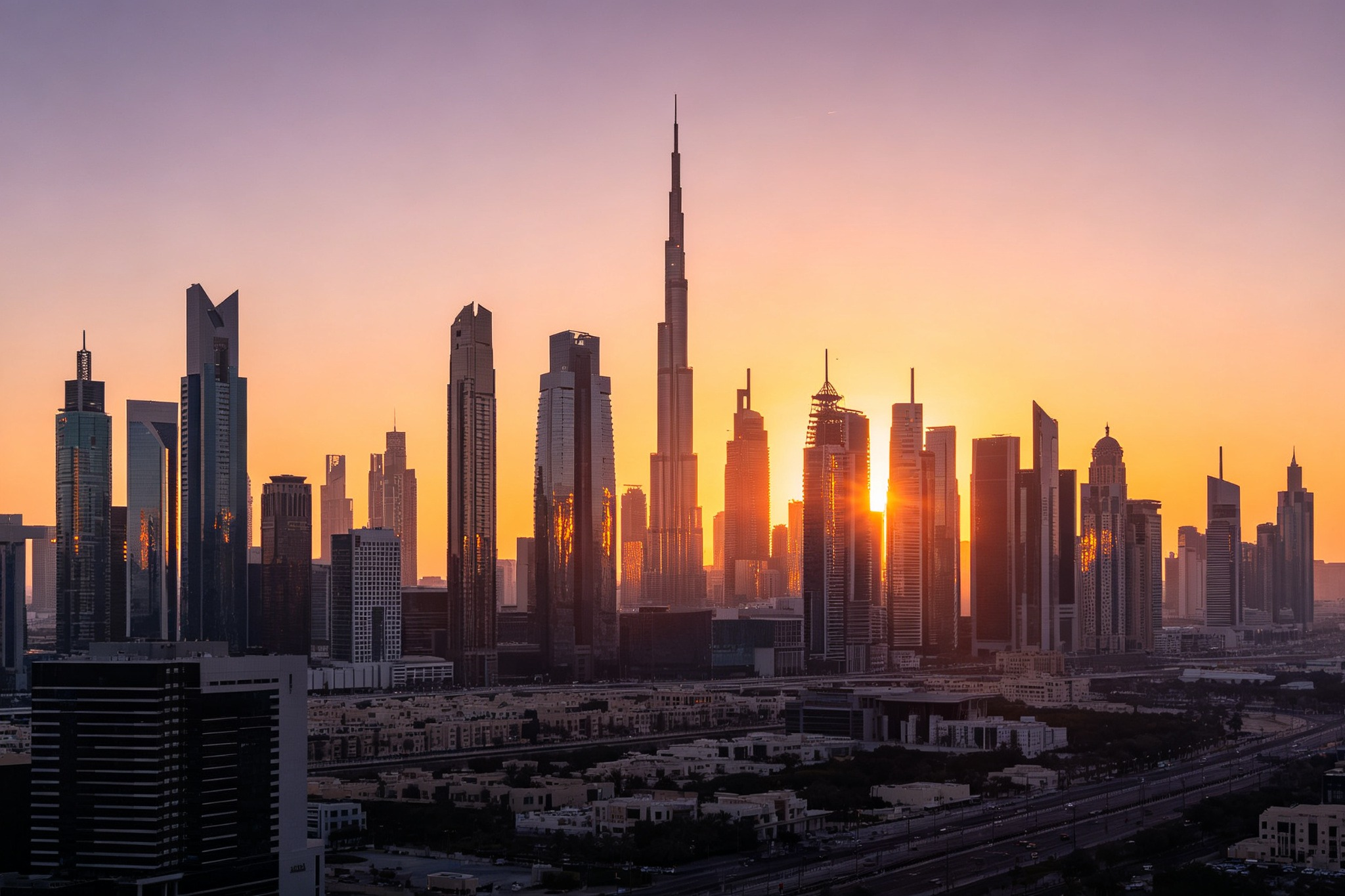
If the Middle East is the "New Continent" of new energy, then the United Arab Emirates is the most dazzling beacon on this continent. Not only is it home to the world’s largest integrated photovoltaic and storage project, it is also the “crown jewel” that overseas lithium battery energy storage companies are competing for. If you understand the UAE, you will know the pulse of the high-end clean energy market in the Middle East.
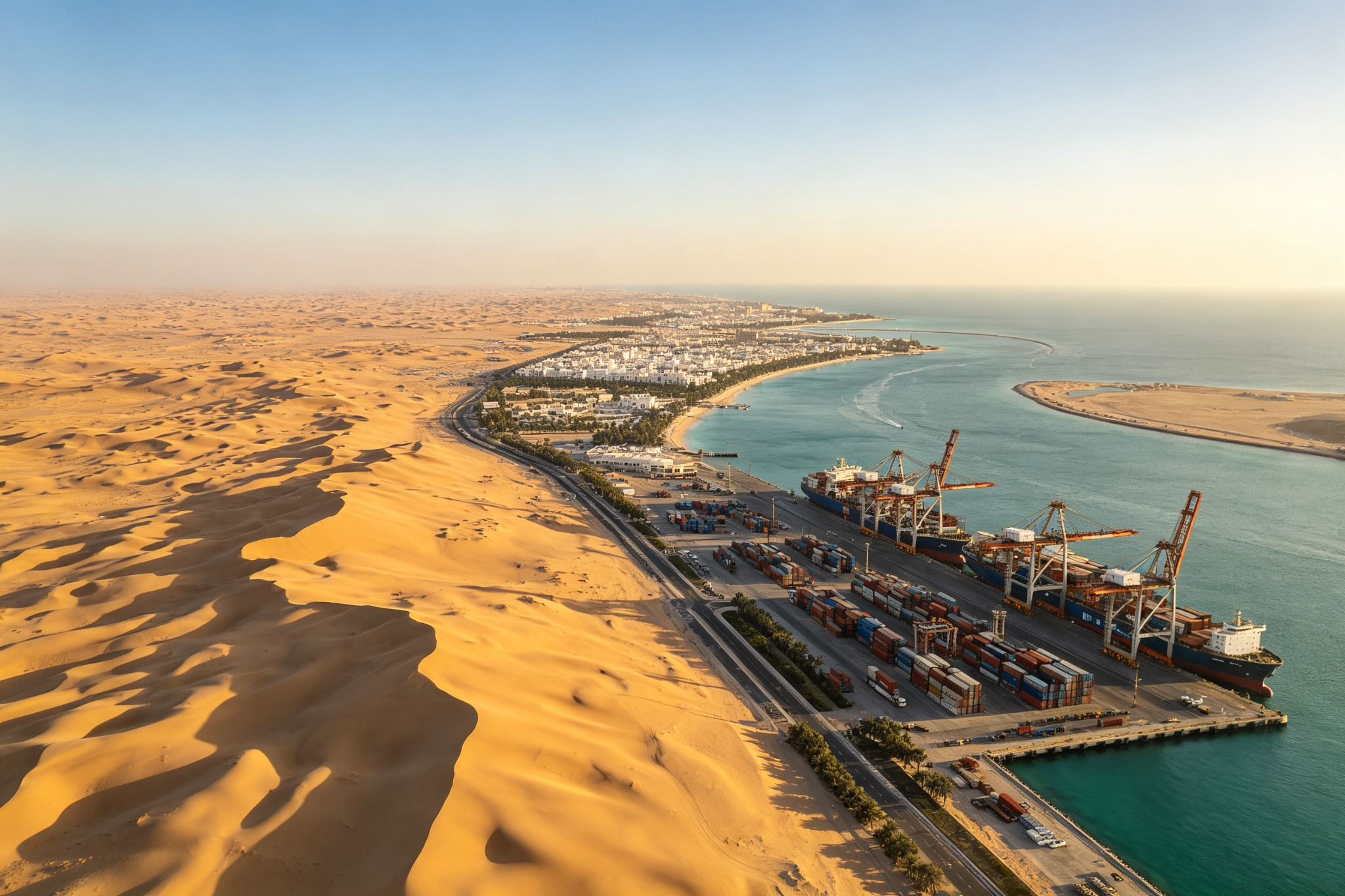
1. Geographic Gene: “Dual-Core Engine” in the Desert
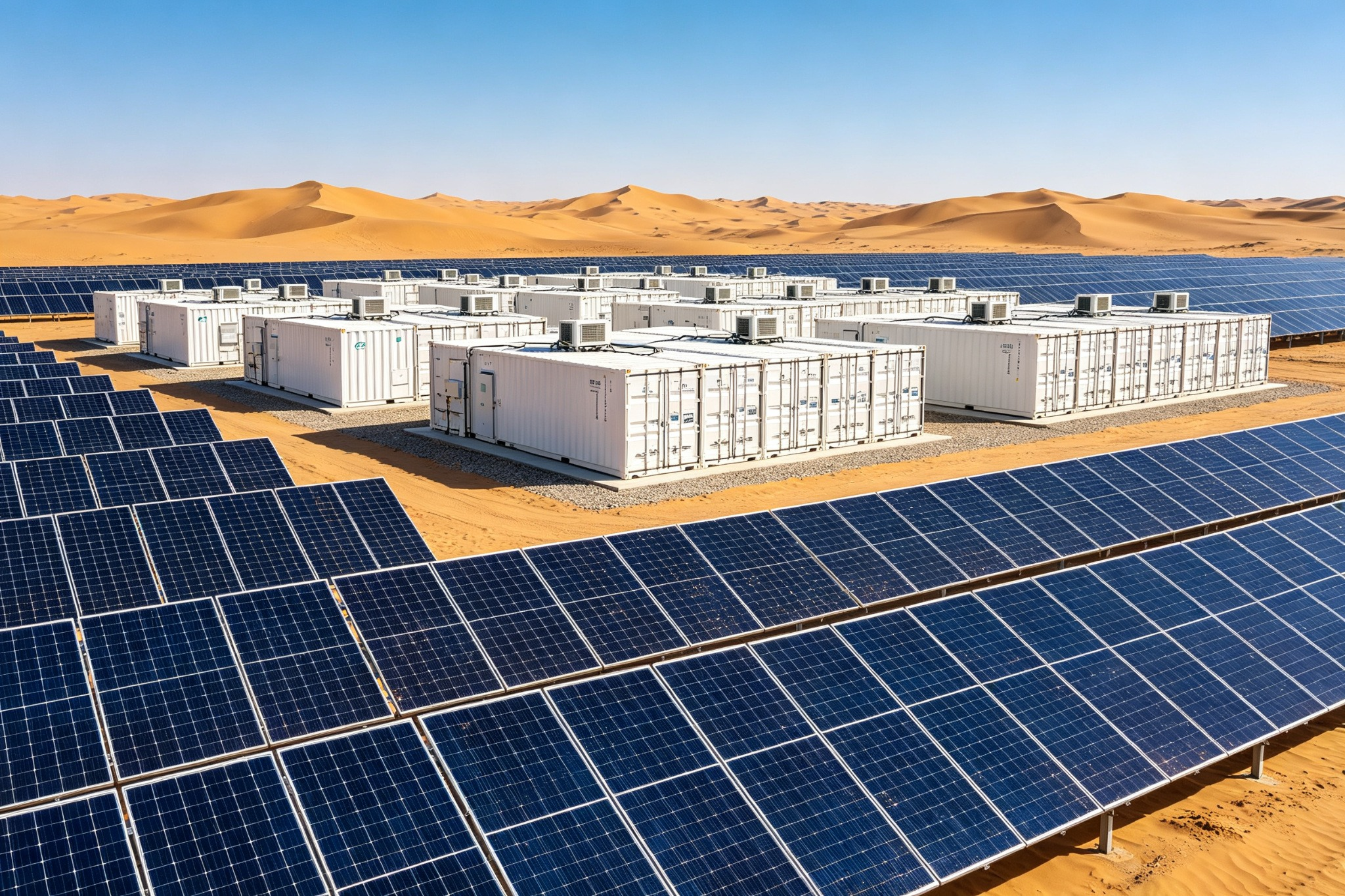
The United Arab Emirates is located in the eastern part of the Arabian Peninsula and on the south coast of the Persian Gulf. It consists of seven emirates including Abu Dhabi and Dubai. The long coastline and developed port logistics make it a natural crossroads for East-West trade. This area has a typical desert climate, and the sunshine resources can be called "God-given". The average annual effective sunshine duration exceeds 3,000 hours, providing an excellent natural foundation for the solar energy storage project.
But what deserves more attention is their internal functional divisions - Abu Dhabi and Dubai form completely different "dual-core drives": Abu Dhabi holds most of the country's oil and gas wealth and is inclined to large-scale energy investment and national-level infrastructure projects; while Dubai, with its free and open business environment, focuses on trade, exhibitions, distribution and city-level energy storage applications. The two complement each other and jointly support the complete ecology of new energy in the UAE.
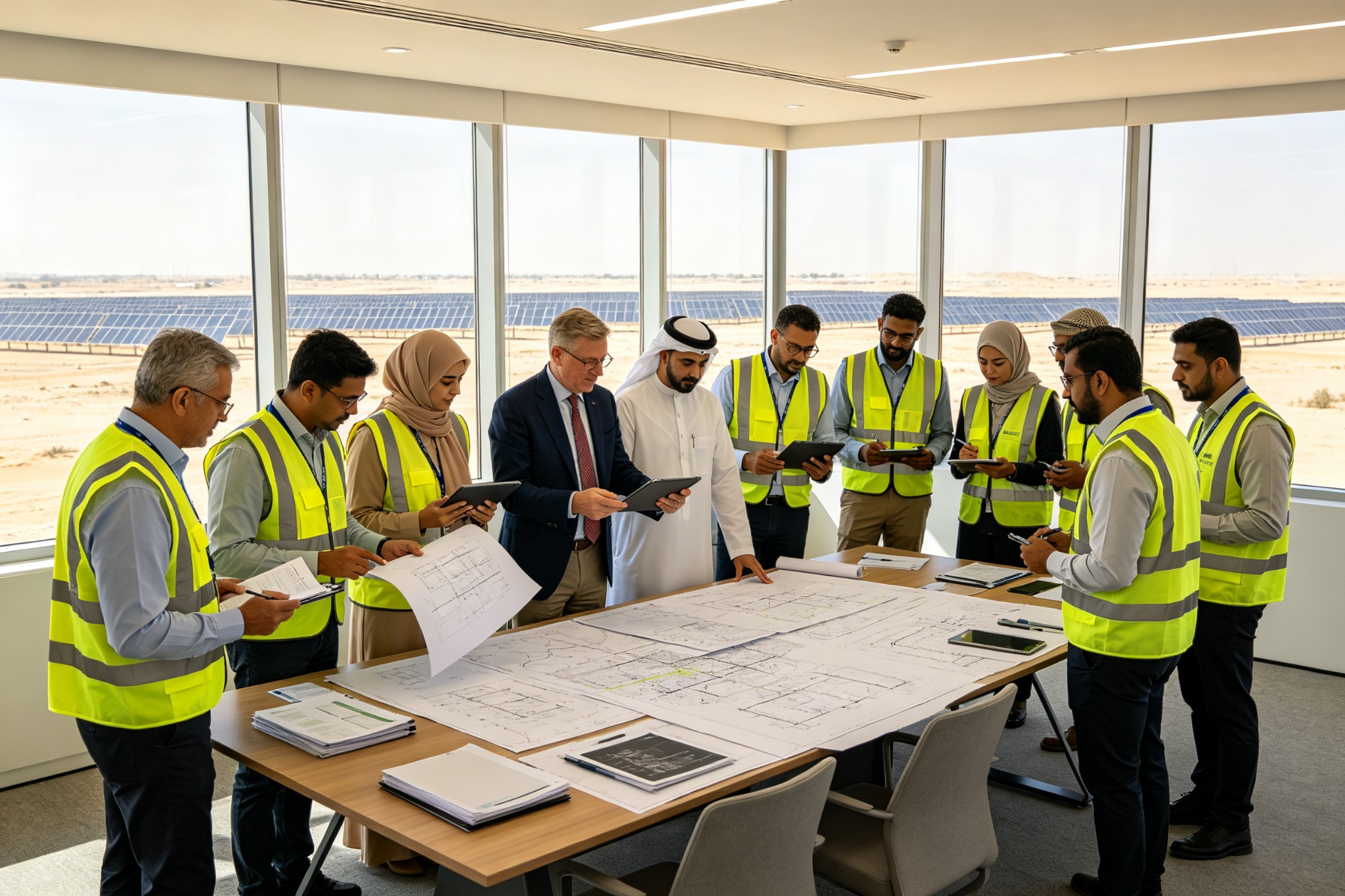
2. Population portrait: The degree of internationalization is beyond imagination
The total population of the UAE is approximately 10.67 million, but domestic citizens account for less than 10%, and the rest are foreigners. what does that mean? This means that everything from project planning to technical execution is almost entirely led by an international professional team. You will see European and American consultants, Chinese engineers, and Indian technical workers collaborating on the same site. The flow of talent and knowledge spillover effects are extremely strong. This highly open talent structure makes project bid evaluation, technical standards, and management processes directly in line with international standards, reducing the communication costs of foreign companies, but it also puts forward "world-class" requirements for delivery capabilities.
3. Economic confidence: Money is not a problem, the question is "how to spend it"
In 2025, the UAE's nominal GDP will reach approximately US$570 billion, firmly ranking among high-income economies.丰厚的财政储备为其能源转型提供了源源不断的“弹药”。 The government has clearly stated the goal of building a clean energy hub in the Middle East. Photovoltaic storage projects with GW levels are fully funded, and short-term returns are not the only consideration - they value global demonstration effects more.一个标杆项目成功落地,其辐射影响力可覆盖整个中东、北非乃至南亚,这正是阿联酋市场最诱人的地方。
4. Industrial logic: capital-driven, integration priority, not “big and comprehensive”
Unlike other resource-based countries, the UAE’s industrial strategy is very clear: it does not pursue the entire mining and metallurgical industry chain, but concentrates on clean energy investment, large-scale general contracting, system integration and regional trade.
· Core advantages: abundant funds, forward-looking policies, and comprehensive integration with international standards. Giants represented by Masdar (Abu Dhabi Future Energy Company) have led a number of world-class projects, such as the 19GWh RTC (all-weather renewable energy) super energy storage project that shocked the industry. This is not only a breakthrough in numbers, but also an ultimate test of the safety, efficiency, and lifespan of the energy storage system.
· Local supporting direction: The UAE is focusing on building energy storage assembly, battery recycling, hydrogen energy supporting and other links, which means that there are clear opportunities for entry into segments such as high-end energy storage equipment, powder grinding equipment, and battery recycling production lines.
· Natural shortcomings: lack of lithium, nickel, cobalt and other minerals, and almost all battery cells and positive and negative electrode materials rely on imports. Local manufacturing focuses on system integration and general solution contracting, so this is not a battlefield for "material price wars", but an arena for "technical solutions + safe operation and maintenance".
5. Business culture: The rules are transparent, but the threshold is extremely high
The business style of the UAE is highly internationalized, especially in Dubai and Abu Dhabi, with mature rules and standardized processes. Unlike the Southeast Asian market, which relies on personal connections, large-scale energy projects here are mostly handled by international bid evaluation teams. Past global performance at the same level, safe operation records, and international certification qualifications carry far more weight than a simple low-price strategy.
Specifically, overseas companies must cross the following hard thresholds:
1. Certification and grid access: Grid connection inspections by grid companies such as DEWA (Dubai Electricity and Water Authority) and EtihadWE are extremely stringent. ECAS compliance certification and battery safety certification are the "tickets" to participate in the bidding, and both are indispensable.
2. Stratified markets with very different strategies: Abu Dhabi is the “main battlefield” for utility-level energy storage, which often starts with hundreds of megawatt hours; while Dubai has more opportunities in industrial and commercial energy storage, household energy storage, and channel distribution, and is suitable for flexible small and medium-sized solutions.
3. Strict contracts and long-term binding: UAE customers have strong financial strength, but contract terms (especially performance guarantees, warranty, and insurance) are very detailed. Large-scale projects generally tend to be integrated with "equipment + long-term operation and maintenance", and enterprises need to have full life cycle service capabilities.
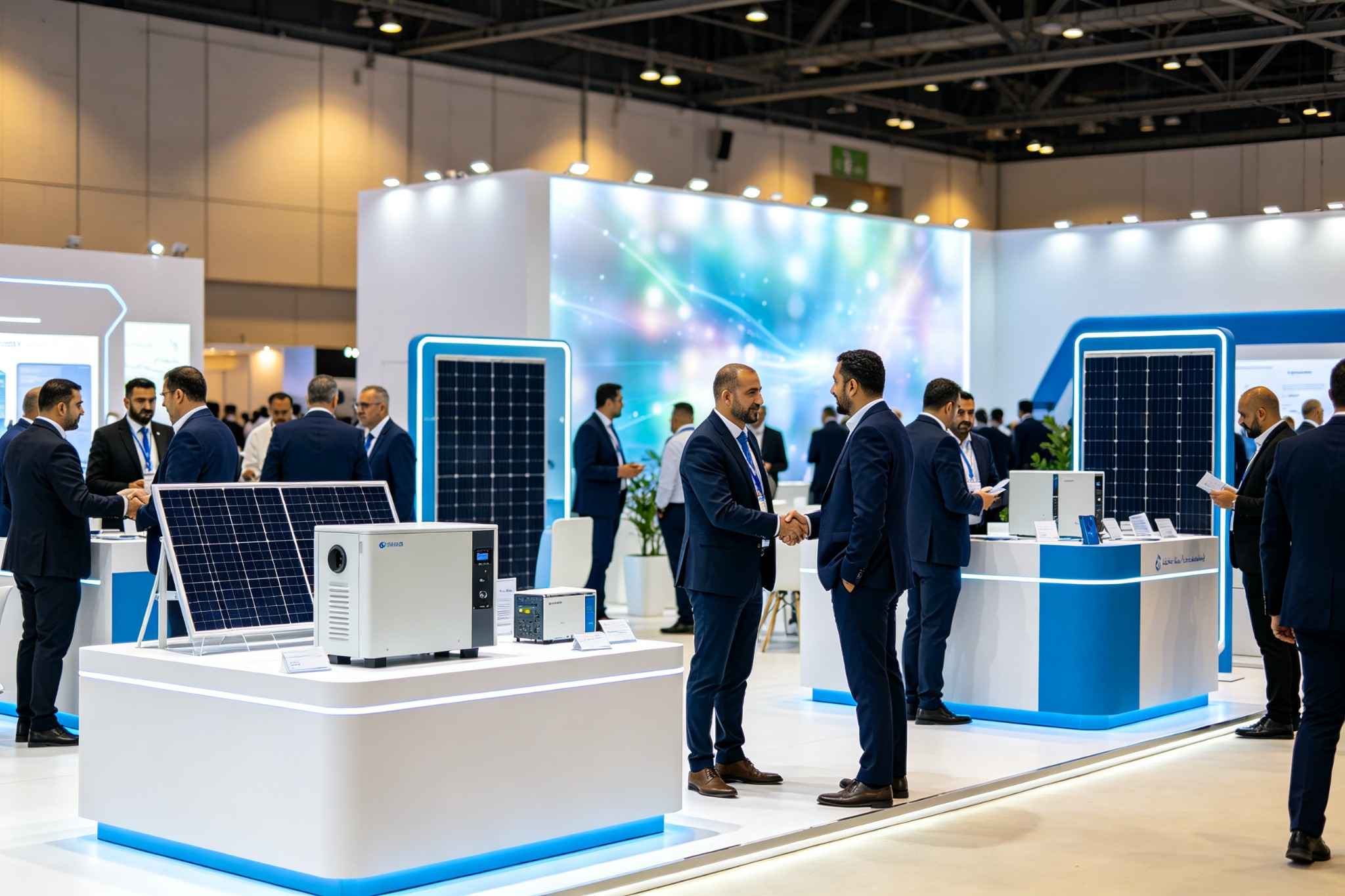
4. Exhibitions and forums are the core battlefield: The top new energy exhibitions in the Middle East (such as WFES) gather regional general contractors, power station owners and investors. This is the most efficient channel to build trust and obtain clues, and is far more effective than visiting strangers.
6. Player Map: Local giants and global elites share the stage
· Local energy giants: Masdar, DEWA, AMEA Power, and local battery recycling pioneer Dubatt form the main force in project contracting and industrial support.
· The main force of Chinese investment: BYD, CATL, Sungrow, Jinko, JA Solar, etc. have made in-depth deployments and occupy important shares in many projects.
· Top international competitors: LG New Energy, Samsung SDI, Tesla, Saft, etc. are also eyeing it, and the competition dimensions always revolve around technological advancement, safety records, and delivery stability.
The 19GWh RTC project, like a huge magnet, continues to attract the attention of upstream and downstream companies such as energy storage systems, powder matching, thermal management, and BMS, releasing long-tail demand.
7. Our practice and prospects
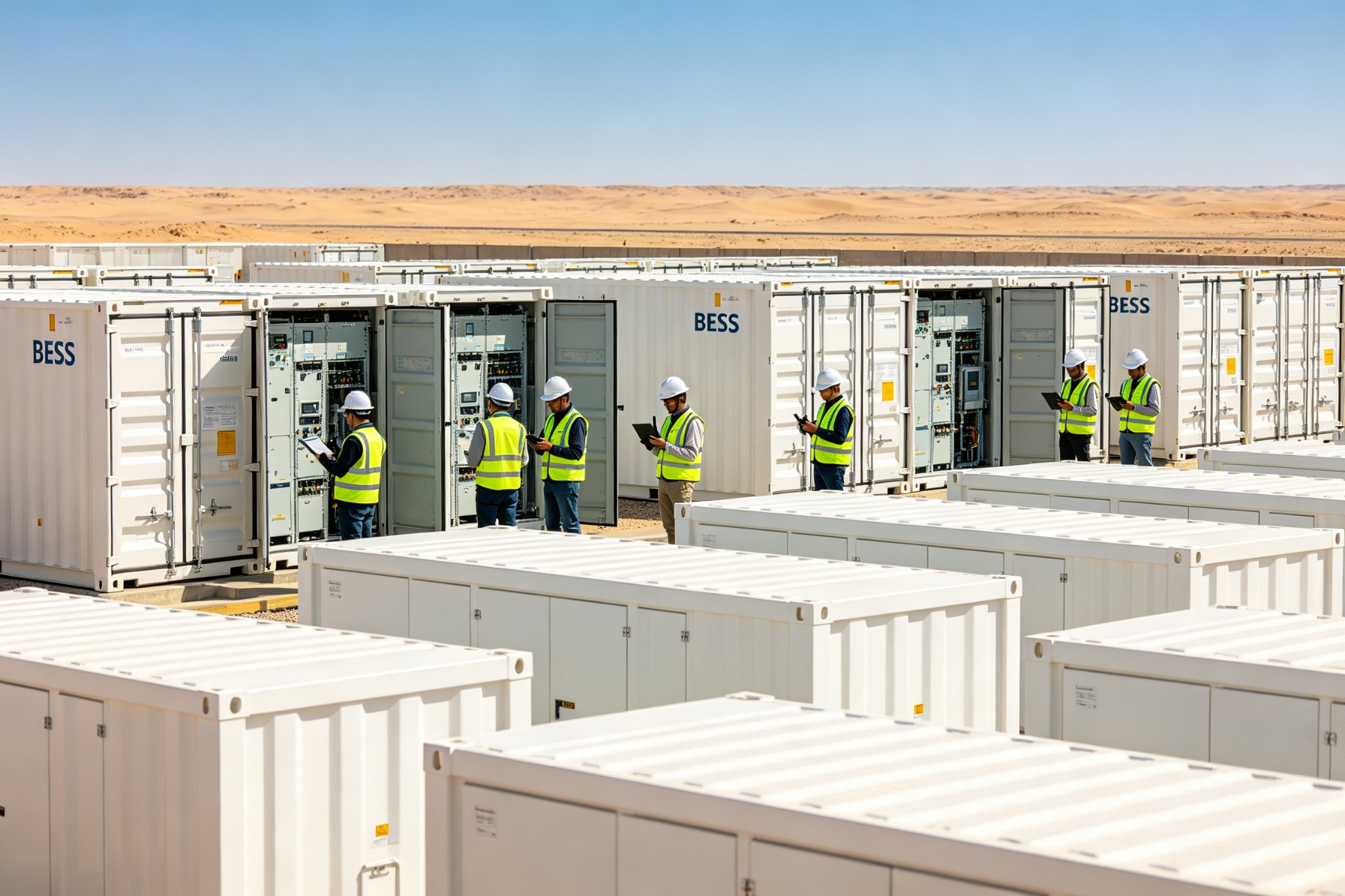
It is a great honor that we at Yifu have successfully implemented actual projects in the United Arab Emirates. This is not only a proof of our technical strength, but also our determination to deeply develop in the Middle East. Recently, we will also go to the United Arab Emirates to go deep into the project sites and industry front lines to feel the latest pulse of this hot land.
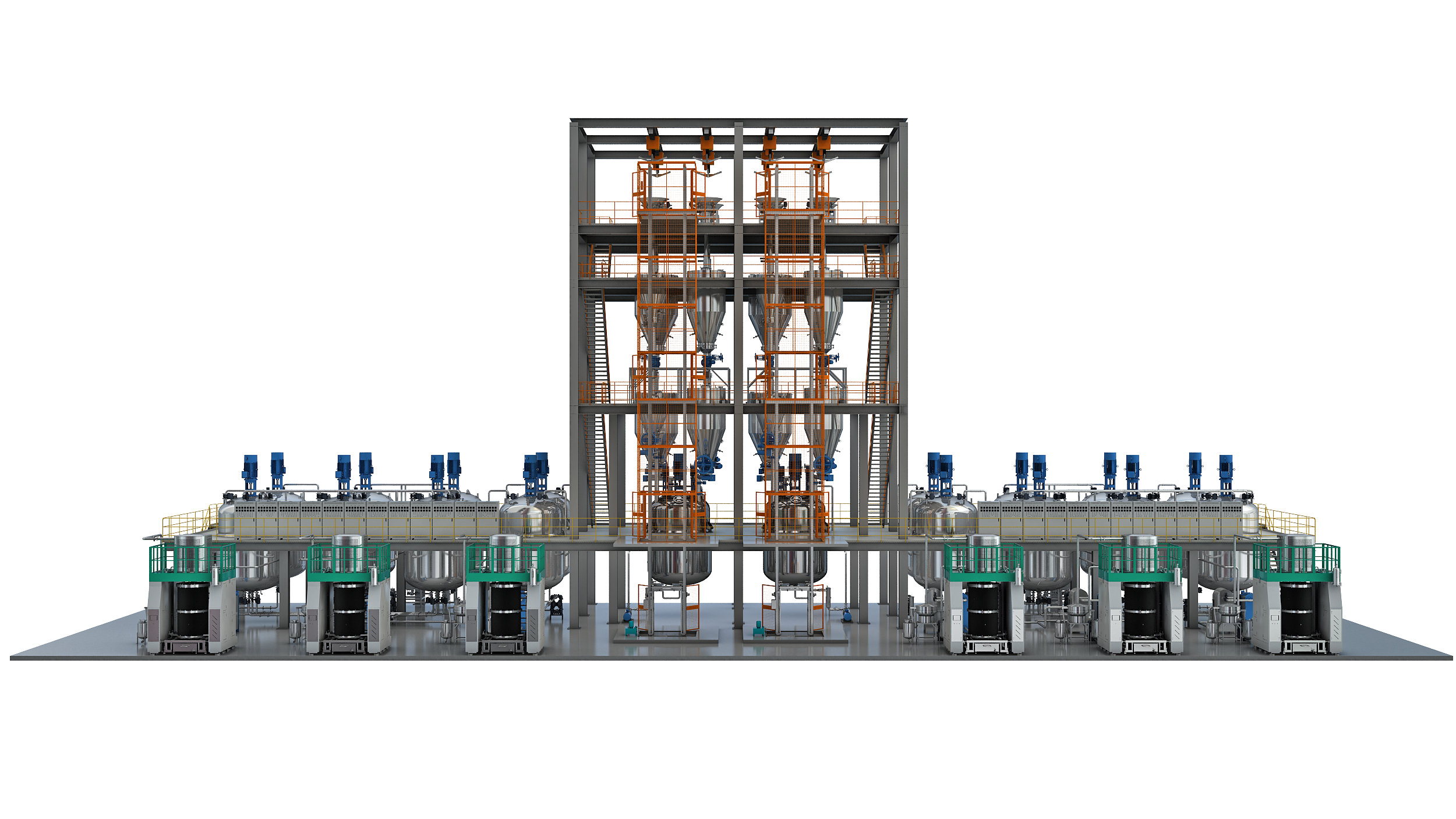
Having been deeply involved in the global new energy market for many years, we have always focused on the implementation of industries in various countries and the export of equipment overseas. The dismantling of each station is not just talk on paper, but the accumulation of practical experience.
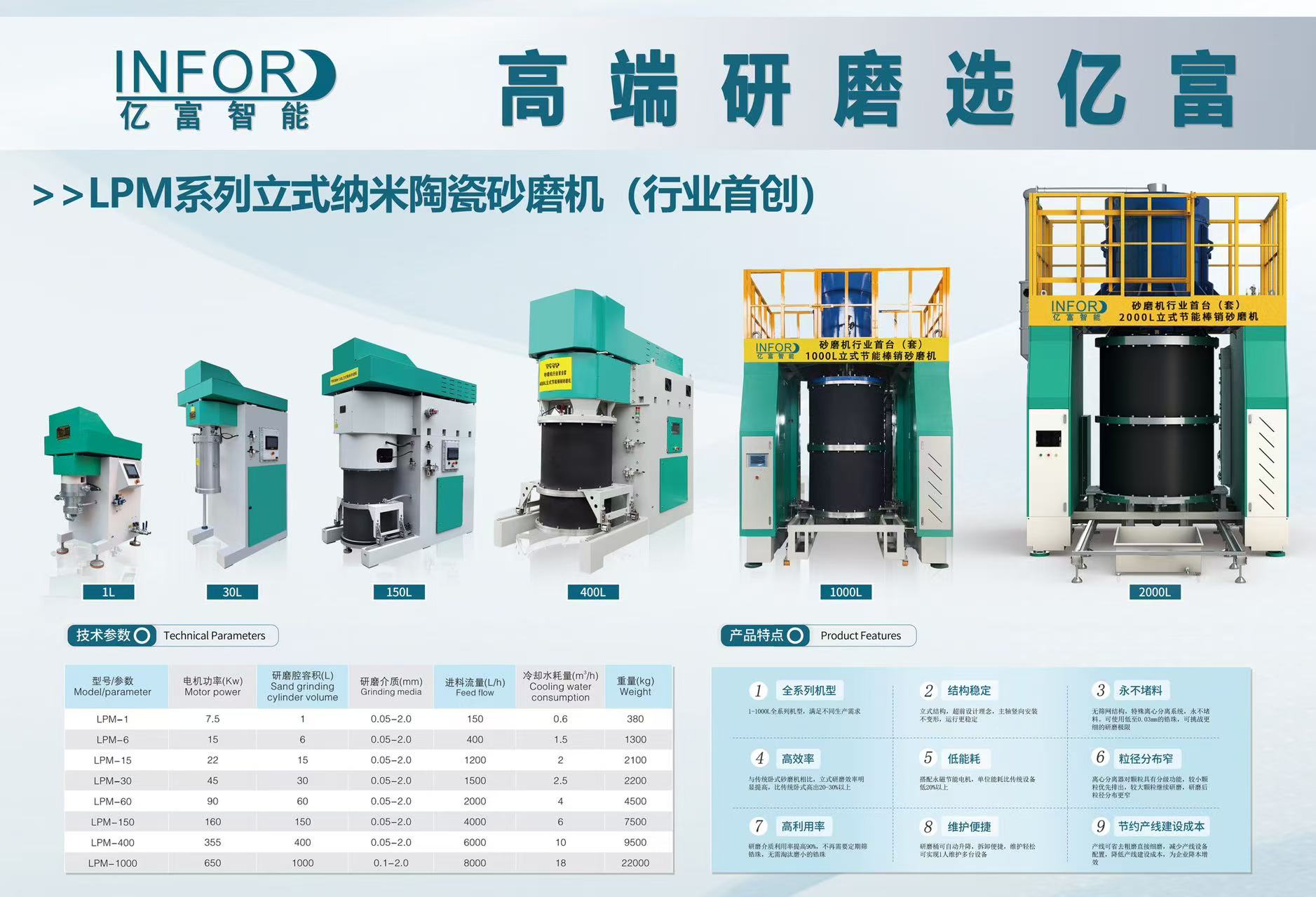
If you are also planning to develop large-scale energy storage, powder grinding equipment or battery recycling facilities in the Middle East, welcome to communicate via private message. We may be able to plant an oasis in the desert together.

 English
 亿富机械
 +86-0769-85626082
 541476175@qq.com
 东莞市大岭山镇颜屋村莲颜路88号