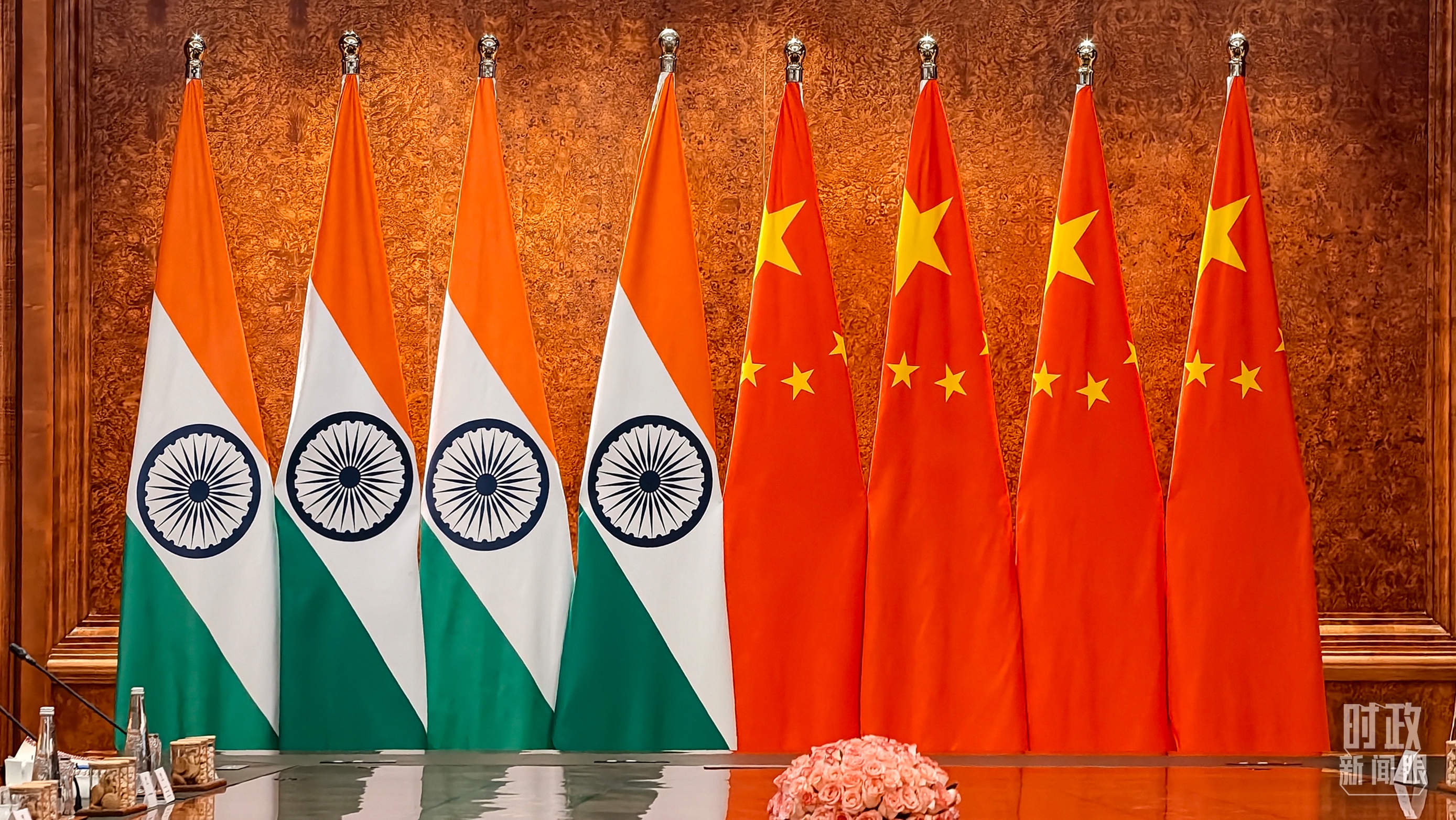
From September 12th to 13th, the 18th BRICS leaders’ meeting was held in New Delhi, India. In the bilateral meeting between President Xi and Prime Minister Modi, the most core sentence was repeatedly quoted:
"China and India should be partners, not rivals; each other is a development opportunity, not a threat."
India has a population of 1.4 billion, vehicle electrification has just started, energy storage and photovoltaics are expanding, and lithium batteries, chemicals, and new materials are all calling for "local manufacturing." However, in the past few years, visa difficulties, few flights, and tight inspections have discouraged many companies. After this meeting, the tide changed.
1. Basic plan: the “young giant” on the South Asian subcontinent
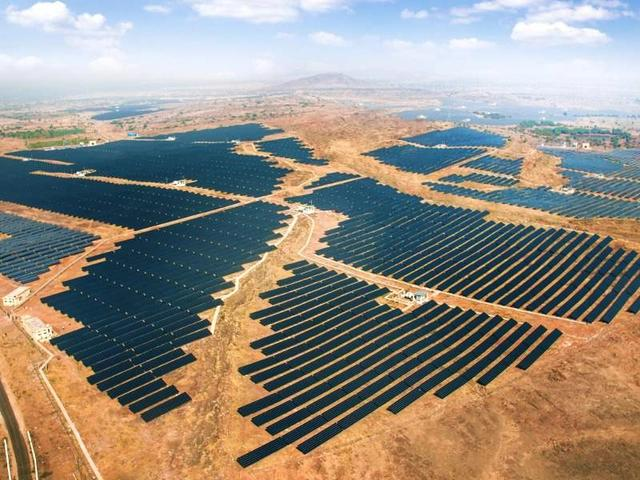
India is located in the South Asian subcontinent, bordering the Himalayas to the north and the Indian Ocean to the south. With a land area of approximately 3.28 million square kilometers, India is the seventh largest country in the world. The terrain is divided into the Himalayas, Ganges Plain and Deccan Plateau from north to south. The climate is dominated by tropical monsoon, with distinct rainy and dry seasons, which is suitable for agriculture and large-scale industrial water use. It also determines that new energy projects must adapt to high temperature, high humidity, and sand and dust environments.
With a population of approximately 1.44 billion, the median age is less than 29 years old, and tens of millions of new labor force are added every year, making it one of the "youngest" countries in the world. Labor costs are low, there are many English-speaking talents, and there is an abundant supply of engineers. However, the skill stratification is obvious: general workers are cheap, and skilled workers who can adjust production lines and understand materials and processes are scarce. This coexistence of "demographic dividend + skills gap" is precisely where China's intelligent equipment and technology output can most easily enter.

2. Industrial foundation: There is a solid foundation in automobile and chemical industries, and the new energy chain is “outside both ends”
India is the fifth largest economy in the world, with consumption, infrastructure and manufacturing expanding at the same time: its annual automobile production exceeds 4 million units, ranking first in the world in two-wheel and three-wheel vehicles. It has a strong foundation in generic drugs and fine chemicals, and local consortiums such as Tata, Reliance and Mahindra span steel, electricity, chemicals and batteries. But when looking at the new energy chain, the structure is "strong midstream assembly, weak upstream materials, and imported equipment" - lithium, nickel, cobalt and graphite are highly outsourced, the local supply of cathodes, precursors, electrolytes, and separators is insufficient, the battery cells are forced to rely on ACC PLI, and the front-end grinding/dispersing/powder equipment mainly comes from China, Japan, and Germany.
On the new energy side, there is a "superposition of three waves": the penetration rate of electric vehicles is still low but the slope is steep, the photovoltaic installed capacity is among the top three in the world but has "strong modules and weak silicon wafer cells", and energy storage has just started to be driven by grid peak regulation and the long-term goal of 236GWh. In a word - India does not lack demand, but it lacks production lines and processes to stably produce materials.
3. Pattern changes: favorable trends for visas and flights
Dialogue between major countries has opened more windows for overseas enterprises. Let’s talk about visas first. Although China and India currently do not exempt each other from visas, the channels for business and technical personnel have been simplified. India has specially launched the e-B4 electronic production investment business visa, which is suitable for executives and engineers of equipment companies to go to India for equipment debugging and business visits. The entire process can be submitted online without having to go to the embassy. Short-term business visas and technical visas are easier to apply for and can stay up to 6 months. Of course, the review of long-term work visas is still strict, and tourist visas also have entry interval restrictions, but the road to "doing business" is wider than before.
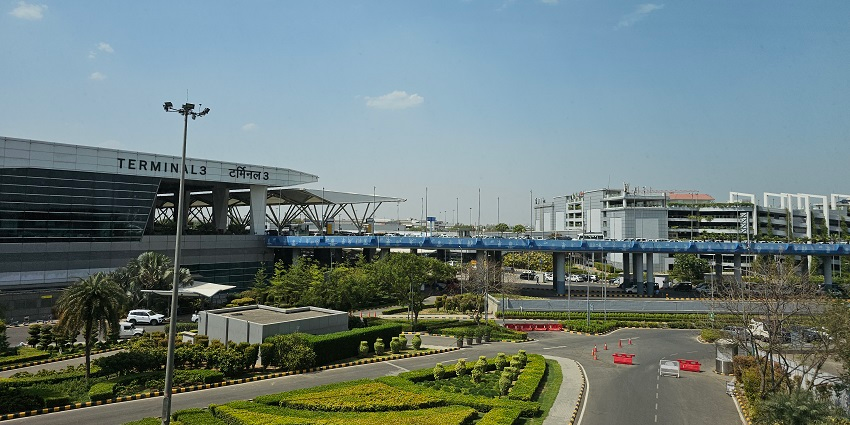
Let’s talk about flights. China Southern Airlines will resume regular daily direct flights from Guangzhou to New Delhi on September 21. This route has finally been reopened after being suspended for 6 years. In addition to the existing flights from Shanghai to New Delhi and Kunming to Kolkata, the time and cost are reduced when traveling to India to participate in exhibitions, visit customers, and debug equipment on site.
Visa and flight may sound like trivial matters, but for companies that want to bring equipment to India for installation, debugging, and training, this is the most practical "opening the door."
4. What India wants is not just equipment, but “production lines that can run”
The logic of India's new energy industry is very clear: it not only wants to buy cars, but also wants to keep the manufacturing capabilities of batteries, materials, and parts locally.
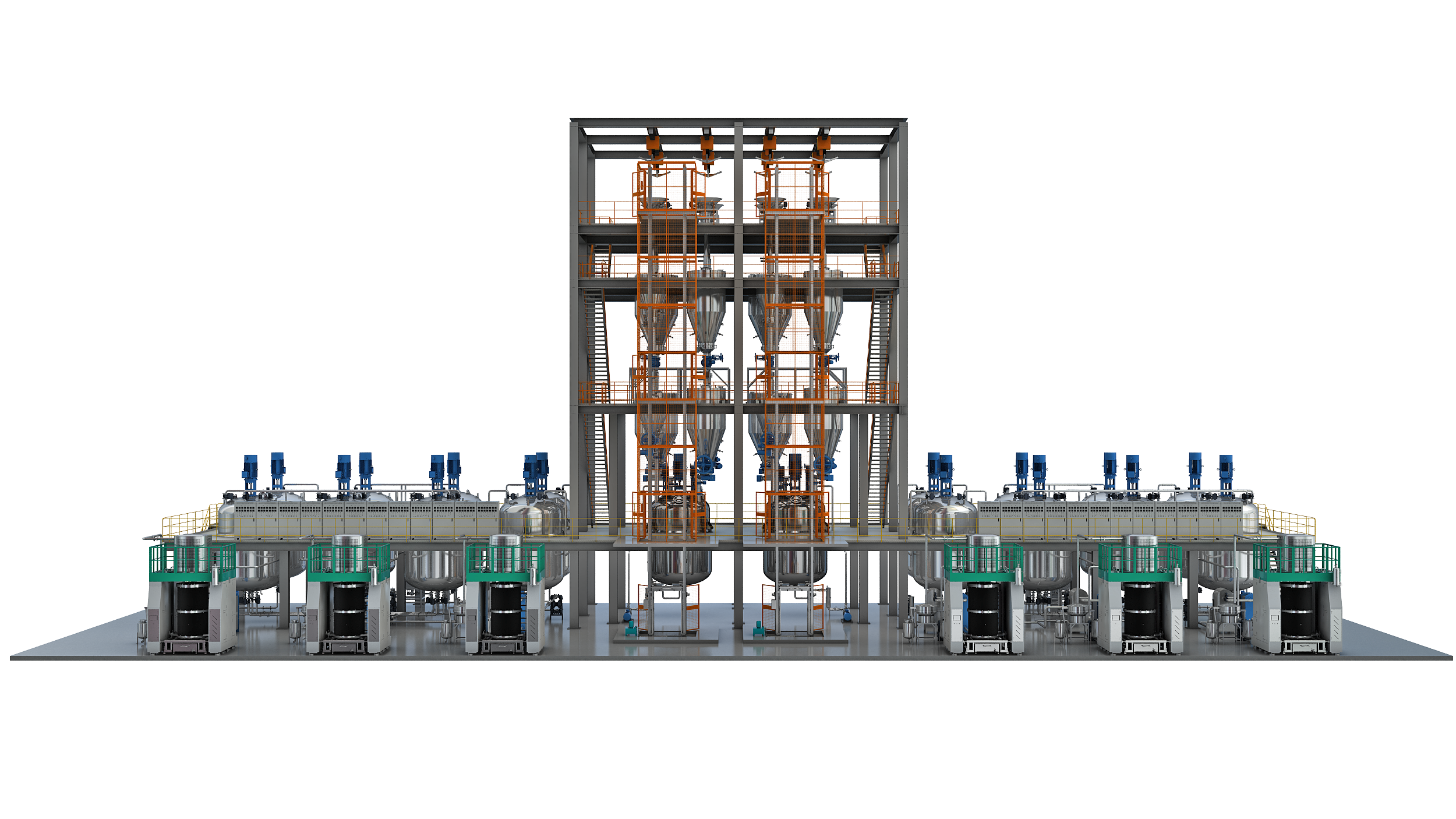
From subsidy policies to localization rate requirements, from BIS certification to EPR traceability for battery recycling, India is building a complete local manufacturing system. This means that it is becoming increasingly difficult to earn dividends by simply selling a mixer or a sand mill. What is really needed is a complete line capability that can connect raw material processing, grinding and dispersion, slurry preparation, and powder transportation. It is a process solution that allows local workers to get started quickly and produce quality products stably.
But India’s shortcomings are also obvious: its front-end equipment manufacturing foundation is weak, there is a shortage of technical talents, and infrastructure such as power, public auxiliary services, and logistics are uneven. These shortcomings happen to be the strong points that Chinese intelligent equipment companies have accumulated over the past two decades.
5. Going global with smart equipment is a long-distance race
Opportunities are there, but the Indian market has never been an “easy model”.
Foreign investment review is still ongoing, and FDI from investors in land-based neighboring countries takes the government route, and the approval cycle is uncertain. Policies vary greatly among states. Gujarat, Tamil Nadu and Maharashtra have good industrial foundations, but have different land, environmental impact assessment and labor rules. BIS certification, battery EPR registration, local value-added ratio calculation, each of which requires homework in advance.
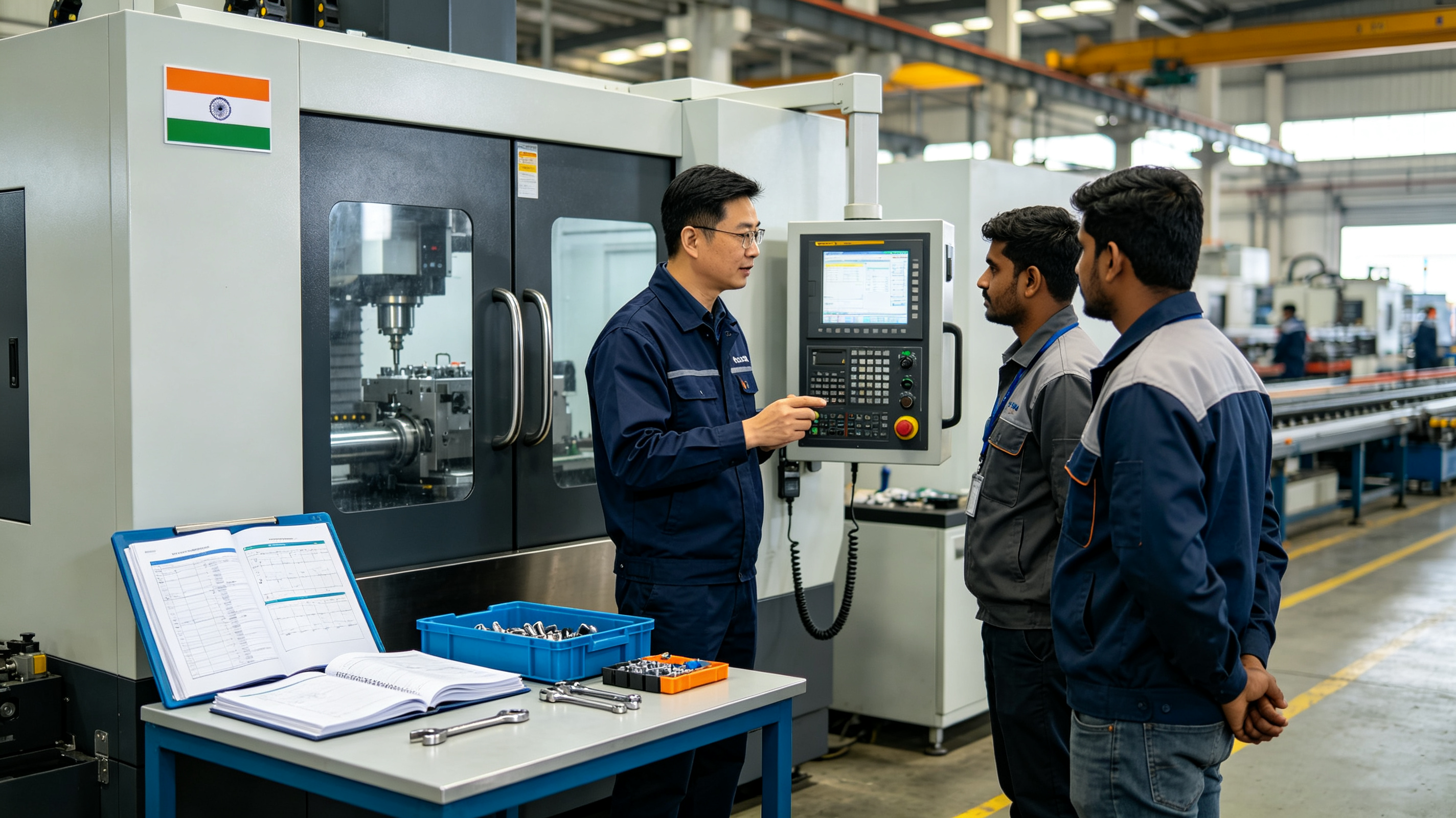
There is another thing that is easily overlooked: people. The equipment is sold, who will install it? Who will adjust it? Who will teach local workers how to operate? Visas have become more convenient, but long-term residency for technical staff is still not easy. This is a marathon. Preparing training manuals, operation and maintenance systems, and spare parts plans in advance is more important than quoting the price of an extra piece of equipment.
6. Future Cooperation: From "Selling Equipment" to "Building Production Line Capabilities"
The BRICS meeting not only brings about the loosening of visas and flights, but also an opportunity to redefine the cooperation model.
In the past, equipment trade between China and India was mostly a one-way transaction of "shipment-receipt". But the real sticking point in the localization of new energy in India determines the more valuable cooperation in the future, which is a deeper binding: materials companies go to India to build factories, and equipment companies provide production line support, from grinding and dispersion to powder transportation, from dust removal systems to MES data closed loops, "translating" China's mature process capabilities into production lines that can run stably in Indian factories every day.
This requires engineering delivery, Chinese process engineers need to lead and train the local Indian team, and BIS certification, EPR traceability, and carbon footprint requirements need to be embedded in the production line design in advance. Whoever helps India stabilize its material production line will block a key link in the localization of new energy.
The BRICS meeting opened a window, but the window will not stay open, nor will it automatically turn into an order.
The ones who can truly seize this opportunity are not those who rush the fastest, but those who are most prepared - those who put the compliance structure in front, think of localized services first, and regard "making the production line run stably in a foreign country" as a basic skill.
The window is opening. The key is, are you ready?

 English
 亿富机械
 +86-0769-85626082
 541476175@qq.com
 东莞市大岭山镇颜屋村莲颜路88号
