: The technology focuses on sulfide all-solid-state batteries, targeting 2027 for loading demonstration operations, and the small batch pace is expected to be advanced to 26-27 years.
After the head enterprises + industrial chain were added, there were breakthroughs in both equipment and materials. From the equipment side, the dry and wet methods of electrolyte film-forming equipment are running in parallel, isostatic pressing equipment has achieved continuous production, and new solutions and new processes have been continuously developed, with great progress in the front, middle and back stages; from the material side, the performance of lithium sulfide materials has reached the standard, the sulfide has exceeded the thousand-meter-level roll, the pressurization conditions can be reduced to 1-2Mpa, and a new evaporation process for lithium metal has been developed.
The battery material system has been basically finalized, with all-solid sulfide being the trend for mass production. The silicon-carbon route will be used for the negative electrode in the short and medium term, and iterative towards lithium metal in the long term. Sulfide solid electrolytes have the greatest potential in the future. They have extremely high ionic conductivity. In addition, they have relatively good interface contact performance and flexibility and processability. They have become the focus of mainstream manufacturers.
The progress of all-solid-state technology is better than previously expected. At present, the battery material system has been finalized and the performance of raw materials has reached mass production requirements. We expect that 25H2-26H1 will enter the critical period for the implementation of the pilot line of the battery factory.
As a key equipment, vertical sand mill is moving from behind the scenes to the industrial spotlight. Particle size determines performance, and the ionic conductivity of solid electrolytes is directly related to the specific surface area of the particles. Taking some processes as an example, materials need to be ground to the sub-micron level (D50<100nm) to improve sintering activity and ion migration efficiency. Traditional ball milling equipment has problems such as low efficiency, wide particle size distribution, and easy introduction of impurities, making it difficult to meet mass production needs. The vertical sand mill has become a key equipment to achieve large-scale production of solid electrolytes due to its wet ultra-fine grinding capability.
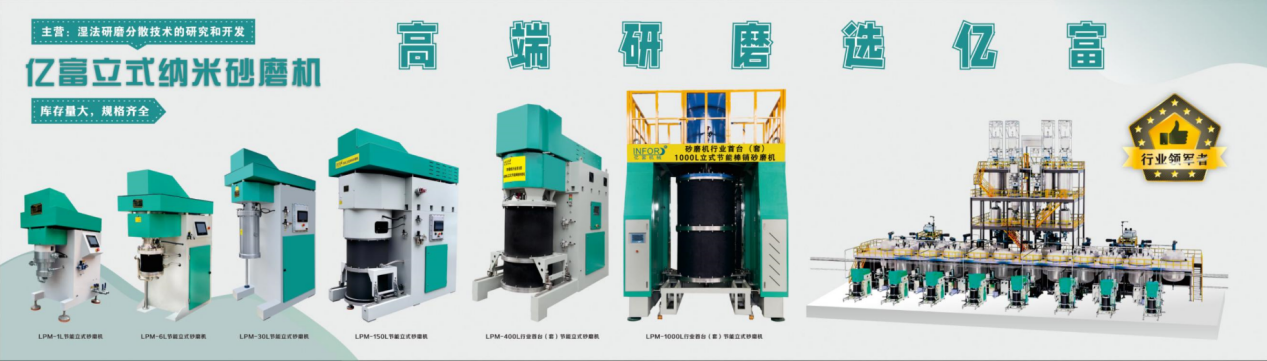
The screen-less design of the Yifu vertical sand mill solves the pain point of clogging, the ultra-fine nano-scale grinding ability improves the ionic conductivity, and the energy-saving direct drive system reduces production costs. In the future, with the improvement of hierarchical grinding, atmosphere control and other technologies, vertical sand mills will further promote solid-state batteries to break through the cost and performance bottlenecks, accelerating the entry of electric vehicles into the era of "thousand-kilometer endurance".
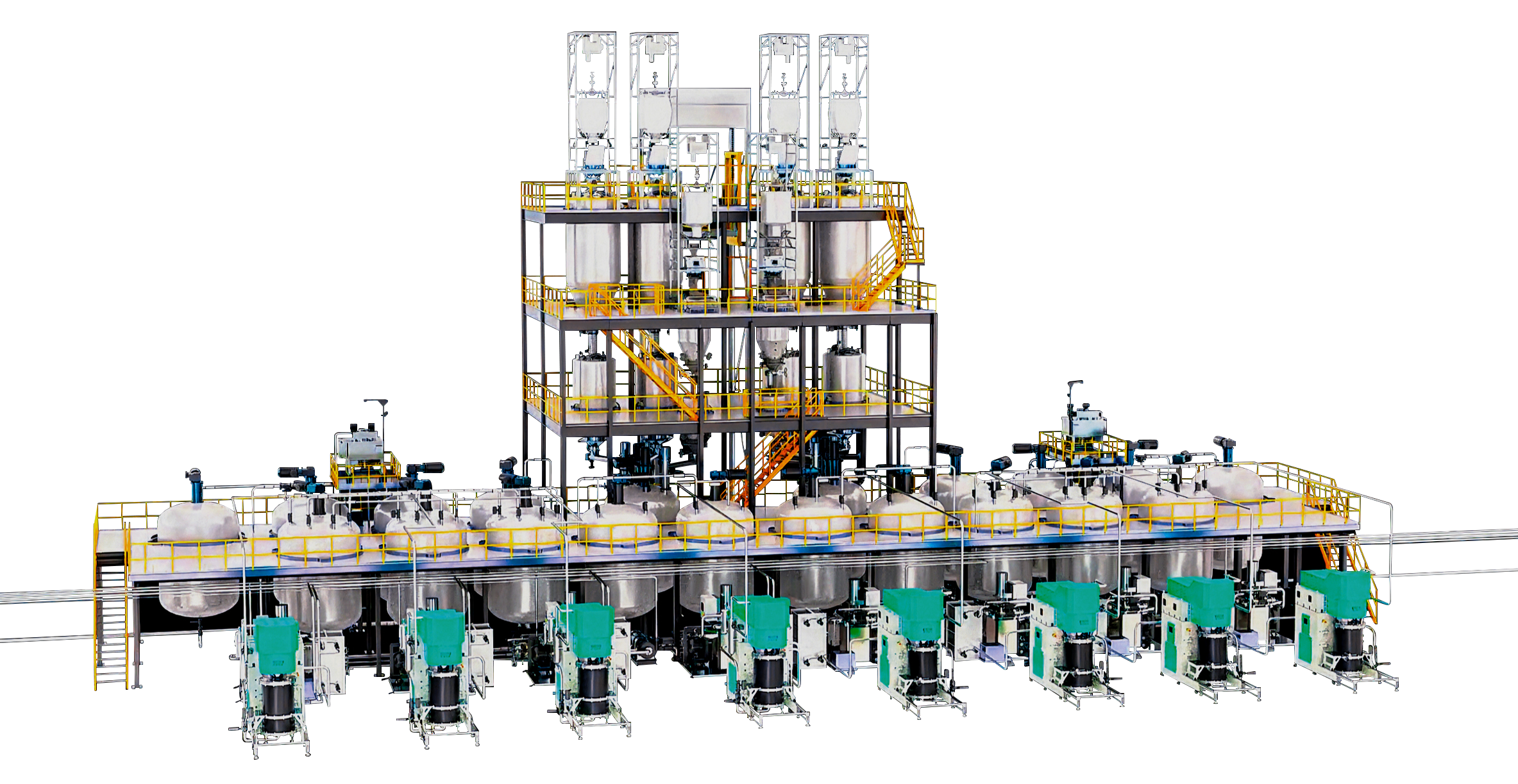
The development prospects of solid-state batteries are bright. As an important tool in its production process, vertical sand mills will be closely connected with the solid-state battery industry and jointly promote the development of new energy vehicles and energy storage fields. Let us wait and see and witness the bright future created by vertical sand mills and solid-state batteries!

 English
 亿富机械
 +86-0769-85626082
 541476175@qq.com
 东莞市大岭山镇颜屋村莲颜路88号