Many friends who are engaged in foreign trade and new energy overseas often cannot distinguish between India and Indonesia. These two countries are completely different in terms of geographical location, population structure, economic system, new energy industry logic, and business style. Today I will give you a thorough understanding of Indonesia’s complete fundamentals.
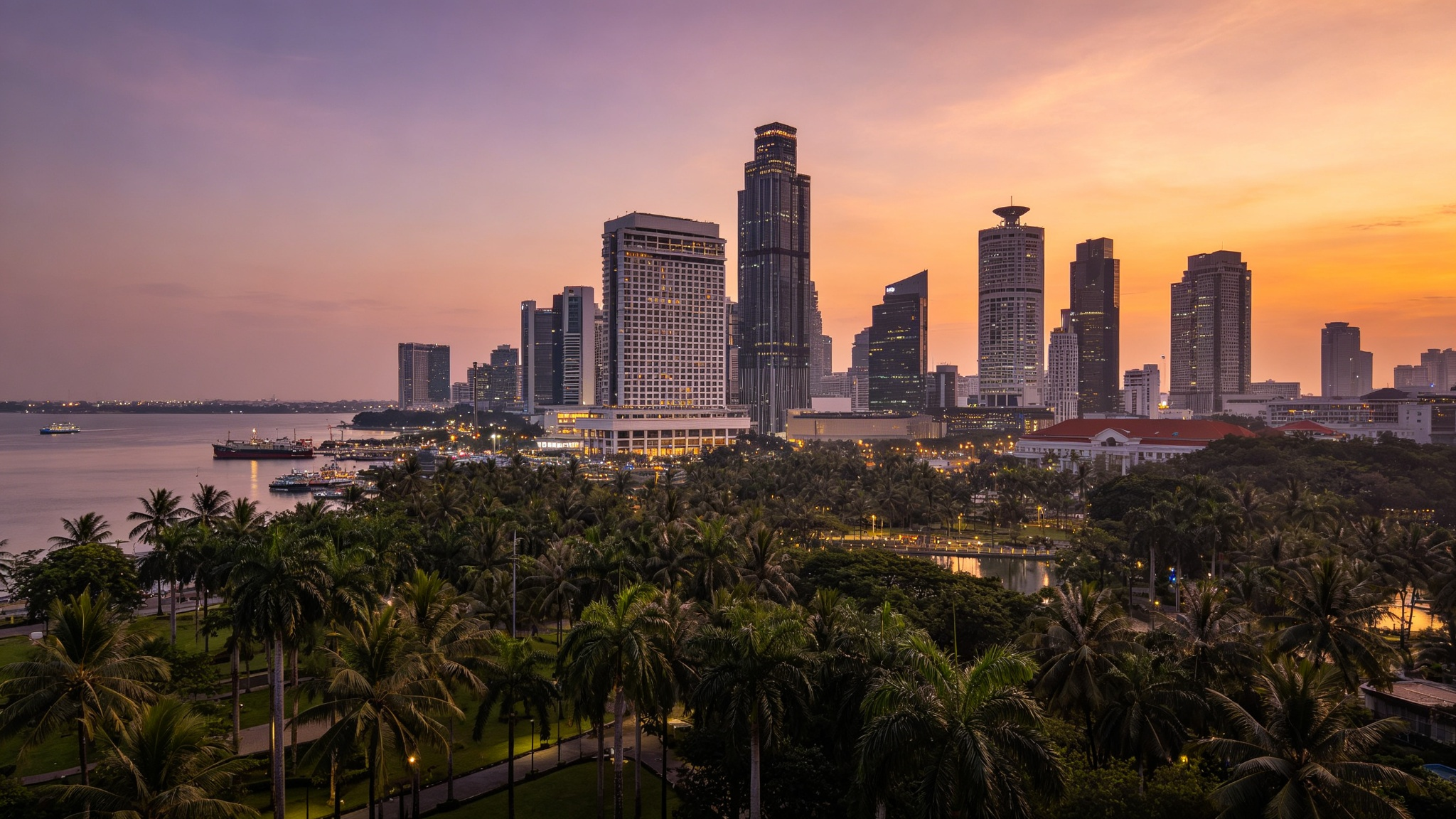
1. Basic geography: A country of ten thousand islands, the largest country in Southeast Asia
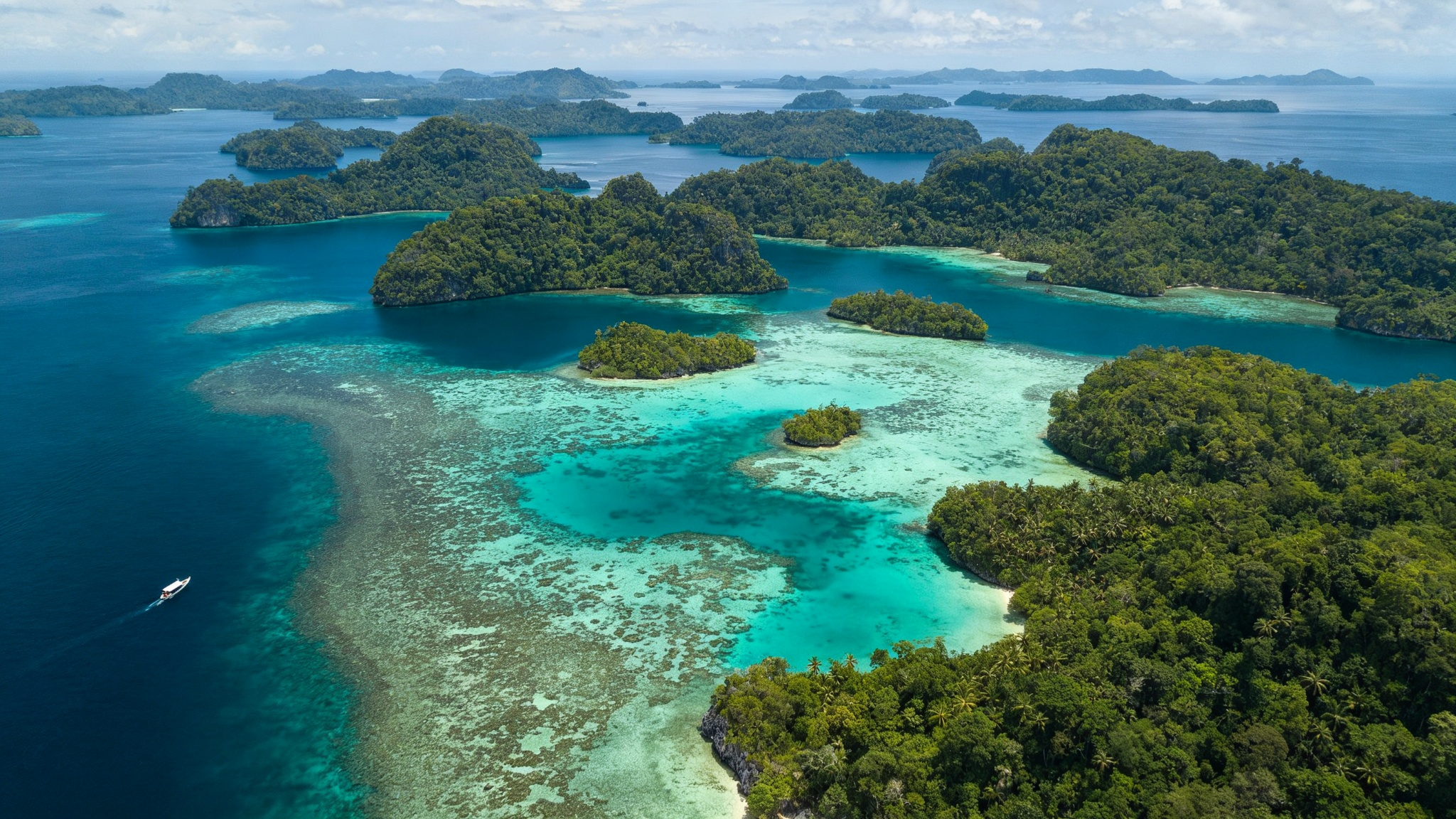
Indonesia is located in the Malay Archipelago of Southeast Asia, straddling the equator, and consists of more than 17,000 islands. It is the largest archipelago country in the world. The five main islands of Sumatra, Java, Kalimantan, Sulawesi, and Papua support the skeleton of this country. They are surrounded by sea and have extremely rich port resources.
With a land area of approximately 1.914 million square kilometers, it is the largest country in Southeast Asia, with a size equivalent to half of China’s eastern coastal areas combined. This geographical pattern determines that Indonesia has natural strategic advantages in maritime trade and resource transportation, and also lays the physical foundation for it to become the economic leader of ASEAN.
2. Demographic dividend: The young market of 284 million people is exactly the opposite of South Korea.
Indonesia has a total population of approximately 284 million, ranking fourth in the world, behind India, China and the United States. It is the absolute most populous country in Southeast Asia.
When it comes to population, we have to mention the sharp contrast with South Korea. South Korea is a country with the lowest fertility rate in the world, with a population of 51.1 million, a serious aging population, and a youth labor force that is decreasing year by year. Indonesia is just the opposite - it has a huge population base, an extremely young structure, an abundant labor force of young adults, and the demographic dividend is being released on a large scale.
In addition, Indonesia is also the country with the largest Muslim population in the world, with a diverse ethnic culture and a highly inclusive society. At present, Indonesia's urbanization rate has just exceeded 60% and is advancing rapidly, which means huge room for domestic demand release and an increase in manufacturing employment. In a country with a population of 284 million that is accelerating urbanization, the demand for new energy infrastructure, power batteries, electric two-wheeled vehicles, and energy storage equipment is experiencing explosive growth visible to the naked eye.
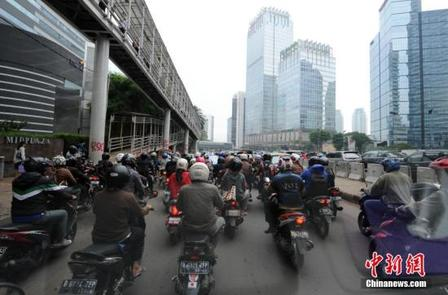
3. Economic data: The largest economy in ASEAN and a player with the potential for steady growth
Indonesia’s GDP in 2025 will be approximately US$1.4 trillion, firmly ranking as the largest economy in ASEAN. Maintaining a GDP growth rate of around 5% all year round, it ranks among the high growth echelons of the world's major economies.
Per capita GDP is rising steadily, and the market is full of potential. For companies that engage in new energy overseas, such an economy means two things: first, the market growth space is large enough; second, policy and industrial transformation motivation are strong enough.
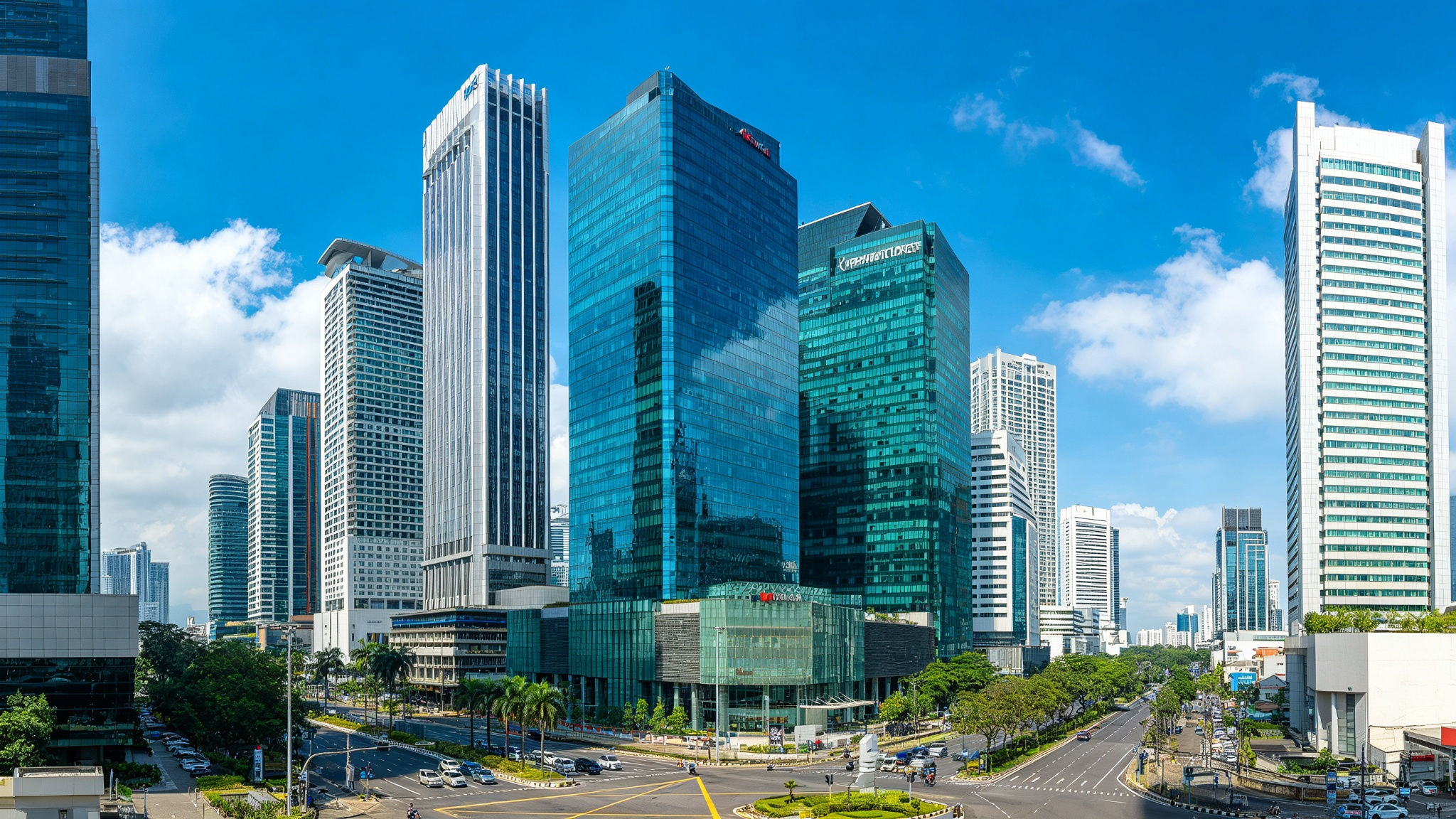
4. Industrial Map: A "resource-endowment-based" economy that is exactly the opposite of South Korea
If South Korea is a typical example of "having no resources and relying on high-end manufacturing technology for export", then Indonesia is a model of a resource-based country where "God will provide food for you".
Indonesia’s biggest core advantage lies in its world-leading mineral resources—especially nickel ore. Indonesia’s nickel ore reserves and production both rank first in the world, accounting for more than 20% of the world’s total nickel resources. In addition, copper, bauxite, tin, coal and other resources are also extremely abundant.
But resources alone are not enough. The key move for Indonesia to truly change the global new energy landscape is to vigorously promote the policy of downstream mineralization. Starting in 2020, the Indonesian government will gradually ban the export of nickel raw ore and mandate that all minerals be smelted and processed within the country and produced into high value-added products such as precursors and cathode materials before they can be exported.
This policy directly reshaped the global ternary lithium battery upstream industry chain. In the past few years, a large number of nickel smelting, precursor, and high-nickel cathode projects from around the world have poured into Indonesia. Leading companies such as Tsingshan Group, Huayou Cobalt, GEM, Zhongwei Co., Ltd., Bump Cycle, and CATL have built large-scale production bases in Indonesia. Korean giants LG New Energy, Posco Chemical, Ecopro, Samsung SDI and Hyundai Motor have also entered the market simultaneously, forming a competitive landscape between China and South Korea in the upstream of Indonesian new energy.
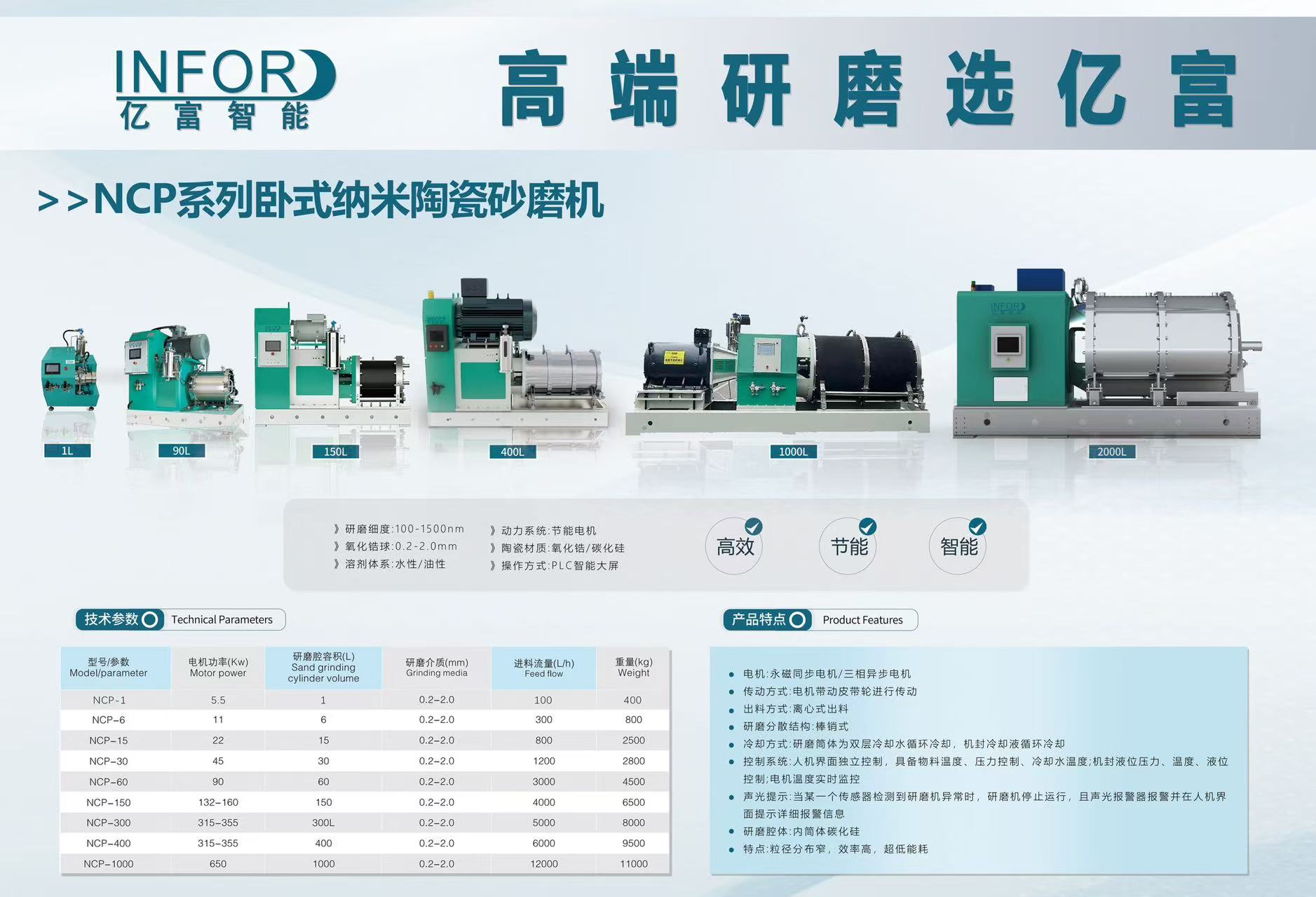
At present, Indonesia has become the core base of the global ternary lithium battery upstream. The entire industrial chain from nickel and cobalt smelting to precursors to cathode materials is frantically expanding production. And what does this mean for us? This means that the market demand for powder processing, grinding and dispersing equipment is growing explosively.
Of course, objectively speaking, Indonesia's industrial chain is still biased toward upstream rough processing. High-end fine chemicals, precision equipment, core auxiliary materials, and high-end process technology are still highly dependent on imports, and high-end manufacturing processes are its obvious shortcomings. And this is precisely the window period for Chinese equipment companies to go overseas.
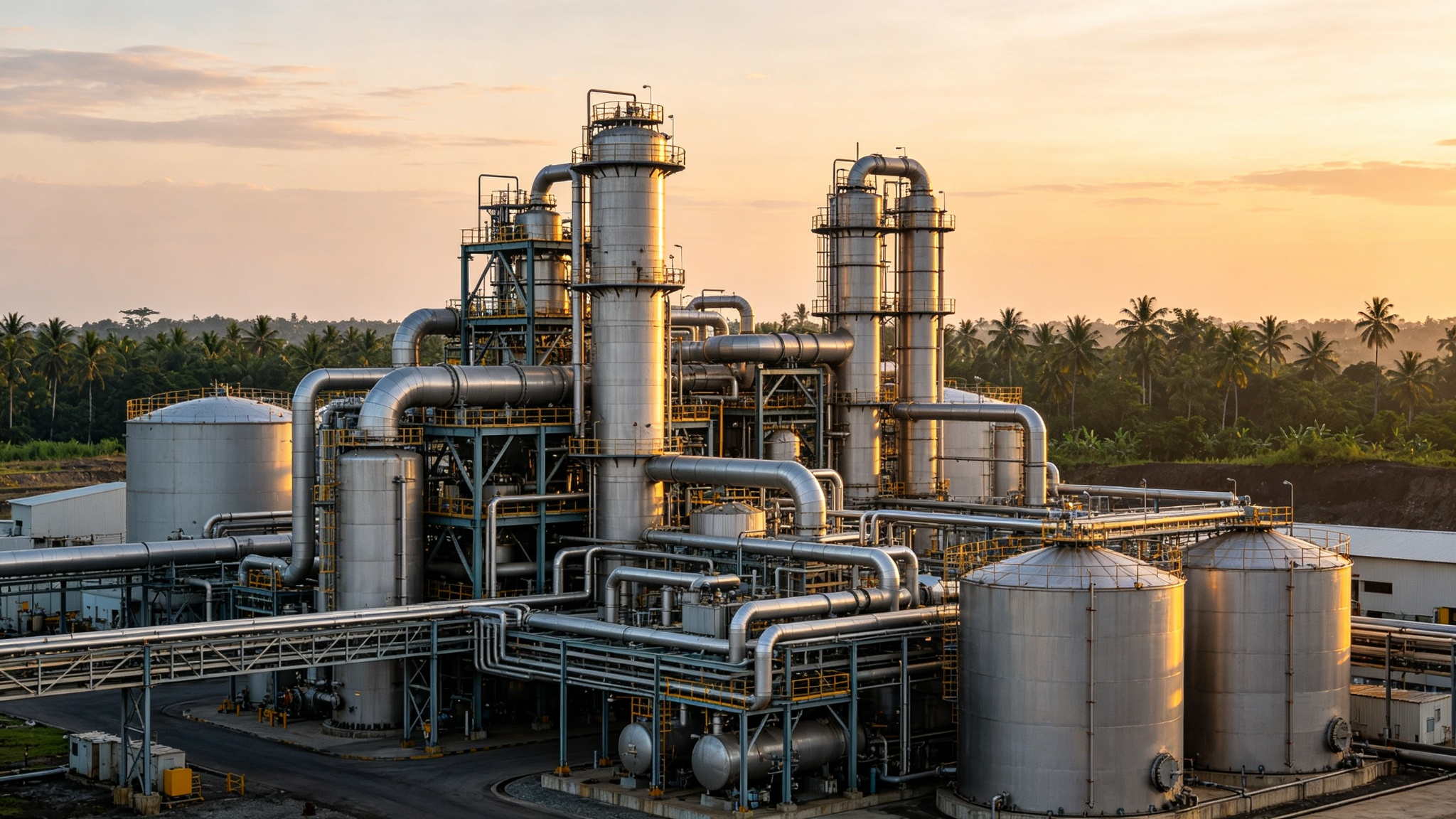
5. Social culture: Trust is greater than contract, treat people first and do things later
Different from South Korea's high-intensity and fast pace, the overall folk customs in Indonesia are gentle, tolerant, and emphasize etiquette and faith. The locals are modest in character, moderate in pace, and courteous in dealing with others.
When doing business in Indonesia, there is an underlying logic that must be engraved in your mind: trust is greater than contract. Koreans pay attention to contract clauses and careful consideration of words; while Indonesians pay more attention to the warmth of human feelings and the thickness of long-term relationships. Contracts are written on paper, but trust is written in the heart. Treat people first, do things later. If the relationship is in place, the sustainability and tolerance of cooperation will go far beyond the terms of the contract itself.
Social interaction, dinner parties, and interpersonal relationships are the norm in business. A thorough discussion over a dinner table in Jakarta is often more effective than three days in a conference room. Indonesian partners recognize a sincere, stable and long-term cooperative attitude. Those who are eager for quick success and just want to sign the contract and leave will find it difficult to go far here.

6. Business practice: a completely different style of play from South Korea
Based on our implementation experience, there are five core differences between the Indonesian market and South Korea:
First, value trust and friendship. South Korea values systems and data; Indonesia values connections and reputation. The relationship is in place and the cooperation is extremely sustainable. Customers will take the initiative to introduce new customers to you, and the word-of-mouth effect is extremely significant in the Indonesian market.
Second, the verification logic is different. South Korea conducts extremely stringent testing step by step - samples, pilot tests, mass production, and checks at all levels; while Indonesia places more emphasis on on-site cases, implementation performance and peer reputation. You have produced good data on other companies' production lines, which is more effective than any PPT. With mature projects, it will be much faster to acquire new customers.
Third, the decision-making characteristics are relatively flexible, but the correlation between government and enterprises is high. South Korea has a long decision-making chain and clear hierarchies; Indonesia is relatively flexible, but also relies more on government-enterprise relations and park resources. Policies are highly guiding, and localized compliance, park supporting facilities, and government relations networks are all key variables for the smooth implementation of the project.
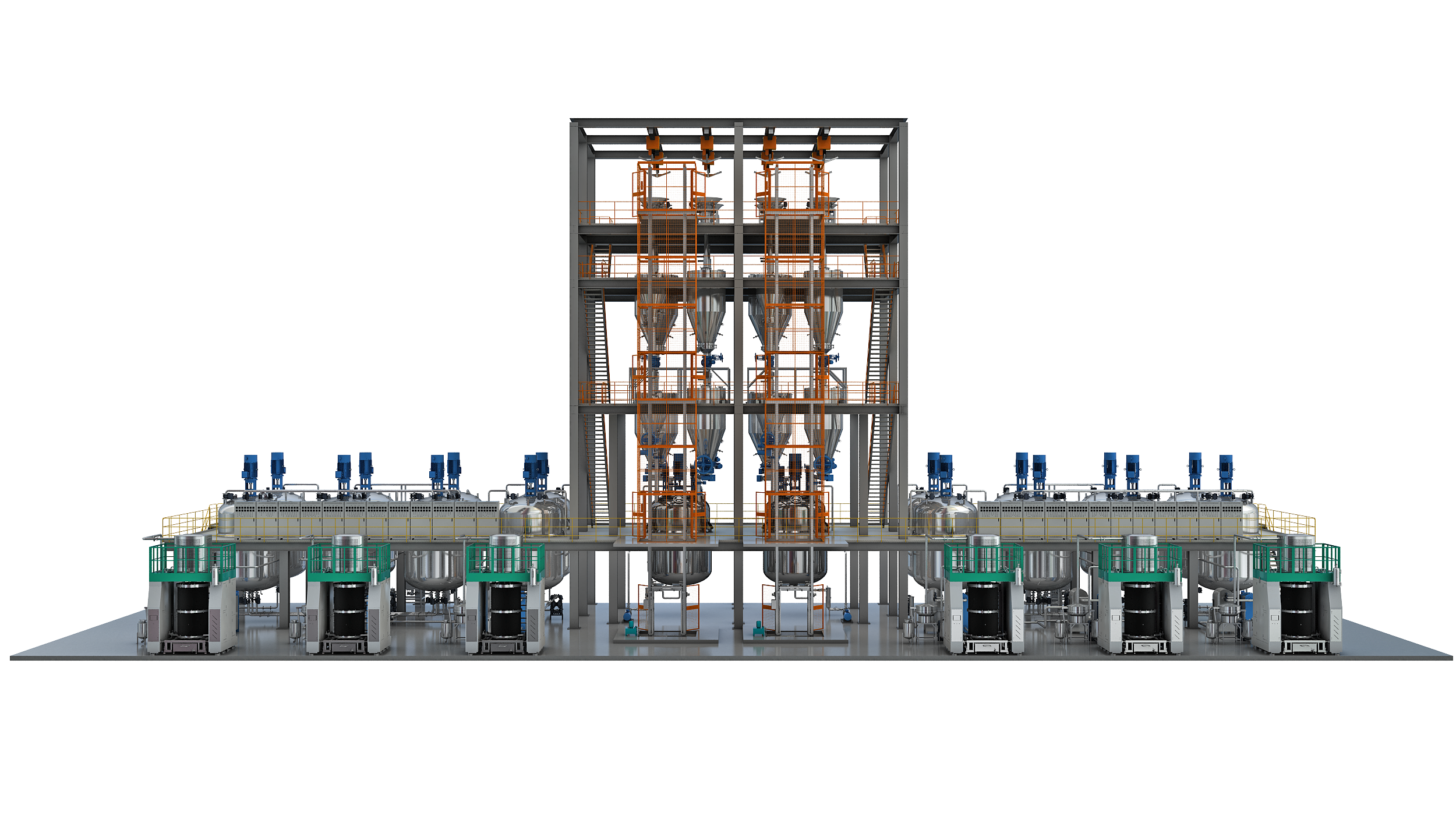
Fourth, with strong policy guidance, opportunities and risks coexist. Indonesia’s national level strongly supports the new energy downstream industry, with strong investment promotion efforts and friendly implementation policies. But at the same time, special attention should be paid to the following: frequent policy changes, local protection policies, localization ratio requirements and other compliance risks need to be assessed and avoided in advance. Finding reliable local partners is crucial.
Fifth, the cooperative atmosphere is pragmatic and inclusive. Compared with Koreans who are extremely picky about equipment, Indonesian customers pay more attention to cost performance, stable delivery and after-sales response speed. Chinese equipment and Chinese technology are very well accepted in the Indonesian market. The key is to implement the four words "stable delivery".
7. Performance implementation: Benchmark projects we have won in Indonesia
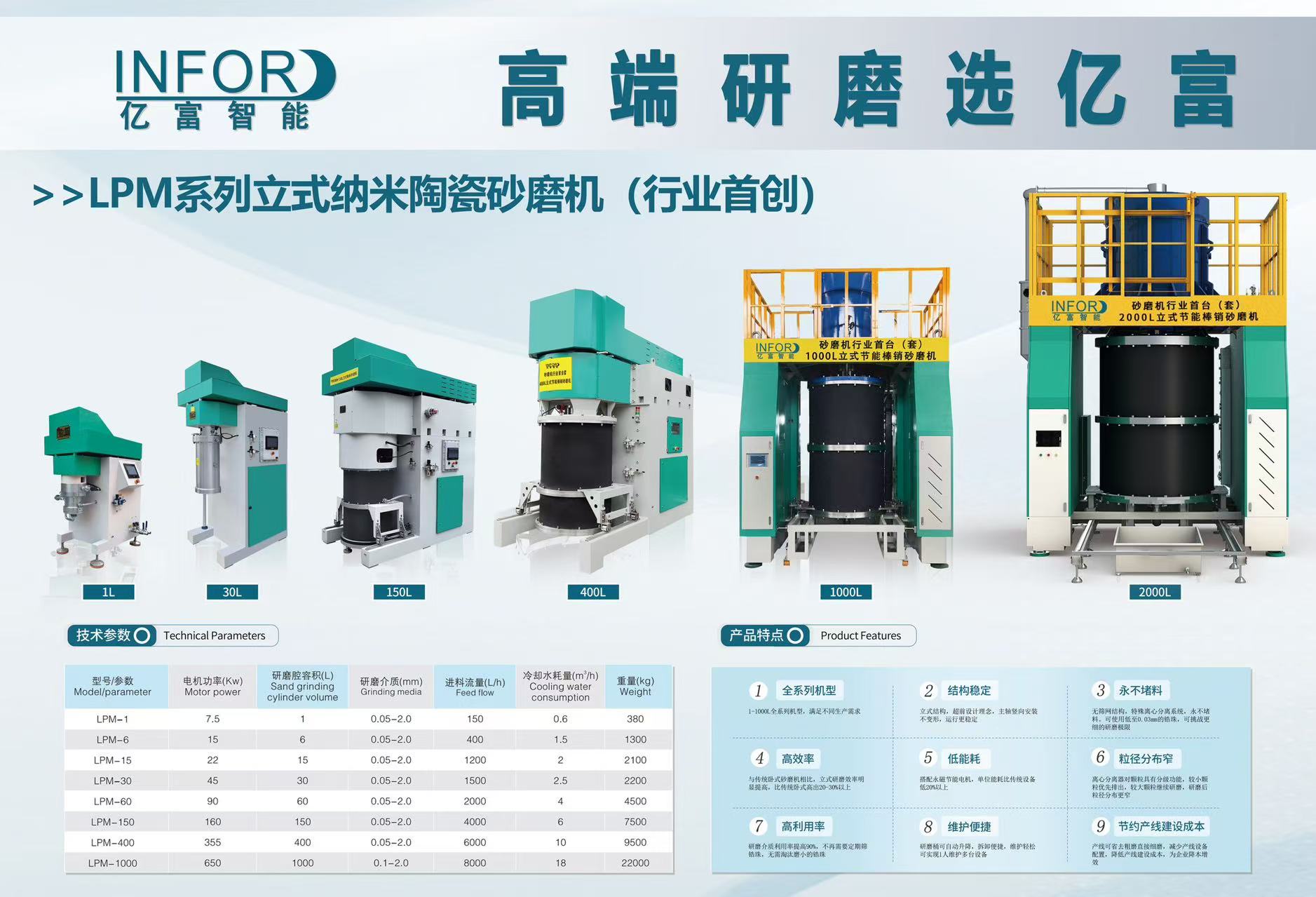
We have won a 100,000-ton lithium iron phosphate cathode material project in Indonesia, and the equipment is currently in the installation and implementation stage. The implementation of this project means that we have obtained the ticket to the leading project in the field of new energy grinding equipment in Indonesia, and there is considerable room for subsequent replication and expansion.
8. Market observation in 2026: short-term fluctuations, long-term value remains unchanged
Objectively speaking, the Indonesian market environment does face some challenges in 2026 - variables such as tariff policies, nickel mining quotas, and exchange rate fluctuations continue to exist. The bilateral economic and trade atmosphere between China and Indonesia is also tense, and many Chinese-funded companies have a strong wait-and-see attitude.
But my judgment is: short-term turmoil will not change long-term value. Indonesia's market size is there - 284 million people, a growth rate of more than 5%, the world's largest nickel resource reserves, and the fastest expanding region in the world's ternary materials production capacity. These fundamentals have not changed. A large number of companies have invested heavy assets in the early stage and have half of their production lines built. It is difficult to stop the project easily. Looking at the long-term cycle, Indonesia is still a core production-capacity market worthy of long-term development.
9. Industry event invitation: Asia Pacific Coatings Exhibition in Jakarta in August
The last synchronized offline invitation:
From August 26th to 28th, we will participate in the Asia Pacific Coatings Exhibition in Jakarta. At that time, we will set up a booth on site to showcase our latest equipment and technical solutions in the field of coating grinding.
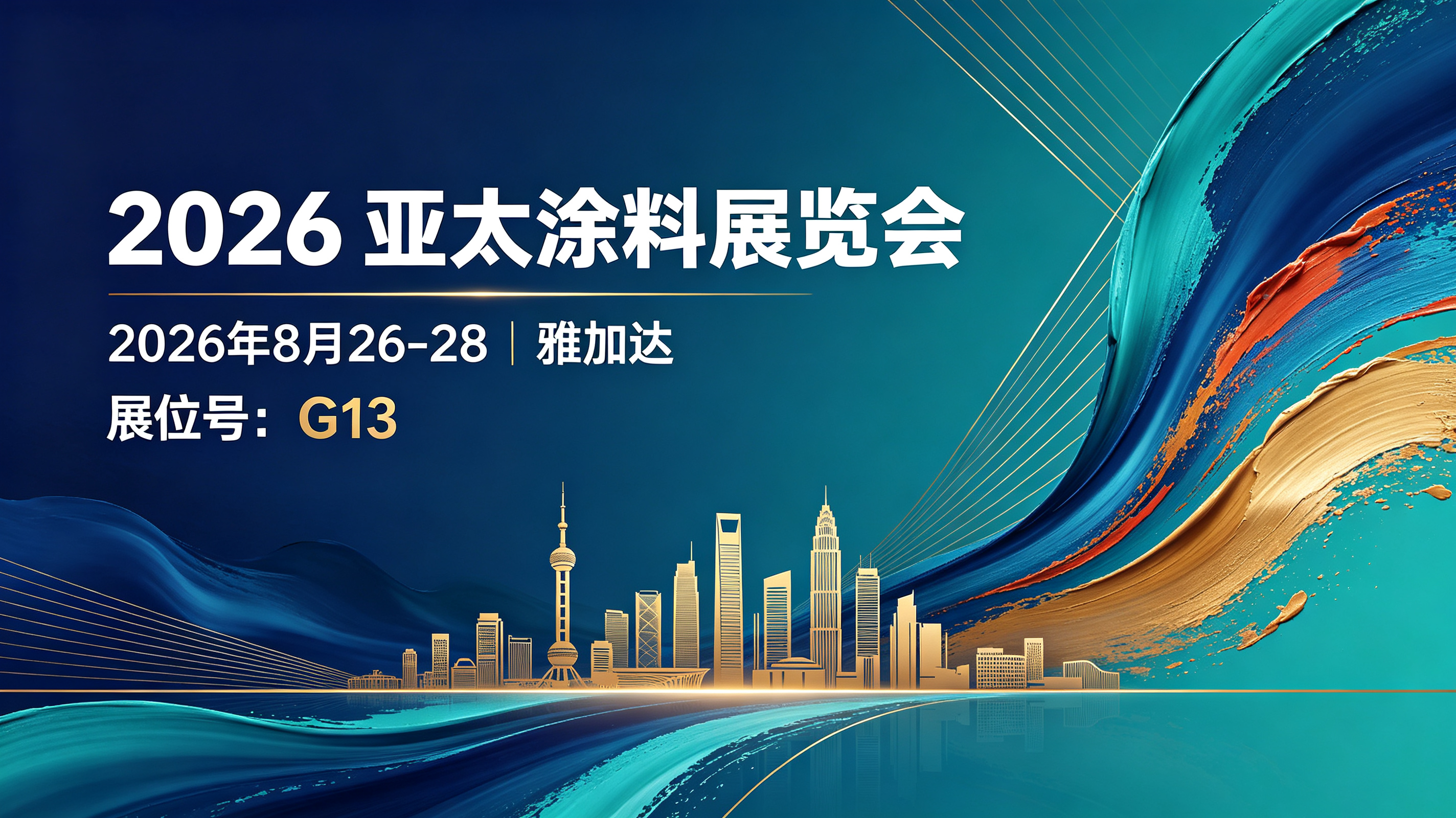
We sincerely invite friends who are in Indonesia or have business plans in Indonesia to come to the booth to communicate. Whether it is resource docking, project implementation or market consultation, we are very much looking forward to meeting new and old friends in the industry in Jakarta and working together to achieve results!

 English
 亿富机械
 +86-0769-85626082
 541476175@qq.com
 东莞市大岭山镇颜屋村莲颜路88号