
As the world’s largest nickel resource country (reserves account for more than 40%) and Southeast Asia’s largest economy, Indonesia is using the new energy industry as its core engine to promote the transition of its economic structure from a “resource export-oriented” to a “manufacturing service-oriented”.
Recently, international giants such as CATL, LG Group, and Huayou Cobalt have accelerated their deployment, coupled with local policy incentives and deepening international cooperation, Indonesia is building a complete industrial chain covering "nickel mining - material processing - battery manufacturing - terminal applications".
Indonesia provides triple dividends for foreign investment through the "Priority List" policy:
1. Tax incentives: For new energy projects with an investment of more than 35 million US dollars, a 10-year corporate income tax exemption policy is provided. The Lithium Source Technology Phase II 120,000-ton lithium iron phosphate project is a typical beneficiary. This greatly reduces the company's early financial pressure.
2. Relaxation of foreign investment access:The "Investment Law" will be revised in 2024 to allow 100% foreign ownership in key areas such as battery manufacturing, providing Chinese companies such as CATL and Ruipu Lanjun with a more flexible investment model and accelerating the implementation of production capacity.
3. Green energy supporting facilities: It is mandatory for industrial parks to provide 20% renewable energy power supply, prompting enterprises to build their own clean energy facilities. For example, Qingshan Group invested in the construction of a 1GW photovoltaic power station in Weidabei Industrial Park, which not only meets policy requirements, but also reduces its own electricity costs.
At the same time, the government plans to build a "super grid" in 2030 to realize power interconnection among islands and solve the problem of uneven distribution of clean energy.
In terms of car companies: BYD has invested US$1 billion to build a factory in Subang, West Java, with an annual output of 150,000 vehicles; Geely Automobile has a Purwakarda factory with an annual production capacity of 20,000 units and is expected to be mass-produced in Q3 of 2025; GAC Eian is building an electric vehicle assembly and battery factory; Citroën is planning production capacity and has been included in the list of tax policy recipients; SAIC Maxus, with a total investment of 15.4 trillion Indonesian rupiahs; Volkswagen, has confirmed investment in building a factory, etc.
Battery companies: CATL announced that it is seeking a US$1 billion loan for the construction of a battery factory in Karawang, West Java, Indonesia. The project is a joint venture between CATL and four Indonesian state-owned enterprises, with a total investment of approximately RMB 8.4 billion, and a planned annual production capacity of 15GWh. It is expected to be put into production in 2027; LG Group will invest an additional US$1.7 billion in its HLI Green joint venture with Hyundai Motor Power battery factory, after the second phase of expansion, the annual production capacity will reach 20GWh (put into operation in 2025), mainly supplying Hyundai Ioniq series models;Ruipu Lanjun, the 8GWh battery factory will be launched in early 2025 (Tsingshan Group IWIP Park), relying on Tsingshan Group's 1 million tons of high nickel matte production capacity (accounting for 40% of the world), using "asking top technology" to increase the cycle life of energy storage cells to 12,000 times, the cost is 16% lower than the industry average, and the target covers the Southeast Asian energy storage market and European and American exports.
Materials companies: Huayou Cobalt: It plans to join forces with industry chain partners to take over the LGES exit project, relying on its 180,000 tons of nickel metal mass production capacity in Weida Bay Industrial Park (IWIP) (effective in 2025) to build a full-chain layout of "nickel mining-precursor-battery recycling". Lithium Source Technology:The world's largest overseas lithium iron phosphate base is being built in Semarang (with a total production capacity of 120,000 tons). The first phase of the 30,000-ton production line has been put into operation in 2024, and the first export will be achieved in January 2025, marking China's LFP technology breaking through the "going global" bottleneck. The second phase of the 90,000-ton project received an investment of US$200 million from Indonesia’s sovereign wealth fund and will meet 50% of Southeast Asia’s LFP cathode demand upon completion. Companies such as Zhongwei Co., Ltd. are also planning and building a lithium iron phosphate material industry chain and so on.
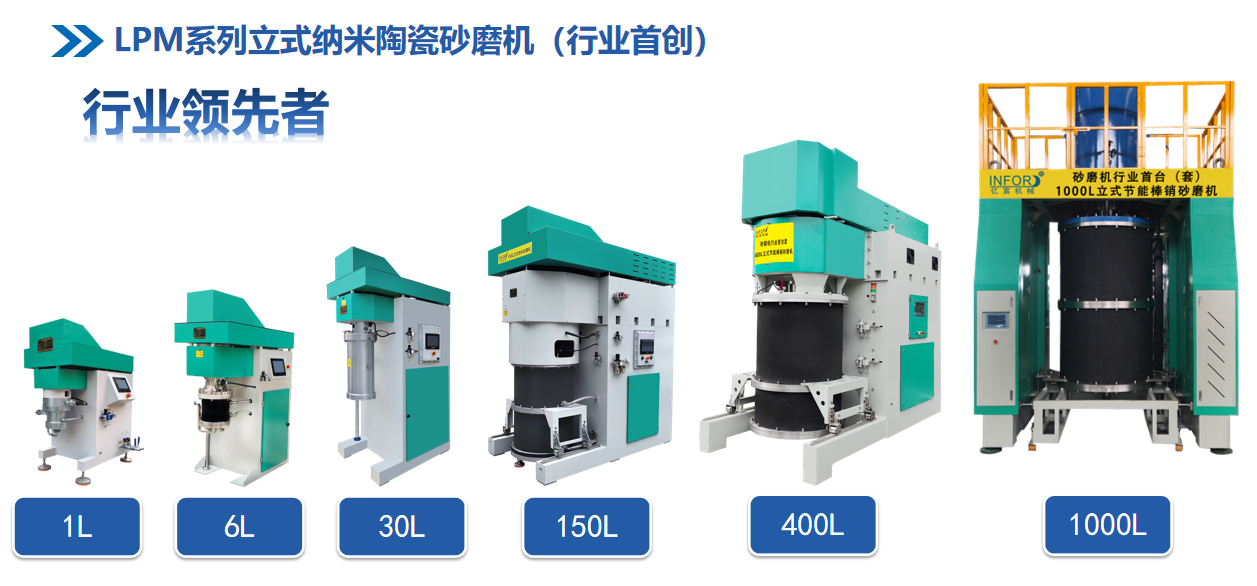
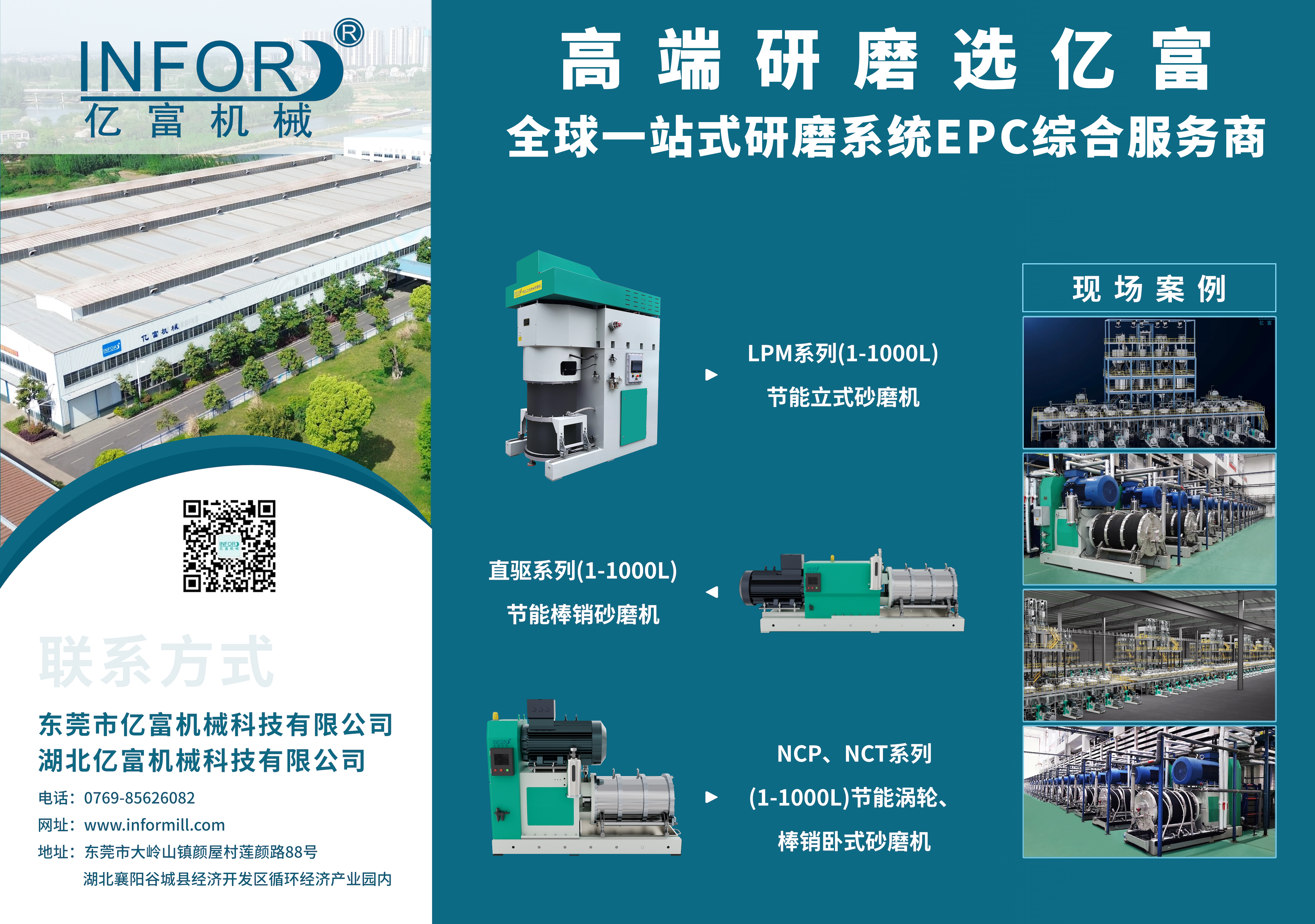
Yifu Machinery also attaches great importance to the Indonesian market. As a company that builds intelligent high-end production lines for new energy material companies, we have also actively deployed in Indonesia and established strategic cooperation with many local companies. We have also established our own offices to implement services locally and respond to customer needs as quickly as possible.
However, the development of Indonesia's new energy vehicle industry has not been smooth sailing. At present, Indonesia's infrastructure construction is relatively lagging behind, and the coverage of charging piles and battery swap stations is low, which to a certain extent affects the promotion and popularity of new energy vehicles. In addition, problems such as the shortage of new energy vehicle technical talents and imperfect supply chains have also restricted the development of the industry.
But challenges often coexist with opportunities. Faced with these problems, Indonesia and its companies are actively taking measures to solve them. Investment in infrastructure construction has been increased, and enterprises are encouraged to participate in the construction of charging piles and battery swap stations. At the same time, we will strengthen cooperation with universities and scientific research institutions to cultivate new energy vehicle technical talents. Enterprises continue to strengthen technological innovation, improve product quality and performance, and improve the supply chain system.
Indonesia’s new energy vehicle industry is in a stage of rapid development. Abundant resources, preferential policies, and broad market prospects provide it with good development opportunities. Although it faces some challenges, as long as it cooperates with enterprises and works together, Indonesia's new energy automobile industry will usher in a more brilliant tomorrow and become an indispensable force in the global new energy automobile industry. Let us wait and see and witness the take-off of Indonesia's new energy vehicle industry!

 English
 亿富机械
 +86-0769-85626082
 541476175@qq.com
 东莞市大岭山镇颜屋村莲颜路88号
