In recent years, China's lithium battery new energy industry has experienced leapfrog development from catching up to leading. From upstream mineral resource refining, to midstream cell manufacturing and battery packaging, to downstream electric vehicles and energy storage applications, China has established the most complete and largest lithium battery industry chain in the world. However, as competition in the domestic market becomes increasingly fierce and production capacity gradually becomes saturated, more and more lithium battery companies are turning their attention to overseas markets. This is not only an inevitable choice for industrial development, but also a strategic opportunity for Chinese enterprises to move towards the high end of the global value chain.
Current situation and challenges of the domestic market
In the past decade, China's lithium battery industry has experienced explosive growth driven by both policy support and market demand. From power batteries to energy storage batteries, the rate of production capacity expansion once exceeded the growth rate of market demand. Nowadays, the domestic lithium battery market has entered the stage of stock competition, with price wars occurring one after another and profit margins being continuously compressed. During bidding, dozens of companies compete for a project, and the one with the lowest price often wins in the end. Issues such as lengthened account periods, difficulties in collecting payments, and homogenization of technology have made companies struggling to cope.
This is not a special phenomenon in a certain segment, but a common pain as the entire industry matures. When supply far exceeds demand, and when products become increasingly homogeneous, it is no longer possible to rely solely on the domestic market to support the continued growth of enterprises. Breaking out overseas has become a common strategic direction for leading companies and small and medium-sized manufacturers.
Broad space for overseas markets
Looking around the world, the overseas market for lithium battery new energy is still a blue ocean.
The first is developed markets such as Europe and the United States. As the goal of carbon neutrality advances, the European Union and the United States have successively introduced policies to encourage the development of new energy vehicles and energy storage. Europe's carbon tariffs and the United States' "Inflation Reduction Act" are forcing the local market to accelerate energy transformation. However, the construction of domestic lithium battery production capacity in Europe and the United States is relatively lagging behind, and it will be difficult to get rid of dependence on China's supply chain in the short term. This provides a valuable window period for Chinese lithium battery companies.
Followed by emerging markets such as Southeast Asia, the Middle East, and Africa. These regions are in the initial stage of energy structure transformation, with extremely low electrification penetration and the construction of energy storage infrastructure has just begun. For Chinese companies that have accumulated rich experience in the country, these markets are almost "unexplored virgin lands." Local customers are in urgent need of lithium batteries, and Chinese companies have natural competitive advantages with their mature technology, stable delivery capabilities and cost-effective products.
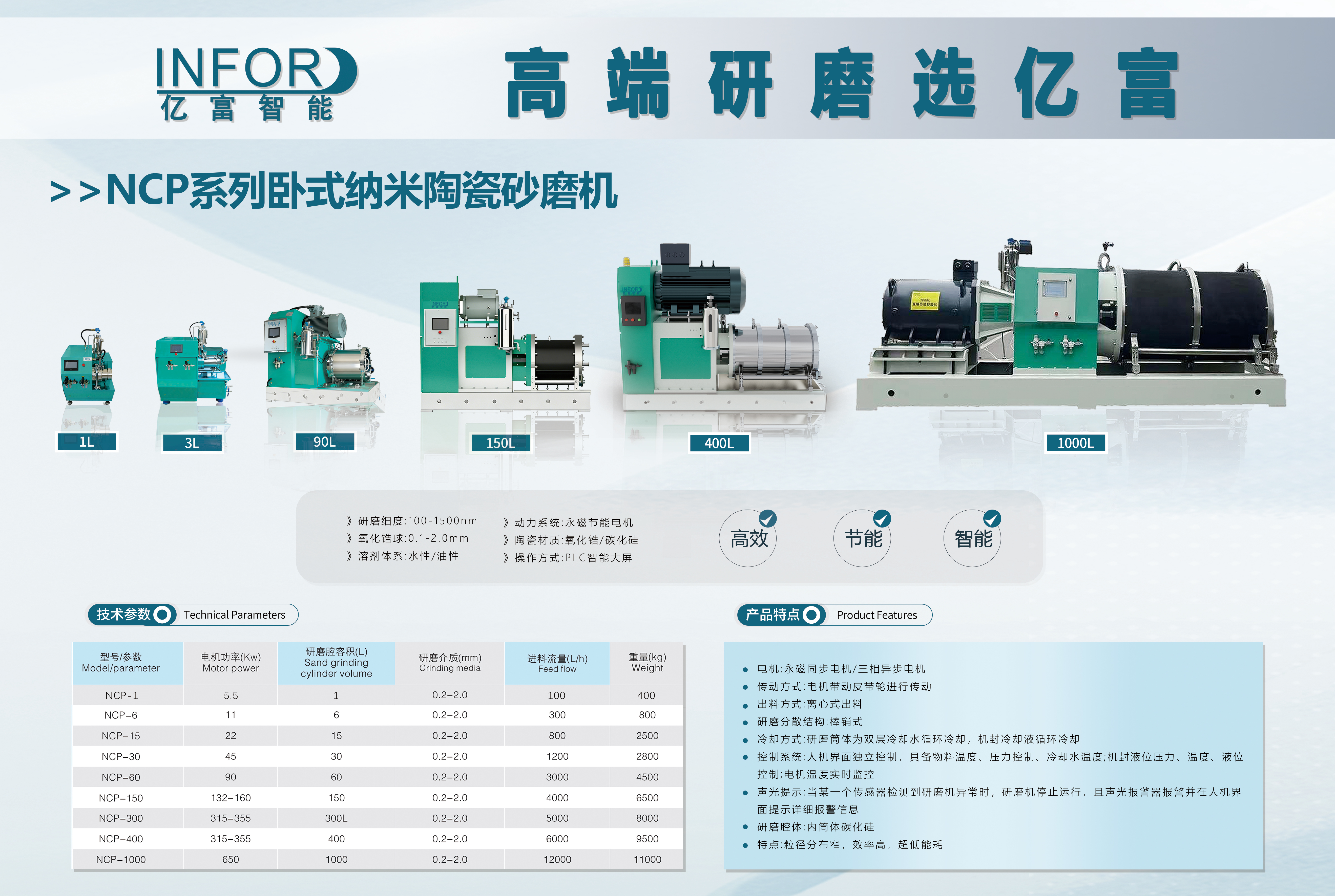
More importantly, overseas markets value product quality, technical solutions and comprehensive service capabilities more than pure price competition. The low-price competition that is customary at home does not work overseas and is not needed. Enterprises compete to see who can truly solve customers' problems and who can provide reliable technical support and after-sales service. This value-based business logic allows a business to return to what it should be - with technical barriers, brand premiums, and reasonable profit margins.
Prospects and Trends
Looking to the future, the overseas market of lithium battery new energy will show several obvious trends.
First, from product exports to production capacity overseas. In the early days, Chinese companies mainly participated in overseas markets by exporting cells and battery packs. Nowadays, more and more leading companies have begun to deploy production bases overseas to achieve localized manufacturing. This is not only a passive choice to avoid trade barriers, but also a proactive strategy to deeply integrate into the global industrial chain.
The second is from a single product to a system solution. Overseas customers are no longer satisfied with purchasing battery components, but want to obtain integrated solutions including battery cells, BMS, energy storage systems, and operation and maintenance services. Enterprises with system integration capabilities and full life cycle service capabilities will gain greater market say.
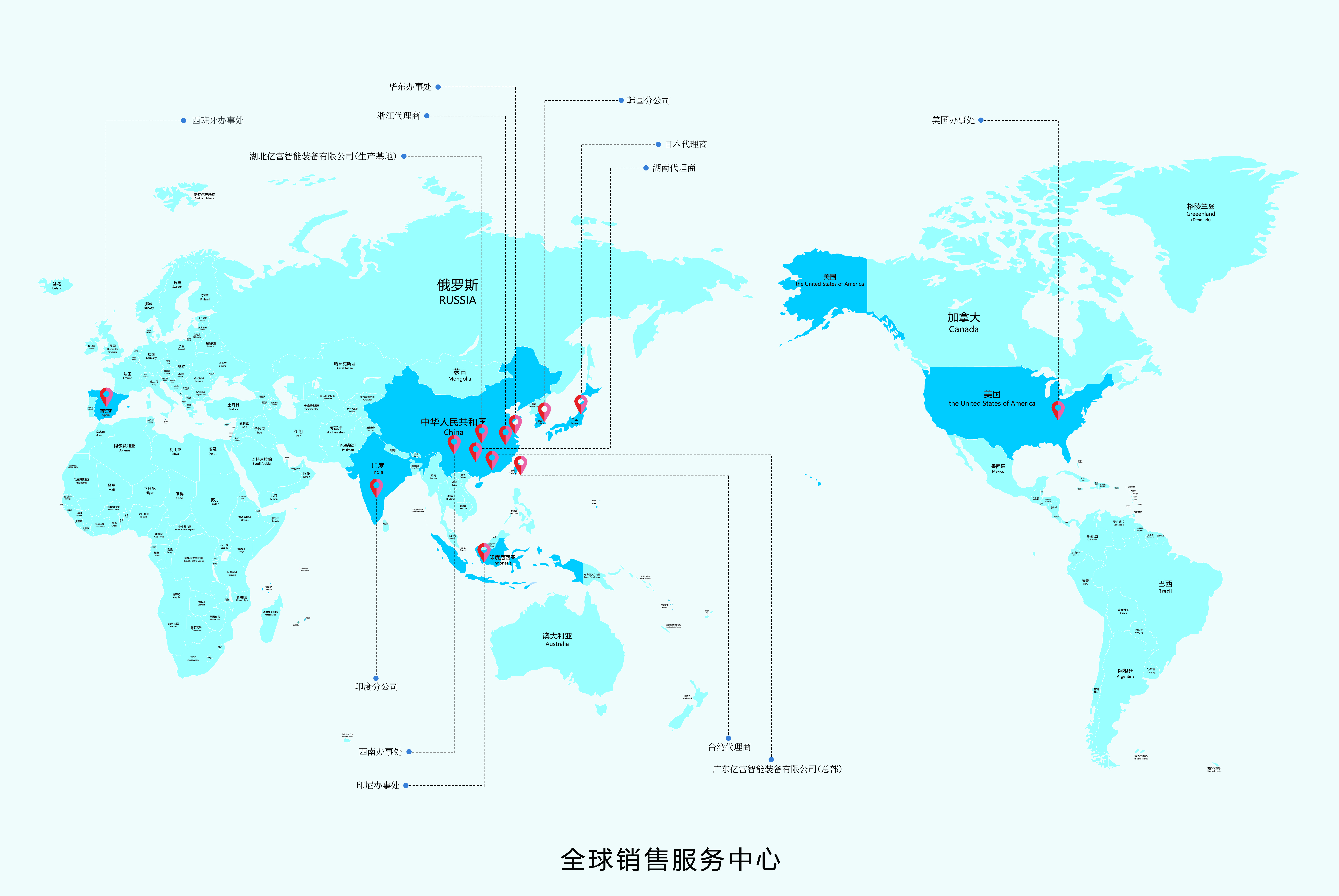
The third is from price competition to brand competition. As the penetration rate of Chinese lithium battery products in overseas markets continues to increase, brand recognition and customer trust are becoming new competitive focuses. Those companies that can continue to output high-quality products and establish a good reputation will gradually get rid of low price tags and move towards brand premium.
Conclusion
For Chinese lithium battery companies, going overseas is not a multiple-choice question, but a must-answer question. The involution of the domestic market has forced companies to seek external growth, while the vast space and rational competitive environment in overseas markets have just provided a stage for companies with technology and accumulation to perform.
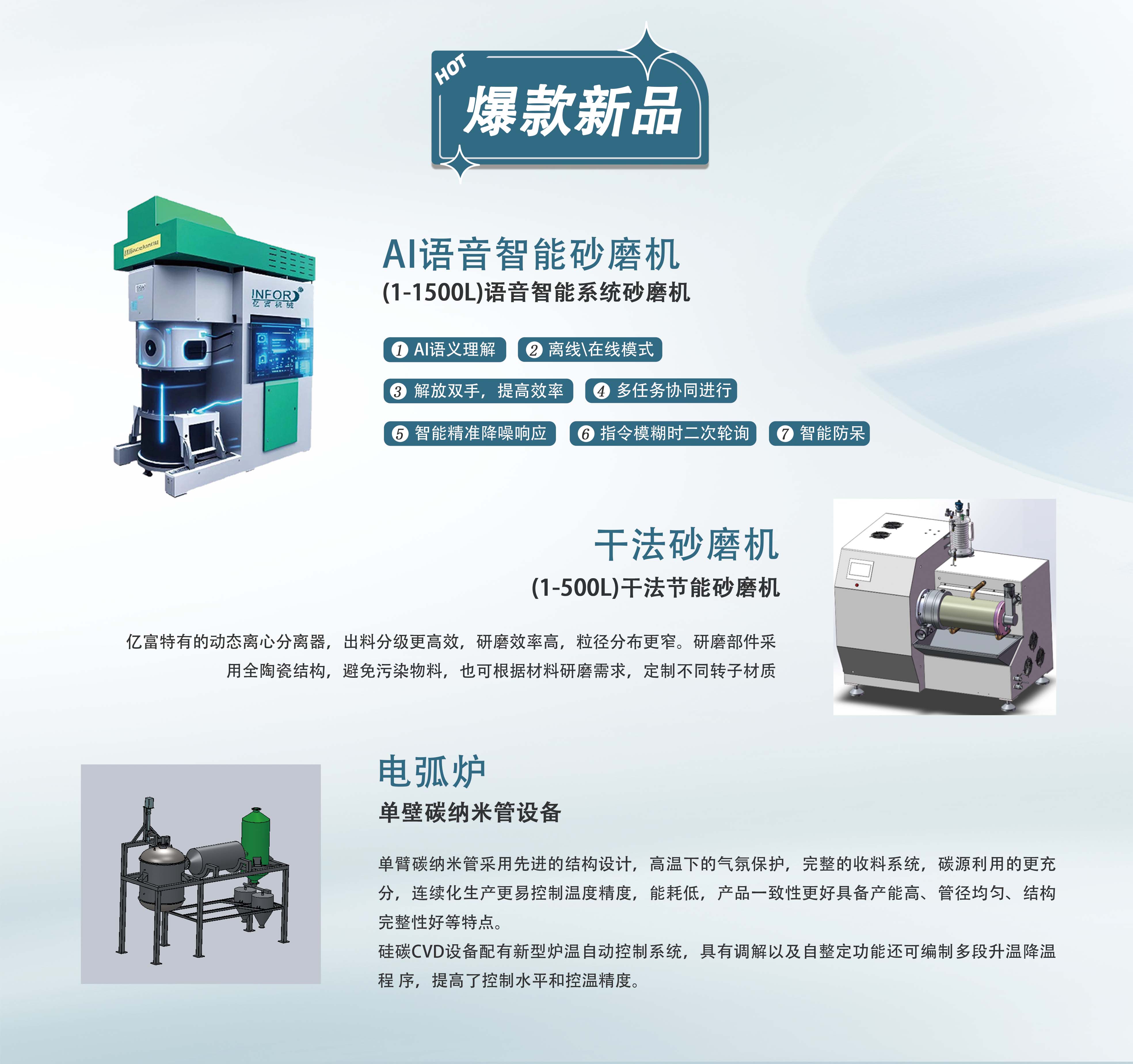
Of course, the road to sea is not an easy one. Cultural differences, policy barriers, localized operations, and supply chain management are all obstacles that need to be overcome. But just like the growth process of any industry, challenges and opportunities always coexist. Those companies that dare to go global and are good at taking root overseas will surely win their own place in the global tide of lithium battery new energy.
In an increasingly complex era, finding a new way out is a common proposition for all enterprises. For the lithium battery new energy industry, the answer is already clear - go overseas and embrace the world.

 English
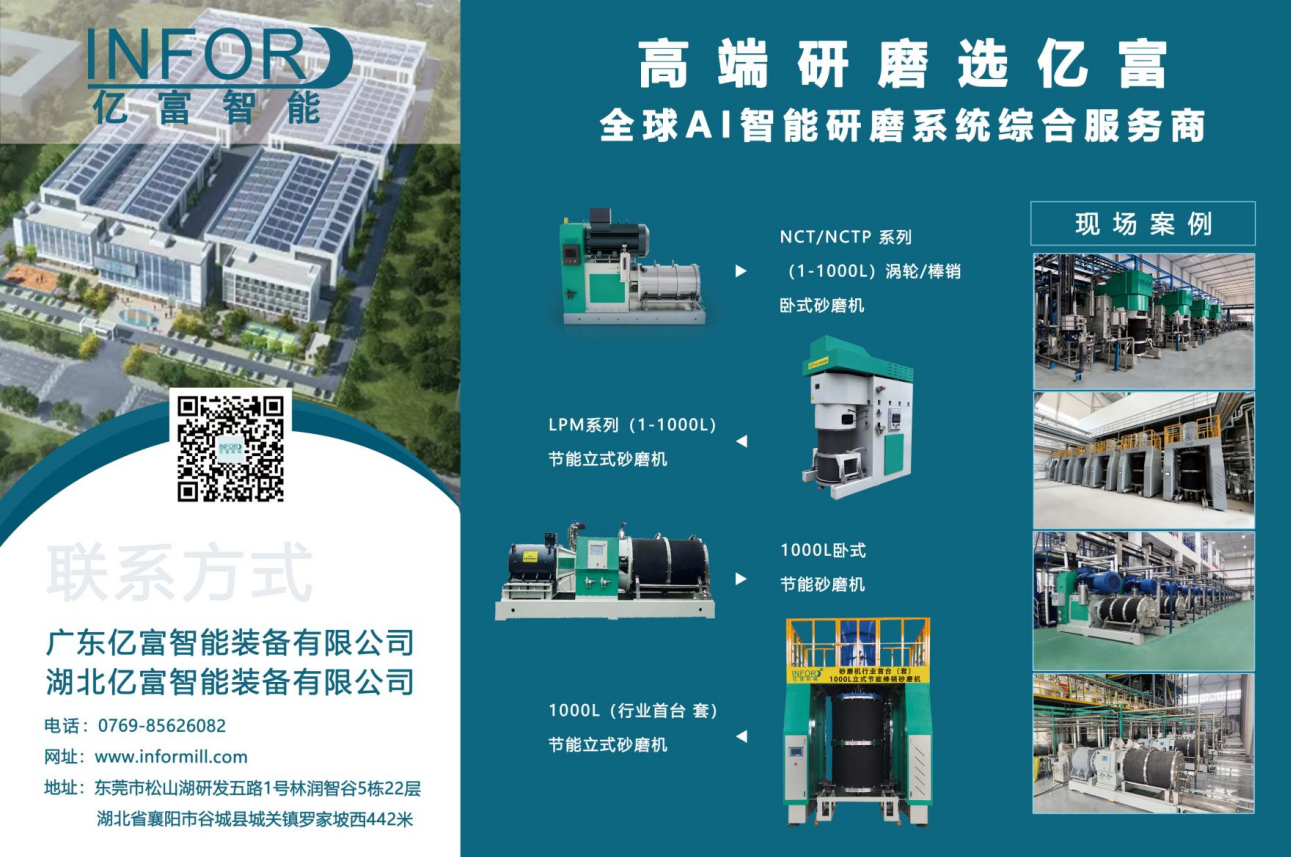
 亿富机械
 +86-0769-85626082
 541476175@qq.com
 东莞市大岭山镇颜屋村莲颜路88号