
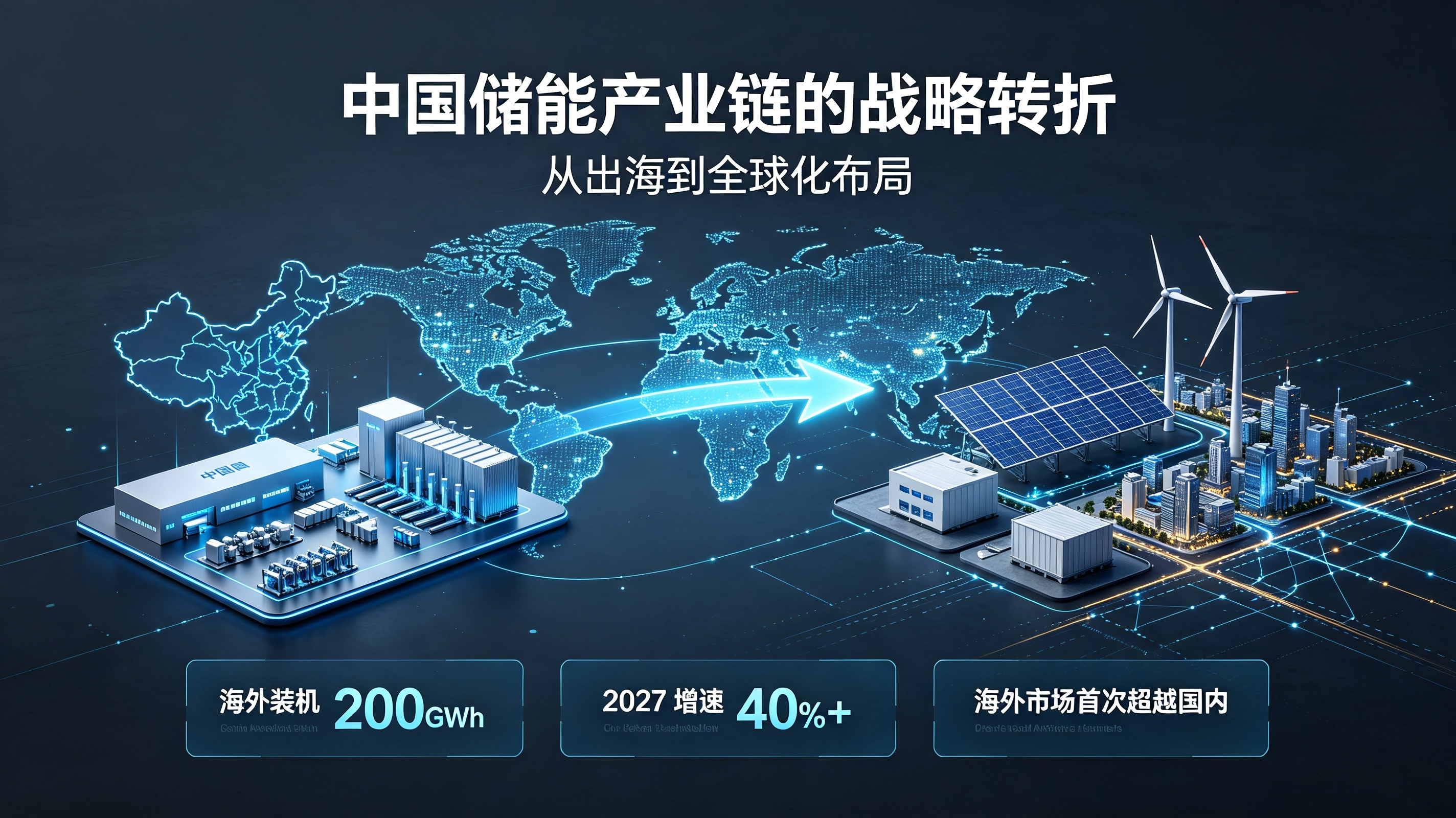
In 2026, the global energy storage industry is undergoing a "geographical migration" - overseas markets (excluding China) will surpass domestic markets for the first time and become the number one engine for growth in global energy storage cell shipments and installations. It is expected that overseas energy storage installed capacity will approach 200GWh throughout the year, and is expected to maintain a rapid growth of more than 40% in 2027. This is no longer a simple “going overseas”, but a strategic transition in China’s energy storage industry chain from “optional” to “must-have”.
1. Why did the overseas market suddenly “explode”?
Three forces are pressing the accelerator button for overseas energy storage at the same time:
· Energy security anxiety: The aftermath of the Russia-Ukraine conflict has not been resolved, and European countries’ desire for energy independence has been transformed into hard demand for energy storage;
· Indigestion of the power grid: the proportion of wind and solar power generation has soared, negative electricity prices are frequent, and the frequency and peak regulation gap has forced large storage to be launched;
· AI "hungry for electricity" is fierce: data center provision and storage has changed from a "plus point" to a "must have option", and the demand for AIDC-related energy storage in North America has increased by more than 60% annually.
More importantly, the space for overseas electricity price arbitrage continues to expand, energy storage has shifted from "policy-dependent" to "market-driven", and the business model has been successful.
Two and three major markets: Who is leading? Who is breaking out?
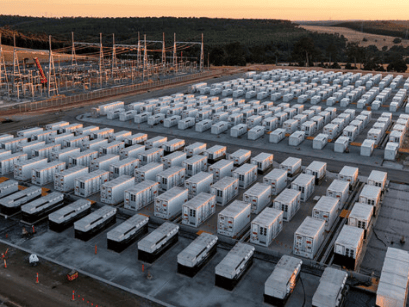
North America: High gross profit, but “policy shackles” are the most important
· The installed capacity is expected to be 60-70GWh in 2026 and 75-80GWh in 2027.
· Traditional wind and solar power distribution and storage are still the basics, but the contribution of AI data centers is increasing year by year, and the proportion of new data centers in some states has exceeded 40% of installed capacity.
· Sweet Trouble: Although the ITC tax credits in the IRA Act are generous, FEOC (Foreign Sensitive Entities) compliance reviews and tariff barriers have been increased layer by layer. Chinese companies "make more money but are also tired" in this market.
Europe: Large-scale savings are increasing, household savings are polarized
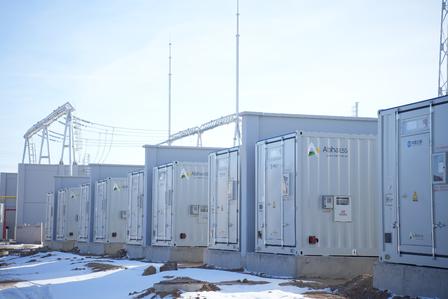
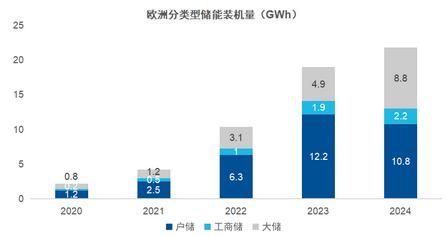
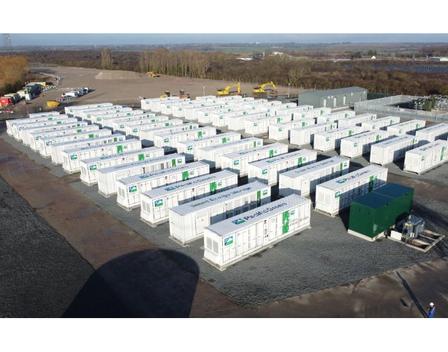
· Large storage capacity is expected to be 40-50GWh in 2026 and jump to 60GWh in 2027. The troika of Germany, Italy, and the United Kingdom are working together, the capacity market and ancillary service mechanisms are becoming increasingly perfect, and negative electricity price arbitrage has become the norm.
· Household savings are in a state of "ice and fire": in Germany, affected by the reduction of subsidies and the fall in electricity prices for residents, the growth rate has slowed down; however, balcony micro energy storage (5kWh level) in the Netherlands and Austria has suddenly become popular and has become a new growth pole. Australian household savings are "top students" - driven by high photovoltaic penetration rate + high electricity prices + federal subsidies (CHBP), the system capacity is rapidly upgrading to 20-30kWh.
Middle East: Super projects gather together, long-term energy storage "testing ground"
· In 2026, it will be less than 20GWh, and it will soar to 30GWh in 2027.
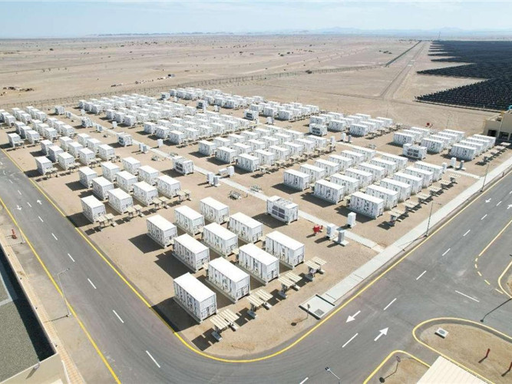
· Saudi Arabia and the United Arab Emirates often have 10GWh-level integrated optical and storage projects, which generally take 4-10 hours to configure and have extremely strict requirements for high temperature adaptability. This is the best stage for China's leading companies to demonstrate their "extreme manufacturing" capabilities.
Other emerging markets
Australia remains stable (12-15GWh); in Southeast Asia, Latin America, and Africa, due to weak power grids and lack of electricity, industrial, commercial and household energy storage is steadily increasing. Although the base is small, the growth rate is impressive.
3. Industrial and Commercial Reserves: The Undervalued “Hidden Champion”
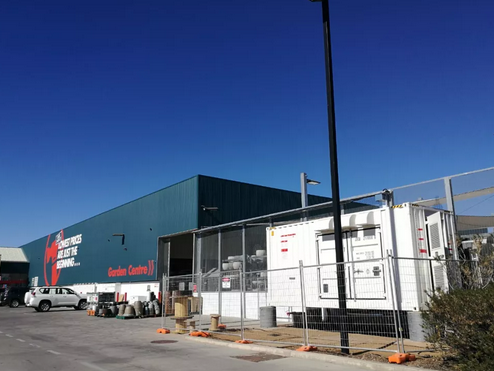
Compared with large-scale storage and household storage, commercial and industrial energy storage (C&I) is quietly heating up overseas. Factories, shopping malls, and parks in Europe, Australia, and Southeast Asia use energy storage to cut peaks and fill valleys, for self-use, and to add auxiliary service revenue, and the economics are already very outstanding. Especially in the context of high industrial and commercial electricity prices in Europe, the payback cycle of industrial and commercial storage projects has been shortened to 4-5 years, becoming the "standard configuration" for many small and medium-sized enterprises.
4. The Chinese Legion dominates, but competition has escalated
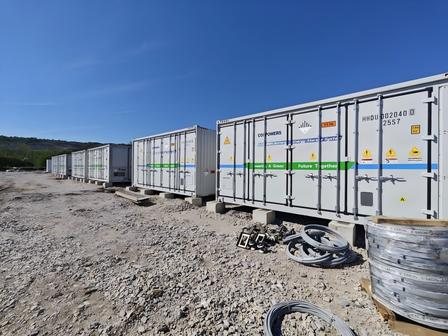
Chinese manufacturers have taken the top share of global energy storage cells and system integration - names such as CATL, Sungrow, and Haichen Energy Storage frequently appear in large overseas orders. But behind the glamor, there are many challenges:
· Localization pressure: Europe has begun to consider origin requirements, and the United States has strictly reviewed "Chinese ingredients";
· Upgrading of the competition dimension: The industry has bid farewell to simply "competing on price" and has turned to all-round competition on full life cycle costs, brand reputation, local installer (Installer) network and after-sales service.
Leading companies are binding customers through the "integrated optical storage and charging" full-stack solution, while second-tier companies rely on differentiation (such as low-temperature performance, ultra-long cycle life) to carve holes in market segments. Whoever can take the lead in localized services will be able to hold on to their share.
5. Price and Profit: The Differentiation of Ice and Fire
· The price band is clear: the European DC side FOB is about 90 US dollars/kWh, and the system price is 100-110 US dollars; the American system is about 100 US dollars; emerging markets such as the Middle East and Latin America are price-sensitive, and the system is only 70-80 US dollars/kWh.
· Profit trend: Affected by the price reduction of upstream battery cells and scale effect, the profit margin of large-scale storage is expected to gradually recover; while household savings and industrial and commercial savings still maintain high gross profits due to strong demand and smooth transmission, and are the "profit cows" of many companies.
VI. Outlook 2027: Certainty of growth, and risk variables
The high growth of the overseas energy storage market is highly certain - energy transformation is irreversible, power grid demand is expanding, and AI power consumption will never stop. But variables cannot be ignored: the policy swings after the US election, the protection of European domestic manufacturing, and the escalation of trade barriers may all rewrite the rules of the game at any time.
For Chinese companies, "going overseas" is no longer a simple product export, but an all-round "localization" of production capacity, services, brands and standards. Whoever can adapt to this "global localization" rhythm faster will be able to truly become a world-class player in this 200GWh+ wave.

 English
 亿富机械
 +86-0769-85626082
 541476175@qq.com
 东莞市大岭山镇颜屋村莲颜路88号