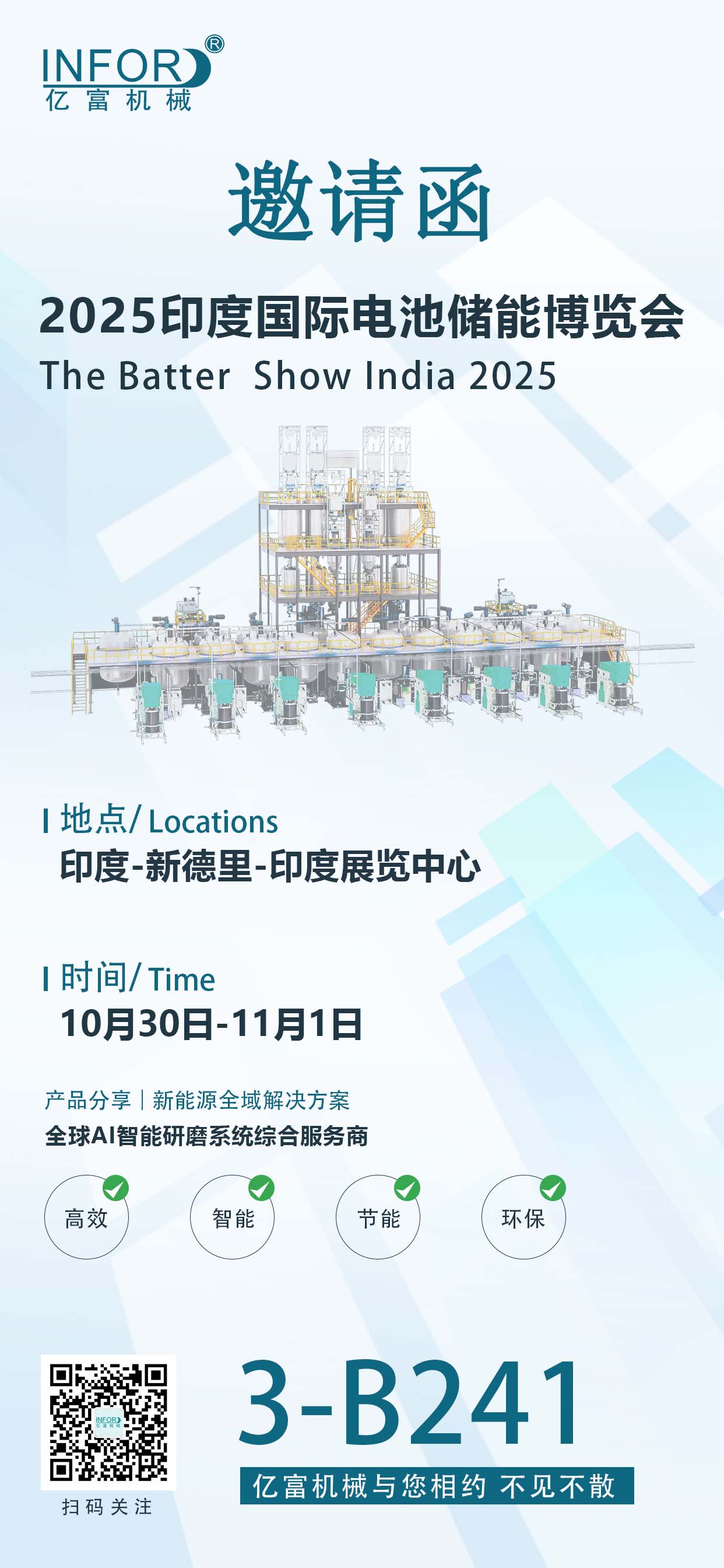
On October 30, 2025, the 2025 India International Battery Energy Storage Expo will be held soon. The exhibition will gather various professionals in the upstream and downstream fields of lithium batteries and will cover multiple topics, including battery technology, energy storage solutions, electric vehicle applications, etc. In addition, the exhibition also has special conferences and seminars, inviting industry experts to share cutting-edge knowledge and technology trends. This not only helps exhibitors and visitors broaden their horizons, but also promotes innovation and development in the entire industry.
sincerely invites you to visit
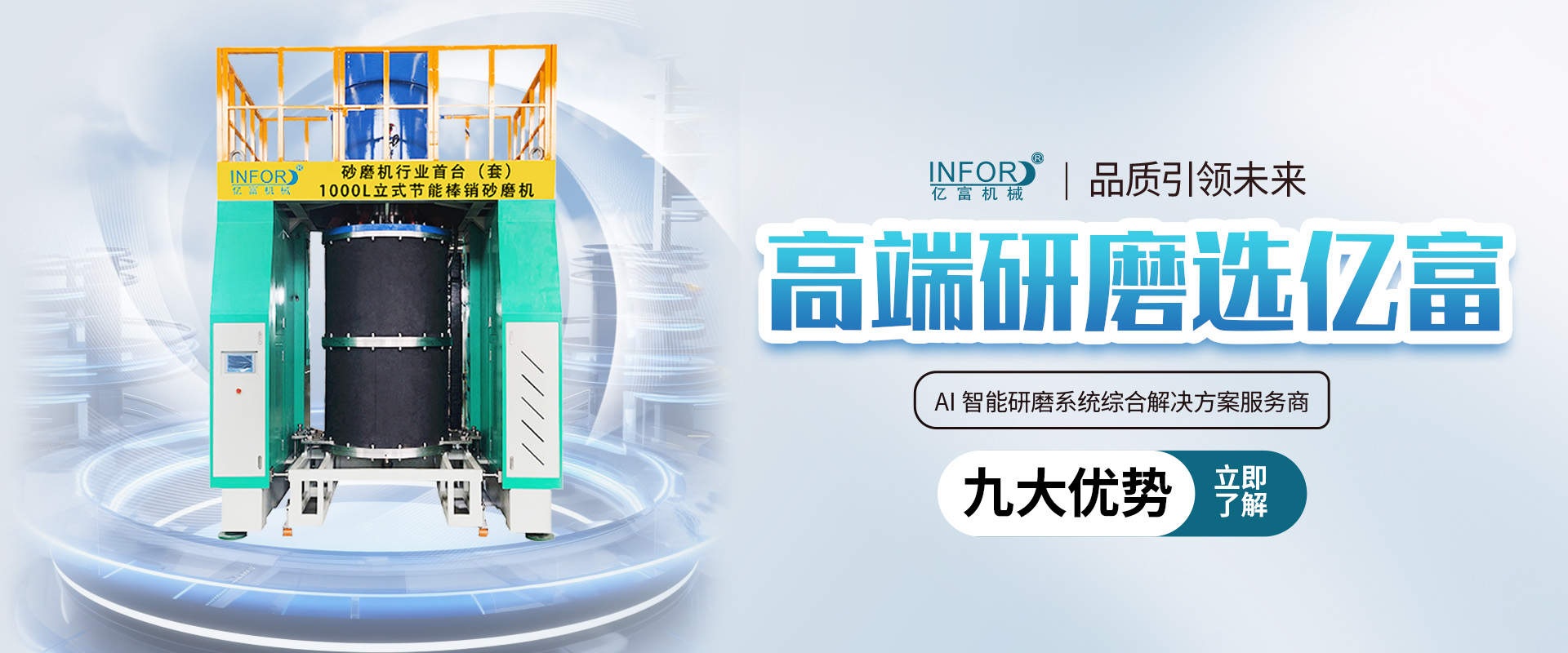
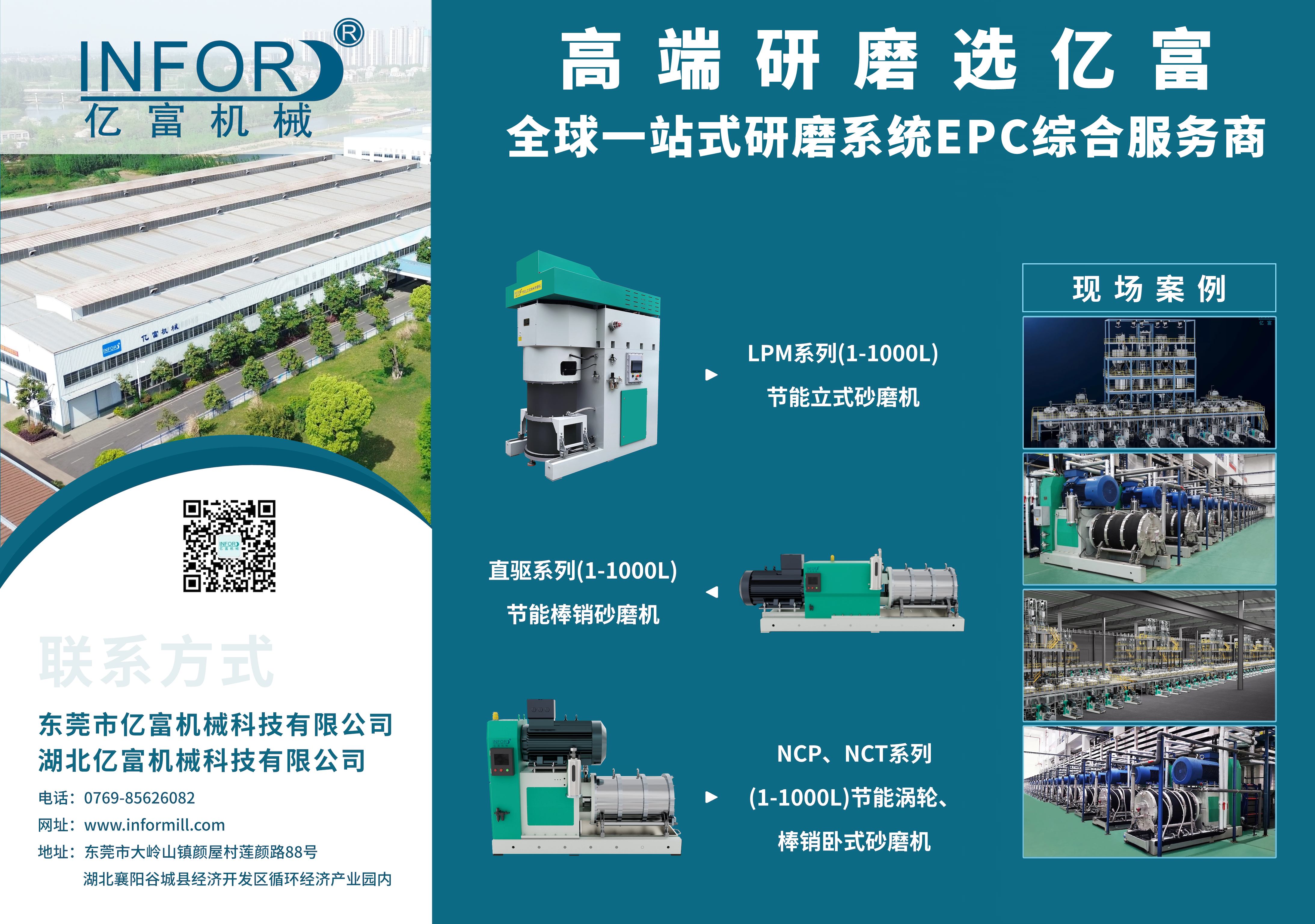
We at Yifu will also set up a booth in Hall 3 and display our advanced sand grinding technology and application cases at the exhibition site. At the same time, we will show our development plan in India to the industry and pave the way for the future development of the Indian market. We welcome friends who want to learn about the Indian market to go to India and work together for cooperation and exchanges.
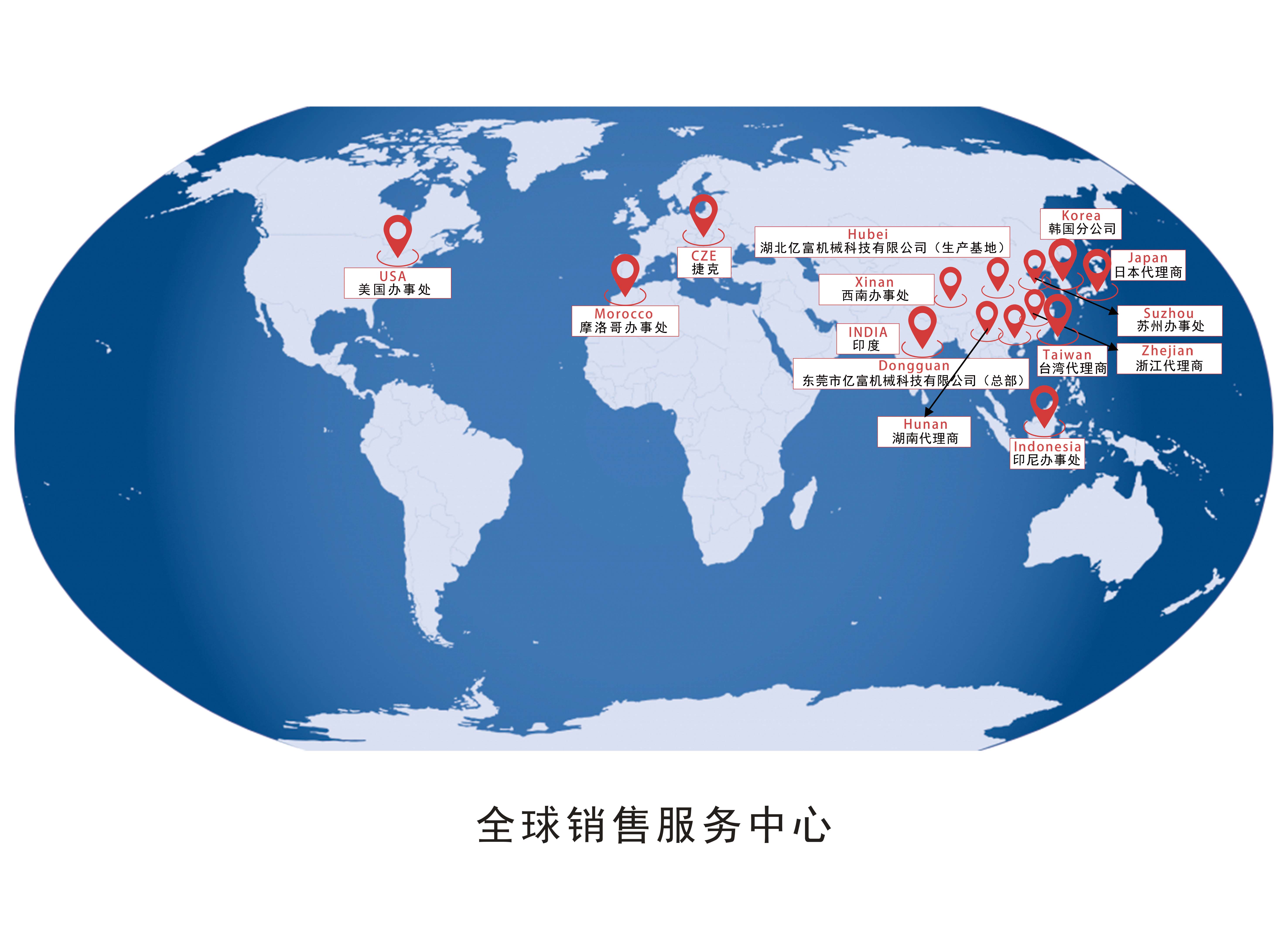
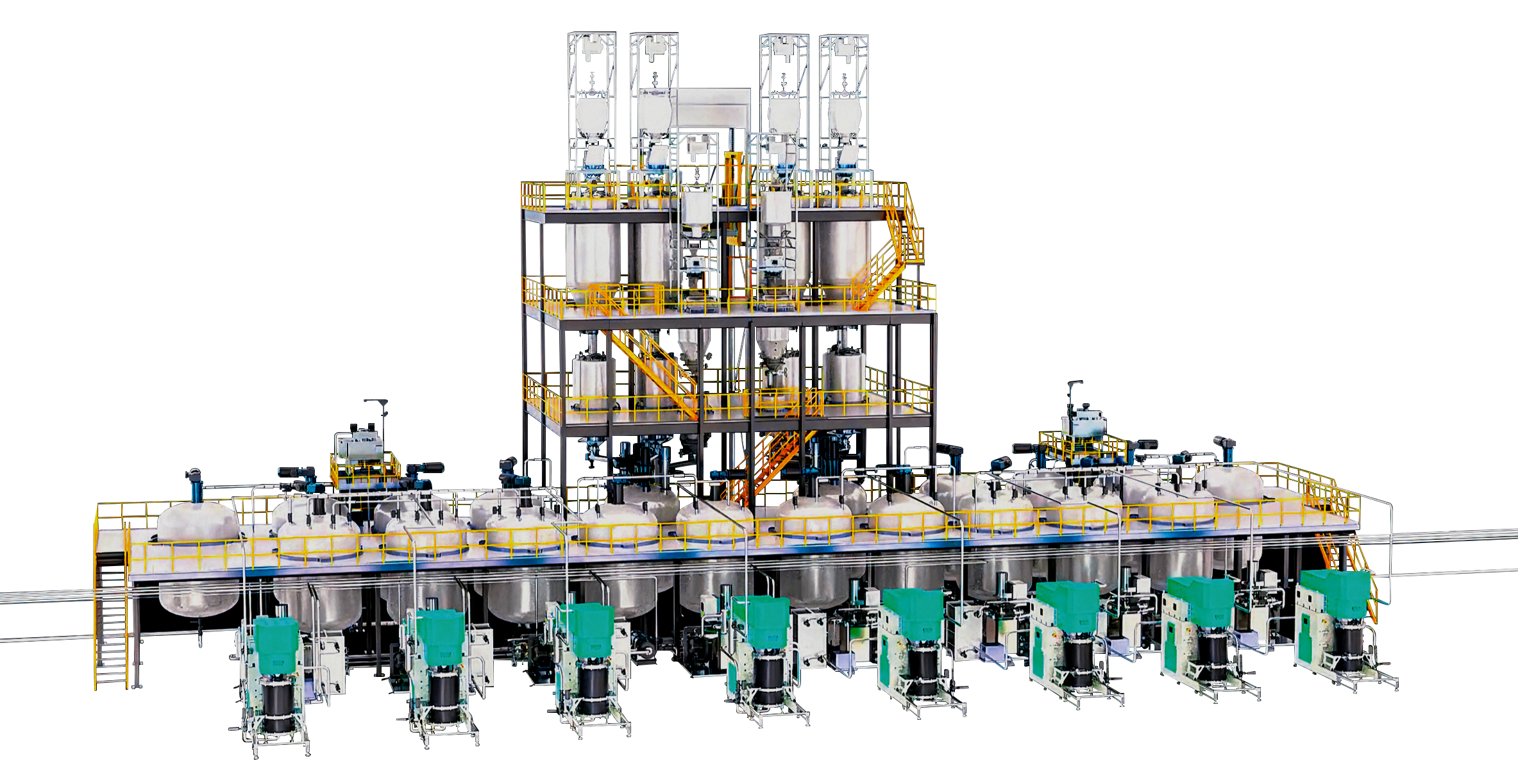
As a potential consumer country, the future development potential of new energy vehicles in India cannot be underestimated. Yifu is also actively expanding into the Indian market and has established cooperation with a number of institutions. For more than ten years, we at Yifu have advanced material production line technology and rich experience, and can provide full-process intelligent production line design and construction. At the same time, it can also provide technical support to Indian companies with domestic high-quality process resources.
Overview of the development of new energy vehicles in India
In 2024, the sales of new energy vehicles in India will increase by 20% year-on-year to approximately 100,000 vehicles, accounting for 2.5% of the overall vehicle sales. Although the base is small, the growth rate is significant, and the government plans to increase the proportion of new energy vehicles to 30% by 2030. Bloomberg New Energy Finance predicts that sales may exceed 200,000 vehicles in 2025, with a compound annual growth rate of 59% in the next five years.
The Indian government has played a key role in promoting the development of new energy vehicles and introduced a series of comprehensive and targeted policy measures. In terms of production incentives, these policies provide comprehensive support for the development of the new energy vehicle industry from production, consumption, infrastructure construction to core battery manufacturing, and are committed to achieving the goals of reducing carbon emissions, reducing oil dependence, and improving the competitiveness of the manufacturing industry.
India’s demand for power batteries in 2024 will be about 15GWh, with local production capacity currently at about 6.7GWh, and the rest relying on imports; in 2025, major lithium battery investment companies will gradually put into production to release production capacity, including battery leader EXID’s Bangalore lithium battery project (capacity 6GWh), Tata Agratas Battery Company (planned capacity 20GWh), Reliance Industrial Battery Company (planned capacity 5GWh), and Amara Raja Energy (which is about to build a battery factory) authorized by Guoxuan Hi-Tech. Although there is a large production capacity layout, it still takes time to put into production. At present, the demand for batteries and cells mainly relies on imports.
In recent years, India has begun to actively search for minerals around the world. Its state-owned enterprise KABIL has obtained the mining rights of five mining areas in Argentina and is seeking to invest in Australian lithium mining projects. As for technological breakthroughs, it depends on the progress of cooperation with Chinese and other international companies and whether the three-step strategy of "introduction, digestion, and re-creation" can be realized. At present, India lacks the refining capacity of lithium carbonate, relies on imports of cathode materials from China, and the lithium battery manufacturing industry chain has just begun.

Local companies play an important role in the Indian new energy vehicle market. Local companies such as Tata Motors and Mahindra occupy a dominant position. Among them, Tata Motors maintains its leading position with its rich product lines (such as Nexon EV, Tigor EV, etc.), accounting for more than 60% of sales in 2024.
International brands are accelerating their layout: International brands such as MG and BYD are growing rapidly. MG's sales in 2024 will increase by 125% year-on-year. BYD has entered the top four with low-priced models (such as Atto 3). Vietnamese brands Vinfast and Tesla plan to expand their business in India. Tesla has begun to recruit local teams and plans to build a charging network. In addition, many Chinese-funded companies are also making plans, and the number of Chinese-funded factories in India will gradually increase in the next few years.
The pain points in the development of India's new energy industry include insufficient charging facilities: as of the end of 2024, India has only 25,000 charging piles, with a vehicle-to-pile ratio of about 20:1, which is far below demand. Batteries are dependent on imports: India’s battery production capacity is limited and 80% relies on imports. The cost is high and the construction of the local industrial chain needs to be accelerated. Overall, India's new energy vehicle market has huge potential, but bottlenecks such as charging facilities and battery costs need to be solved to achieve long-term growth goals.
There are also challenges in market acceptance. Indian consumers are more price-sensitive. Currently, it is generally cheaper to buy traditional fuel vehicles than electric vehicles, which puts expensive electric vehicles at a disadvantage in market competition. Moreover, due to the short duration and limited intensity of government propaganda, many target consumers have insufficient understanding of the benefits and operation methods of electric vehicles and have low willingness to purchase them. Although India's new energy vehicle market has developed rapidly in recent years, to achieve the goal of becoming a major producer of electric vehicles, it still needs to make huge efforts in technological breakthroughs, infrastructure construction, market cultivation and other aspects.

 English
 亿富机械
 +86-0769-85626082
 541476175@qq.com
 东莞市大岭山镇颜屋村莲颜路88号