The competition for solid-state batteries is heating up: more than 75 companies around the world are planning to accelerate industrialization in 2025
As the global energy transition and the electric vehicle industry move toward higher performance and safer performance, solid-state batteries, as the core direction of next-generation energy storage technology, are attracting unprecedented capital and R&D investment. Currently, more than 75 companies around the world are actively developing solid-state batteries. Although most technologies are still in the laboratory development or pilot stage, their huge market potential is clearly visible. The industry generally predicts that by 2030, the global solid-state battery market is expected to exceed the 100 billion yuan mark. An industrial competition related to the future energy pattern has begun.
China Camp: Collaboration across the entire industry chain, leading in the industrialization process
On the battery manufacturing side, China’s leading companies are showing strong R&D determination and advancement speed.
As a global power battery giant, CATL has significantly increased its investment in all-solid-state batteries this year, and its R&D team has expanded to more than a thousand people. The company mainly focuses on the sulfide electrolyte technology route. It has currently completed the trial production of 20Ah level samples. It aims to achieve small-scale trial production in 2027 and promote large-scale mass production and commercial application around 2030.
BYD is also making rapid progress in the field of solid-state batteries. The 60Ah large-capacity all-solid-state battery cell it has developed has reached an advanced level of energy density of 400Wh/kg (volume energy density of 800Wh/L). BYD plans to launch demonstration installation of all-solid-state batteries around 2027 and achieve large-scale installation in vehicles after 2030.
At the same time, mainstream battery manufacturers such as Guoxuan Hi-Tech, Yiwei Lithium Energy, China New Aviation, Sunwoda, Funeng Technology, and Honeycomb Energy are also accelerating to catch up. Guoxuan Hi-Tech's all-solid-state battery pilot line has been completed, with a yield rate of 90%; Xinwangda's consumer semi-solid-state battery has mass-produced more than 10 million units; Honeycomb Energy's semi-solid-state battery has completed the B-sample production line, marking that the productization process has entered a critical stage.
In addition, a number of technology-driven start-ups have emerged and become an important source of innovation vitality. Companies such as Weilan New Energy, Qingtao Energy, Huineng Technology, and Tailan New Energy are accelerating production capacity construction and verification of diversified business scenarios, and promoting technology from the laboratory to the market.
In terms of vehicle companies, major domestic car companies such as FAW, GAC, SAIC, Geely, and Dongfeng have all been deeply involved in the field of solid-state batteries. Through the two-wheel drive model of "independent research and development + industrial chain cooperation", they have jointly promoted the implementation of technology industrialization.
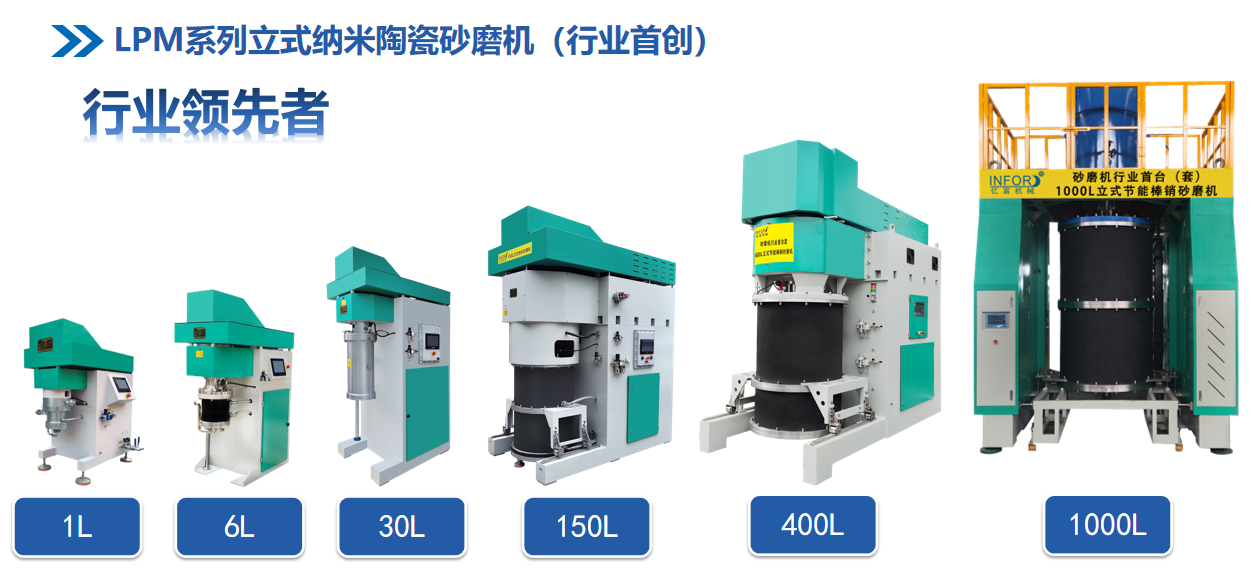
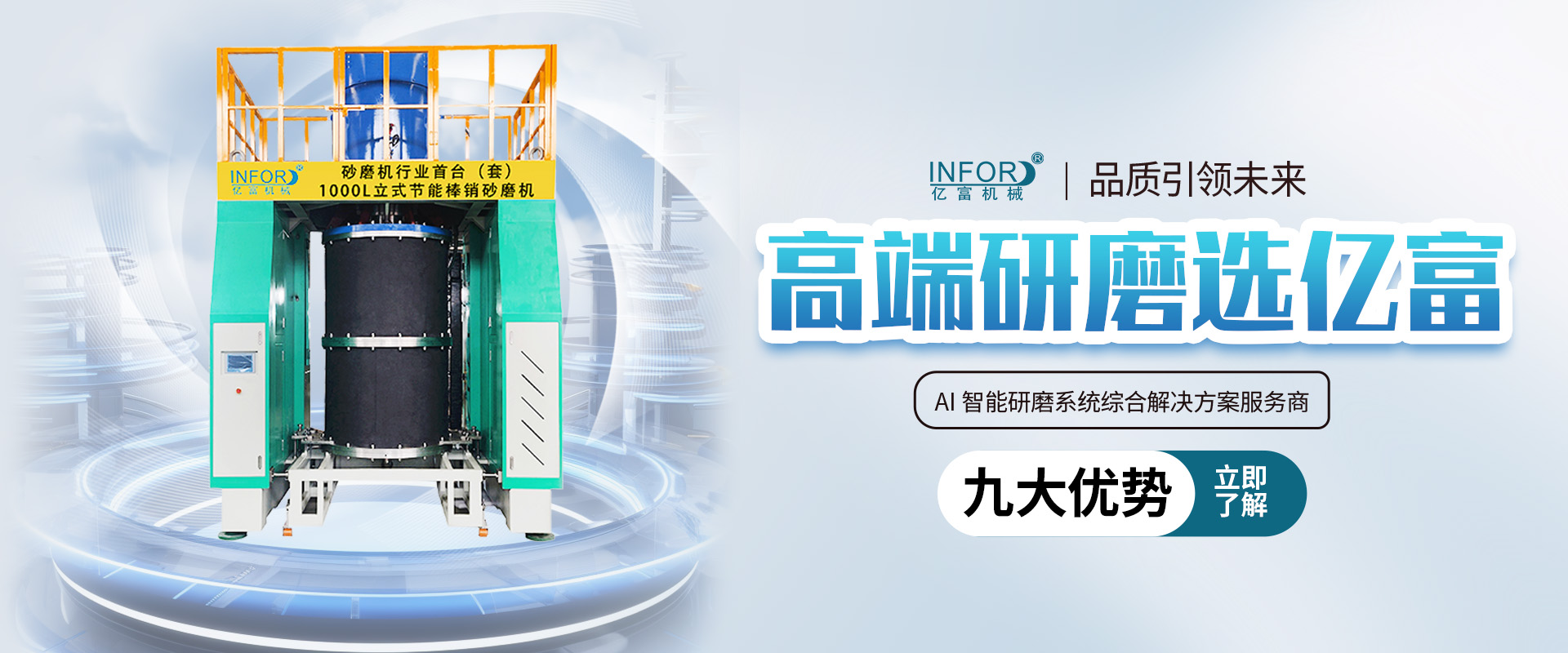
It is worth noting that the domestic supporting capabilities of China’s solid-state battery industry chain are rapidly improving. From raw materials, electrolyte preparation to battery cell production equipment, the domestic supply chain is increasingly improving. For example, in the key preparation of solid electrolyte materials, the Yifu vertical sand mill provides a reliable equipment solution for the production of solid electrolytes with extremely high performance and consistency requirements due to its excellent characteristics of high efficiency, energy saving, ultra-fine grinding and never clogging. In the future, as large-scale mass production approaches, more stringent requirements will be placed on the cost, efficiency and long-term stability of production equipment. Continuous innovation in equipment links is crucial.
Global Competition: Radical layout in Europe and the United States, while Japan and South Korea are deeply engaged in technology
In the European and American markets, traditional automobile giants and technology companies are increasing their focus on solid-state batteries with unprecedented intensity.
Companies in the United States, the United Kingdom, Germany and other countries, such as Mercedes-Benz, BMW, Volkswagen, etc., have invested in start-up companies and jointly built R&D centers to lay out solid-state technology. The test vehicles of some leading companies have achieved breakthrough data in terms of actual vehicle cruising range, and the pace of commercial verification has accelerated.
The Japanese and Korean camps relied on their deep accumulation of materials and processes in the traditional lithium battery field and chose a more robust but extremely high technical approach. Toyota, Honda, LG Chem, Samsung SDI and other companies continue to increase investment in research and development and constantly adjust and optimize process routes. For example, LG Chem's innovative "spray recrystallization" process effectively solves the industry problem of uniformity of sulfide solid electrolyte particles. Japanese companies represented by Toyota still regard 2030 as an important time node for the commercialization of sulfide all-solid-state batteries.
2025: Shift in focus from laboratory parameters to industrialization capabilities
Entering 2025, the development focus of the global solid-state battery industry has undergone profound changes. The industry's focus is shifting from competing on a single theoretical performance parameter (such as energy density) to more pragmatic core industrialization issues such as mass production yield, process optimization, cost control and supply chain construction.
This change marks that the solid-state battery industry is entering a critical transition period from "technology research and development" to "engineering and marketization". Whether it is the close coordination of China's industrial chain, the active business model exploration of European and American companies, or the extreme polishing of basic processes by Japanese and Korean companies, global industrial forces are jointly promoting solid-state batteries from different dimensions to cross the gap from laboratory samples to large-scale products.
This competition across national borders and industries will not only reshape the competitive landscape of the global power battery industry, but also lay a solid foundation for safety and performance in the electrification future of global transportation. The final winners will be those enterprises and industry chain alliances that can take the lead in solving mass production problems and achieve stable, reliable and cost-controllable commercial delivery.

 English
 亿富机械
 +86-0769-85626082
 541476175@qq.com
 东莞市大岭山镇颜屋村莲颜路88号