Spain’s high-speed rail has had an uneasy year.


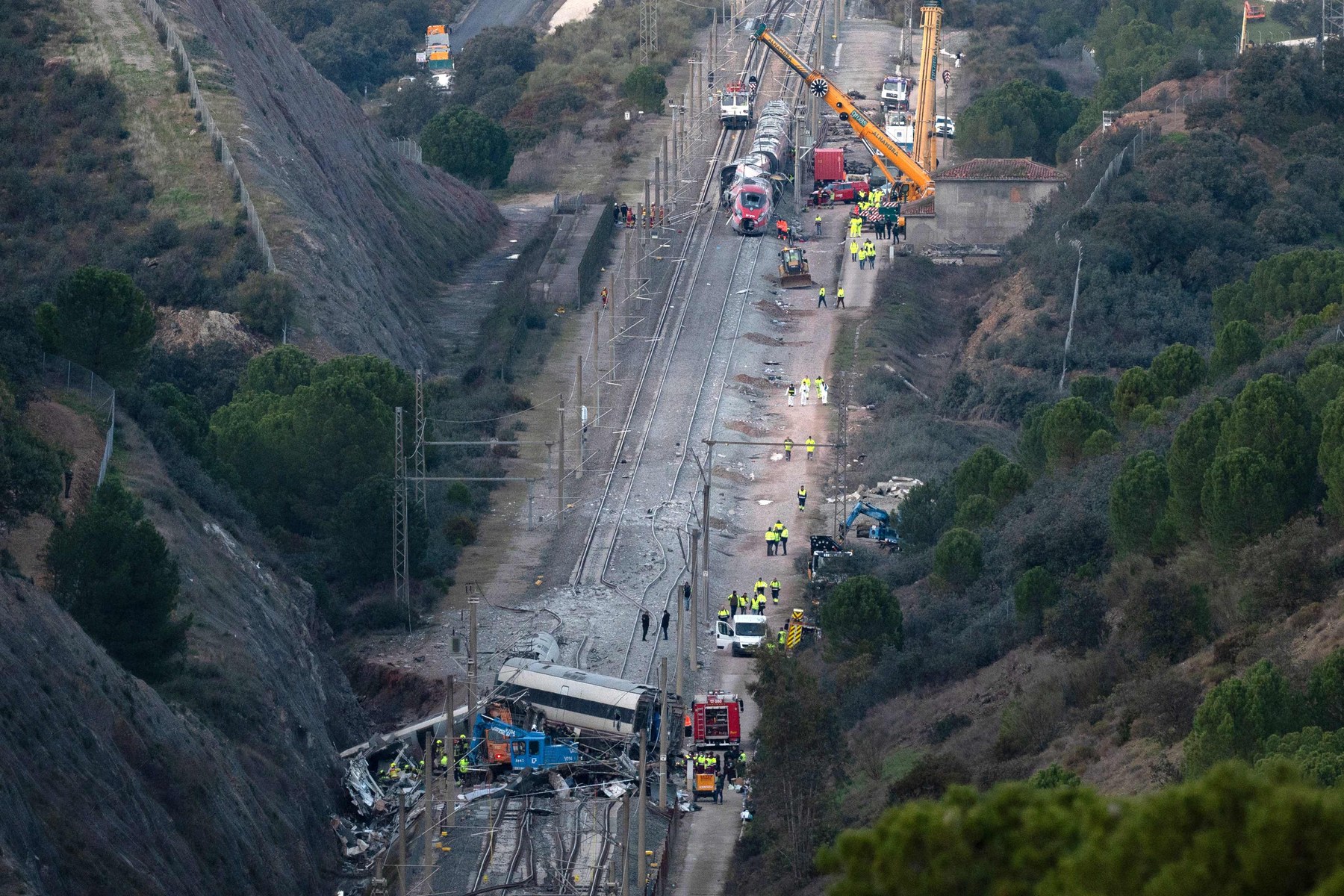
In January, a derailment and collision occurred in the Adamus section of Cordoba, killing 46 people. Later, it was pointed out that the rail welds were broken and inspections were not followed.

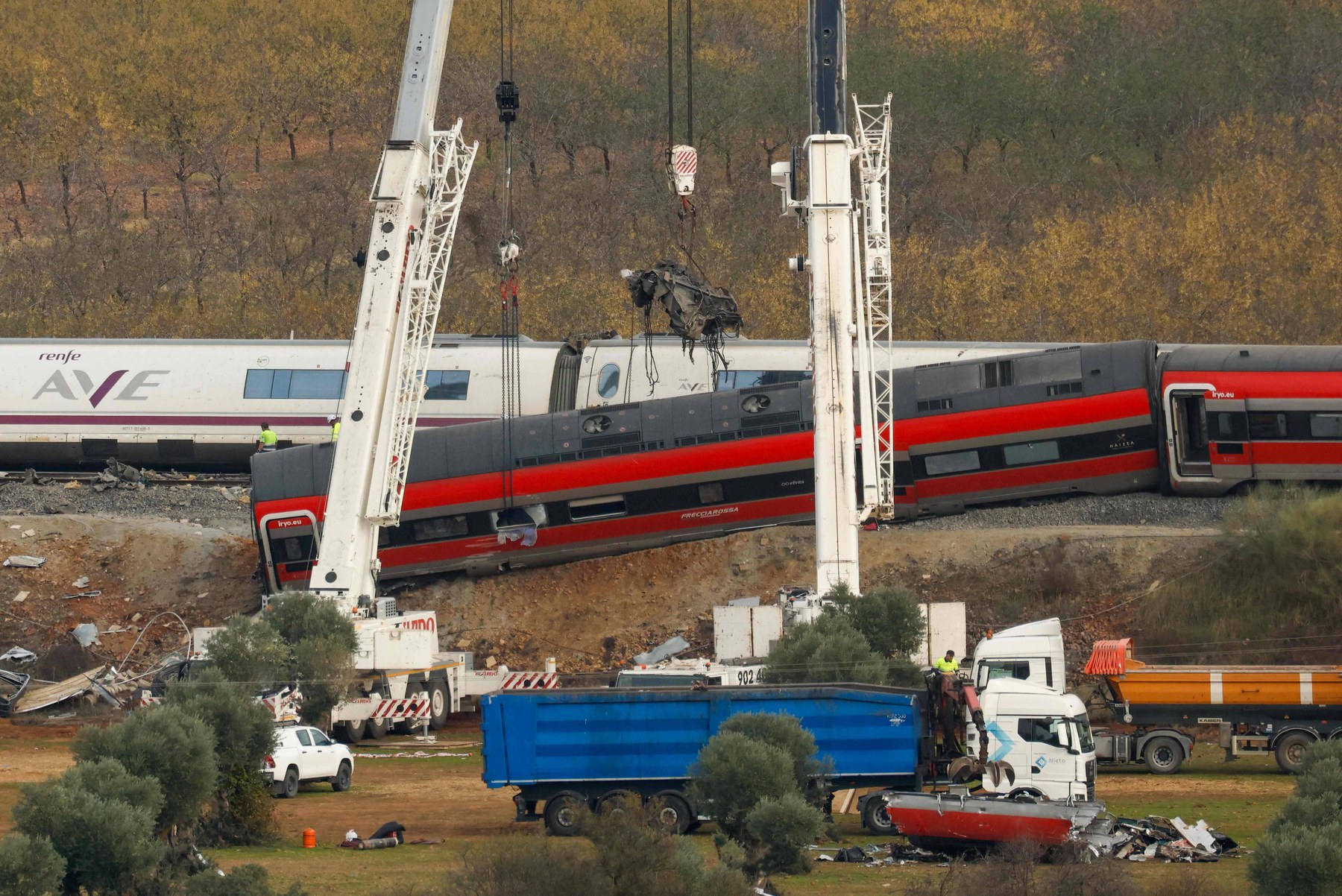
At the end of October, 69 people were killed and hundreds injured in a rear-end collision on the Urda section of Toledo. The car behind hit the car in front at a speed of more than 160 kilometers per hour.


There is one detail in the preliminary review that is very eye-catching:

On the day of the accident, the old line was still using the LZB signaling system from the last century. As soon as the system goes down, the automatic protection directly fails. The train position "changes from being visible to the machine to being stared at by humans on the screen." The last line of defense degrades to the dispatcher's verbal instructions——The order was wrong。


Many people focused on the level of "signal system crash and dispatch giving wrong instructions". But if you happen to be working in the European market, you will find that at the same time when the accident was brewing, Brussels quietly pushed the three rules a step forward and opened three documents that had been written long ago and just happened to arrive at the same window.


01

CBAM


The EU CBAM (Carbon Border Adjustment Mechanism) has changed from “filling in a report” to “paying money”.

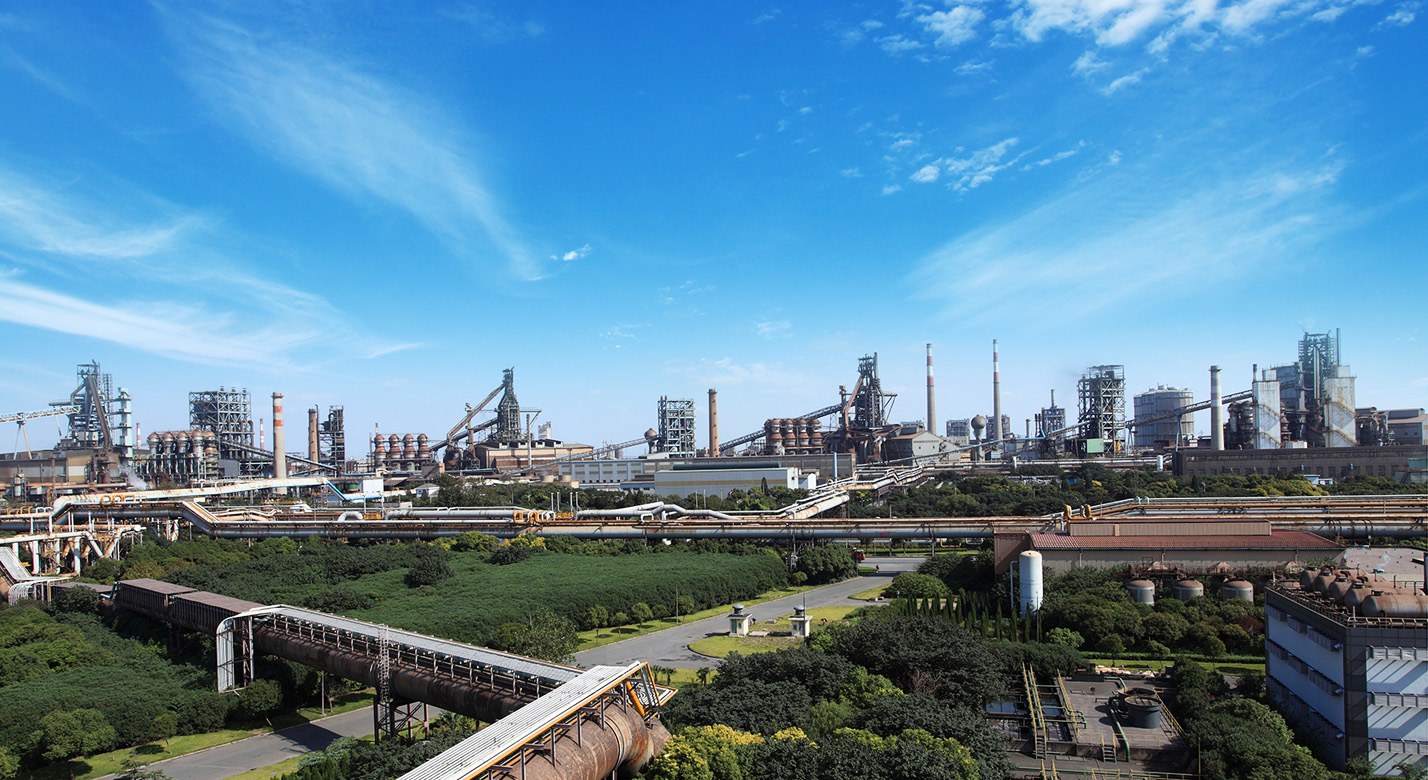
Many people think that carbon tariffs are far away from them. In fact, it has changed from "filling out a form at the end of the year" to "buying certificates with real money." Starting from January 2026, the EU CBAM transition period will end, and the six major categories of steel, aluminum, cement, fertilizer, electricity, and hydrogen will officially enter the settlement stage. Importers must buy CBAM certificates based on the actual embedded carbon emissions, and the price will follow the EU carbon market quota auction price.

What’s even more troublesome is that if the upstream supplier cannot submit emission data verified by a third party, the importer can only apply the default high value set by the EU, and this default value will increase in price year by year. In other words, the carbon ledger is no longer just a page decoration in your CSR report, but will be written into the inquiry form, price reduction terms, and default attachments by the customer.

The old high-speed railway in Spain was reluctant to change the signaling system and ended up paying for it with accidents; if overseas companies still treat carbon data as a post-processing job, they will continue to lose blood in the two rounds of customs clearance and quotation in the future.

02

Cyber ​​Act


Equipment with "digital brain" is all included in the Cyber ​​Resilience Act.

The most dazzling scene in the rear-end collision in Spain was that the old signaling system went "silent" during the switching period - no one knew it was broken until the car behind hit it.

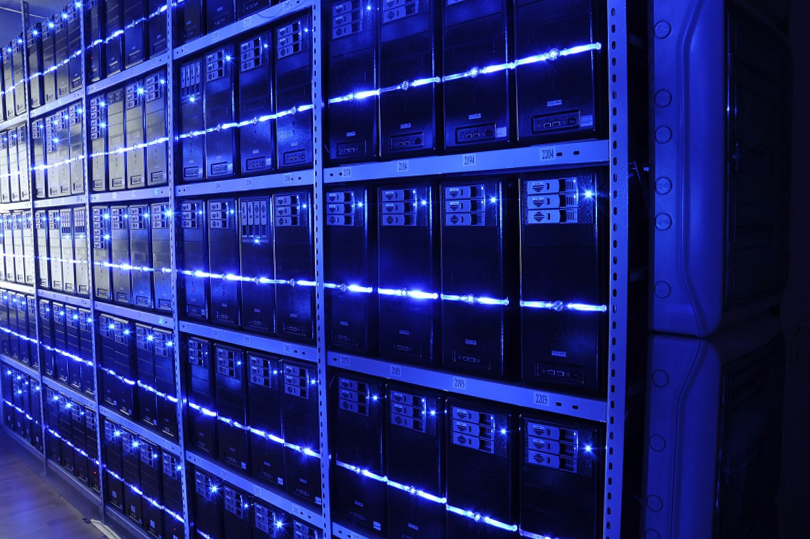
The European Union has written this fear into the "Cyber ​​Resilience Act": As long as your device has firmware, an operating system, and can be connected to the Internet or run control logic, it will be a "digital product" from September 2026. Manufacturers must maintain a software bill of materials, track known vulnerabilities, and provide early warning within 24 hours of actively exploited vulnerabilities and formally report them within 72 hours.

Don’t think that this only concerns servers and routers. The touch screen, PLC, and remote diagnosis module in modern smart equipment all count. What's even more cruel is that the purchaser will now write "whether there is a SBOM and whether patches can be pushed on a monthly basis" into the bidding documents. If it cannot be submitted, it will be eliminated. In the past, everyone competed with who had the fastest axis and high accuracy. Next, we will compete with whose patch response is faster and whose firmware life cycle is longer. Selling equipment is just the starting point. Every vulnerability disclosure in the next ten years is a stress test of brand credibility.

03

Battery passport


Battery passport and digital product passport weld "traceability" to the access link.

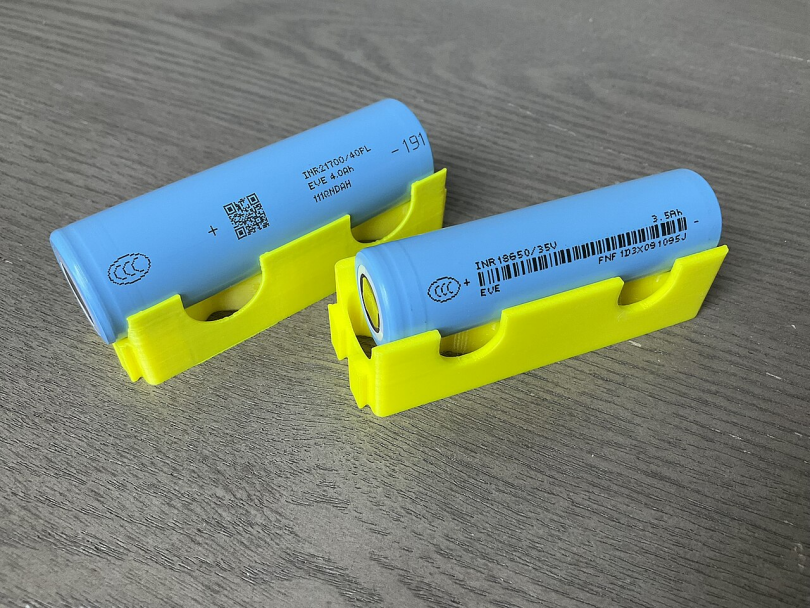
Battery passport is not a trouble for battery factories to prepare separately. It is the first step for the EU to make "traceability" an access threshold. Carbon footprint level labels will be mandatory from August 2026, and digital passports will be online in February 2027. By scanning the QR code, you can see the carbon emissions and due diligence reports of each section of the battery from mineral materials, cathodes, electrolytes to assembly plants; by 2028, those exceeding the standards will be banned from entry. Then the European Union launched the Digital Product Passport (DPP), which puts the material sources, recycling ratios, and maintenance manuals of clothing, electronics, and mechanical parts into the same QR code.

For equipment companies, this means that what is sold to European customers is not just a machine, but a traceable data link from the screw batch number to the control board batch. In the past, it was enough to submit an invoice and packing list for customs declaration. In the future, you will also have to submit "the birth certificate of every battery in this equipment." Whoever connects ERP, MES and supplier accounts now will not be detained at the port for two weeks to replenish materials.


Put the three things together


Put the three lines of carbon, cyber security, and traceability together, and you will find that Brussels is not targeting a specific company, but is rewriting"what is a qualified supplier". CBAM puts hidden carbon costs on the table, the Cyber ​​Resilience Act extends after-sales responsibilities to the entire product life cycle, and battery passports weld supply chain transparency at the entry gate.


They all point to one thing: What European customers will buy in the future is not a piece of equipment, but a hosting contract that will not explode for ten consecutive years. The root of the tragedy of Spain’s high-speed rail lies in “It was very advanced when it was built, but it was always in debt when it was maintained." These three rules of the EU are actually using legal language to fill the same gap -It is no longer allowed to use vague responsibilities in exchange for low-price bids。


Should we go to Europe now?


Should we go, But don’t bring the overseas map from ten years ago.

Europe is not without opportunities. On the contrary, its old production line transformation, old system replacement, energy efficiency hosting and remote diagnosis market is opening up, but the ticket has changed. Can you store carbon data before leaving the factory? Checking, writing the vulnerability response SOP into the service contract, and preparing the whitelist of second-level suppliers in advance determine whether you are regarded as an "external bidder" or "part of the local infrastructure".

The bustling new factory is only the surface, the real growth. The amount is hidden in those old workshops that have been running for more than ten years. Spain used two accidents to remind everyone: All systems that "can still run just fine" will settle the debt sooner or later. The three rules of Brussels just hand over the account book to you in advance.


Spain’s high-speed rail has had an uneasy year.


In January, a derailment and collision occurred in the Adamus section of Cordoba, killing 46 people. Later, it was pointed out that the rail welds were broken and inspections were not followed.

At the end of October, 69 people were killed and hundreds injured in a rear-end collision on the Urda section of Toledo. The car behind hit the car in front at a speed of more than 160 kilometers per hour.


There is one detail in the preliminary review that is very eye-catching:

On the day of the accident, the old line was still using the LZB signaling system from the last century. As soon as the system goes down, the automatic protection directly fails. The train position "changes from being visible to the machine to being stared at by humans on the screen." The last line of defense degrades to the dispatcher's verbal instructions——The order was wrong。


Many people focused on the level of "signal system crash and dispatch giving wrong instructions". But if you happen to be working in the European market, you will find that at the same time when the accident was brewing, Brussels quietly pushed the three rules a step forward and opened three documents that had been written long ago and just happened to arrive at the same window.


01

CBAM


The EU CBAM (Carbon Border Adjustment Mechanism) has changed from “filling in a report” to “paying money”.

Many people think that carbon tariffs are far away from them. In fact, it has changed from "filling out a form at the end of the year" to "buying certificates with real money." Starting from January 2026, the EU CBAM transition period will end, and the six major categories of steel, aluminum, cement, fertilizer, electricity, and hydrogen will officially enter the settlement stage. Importers must buy CBAM certificates based on the actual embedded carbon emissions, and the price will follow the EU carbon market quota auction price.

What’s even more troublesome is that if the upstream supplier cannot submit emission data verified by a third party, the importer can only apply the default high value set by the EU, and this default value will increase in price year by year. In other words, the carbon ledger is no longer just a page decoration in your CSR report, but will be written into the inquiry form, price reduction terms, and default attachments by the customer.

The old high-speed railway in Spain was reluctant to change the signaling system and ended up paying for it with accidents; if overseas companies still treat carbon data as a post-processing job, they will continue to lose blood in the two rounds of customs clearance and quotation in the future.

02

Cyber ​​Act


Equipment with "digital brain" is all included in the Cyber ​​Resilience Act.

The most dazzling scene in the rear-end collision in Spain was that the old signaling system went "silent" during the switching period - no one knew it was broken until the car behind hit it.

The European Union has written this fear into the "Cyber ​​Resilience Act": As long as your device has firmware, an operating system, and can be connected to the Internet or run control logic, it will be a "digital product" from September 2026. Manufacturers must maintain a software bill of materials, track known vulnerabilities, and provide early warning within 24 hours of actively exploited vulnerabilities and formally report them within 72 hours.

Don’t think that this only concerns servers and routers. The touch screen, PLC, and remote diagnosis module in modern smart equipment all count. What's even more cruel is that the purchaser will now write "whether there is a SBOM and whether patches can be pushed on a monthly basis" into the bidding documents. If it cannot be submitted, it will be eliminated. In the past, everyone competed with who had the fastest axis and high accuracy. Next, we will compete with whose patch response is faster and whose firmware life cycle is longer. Selling equipment is just the starting point. Every vulnerability disclosure in the next ten years is a stress test of brand credibility.

03

Battery passport


Battery passport and digital product passport weld "traceability" to the access link.

Battery passport is not a trouble for battery factories to prepare separately. It is the first step for the EU to make "traceability" an access threshold. Carbon footprint level labels will be mandatory from August 2026, and digital passports will be online in February 2027. By scanning the QR code, you can see the carbon emissions and due diligence reports of each section of the battery from mineral materials, cathodes, electrolytes to assembly plants; by 2028, those exceeding the standards will be banned from entry. Then the European Union launched the Digital Product Passport (DPP), which puts the material sources, recycling ratios, and maintenance manuals of clothing, electronics, and mechanical parts into the same QR code.

For equipment companies, this means that what is sold to European customers is not just a machine, but a traceable data link from the screw batch number to the control board batch. In the past, it was enough to submit an invoice and packing list for customs declaration. In the future, you will also have to submit "the birth certificate of every battery in this equipment." Whoever connects ERP, MES and supplier accounts now will not be detained at the port for two weeks to replenish materials.


Put the three things together


Put the three lines of carbon, cyber security, and traceability together, and you will find that Brussels is not targeting a specific company, but is rewriting"what is a qualified supplier". CBAM puts hidden carbon costs on the table, the Cyber ​​Resilience Act extends after-sales responsibilities to the entire product life cycle, and battery passports weld supply chain transparency at the entry gate.


They all point to one thing: What European customers will buy in the future is not a piece of equipment, but a hosting contract that will not explode for ten consecutive years. The root of the tragedy of Spain’s high-speed rail lies in “It was very advanced when it was built, but it was always in debt when it was maintained." These three rules of the EU are actually using legal language to fill the same gap -It is no longer allowed to use vague responsibilities in exchange for low-price bids。


Should we go to Europe now?


Should we go, But don’t bring the overseas map from ten years ago.

Europe is not without opportunities. On the contrary, its old production line transformation, old system replacement, energy efficiency hosting and remote diagnosis market is opening up, but the ticket has changed. Can you store carbon data before leaving the factory? Checking, writing the vulnerability response SOP into the service contract, and preparing the whitelist of second-level suppliers in advance determine whether you are regarded as an "external bidder" or "part of the local infrastructure".

The bustling new factory is only the surface, the real growth. The amount is hidden in those old workshops that have been running for more than ten years. Spain used two accidents to remind everyone: All systems that "can still run just fine" will settle the debt sooner or later. The three rules of Brussels just hand over the account book to you in advance.