In the past few years, Indonesian nickel mines were once the "second home" of Chinese-funded lithium batteries - from smelting to precursors, leading companies from all walks of life came together, and production capacity expanded rapidly. However, local policies have repeatedly been like a "roller coaster": export taxes are adjusted at any time, mining quotas are tightened every year, and even foreign shareholding ratios are re-examined. Many companies are dragged down to thin profits and hesitate to expand production.
Amidst the pain, a larger wave of "diversification overseas" has quietly emerged. Madagascar in Africa is emerging, Oman's investment profile continues to grow, and Brazil, a country that straddles the equator and is home to vast mineral resources and the largest market in Latin America, is rapidly becoming a hot spot for a new round of investment.
Today, from five dimensions, we will dismantle the underlying logic and implementation of China's heavy investment in Brazil, as well as the opportunities for equipment manufacturers hidden in the gaps in the industrial chain - especially sand mill companies. Why is this a "once-in-a-decade" blue ocean?
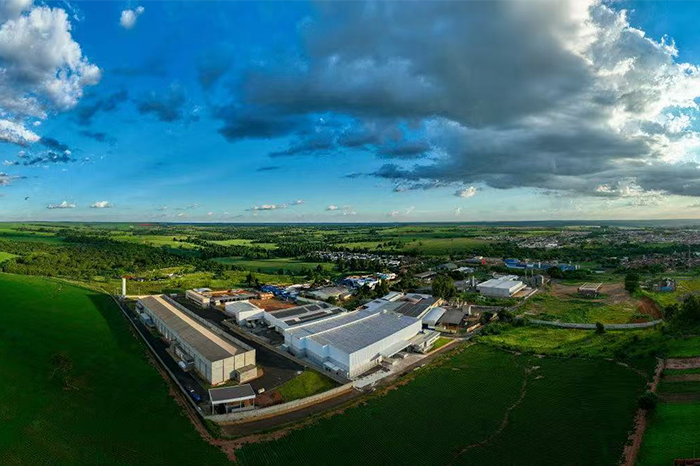
1. Why do Chinese investments invest in Brazil? The four driving forces cannot be ignored
1. The inevitable choice of "de-simplification" of the supply chain
Brazil's lithium, nickel, graphite, rare earth and other key minerals for lithium batteries are readily available, which just makes up for the "short board" of over-reliance on Indonesian nickel resources. In conjunction with Africa's cobalt and lithium bases, Chinese capital is building a global resource security network spanning Asia, Africa and Latin America to avoid being "stuck" by the policies of a single country.
2. Resources on the left, market on the right—double dividend superposition
Brazil is not only rich in minerals, but also the largest automobile consumer in Latin America. Chinese-funded enterprises can mine, smelt, manufacture batteries and assemble complete vehicles on-site, opening up a complete chain. Compared with shipping goods from Asia, a large amount of shipping and customs costs are saved, and the localized response speed is also doubled.
3. Using South America as a springboard to reach a large market of 500 million people
Relying on the Southern Common Market (MERCOSUR) Free Trade Agreement, electric vehicles and energy storage systems produced in Brazil can be exported to Argentina, Uruguay, Paraguay and other countries at low tariffs, covering nearly 500 million consumer groups, and their strategic value far exceeds that of a single country.
4. The policy is "long slopes and thick snow", and the energy transformation route is clear
The Brazilian government has clearly proposed the goal of carbon neutrality and supported long-term incentives such as tax exemptions, low-interest credits, and R&D subsidies. The policy has strong continuity and is suitable for the asset-heavy and long-term lithium battery industry to take root.
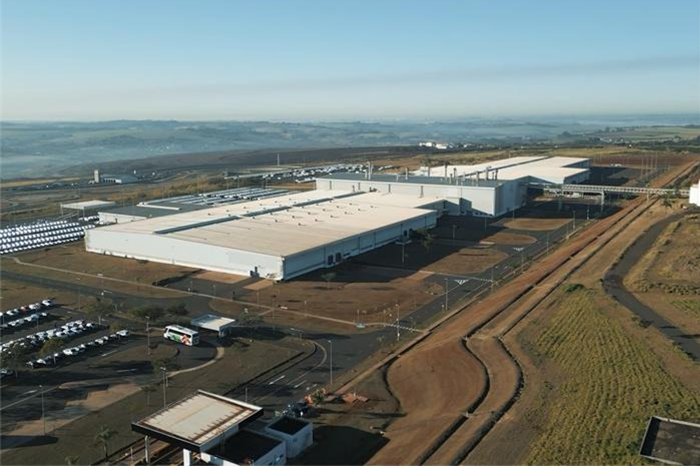
2. Brazil’s investment hard power: Four major advantages build a “moat”
① “Double low-cost” combination of minerals + green electricity
Brazil not only has sufficient ore reserves, but also has abundant hydropower, wind power, and photovoltaic resources. Smelting is a highly energy-consuming link, and the affordable supply of green electricity directly drives down the production costs of cathode and anode materials. The environmental impact assessment pressure is also much lower than that in coal-fired power generation areas.
② There is huge space for clean energy infrastructure
Scenic and solar land costs are low, and the investment volume in green power is expected to reach hundreds of billions of reais in the next ten years. The demand for energy storage supporting equipment exploded, bringing continuous orders for batteries and upstream equipment.
③ The electric vehicle market has the highest growth rate in Latin America
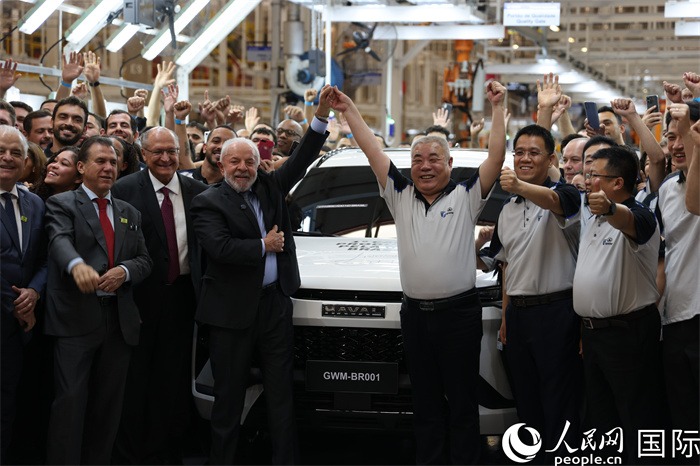
Chinese brand trams already have a far leading market share in Brazil, but imported vehicles still have to pay high tariffs. Building factories locally can not only circumvent tariff barriers, but also enjoy the support of the "national industrialization" policy. BYD, Great Wall, etc. have taken the lead in doing so.
④ The park is mature and financial facilities are convenient
Many states in Brazil provide tax incentives for industrial parks, the electricity price agreement is stable, and China and Brazil have achieved local currency settlement, which greatly reduces the risk of exchange rate fluctuations. The large-volume, integrated industrial park model is becoming the standard.
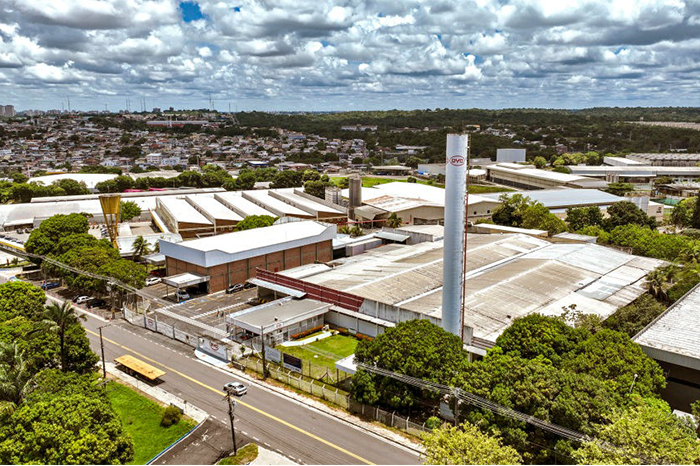
3. Which leading Chinese companies have already settled in Brazil? (Incomplete list)
· Complete vehicles and batteries: BYD (Kamasari Plant), Great Wall Motors (Iracemapolis), Chery, CATL (cooperating with local mining companies), Deye Co., Ltd.
· Wind and solar power and power grid: State Grid Brazil Holdings, China Three Gorges Corporation, China Energy Construction, Envision Energy, Huawei Digital Energy, and Sungrow.
· Upstream minerals and materials: Huayou Cobalt, GEM, Tsingshan Group (nickel-iron and lithium battery materials).
· Cutting-edge technologies: Mingyang Hydrogen Energy, Great Wall Weishi Energy (hydrogen fuel cell).
It can be said that from ore to complete vehicles, from power generation to energy storage, the Chinese-funded entire industry chain has begun to take shape.
4. Sand grinding machine industry: Why is it said to be a “golden incremental track”?
1. Local equipment production capacity is almost blank
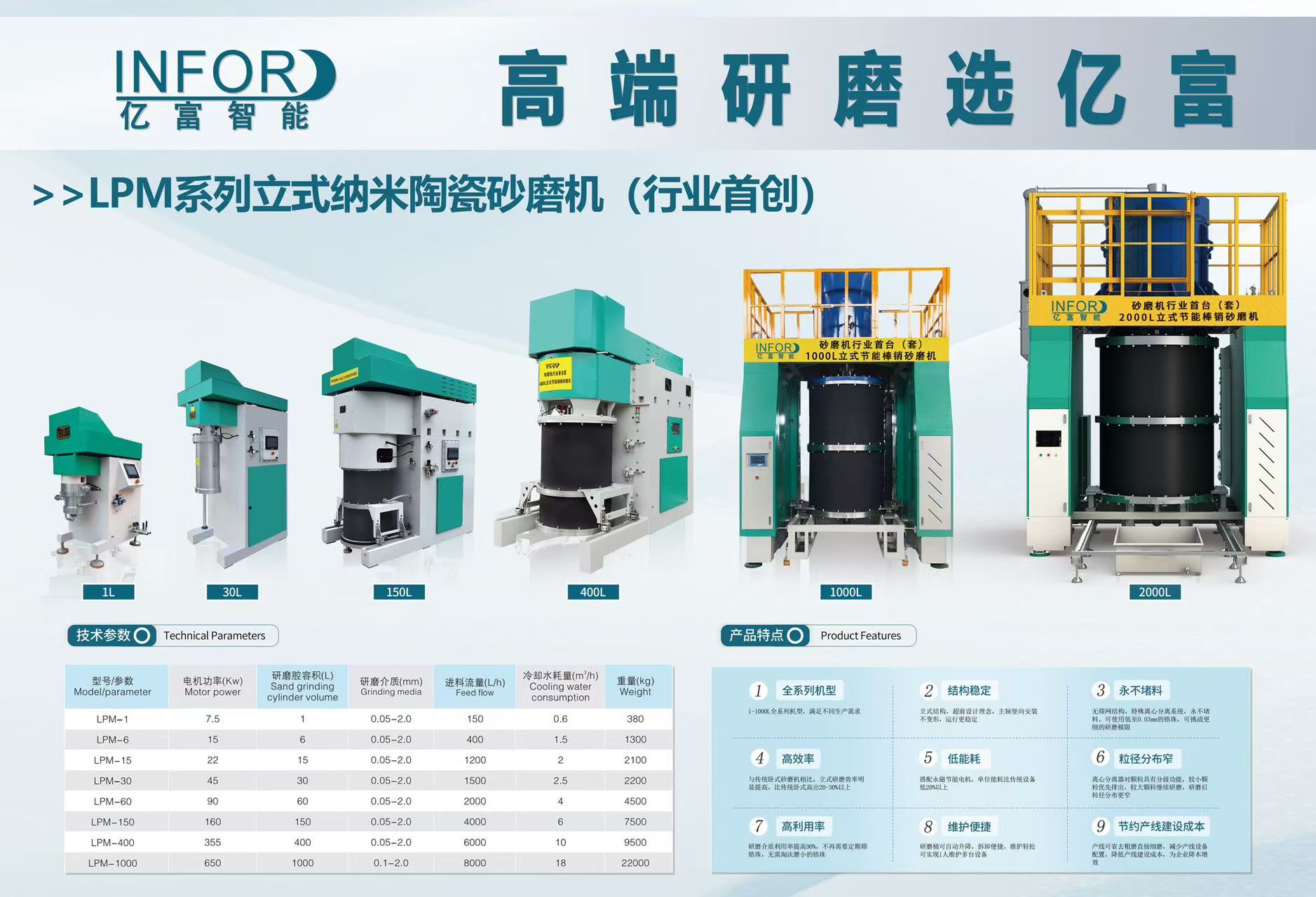
Brazil’s cathode, anode, graphite, and lithium salt production lines are all in the new construction stage, and there are almost no local large-scale sand mill suppliers. Chinese-funded equipment manufacturers follow old customers into the market, which is a "pioneer" attitude, and the difficulty of obtaining orders is much lower than that of the domestic Red Sea.
2. Energy-saving sand mill + green electricity, two swords combined
Brazil’s low electricity price is more economical for high-energy-efficiency sand mills. At the same time, imported equipment enjoys partial tariff concessions, coupled with the improvement of localized technical services, the customer decision-making cycle is significantly shortened.
3. Anti-cycle in multiple application scenarios
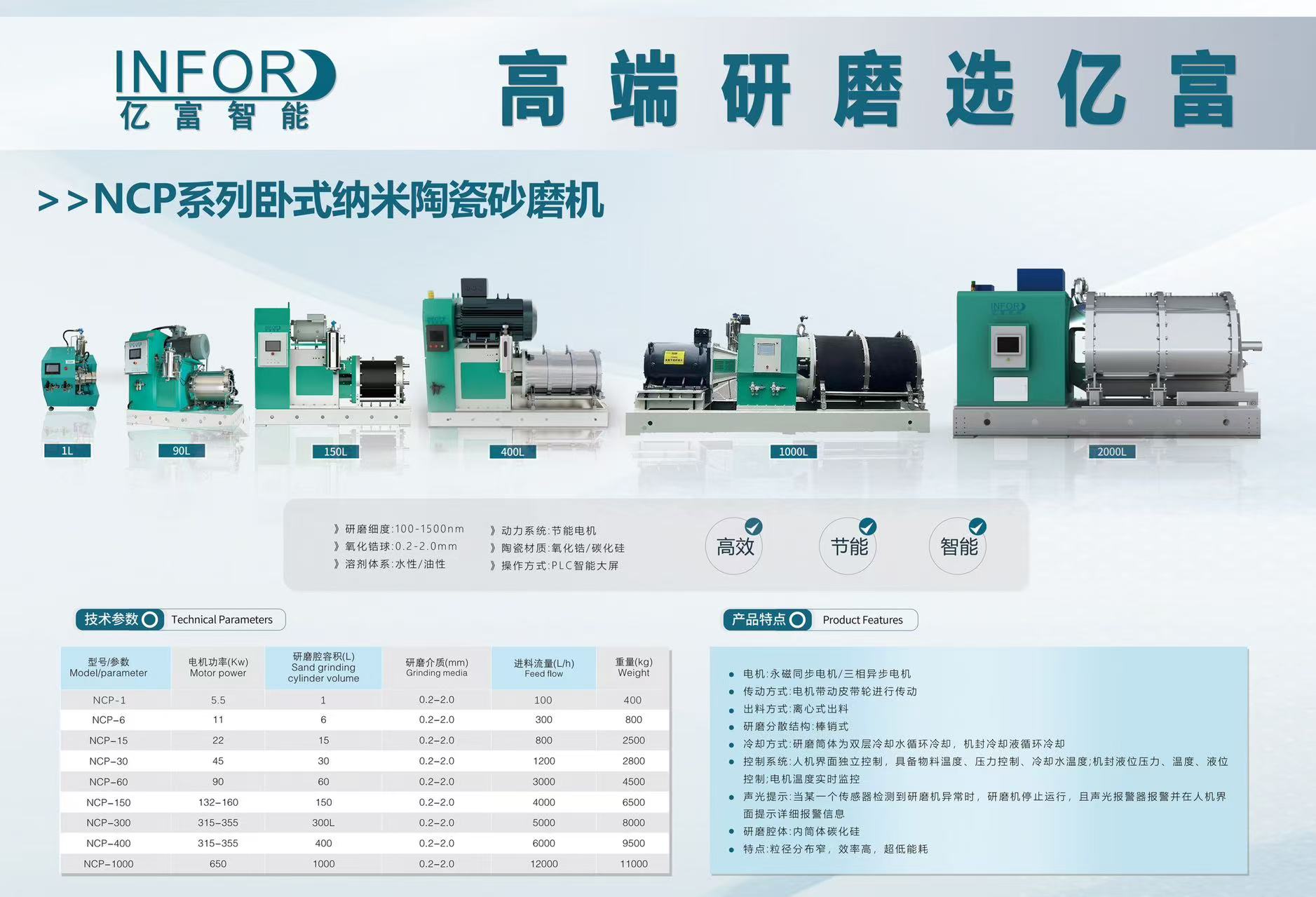
Power batteries, large-scale energy storage, niobium-based new materials, lithium battery recycling - each segment requires grinding and dispersing equipment. Even if a certain track fluctuates, other needs can support it, and its ability to resist risks is far stronger than relying solely on it.
4. Bind leading companies to go overseas and build a regional service network
Follow the synchronous layout of customers with existing cooperative relationships such as Huayou, GEM, and CATL, and establish a spare parts warehouse and after-sales team in Brazil. In the future, it can easily radiate to neighboring mining countries such as Argentina, Chile, and Peru, and achieve "one investment, long-term compound interest."
5. Risk warning - opportunities and challenges coexist
· Policy variables: After the presidential change, mineral taxation and foreign investment policies may be adjusted, so it is necessary to closely follow the general election trends.
· Approval efficiency: The approval cycle for environmental protection permits and land use is long, and sufficient time and cost need to be reserved.
· Talent shortcomings: Local new energy professional engineers are scarce, and high-paying poaching or China-Pakistan joint training needs to be planned in advance.
· Infrastructure gap: The north is rich in scenic resources, but ports, roads, and power transmission facilities are relatively weak, so initial investment in infrastructure cannot be underestimated.
Brazil is no longer just the "kingdom of football" and the "hometown of Samba", but has also become a key piece in the global chess game of Chinese-funded new energy. It not only makes up for the shortage of resources, but also expands the territory of the market, forming a "double pivot in the eastern and western hemispheres" with the African base.
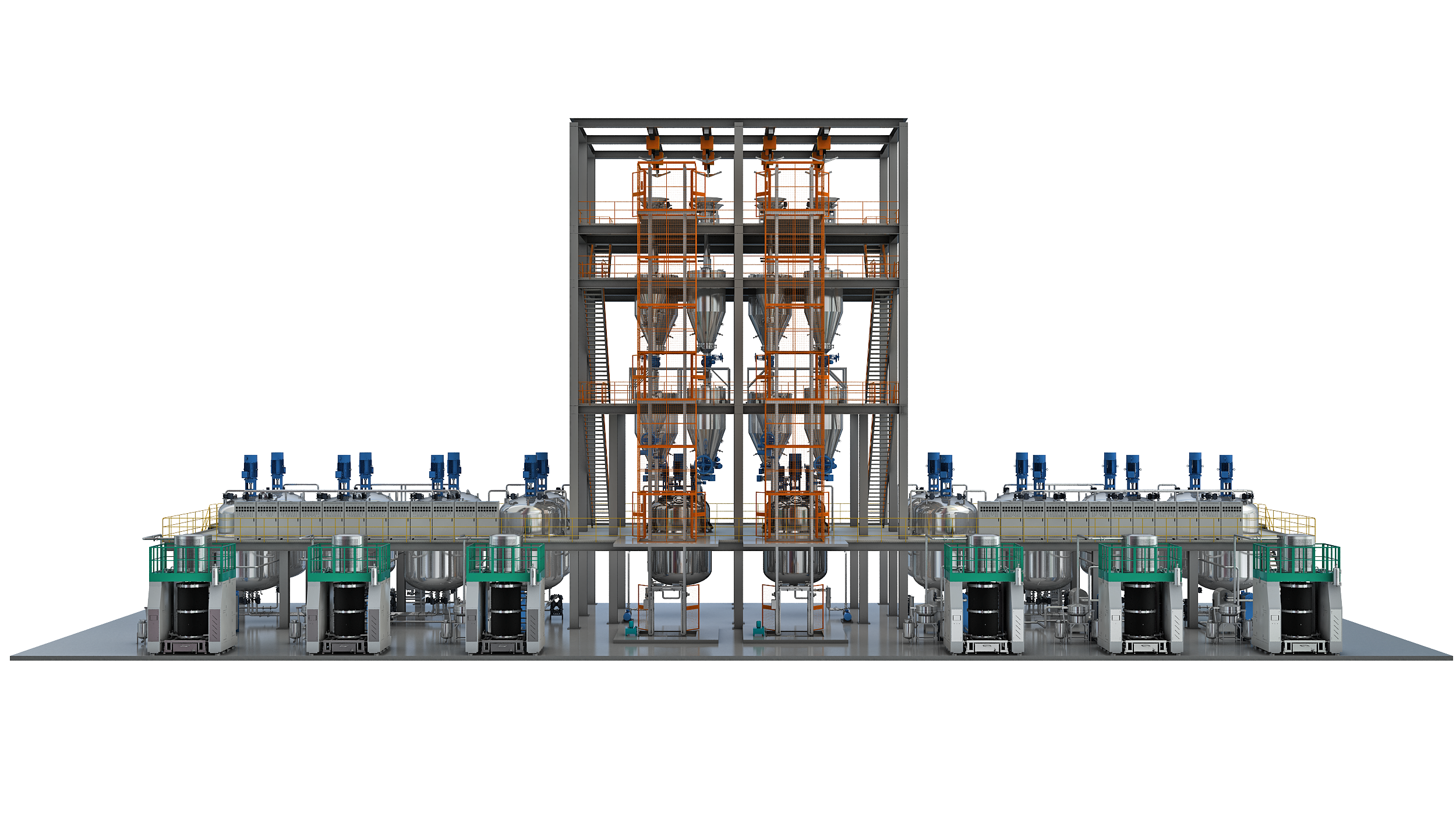
For sand mill and other equipment companies, now is the "occupancy window period" - don't wait until all production lines are completed before bidding. It is now necessary to go deep into the early stages of the project, connect with design institutes and environmental impact assessment agencies, and lock in technical agreements in advance.
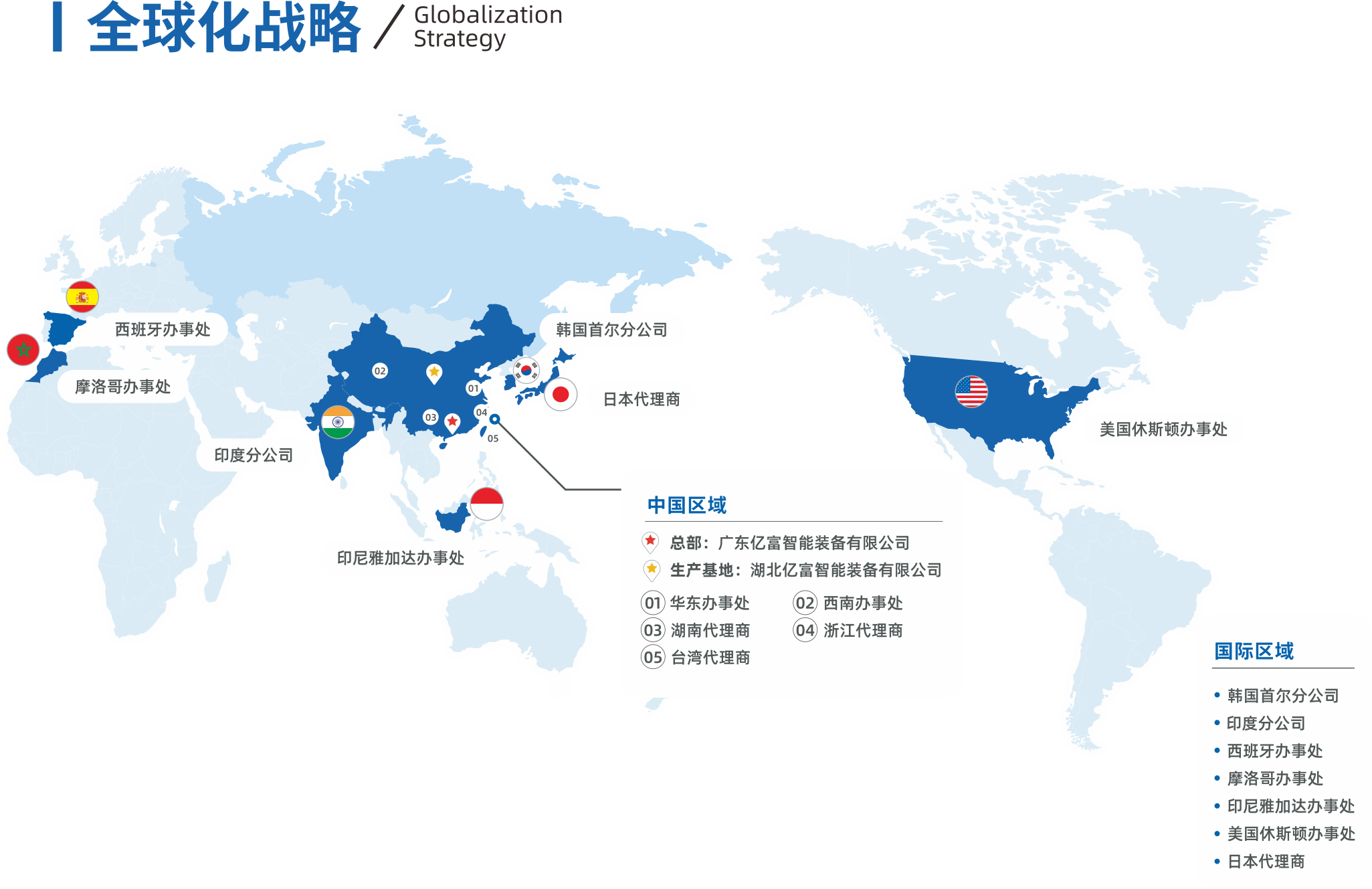
Of course, going overseas does not mean “following the trend”. Materials companies that are deeply involved in the deep processing of minerals should focus on high value-added products; equipment manufacturers should deploy localized services and after-sales networks in advance. Only by respecting local regulations, respecting cultural differences and proceeding steadily can we take advantage of Brazil's decade-long express train of new energy.
Finally, I sincerely wish all Chinese-funded enterprises in Brazil to ride the wind and waves, move forward steadily, and reap long-term returns in this hot land!

 English
 亿富机械
 +86-0769-85626082
 541476175@qq.com
 东莞市大岭山镇颜屋村莲颜路88号