
From May 13 to 15, 2026, US President Trump was invited to pay a state visit to China. The accompanying team gathered executives from more than a dozen well-known American companies, including Tesla CEO Musk, Apple CEO Cook, Nvidia CEO Jensen Huang, and Qualcomm CEO Anmon, covering core tracks such as new energy, AI, semiconductors, and aerospace. This lineup clearly reflects the main tone of the U.S. economic and trade policy toward China—“pragmatic pursuit of wealth.” Judging from the hierarchical logic of the accompanying list, new energy, aviation manufacturing, agricultural trade, traditional finance, and mid- and low-end semiconductors are areas where the United States is eager to deepen cooperation and quickly realize commercial interests. They are also areas where it is easiest for both parties to reach consensus.
During this state visit, the two heads of state set strategic directions for bilateral relations in the next three years and beyond. The core talks were divided into four major sections:
1. Strategic and Political Security Issues
It is clear that the Taiwan issue is the most important red line in Sino-US relations. The United States promises to handle Taiwan-related issues prudently and maintain peace and stability across the Taiwan Strait; it exchanges views on the situation in the Middle East, the crisis in Ukraine, the Korean Peninsula and other global hot issues, and agrees to strengthen communication and coordination on international and regional affairs.
2. The Core Consensus on Economic and Trade Cooperation
confirms that China and the United States are mutually beneficial and win-win in economic and trade, and agrees to establish a trade council and an investment council to resolve trade frictions through equal consultation; expand two-way trade under the framework of reciprocal tax reductions, and resolve differences in market access for agricultural products; both sides commit to control protectionist behaviors such as unilateral tariffs and trade barriers, and maintain the stability of the global industrial chain.
3. Communication in the low-carbon field of industry and energy
The exchange of views centered on strategic industries such as new energy, traditional energy, high-end manufacturing, and the automobile industry; the United States is concerned about China's new energy production capacity and market access issues, and China proposes cooperation principles of open industrial chains, technical compliance, and fair competition; the two sides have conducted preliminary consultations on rules and standards in green and low-carbon transformation, power batteries, intelligent connected vehicles, and other subdivisions.
4. Expansion of the fields of humanities and people's livelihood
Expand exchanges in tourism, education, health, law enforcement and other fields, build communication channels for industrial cooperation and people-to-people exchanges, and consolidate the foundation for bilateral cooperation.
Two-way impact on the development of the new energy automobile industry in China and the United States
At present, China's new energy vehicles have a full industrial chain, production capacity scale, and cost advantages, while the United States has a local market, high-end technology, and brand accumulation. This meeting has eased the bilateral trade confrontation and has a significant impact on the industries of the two countries. The overall opportunities outweigh the risks of short-term friction.
1. Marginal improvement in the export environment
Both sides will control unilateral trade protection behavior and in the short term alleviate the United States' high tariffs, intelligent network bans, investment restrictions and other suppressive policies against China's new energy vehicles; although Chinese car companies only account for 1.8% of direct exports to the United States, they can use the easing of Sino-US trade to open up neighboring markets in North America (Canada, Mexico) and expand the North American regional layout space.
2. Expansion of cooperation space in technology and industrial chain
China and the United States can carry out compliance cooperation in the fields of power battery materials, intelligent driving algorithms, vehicle chips, charging technology, etc.; US car companies and technology companies increase investment in Chinese technology to help Chinese car companies make up for the shortcomings of high-end chips and underlying software, and accelerate technology upgrades.
3. The global market layout is more flexible
As the confrontation between China and the United States cools down, Chinese car companies can reduce their reliance on a single market and further explore the markets in Southeast Asia, the European Union, the Middle East, and Latin America. At the same time, they can promote the establishment of overseas factories, avoid trade barriers, and increase their global share.
4. Domestic industrial upgrading is accelerating
External competitive pressure is forcing domestic car companies to increase investment in research and development, focus on core technologies of battery safety, energy efficiency, and intelligent driving, promote the industry's transformation from scale expansion to high-quality development, and accelerate the elimination of low-end production capacity.
The practical significance of tariff relief and limited trade loosening is overestimated. Although the United States has promised to cancel 91% of the additional tariffs, which will be a substantial benefit to China's exports of photovoltaic and energy storage products to the United States, the overall framework of the United States' high tariffs and technology blockade on China's new energy vehicles has not been shaken. The US's structural dependence on key minerals for power batteries and energy storage systems is the fundamental driving force behind its pursuit of limited compromise. The Trump administration may consider eliminating some additional tariffs or relaxing restrictions on the use of Chinese-made batteries in energy storage systems under the current legal framework.

Development of Lithium Battery Equipment under the New Form
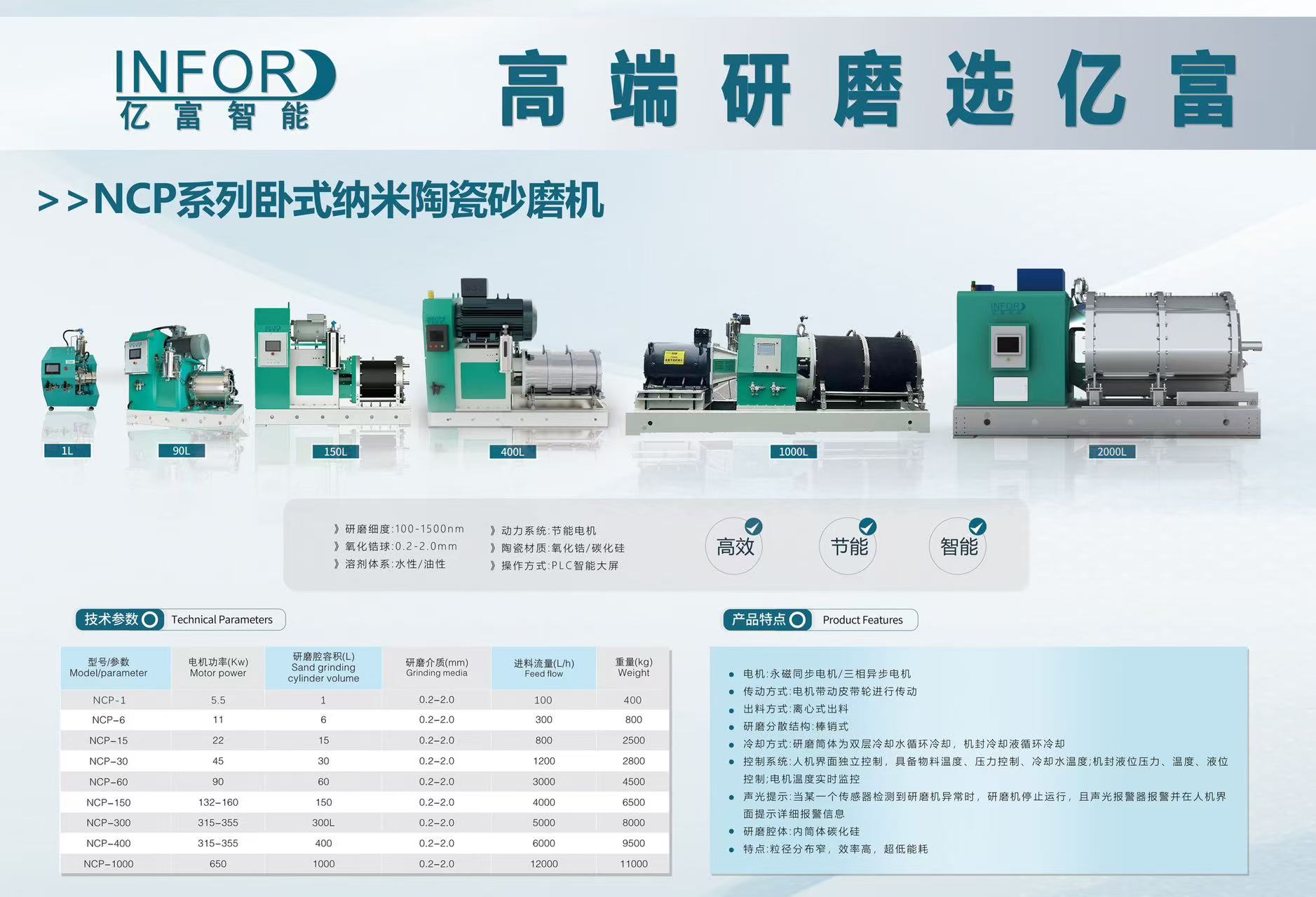
The global lithium battery sand mill market will continue to expand in 2026, and overseas battery and material manufacturers are actively looking for cost-effective domestic sand mills to replace traditional European and American high-end equipment. Driven by the new round of Sino-US policies and the dual-wheel drive of new energy vehicles and energy storage markets, as a leader in the sand mill industry, Yifu's strategic path has become relatively clear.
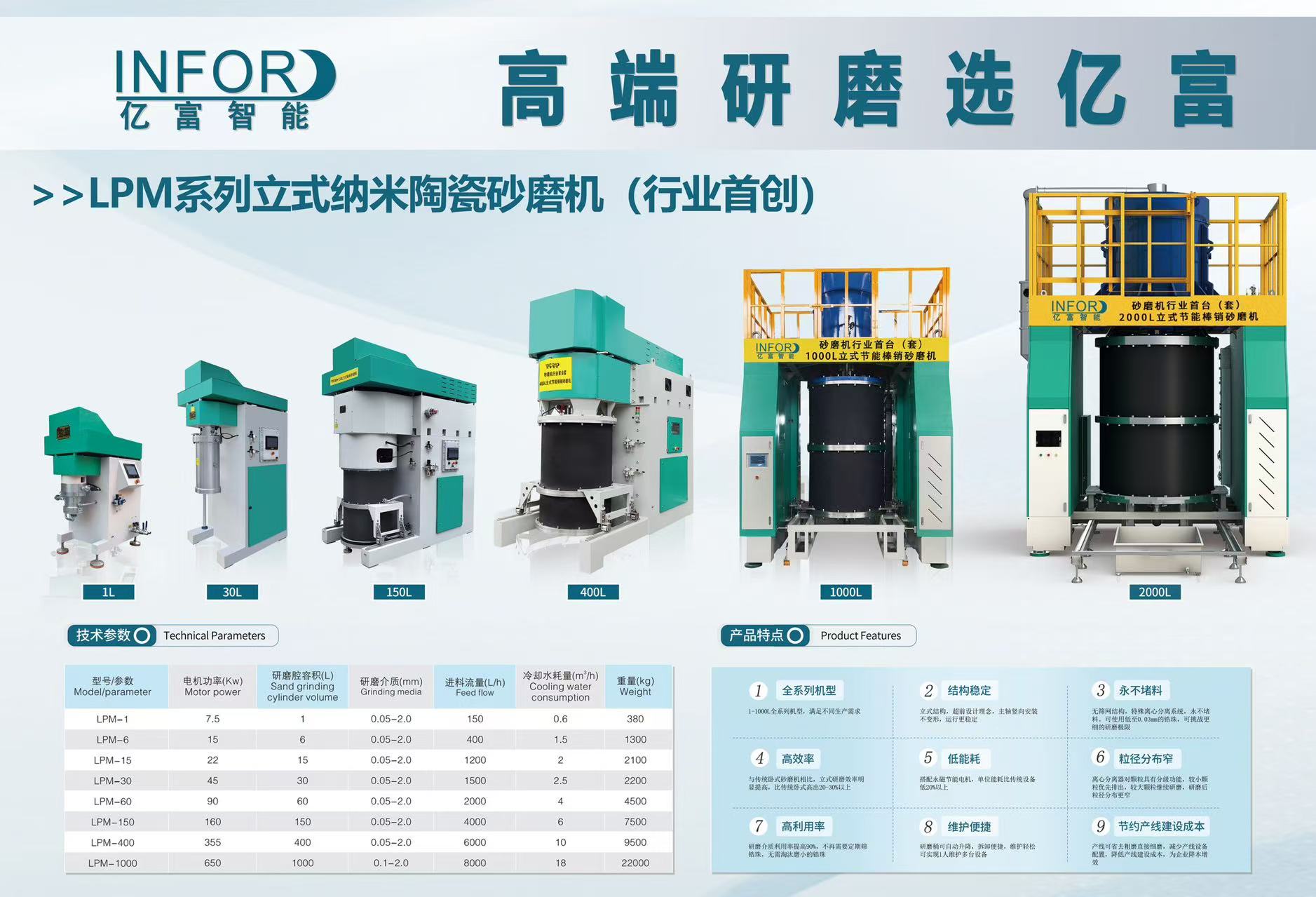
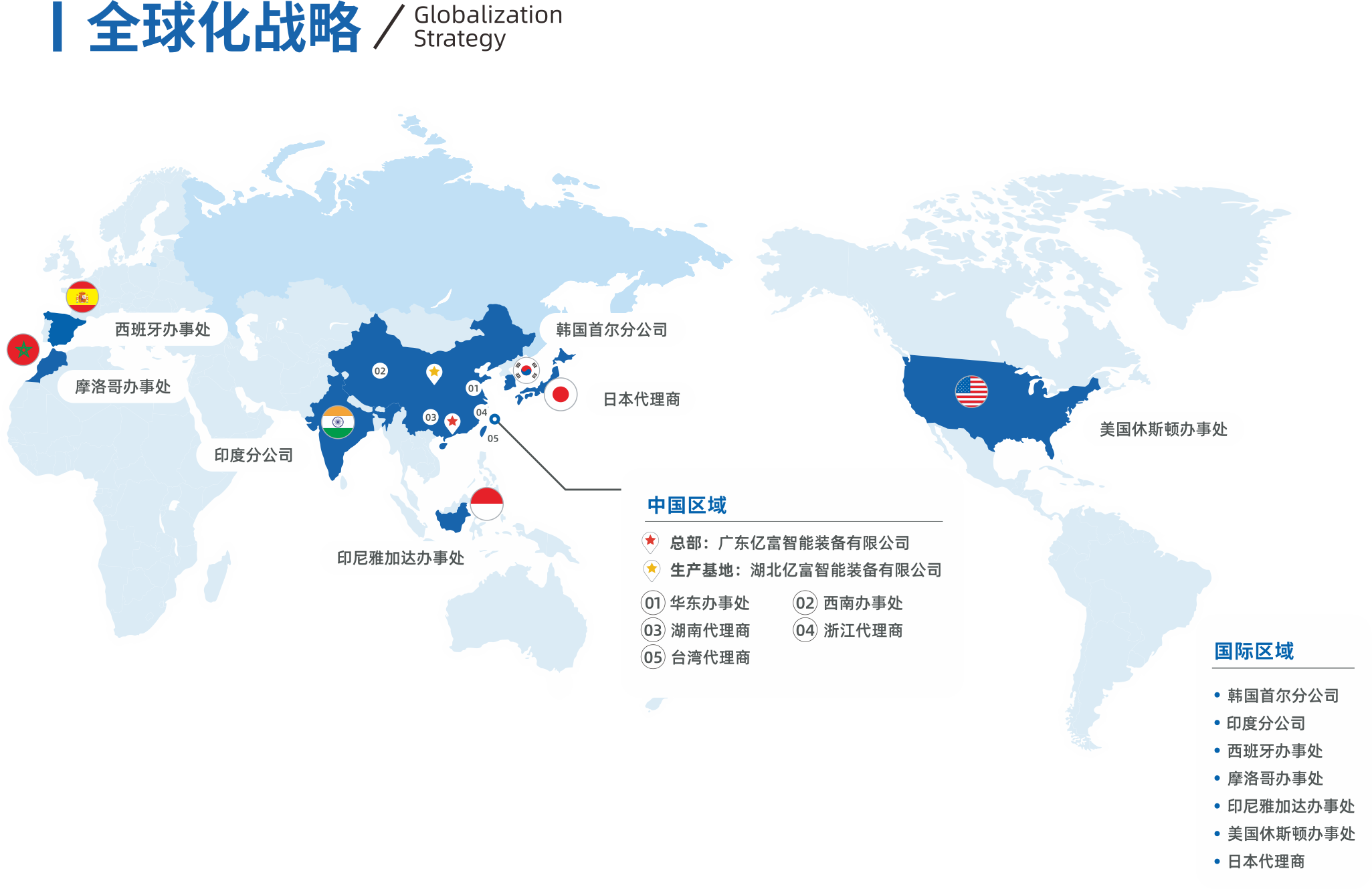
The first is to leverage the industrial chain to go overseas and follow the global layout of leading customers. As CATL, BYD and other companies have successively established more factories around the world, sand mill equipment manufacturers are facing an important opportunity to go overseas. Yifu set up offices in Europe and the United States precisely because the region is close to the European market and has a superior business environment. As a supporting supplier, it follows the pace of the industrial chain expansion.
The second is to enhance competitiveness with "technology + system solutions". The upgrade from pure equipment export to the systematic output of "technology + equipment + standards" is a milestone trend for China's photovoltaic equipment industry to move towards the high end of the global value chain. Yifu's complete line solutions and innovative products such as AI intelligent voice sand mills and dry sand mills have built differentiated advantages in multiple dimensions.
The third is to diversify overseas production capacity layout and disperse geopolitical risks. In addition to Europe and the United States, Yifu has simultaneously expanded into emerging markets such as Japan, South Korea, Southeast Asia, and North Africa, and effectively hedged single market risks through diversified customer structures. At the same time, we will strengthen technical cooperation with local material manufacturers in Europe and the United States to achieve a more stable pace of overseas expansion based on the logic of "exchanging market access".
Changes in the industry structure at the global level
This meeting will promote the shift of Sino-US new energy vehicles from comprehensive confrontation to competition + limited cooperation. The global new energy industry will form a dual-core structure of China and the United States: China dominates production capacity, supply chain, and mass consumer market; the United States dominates high-end technology, the North American market, and the formulation of intelligent driving rules. It will also drive two-way competition and integration of global new energy vehicle technical standards and trade rules.

 English
 亿富机械
 +86-0769-85626082
 541476175@qq.com
 东莞市大岭山镇颜屋村莲颜路88号