On July 1, 2026, the core area of Hanoi First Ring Road in Vietnam officially pressed the "pause button" on fuel motorcycles. There are no sudden attacks, no swings and turns - this is a set of electric chess games with a roadmap laid out a few years ago.
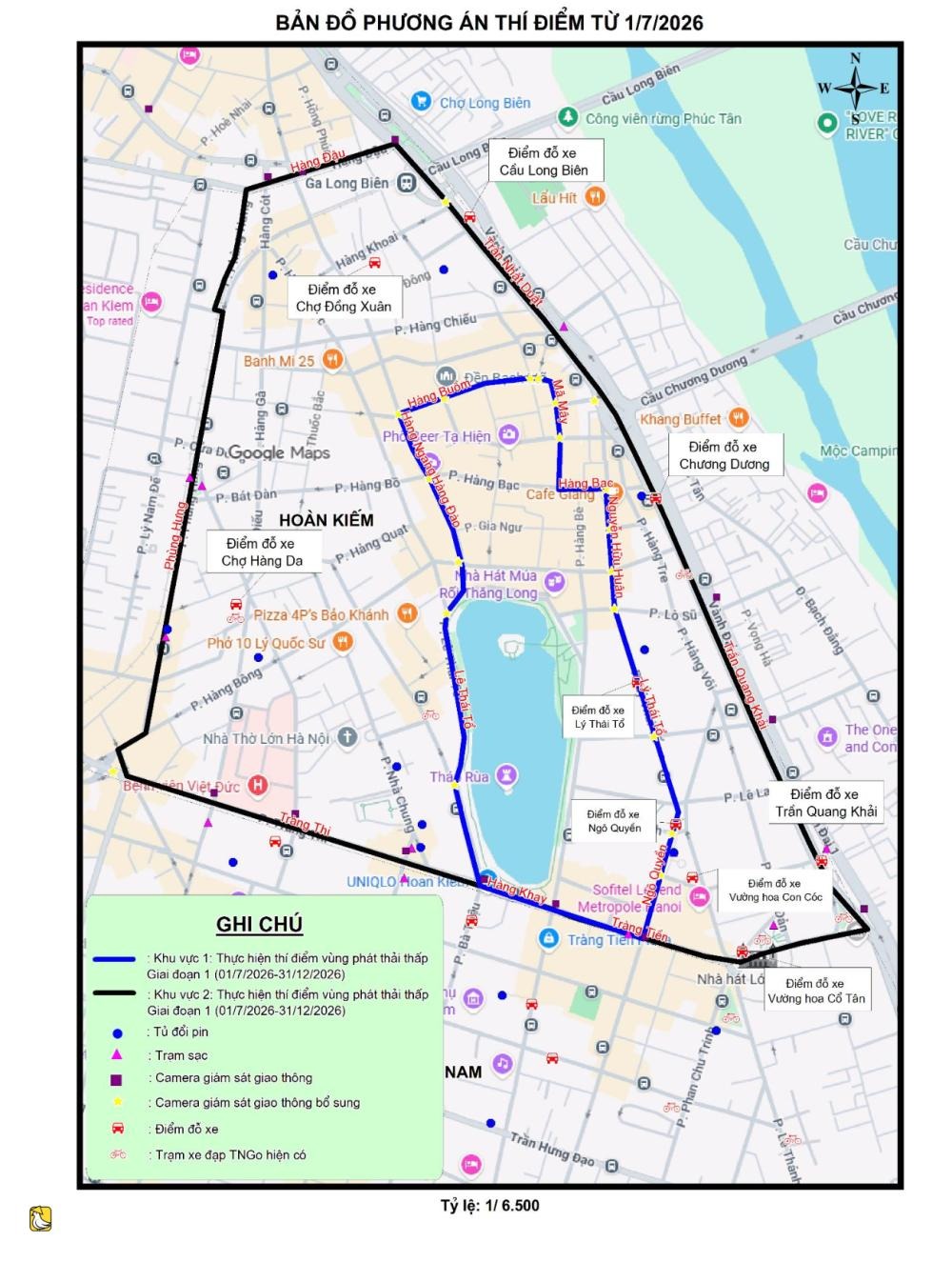
Official Master Plan of the Low Emission Zone
On July 1, 2026, the core area of Hanoi First Ring Road in Vietnam officially pressed the "pause button" on fuel motorcycles. There are no sudden attacks, no swings and turns - this is a set of electric chess games with a roadmap laid out a few years ago.
On the industrial side, the reaction was far more violent than imagined: lithium iron phosphate material factories gathered together to grab land, and Chinese-funded companies that were originally targeting Indonesia began to turn around and head north. Vietnam is becoming the most certain "incremental battlefield" for Southeast Asia's new energy track.
1. It is not a "one size fits all" policy, but a mandatory replacement in stages over ten years.
Vietnam's motorcycle ban policy has been misunderstood by many people as a "sudden ban", but it is actually a strict timetable:
· July 2026: Fuel motorcycles are prohibited from entering the core area of Hanoi's first ring road;
· 2028: The ban is expanded to the second ring road, and all fuel-powered models for takeaways and online ride-hailing are eliminated;
· 2030: All fuel motorcycles are restricted within the third ring road of Hanoi;
· Ho Chi Minh City: Follow up simultaneously and the rhythm is basically the same.
At the same time, the Vietnamese government provides high replacement subsidies, which directly reduces the cost threshold for consumers to replace electric motorcycles. This is not a guide, but a push - millions of existing fuel motorcycles will be cleared out of core urban areas in the next four years, leaving electric two-wheelers as the only alternative.
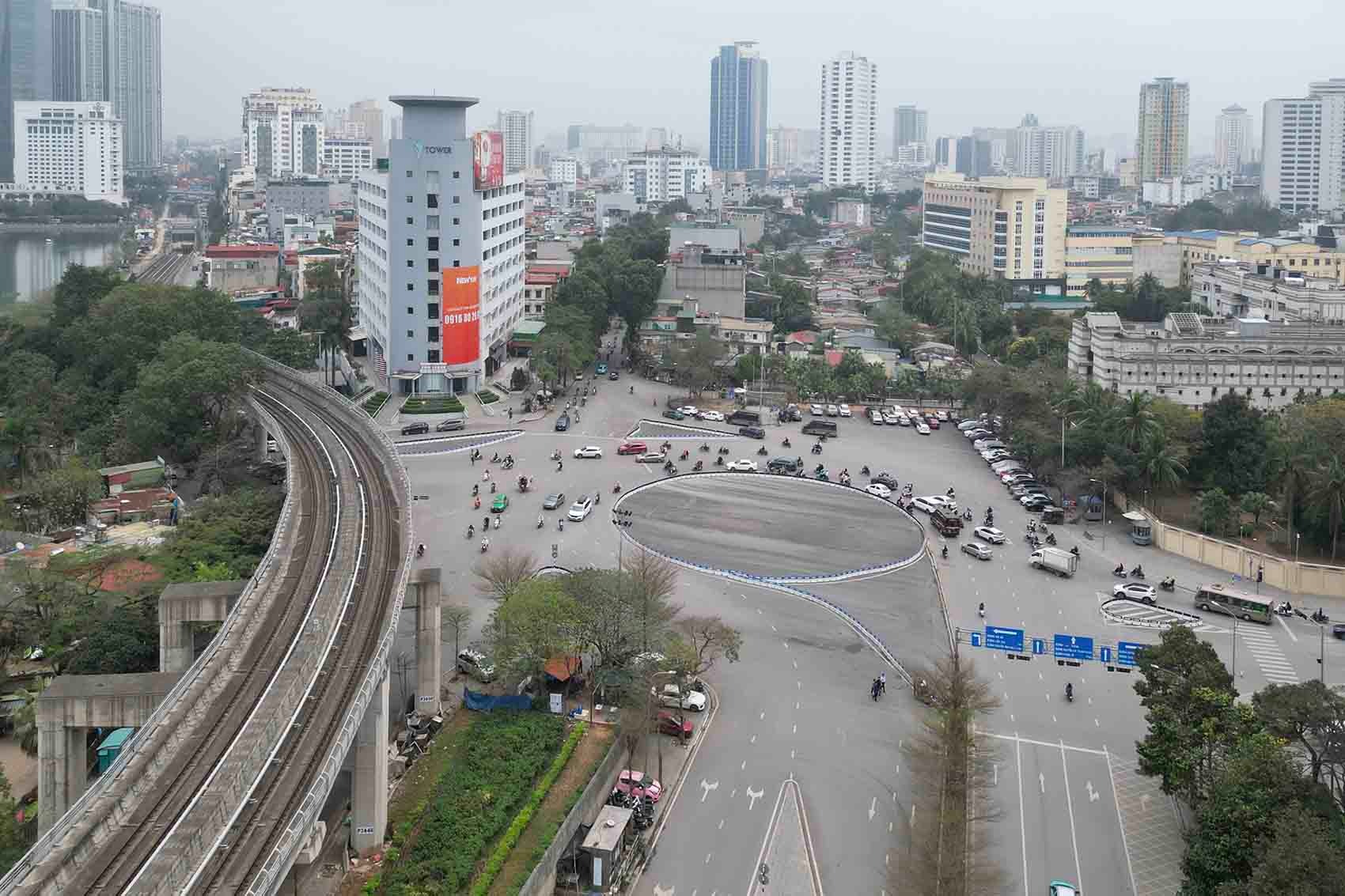
Aerial panoramic view of Hanoi's First Ring Road
2. Electric motorcycles "choosing sides": Lithium iron phosphate unexpectedly became the biggest winner
Vietnam's electric motorcycle market almost overwhelmingly chose lithium iron phosphate batteries - they are safe, resistant to high temperatures, have long cycle life, and cost far less than ternary lithium, which is perfect for two-wheeled vehicle use scenarios.
The demand for millions of replacement vehicles has directly driven:
· The demand for lithium iron phosphate cathode materials has surged;
· The amount of auxiliary materials such as negative electrode materials, conductive agents, and binders is simultaneously increased;
· The order of magnitude of battery packs has jumped from "10,000 units" to "1 million units".
But Vietnam’s domestic lithium battery production capacity is almost zero. As a result, a wave of Chinese-funded lithium battery factory building in Vietnam quickly broke out:
· Guoxuan Hi-Tech, BYD, Tianneng, Xinwangda and other leading companies have launched battery and material production lines;
· Dozens of small and medium-sized lithium iron phosphate supporting manufacturers are planning to build new production capacity of 10,000 tons;
· From the battery core to the positive and negative electrodes, from the electrolyte to the separator, the entire chain is accelerating its "Vietnamization".
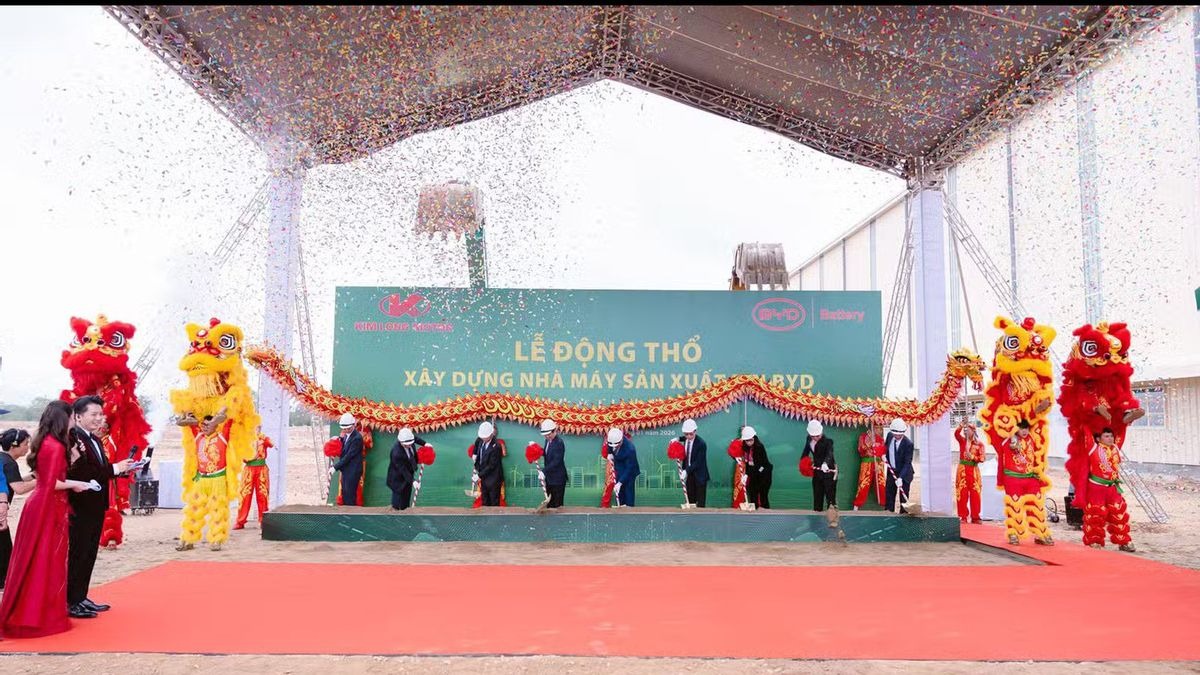
BYD Vietnam Battery Base Groundbreaking Ceremony
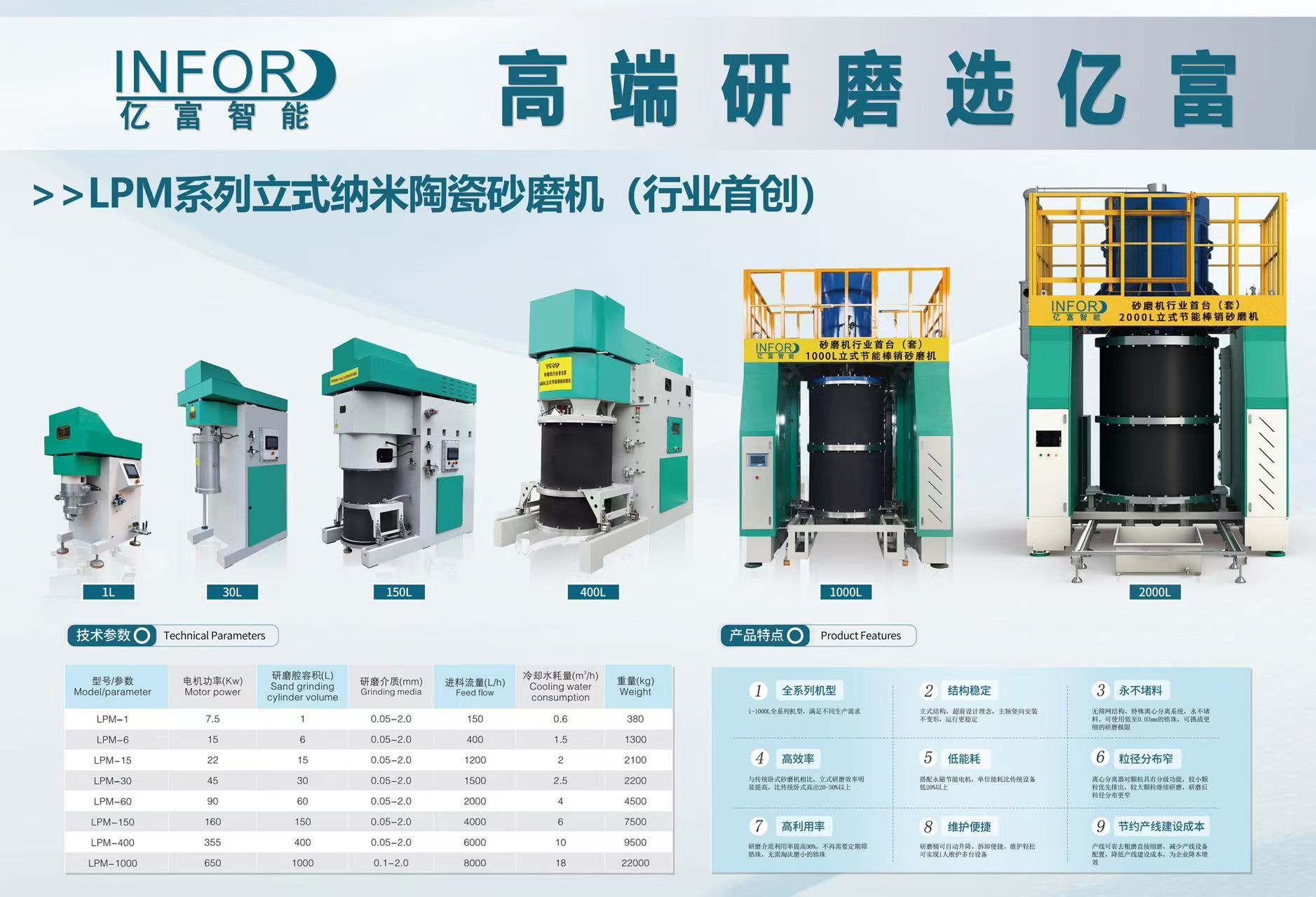
3. Sand Mill: The Hidden Champion Being "Rolled Up"
The production of lithium battery materials cannot avoid a core process - grinding and dispersion. In Vietnam, even a high-end large-volume sand mill cannot be manufactured.
1. 100% dependent on Chinese imports
Domestic sand mills have completely crushed the old German and Japanese equipment in terms of cost performance, process adaptability, delivery cycle and stability. Vietnam's new material line is all equipped with large-capacity sand mills as standard, and domestic equipment has become the only choice.
2. Capacity is released in batches, but the demand curve continues to rise
The motorcycle ban is promoted in phases, and the expansion of material plants is also constructed in phases. The sand grinder will not experience an "instant blowout", but there will be tenders for new lines every quarter, and the order continuity is extremely strong - this is a typical track with long slopes and thick snow.
3. Indonesia “cools down” and Vietnam “heats up”
Many Chinese-funded materials factories were originally located in Indonesia, but due to policy fluctuations, exchange lock restrictions and quota uncertainty, some companies have moved to Vietnam. Vietnam's business environment is more stable and its foreign exchange controls are more friendly. It has taken over this batch of "overflow capacity" and further increased the incremental demand for domestic lithium battery equipment.
4. The overall impact on Chinese investment overseas: three certainties
1. Track dividends confirmed: super window in the next 5-10 years
Vietnam’s two-wheeled electrification and energy storage dual tracks have exploded, and Chinese lithium battery and equipment companies have ushered in historic opportunities. More importantly, production in Vietnam can be exported to Europe and the United States through ASEAN's tariff advantages and avoid trade barriers. This strategic value far exceeds the size of a single market.
2. The implementation of a complete industrial chain: from materials to equipment "family bucket"
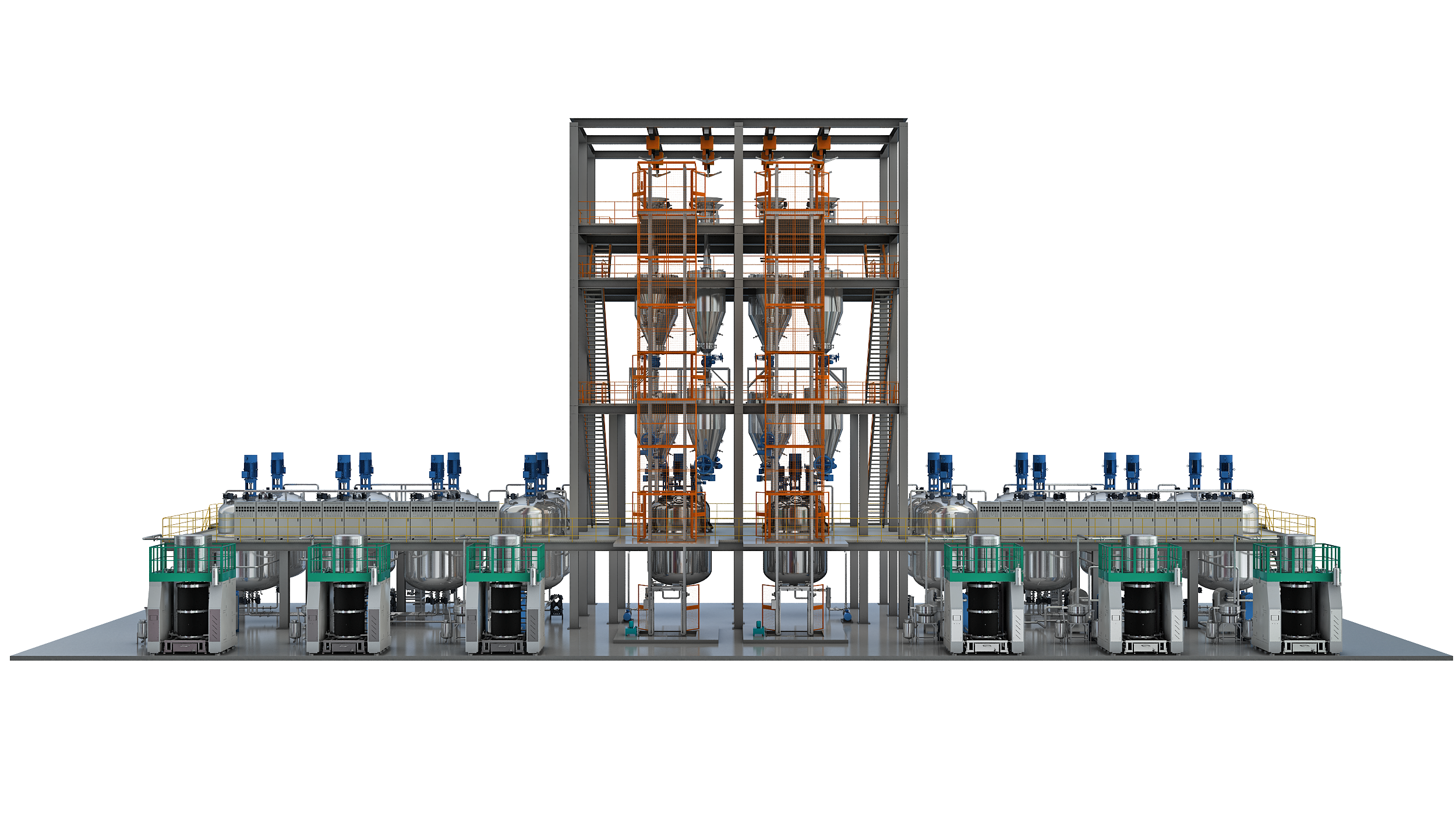
Battery cells, positive and negative electrodes, electrolytes, separators, as well as a complete set of equipment such as grinding, sintering, and drying, China's supply chain is replicating a "miniature version of the domestic lithium battery ecology" in Vietnam. Equipment manufacturers follow customers, orders are extremely sticky, and demand for after-sales and technical services continues to grow.
3. View the rhythm rationally: not short-term speculation, but long-term steady growth
The motorcycle ban is a ten-year project, production capacity will be released in batches, and equipment procurement is also cyclical. But once a trend starts, it is irreversible. Vietnam is already the most certain incremental market for new energy in Southeast Asia. It is more stable than Indonesia, more urgent than Thailand, and larger than Malaysia.
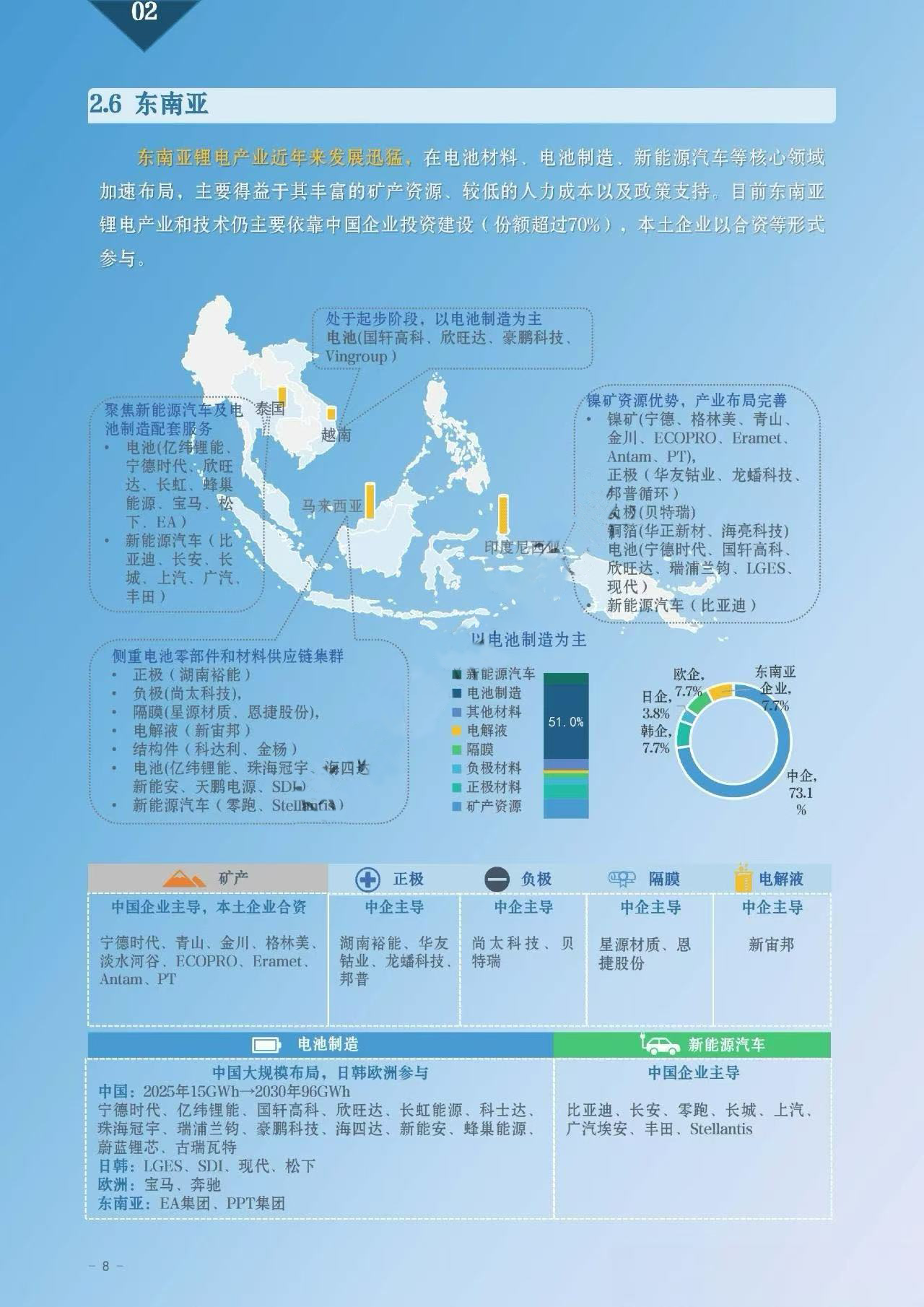
Southeast Asia Lithium Battery Market Pattern
5. Stop treating Vietnam as a “spare tire” – it is becoming the main battlefield.
The quietness of Hanoi 1st Ring Road is not the end, but the beginning. When millions of fuel motorcycles are replaced by electric motorcycles, when lithium iron phosphate factories are spread from north to south, and when every ton of materials needs to be equipped with intelligent equipment production lines - the opportunity for domestic equipment to go overseas is not far away, but in Vietnam.
It is more meaningful to get involved than to wait and see. This market will not give you the surprise of getting rich overnight, but it will give you the certainty of a steady flow of money.

 English
 亿富机械
 +86-0769-85626082
 541476175@qq.com
 东莞市大岭山镇颜屋村莲颜路88号