In recent years, there has been a surging wave of new energy going global, with both tumult and bubbles coexisting. As for Yifu's internationalization, we never chase trends, but only take root - we do not engage in opportunism, but treat each overseas market as a "base" for deep cultivation. Implementing real projects will fulfill our full understanding of the word "solid".
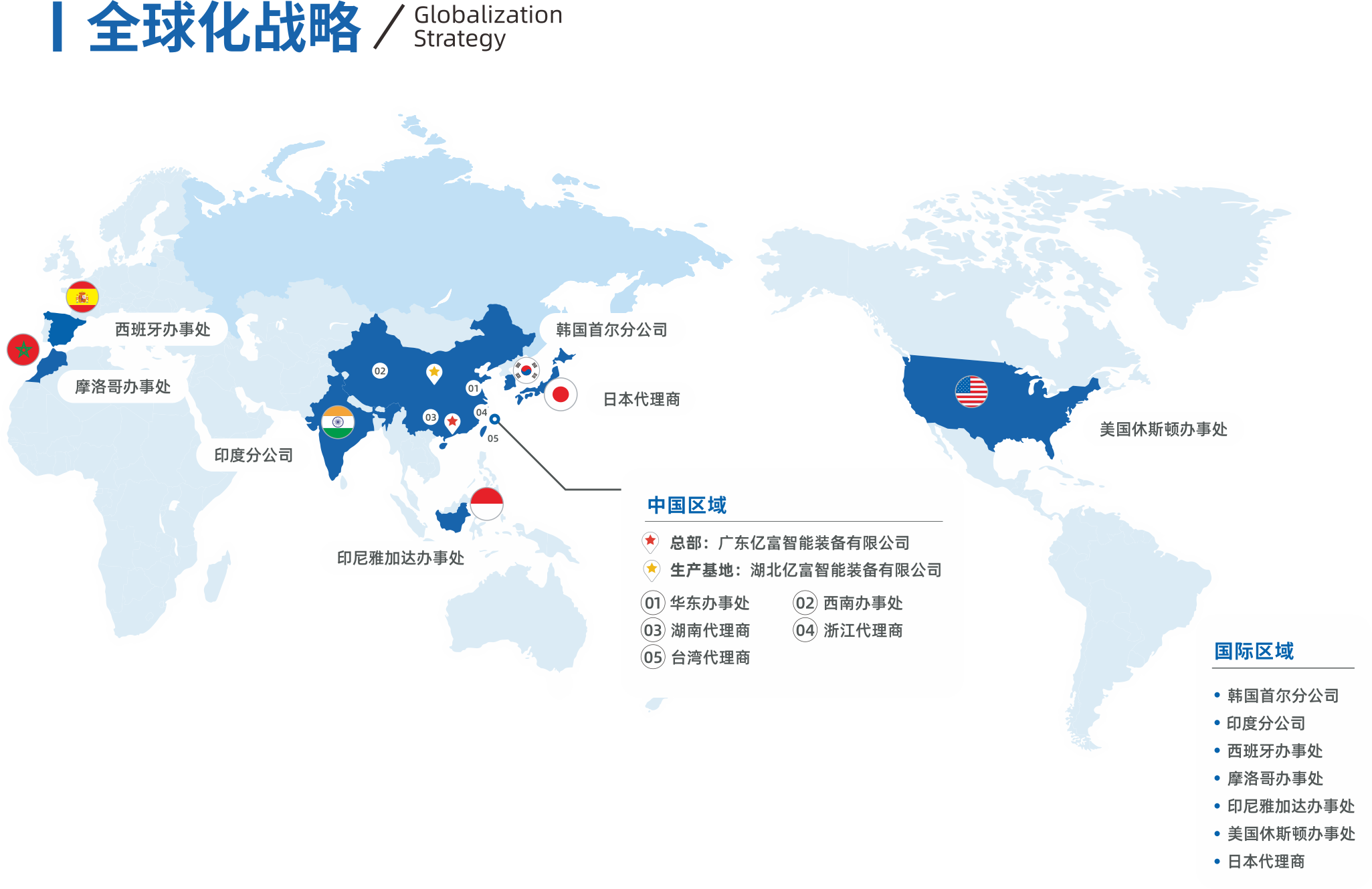
Starting today, Yifu Intelligence will take you to understand the overseas countries that we have deeply cultivated and have made real achievements, and break down the market fundamentals and industrial characteristics of each country. This is not a casual inspection tour, but a practical experience gained with real money investment and project implementation.
Let’s first talk about the country with the best overseas landing results—South Korea.
1. Basic overview: The area is equivalent to Jiangsu, and half of the population is crowded in the capital circle
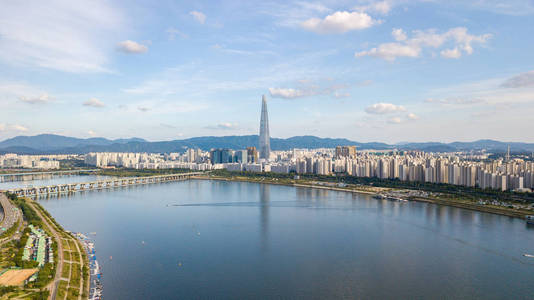
Let’s talk about geography first. South Korea is located in the southern part of the Korean Peninsula in East Asia, surrounded by sea on three sides, and adjacent to North Korea in the north by the 38th Parallel. The land area is about 103,000 square kilometers, which is roughly the same as our Jiangsu Province. Despite its small size, South Korea's weight in the global economy and industrial chain is not small at all.
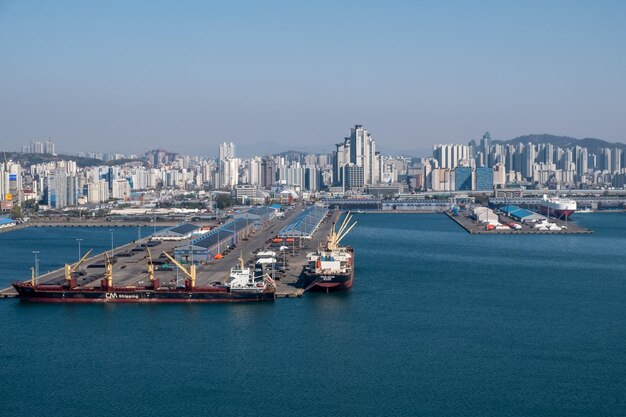
In terms of population, South Korea has a total population of approximately 51.1 million and is a country with a single Korean nation. This country has a distinctive feature - extremely high population concentration. The metropolitan area consisting of Seoul, Gyeonggi-do, and Incheon brings together nearly half of the country's population. what does that mean? This means that South Korea's consumer market, human resources and business opportunities are highly concentrated, but it also brings serious "involution".
South Korea has the lowest fertility rate in the world and has entered a deeply aging society. The youth labor force is decreasing year by year, and the labor shortage problem is becoming increasingly serious. This leads to a phenomenon: In South Korea, competition from employment to promotion is extremely fierce. Young people are desperately trying to squeeze into big companies, while companies are desperately trying to replace labor with automation and intelligence. This involution culture has also profoundly affected South Korea's business logic - efficiency comes first and quality is king.
2. Economic industry: high-end manufacturing led by chaebols, building the country on technology, and importing resources
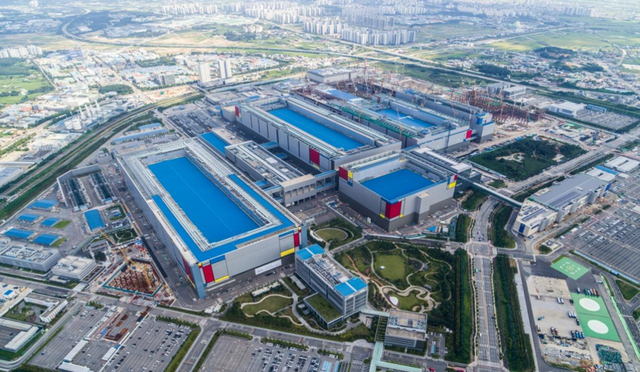
At the economic level, South Korea's nominal GDP will be approximately US$1.85 trillion in 2025, with per capita GDP reaching US$36,000, making it a well-established high-end manufacturing developed country. This size ranks among the top ten in the world.
But the background of South Korea's economy is different from that of most countries. It is a typical chaebol-dominated economy - Samsung, SK, Hyundai, LG and other major chaebol groups cover almost the entire industrial chain from semiconductors to automobiles, from chemicals to electronics. The advantage of this structure is that resources are concentrated and the ability to tackle difficult problems is strong; the disadvantage is that small and medium-sized enterprises have little living space and the supply chain is highly dependent on large enterprises.
On an industrial basis, South Korea is lacking in local mineral resources and relies almost entirely on imports of bulk raw materials such as oil, coal, iron ore, lithium, and nickel. It follows a path of "buying in, finishing, and selling", relying on technology exports and high-end manufacturing to gain a global foothold.
I believe everyone is familiar with South Korea’s core pillar industries: semiconductors (the global memory hegemon), vehicle manufacturing (Hyundai and Kia Group), lithium battery new energy (the world’s top three battery giants), display panels (Samsung and LG’s OLEDs are absolutely leading), and fine chemicals (semiconductor materials, battery materials). These industries have a common characteristic: technology-intensive, capital-intensive, and global competition.
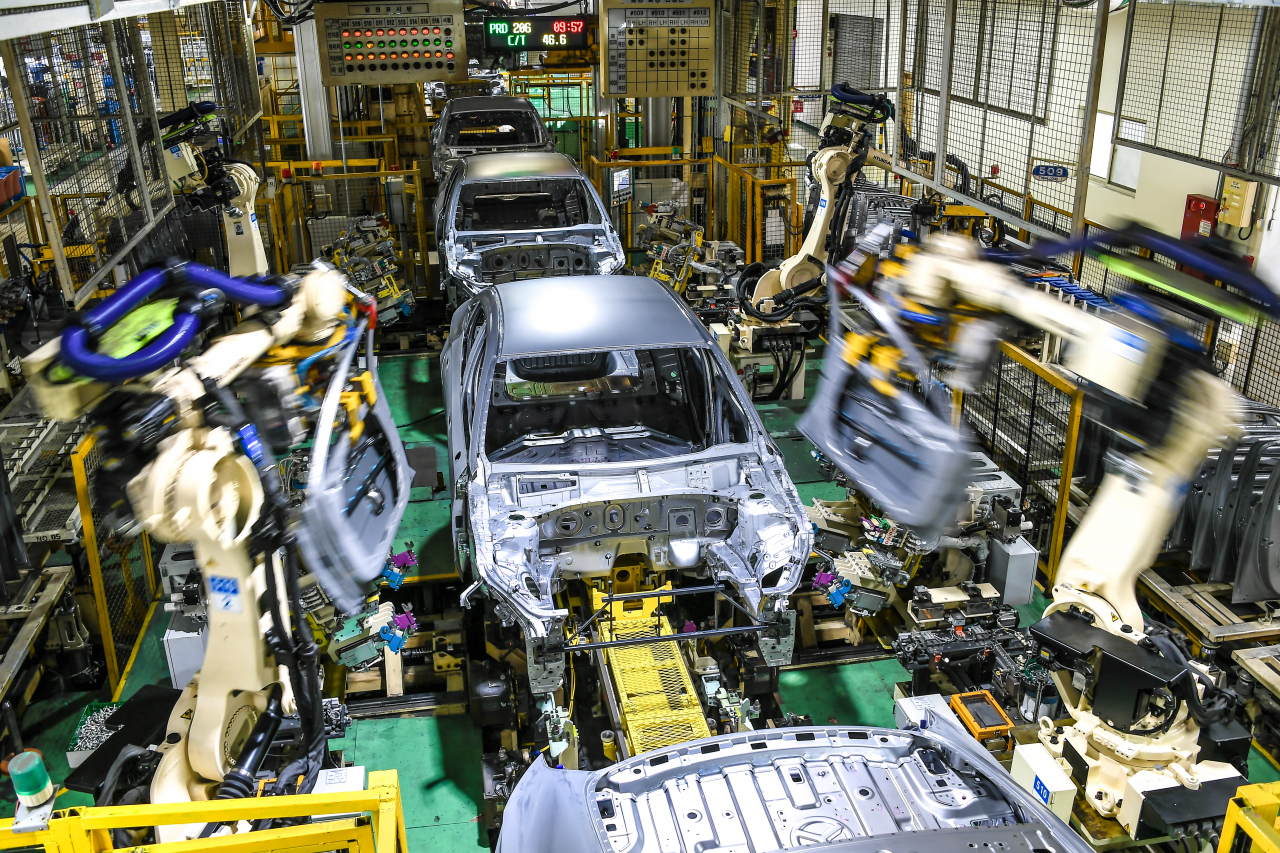
The Korean industrial chain as a whole tends to be high-end, refined, and standardized. What does it mean? That is to say, Korean companies attach great importance to process stability and quality consistency when making products. Make 100 products, each one must be exactly the same, and the margin of error is extremely small. This kind of quality control requirement is the foundation of South Korea's manufacturing industry, and it also directly affects their selection criteria for equipment suppliers - stability trumps everything.
In terms of technology research and development, South Korea has not been stingy in its investment. Especially in the fields of new materials, ultrafine powders, and electrochemistry, major Korean enterprise groups and national research institutions continue to invest huge amounts of research and development funds. On the cutting-edge tracks of next-generation battery technologies such as solid-state batteries, high-nickel ternary batteries, and silicon-carbon anodes, Korean companies are even more advanced than some of our domestic leading companies. This is why we have always regarded South Korea as a key area for overseas technology benchmarking and market expansion.
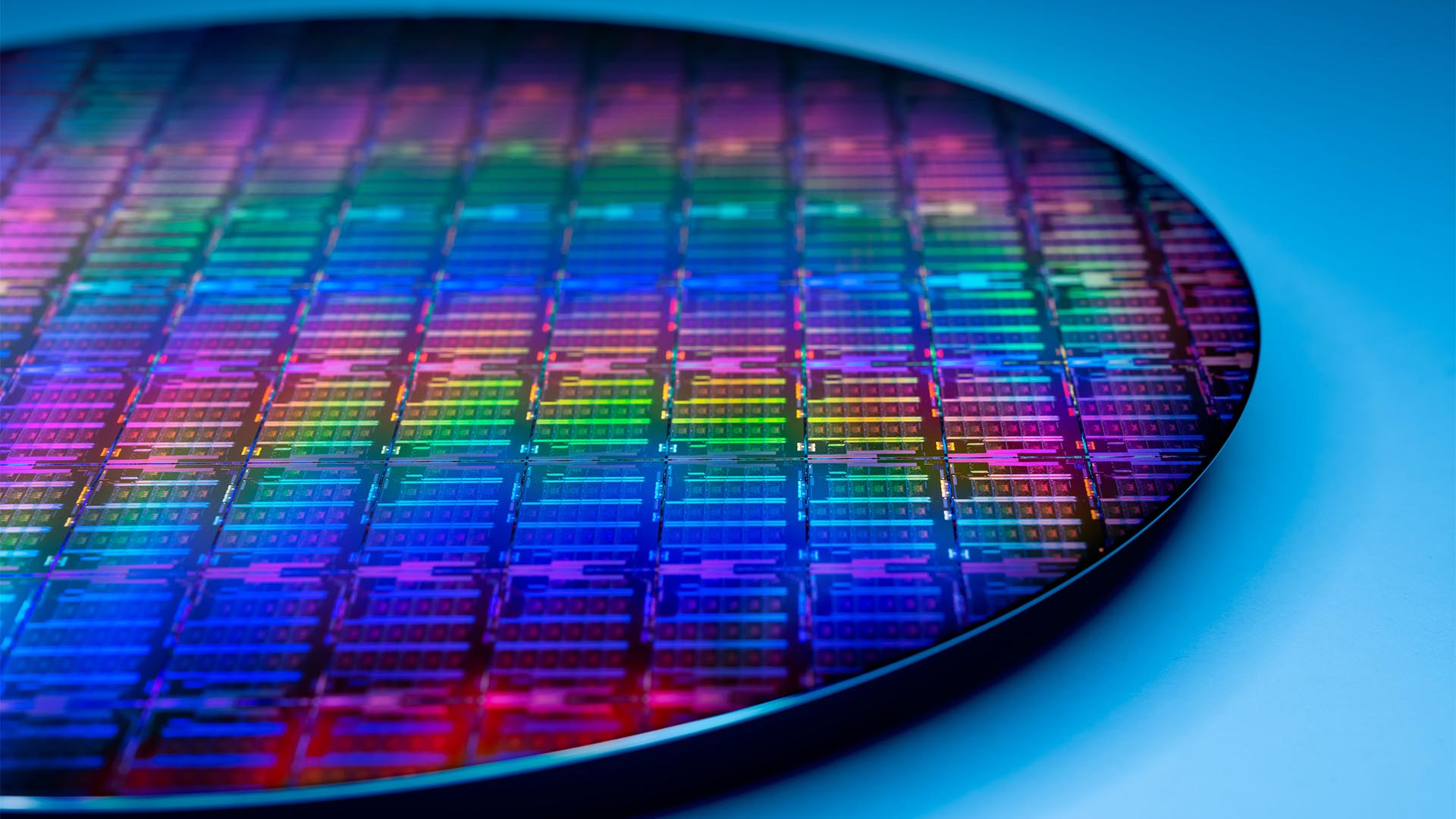
3. Social culture: Strong sense of time, clear hierarchy, and the spirit of contract is deeply rooted in the bone marrow.
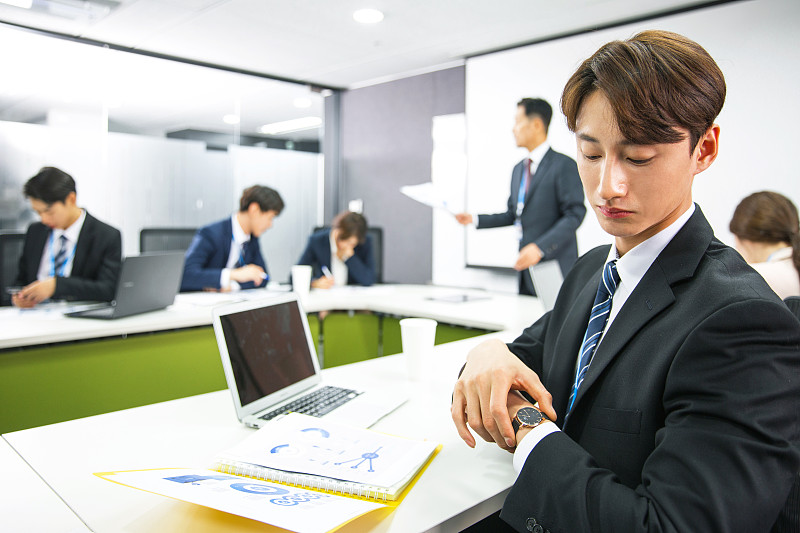
When working in the Korean market, if you don’t understand their social culture, you won’t be able to promote business at all.
First of all, the pace of life in South Korea is extremely fast, and the entire population has a strong sense of time. When discussing business in Korea, being late is a big no-no. Make an appointment to meet at 10 a.m. and arrive at 9:55 a.m. This is the most basic respect. Koreans' pursuit of "efficiency" is reflected in every detail of business.
Secondly, the social hierarchy and culture are distinct. The order of elders, younger ones, and younger generations permeates every aspect of life and work. There are certain things to pay attention to when meeting someone, such as how to bow, how to hand over a business card, and how to address each other. If the other party is a minister and you send an agent to contact him, the other party will think that you do not respect him. Therefore, when doing business matching in South Korea, rank equivalence is the basic requirement, and respect for hierarchical etiquette is a compulsory course.
Thirdly, the overtime culture in Korean workplaces is very common. When it is time to get off work, if the leader has not left, the subordinates will basically not leave on their own initiative. Business dinners are the norm in the industry, and they often take place in several rounds—eating first, then drinking, then singing karaoke, and discussing business often lasts throughout the night. Whether trust can be established at the wine table determines to some extent whether the business can advance.
But there is a good thing: Koreans have a strong spirit of contract and attach great importance to reputation. Once a trusting relationship is established, they very much favor long-term, stable, and reliable in-depth cooperation. Suppliers who are eager for quick success and one-time deals cannot survive a cycle in the Korean market.
4. Business practice: strict verification and long decision-making chain, but once won, it is a long-term meal ticket
Based on our many years of practical experience in Korea, I have summarized the following characteristics of Korean business for your reference:
First, the hierarchical culture is strict, and the bottom line is to have equal ranks. Business docking must match personnel of corresponding ranks. Whether it is visits, negotiations or daily communication, hierarchical etiquette runs throughout.
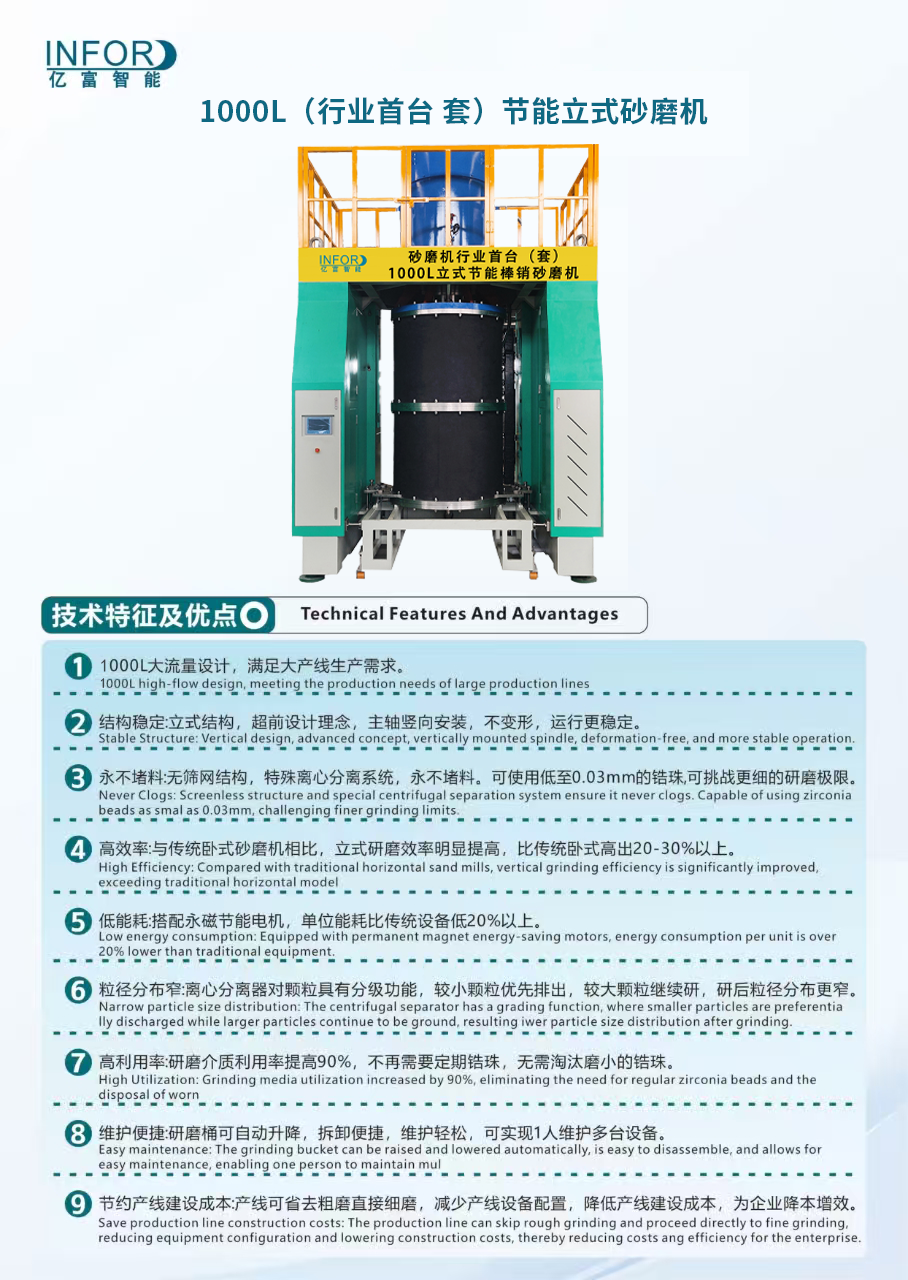
Second, product verification is extremely rigorous and we will never compromise on low prices. The purchasing logic of Korean customers is not "whoever buys the cheapest product", but "whoever is stable buy the product". They adhere to the three-level testing process of sample testing, pilot line verification, and mass production introduction, and strictly control every step. Equipment stability, particle size consistency, and continuous mass production capabilities are the three core indicators they use to evaluate suppliers. The price factor comes second.
Third, they have a strong sense of contract and do not compromise on legal terms. Koreans will write down the ownership of intellectual property rights, confidentiality agreements, and quality compensation clauses in contracts. They are not trying to make things difficult for you, but they put risk control first. This requires suppliers to have excellent legal and compliance capabilities.
Fourth, the decision-making chain is long, but once the certification is implemented, the repurchase rate is extremely high. The internal reporting process of Korean companies is cumbersome, with approvals at all levels from engineers to team leaders to ministers to senior executives. It is normal for a project to take more than half a year from contact to signing. But the advantage is that once you pass their certification system and enter the list of qualified suppliers, subsequent cooperation will be extremely sticky. You don’t need to compare prices repeatedly or re-tender every year. Customers will take the initiative to talk to you about new projects.
Fifth, technical communication should be pragmatic and rational, and data should speak for itself. Korean engineers only believe in measured data and on-site production line effects. Fancy PPT and exaggerated propaganda words will not work in front of them. You bring a piece of equipment and show it to them on the spot. Once the data comes out, they will recognize you.
5. Our core battlefield: South Korea’s new energy lithium battery industry chain
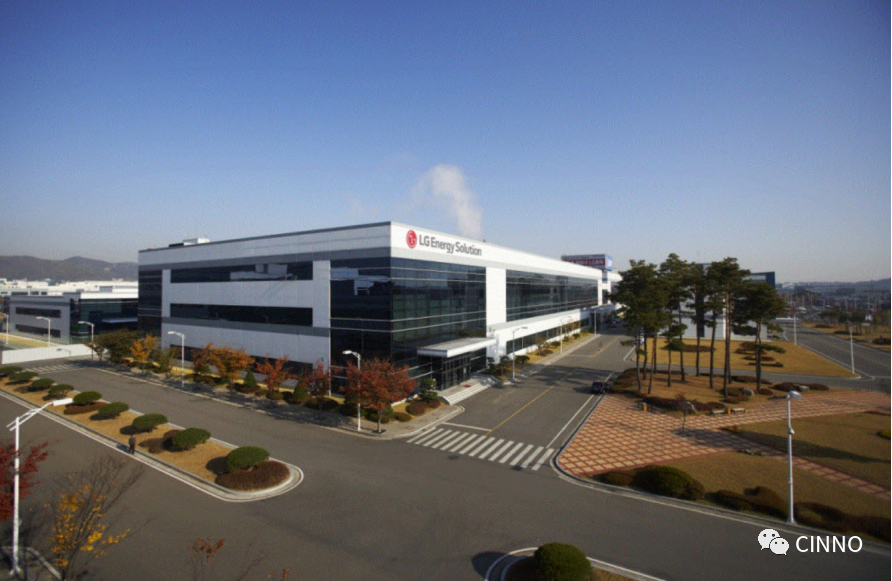
In South Korea’s new energy lithium battery industry, the core circle of our services is the three giants: LG New Energy (LGES), Samsung SDI, and SK On. These three companies are firmly in the first echelon of power batteries in the world. Each has its own technical focus, but they all have extremely demanding requirements for upstream materials and equipment.
Around the three major battery giants, South Korea has also cultivated a number of leading material companies, including: LG Chem (cathode, separator, electrolyte), Posco Chemical (cathode precursor, anode material), Ecopro and EcoPro BM (high nickel cathode leader), L&F (cathode material). These companies cover the entire industry chain of positive electrodes, negative electrodes, conductive agents, and solid electrolytes, and are also core cooperative customers of our ultra-fine grinding equipment.
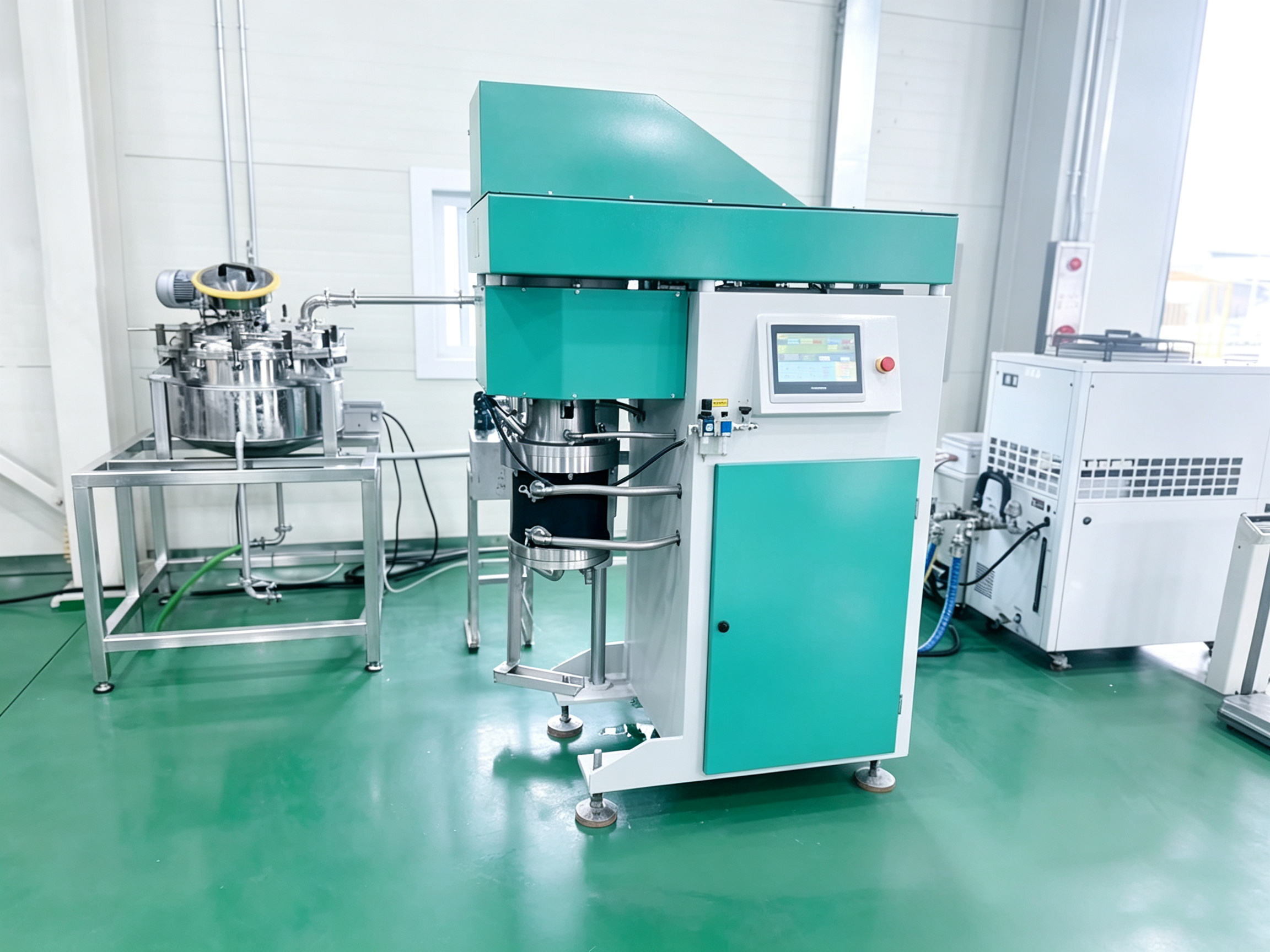
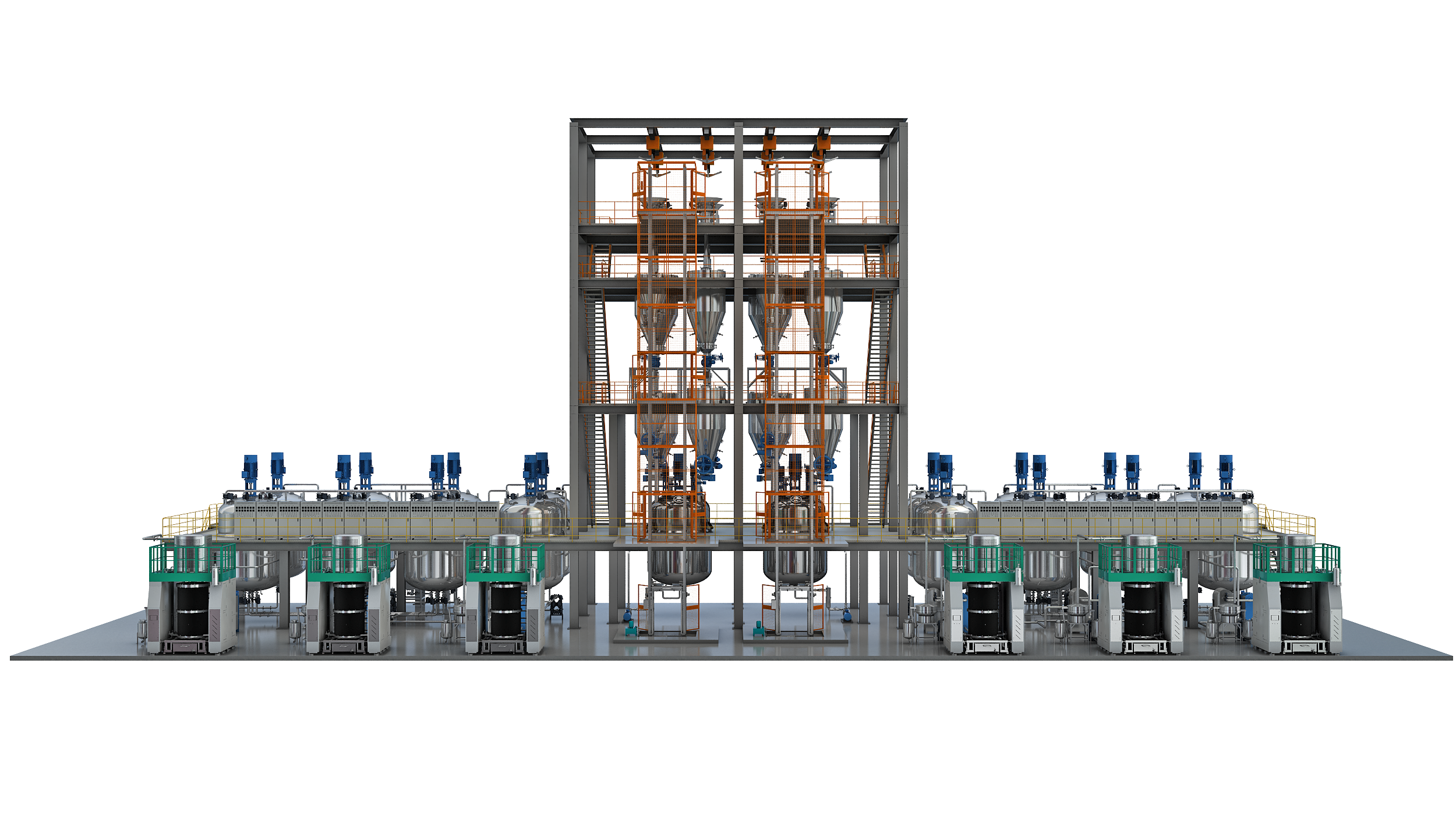
It can be said that we have firmly established ourselves as the first echelon in the field of lithium battery material grinding equipment in South Korea. Our equipment has not only entered the supply chains of all the above-mentioned leading companies, but has also achieved domestic substitution in many key projects, breaking the monopoly held by European and Japanese equipment manufacturers for many years.
6. Performance Review: South Korea’s first 60,000-ton LFP project uses our equipment throughout the entire line
Here I would like to give you a piece of good news, which is also the most eye-catching report card we have delivered in the Korean market:
South Korea’s first 60,000-ton lithium iron phosphate (LFP) cathode material project uses our sand mill equipment throughout. At present, the first phase of the project has been fully installed and implemented, the equipment is running stably, and various indicators have met or even exceeded customer expectations. The equipment for the second phase of the project will be shipped soon!
This project is of great significance. Prior to this, South Korea's LFP projects had always tended to use established equipment from Europe or Japan in the grinding process. This time, we won the entire bid with our better particle size control accuracy, higher continuous operation rate and better localized services. This is not a breakthrough for one or two pieces of equipment, but a comprehensive recognition of the entire production line.
Behind this is the dedication of our technical team for on-site debugging for several consecutive months, the service commitment of our after-sales engineers to be on call, and our strategic determination to work hard for the Korean market for a long time and not strive for speed but stability.
7. Invitation to industry events: Seoul in September, Asian Materials Cooperation Forum
Finally, I would like to give you an invitation to an industry event:
From September 3rd to September 4th, we will join hands with Nonferrous Network to hold the Asian Materials Cooperation Forum in Seoul, South Korea. This will be an industry exchange event focusing on new energy materials, lithium battery technology, and overseas supply chain cooperation.
At that time, we will invite core representatives of South Korea’s leading battery companies and materials companies, as well as outstanding upstream and downstream companies in the domestic industry chain to participate. This is not only a window to understand the latest developments in the Korean market, but also an excellent platform to directly connect with overseas customer resources and find cooperation opportunities.
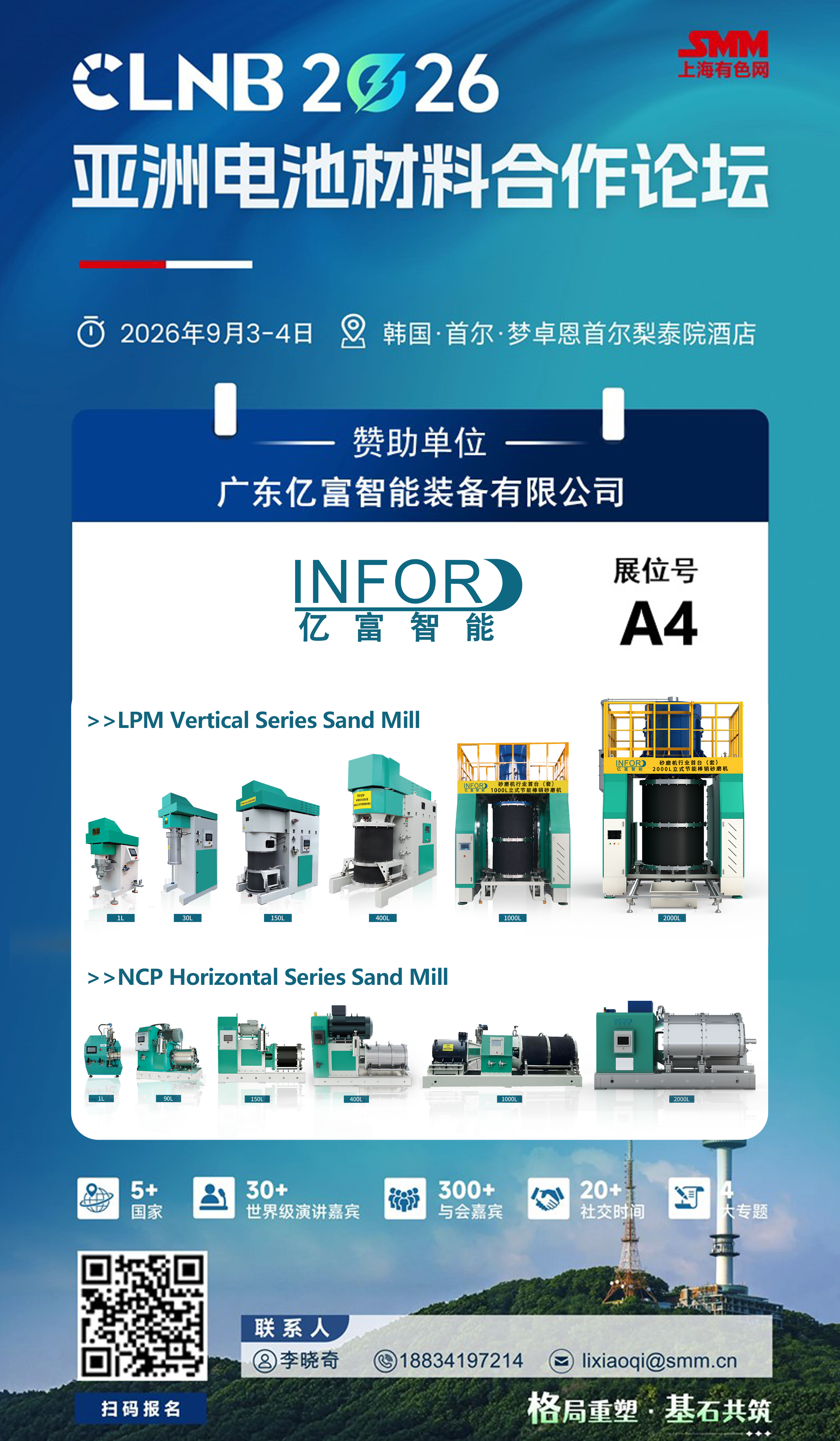
We sincerely invite all colleagues in the new energy industry to gather in Seoul to exchange industry trends and connect with overseas resources. See you in Seoul!

 English
 亿富机械
 +86-0769-85626082
 541476175@qq.com
 东莞市大岭山镇颜屋村莲颜路88号
