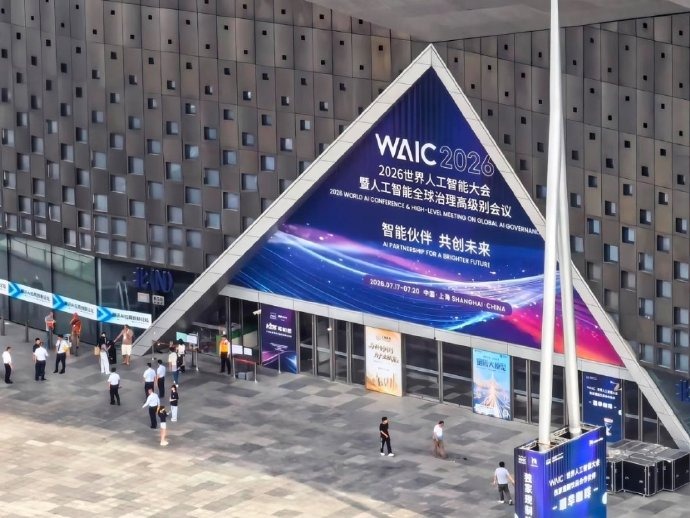
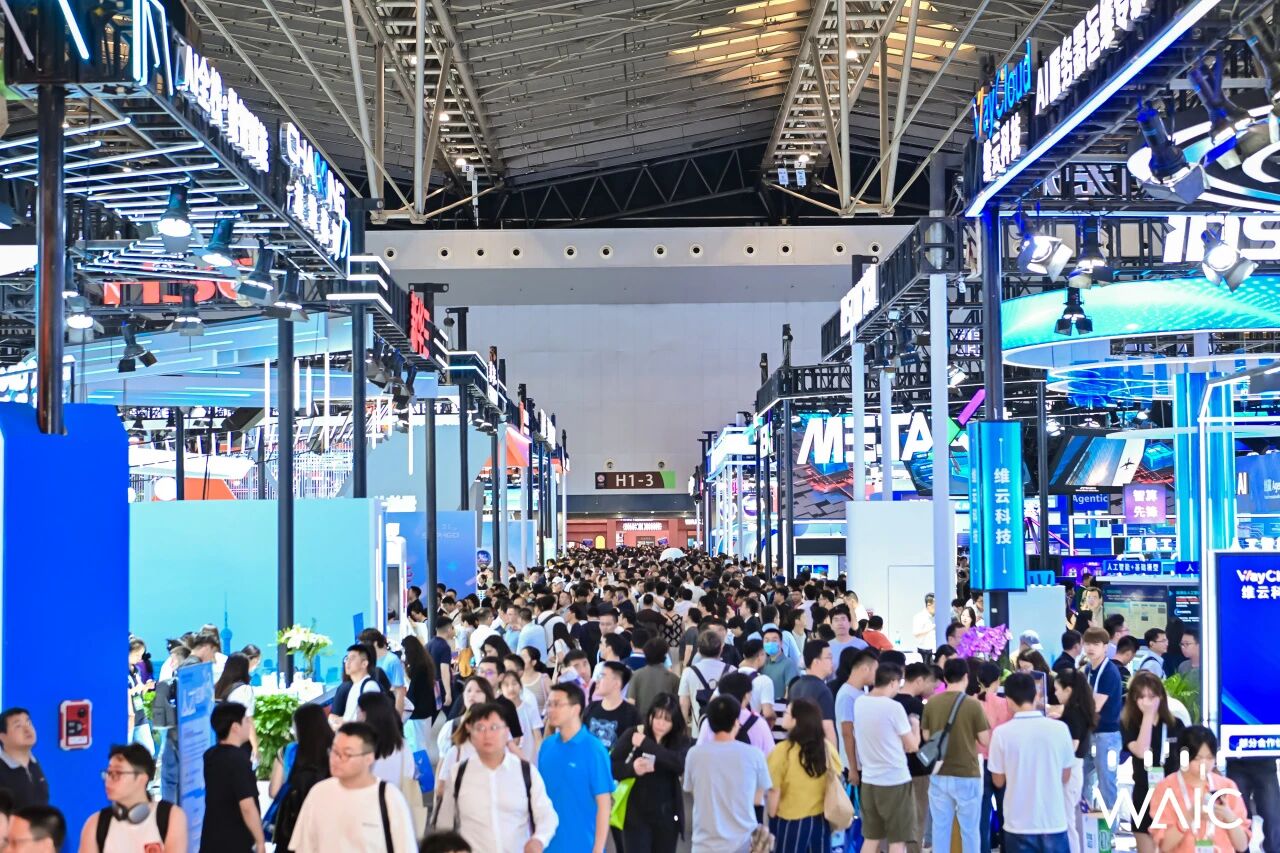
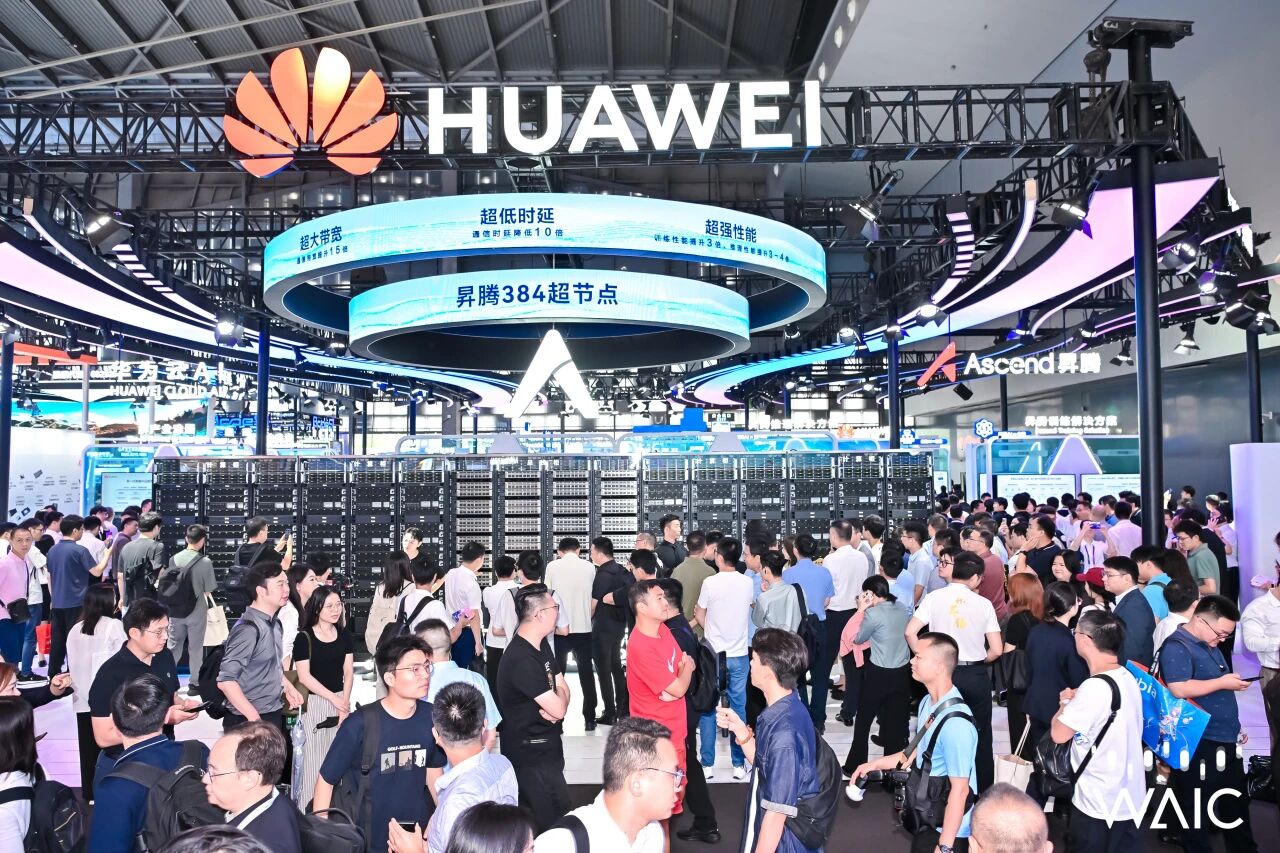
From July 17th to 20th, the 2026 World Artificial Intelligence Conference (WAIC) was held simultaneously in four venues in Shanghai World Expo, Zhangjiang, and West Bund. More than 1,100 companies, more than 3,000 exhibits, and over 300 new AI products made their global debut. More than 1,400 Chinese and foreign experts gathered together, and the number of visitors exceeded 300,000—even the 110 yuan public tickets were sold out early. This extremely "gold-containing" industrial event uses a live event that is hard to get a ticket to announce: AI has moved from conceptual hype to the stage of industrialization.
AI New energy two-way symbiosis
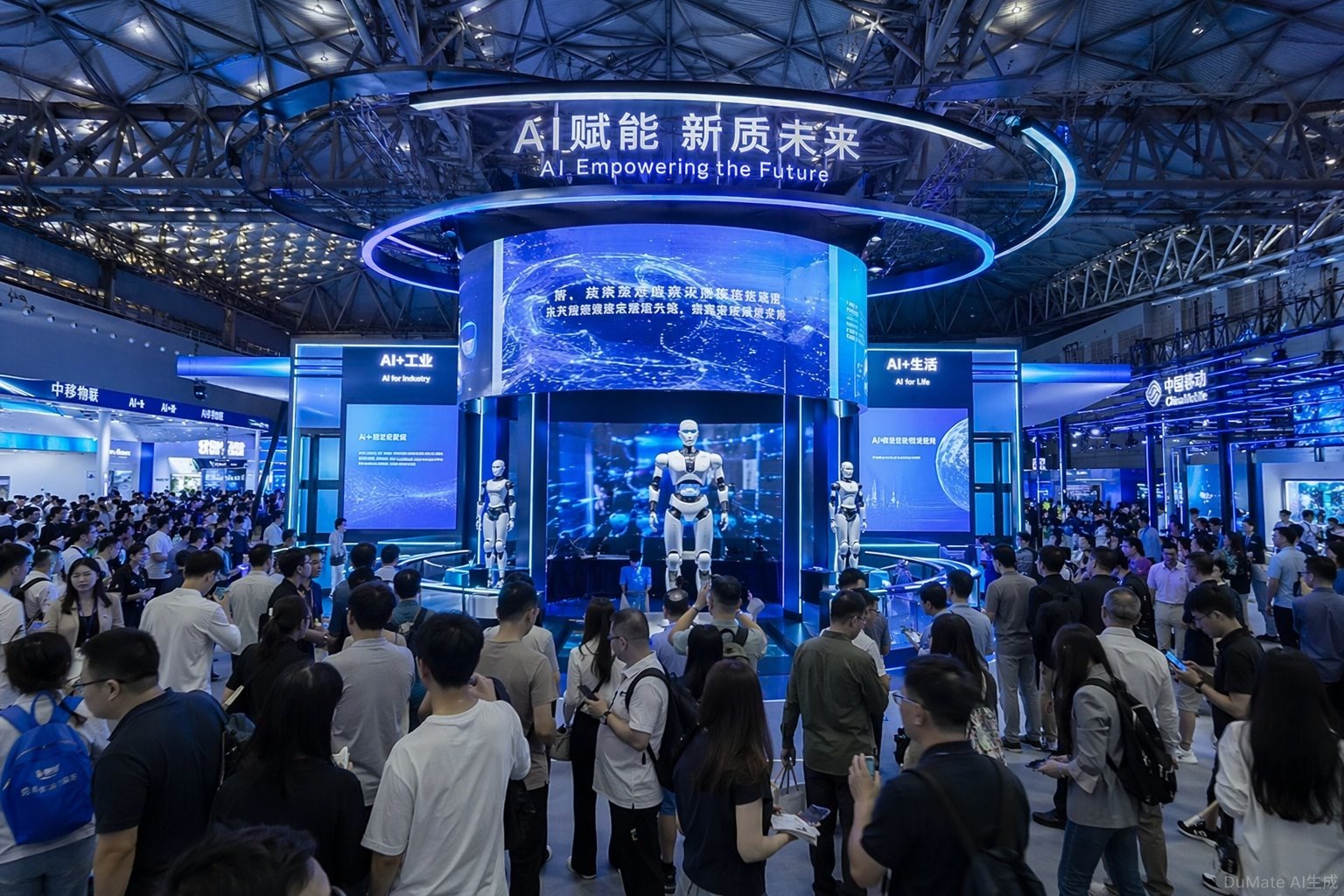
With the theme of "Intelligent Partners, Creating the Future Together", the conference focused on large models, intelligent computing centers, and industrial AI, and focused on demonstrating commercialization paths such as "AI+manufacturing," "AI+energy storage," and "AI+new energy." The World Artificial Intelligence Cooperation Organization, established at the same time, includes 29 founding members including Russia, Kazakhstan, Uzbekistan, Indonesia, Laos, Pakistan, Malaysia, Oman, South Africa, Brazil, Serbia, Belarus, Cuba, Venezuela, etc. These resource countries and emerging manufacturing markets covering Central Asia, Southeast Asia, the Middle East, Africa, and Latin America are simultaneously promoting the construction of intelligent computing clusters and the layout of local new energy and energy storage industry chains, becoming a clear incremental space for our equipment to go overseas.
Many people only see the popularity of AI, but do not delve into its underlying physical limits: algorithm iteration relies on computing power, and the expansion of computing power eats up electricity. Large-scale intelligent computing centers operate around the clock, and their power consumption per unit is comparable to that of a small city. Traditional thermal power has high costs and is subject to rigid constraints on carbon emissions, making it difficult to support the unlimited expansion of computing power. Green power (photovoltaic, wind power) has become an inevitable choice, but its intermittent and volatile nature requires an energy storage system to cut peaks and fill valleys to ensure uninterrupted power supply for intelligent computing centers. The complete chain is clearly visible - AI explosion → surge in computing power → surge in electricity consumption → green power expansion → standard energy storage. How far AI can go is essentially determined by the power infrastructure and energy storage supporting facilities.
New energy is the energy base of AI. Without green electricity and energy storage, large-scale computing power is just a castle in the air; and AI has reversely reshaped the entire new energy chain—from intelligent dispatching of power stations and energy storage system management and control to lithium battery material production and equipment operation and maintenance, comprehensively achieving cost reduction and efficiency improvement. The two strategic industries have formed an inseparable symbiotic relationship.
AI empowers grinding and goes overseas to the energy storage track
Focusing on the lithium battery material grinding equipment track, the changes brought about by the wave of intelligence are particularly specific:
1. AI optimized grinding process: instead of the traditional "old master's experience", AI adaptively adjusts the speed, flow rate, grinding time, and automatically compensates for zirconium ball wear, greatly improving the consistency and stability of lithium iron phosphate and anode slurry. The measured energy consumption is reduced by more than 30%. Smart equipment has a premium advantage in overseas quotations. 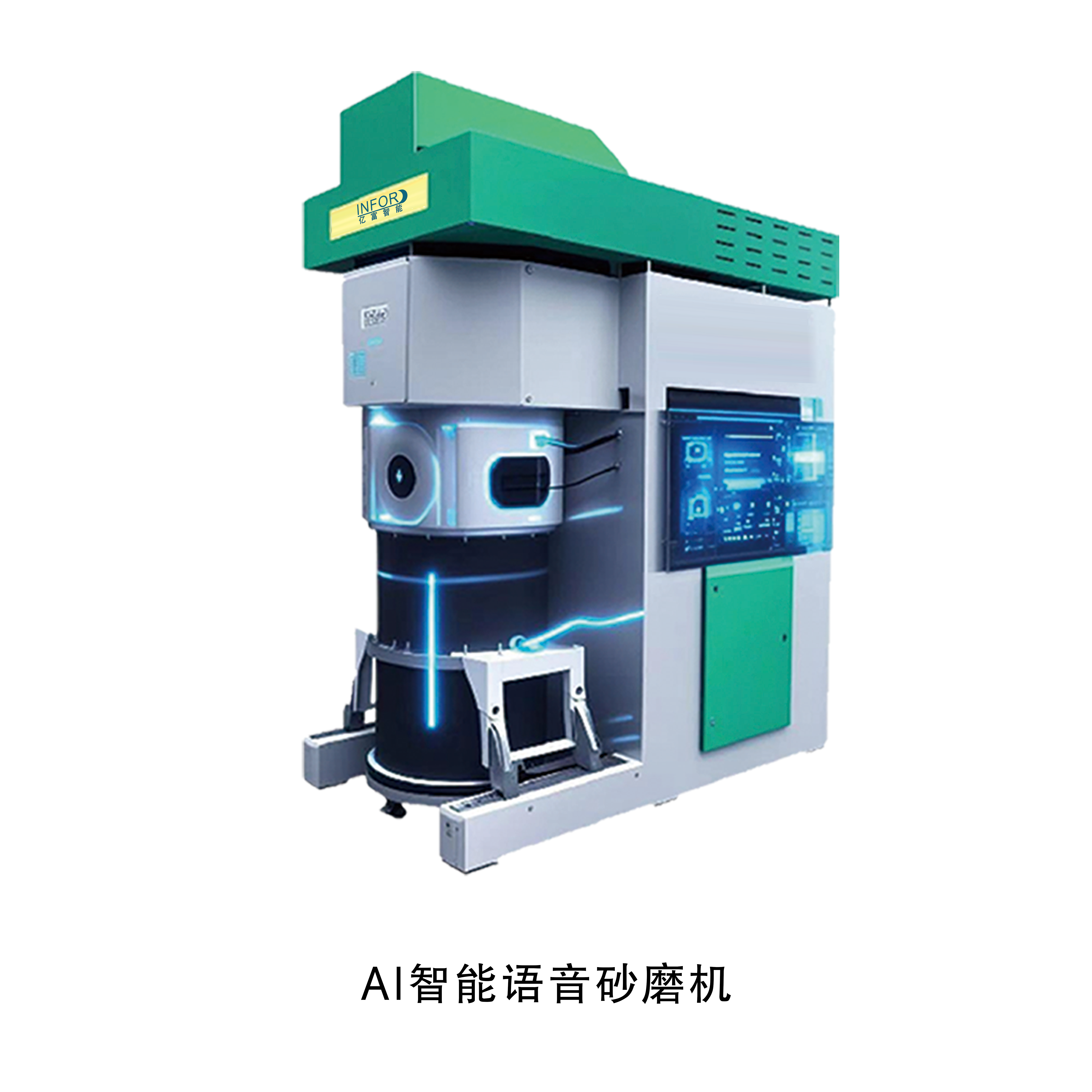
2. Predictive operation and maintenance solves the pain points of overseas after-sales: In response to the problem of slow after-sales response for overseas projects in Indonesia, Hungary, Oman and other countries, AI can predict the failure of key components such as bearings and seals in advance, avoid sudden shutdowns, significantly reduce the cost of overseas deployment, and bring the international competitiveness of our large vertical sand mills to a new level.
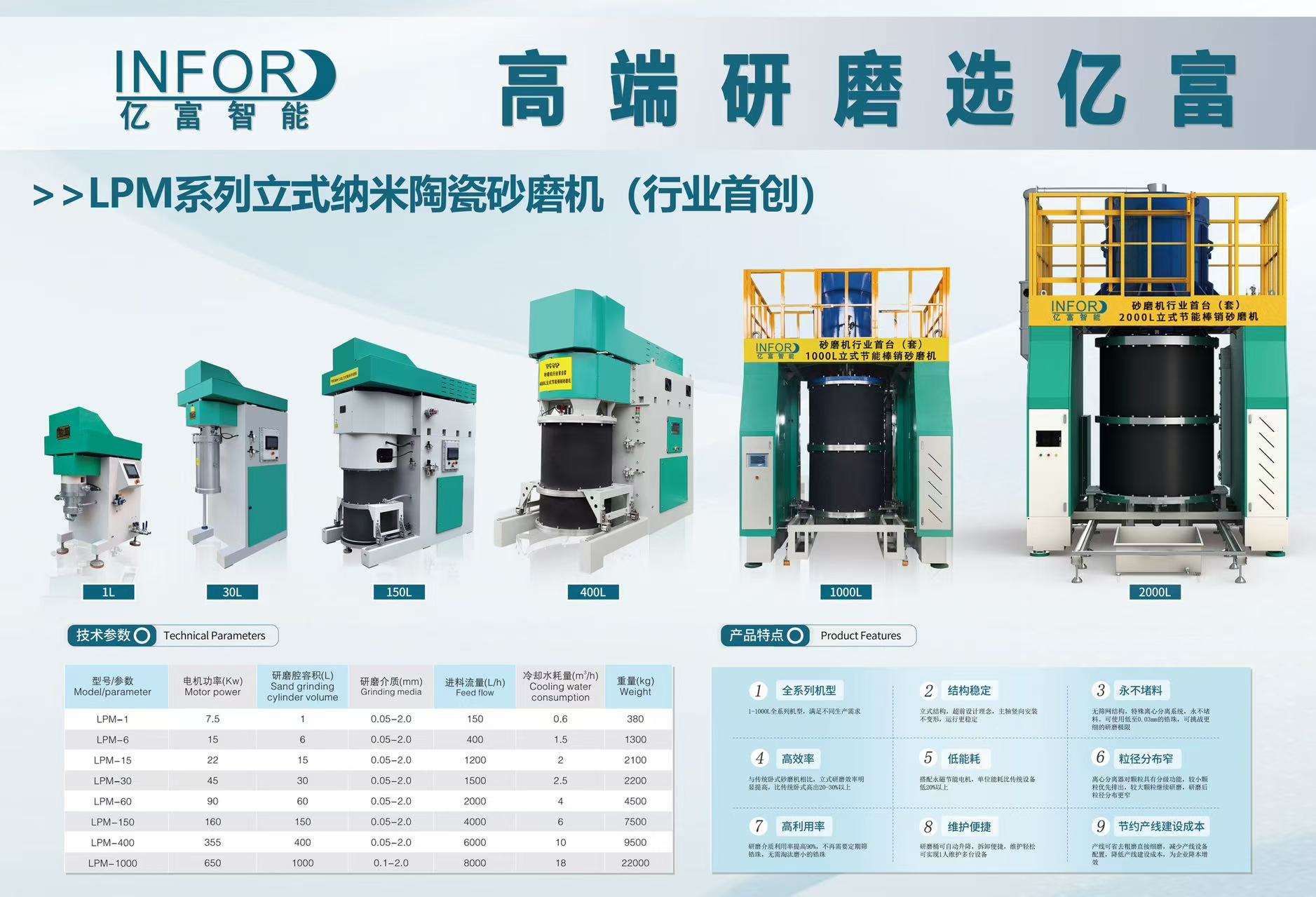
3. The expansion of energy storage production is driving demand for equipment: global energy storage orders are blowing out, and domestic and overseas material factories are investing in the construction of new production lines. Energy storage factories in Central Asia, the Middle East, and Southeast Asia are becoming a new blue ocean for grinding equipment.
4. AI big data escorts rational overseas expansion: Use AI to analyze electricity costs, environmental protection policies, and resource management and control rules in various countries, accurately screen high-quality markets, effectively avoid potential traps such as Indonesian resource restrictions and European environmental strictness, and optimize the global supply chain layout.
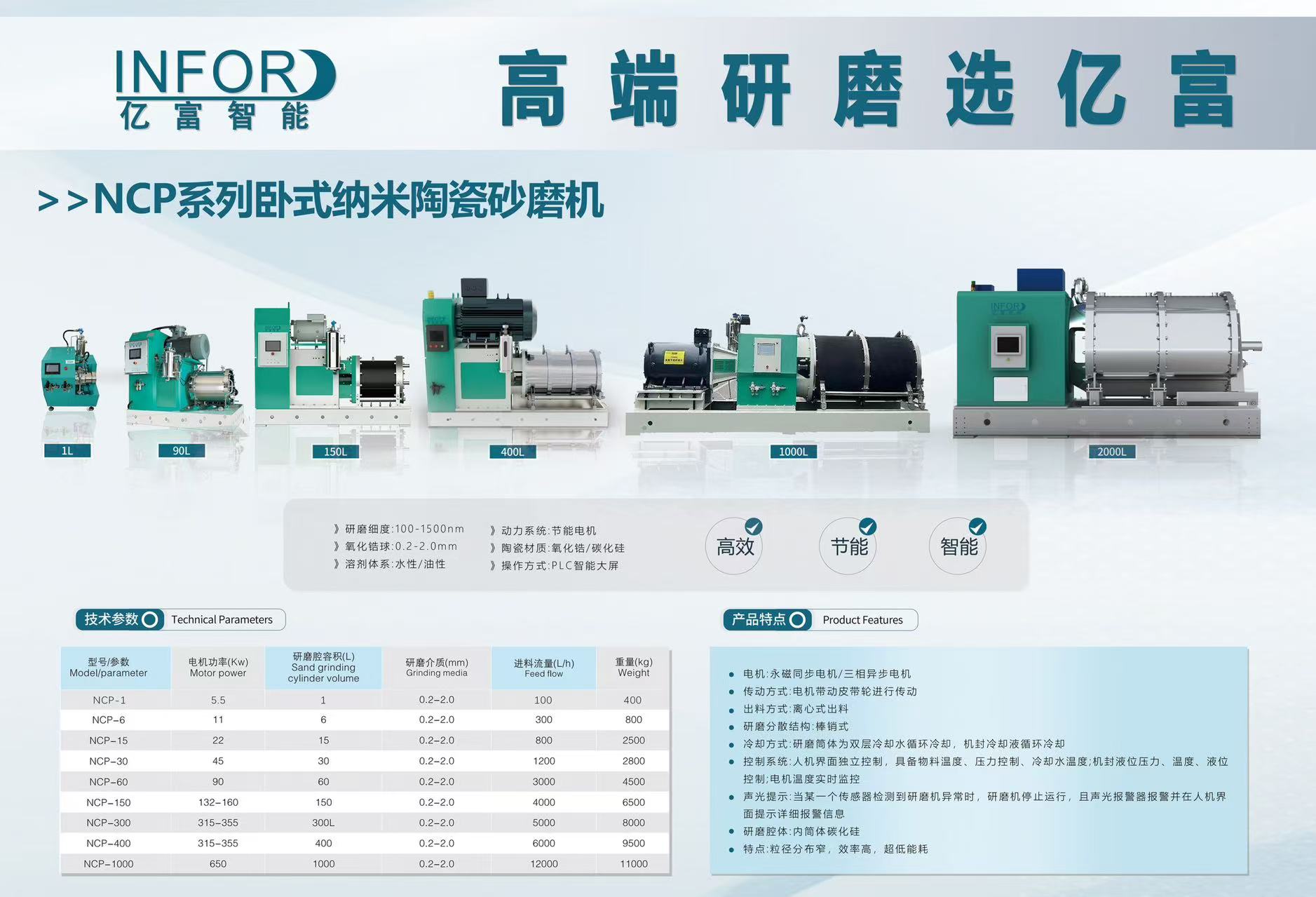
5. Intelligentization has become a "standard feature" for order taking: Whether it is domestic leading battery manufacturers, South Korea, Vietnam, Bangladesh, or even Pakistan and Kazakhstan customers in cooperative organizations, when new energy storage or power battery production lines are launched, they have made it clear that only AI intelligent production lines are selected. Traditional mechanical sand mills are gradually losing their qualifications to bid.
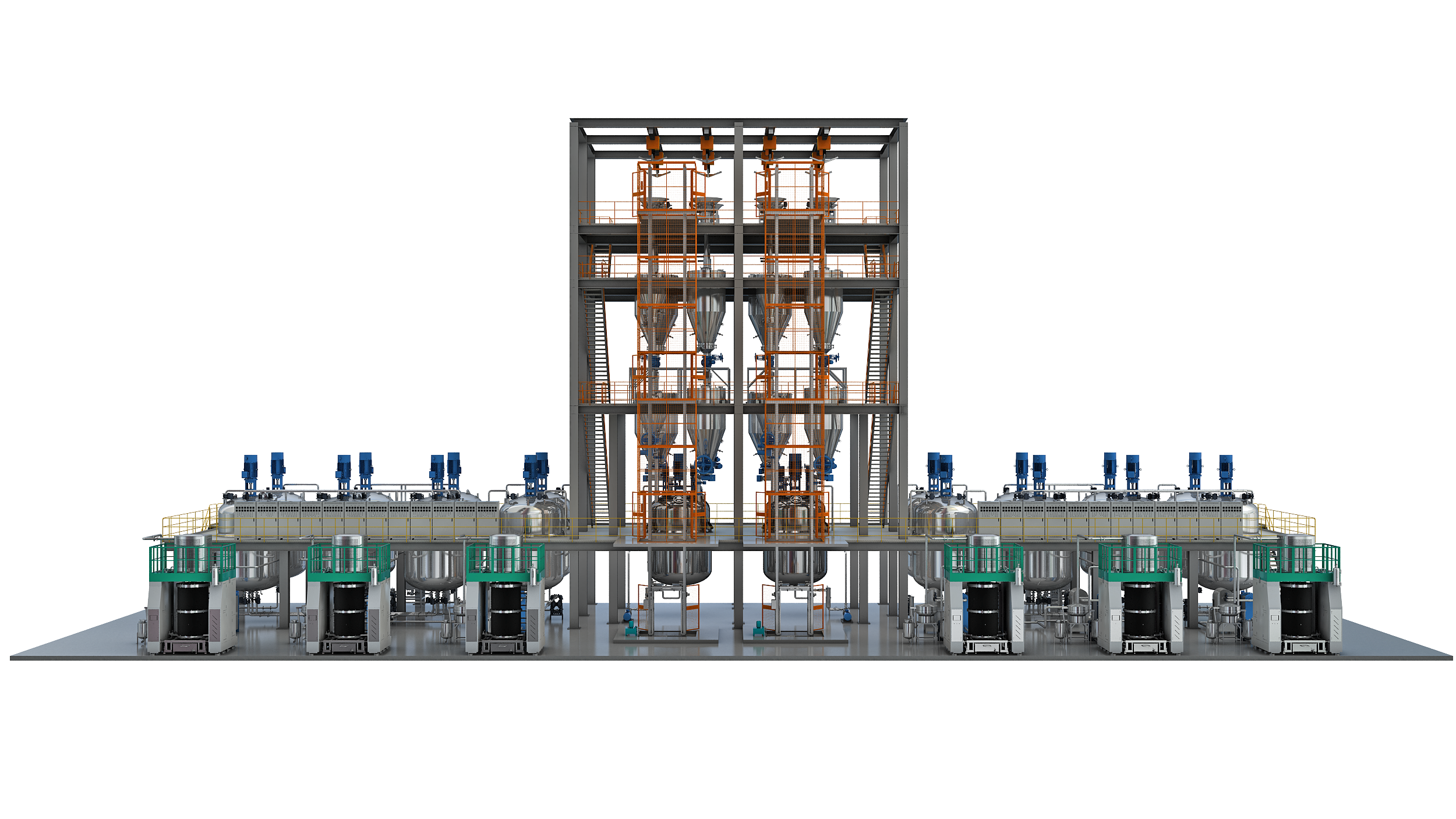
AI empowerment, seizing the energy storage and new energy track
Shanghai AI exhibition is hard to get a ticket. It is by no means a short-term traffic gimmick, but a signal of the times of industrial intelligence. In the next three to five years, "AI + energy storage + new energy" will become the core theme. The equipment industry has already said goodbye to the old logic of fighting for production capacity and fighting for low prices, and its core competitiveness has shifted to the systematic capabilities of "hardware + AI process packages". For us, integrating intelligent control and digital twins into equipment research and development is a must-answer - whether it is the domestic storage market or overseas lithium iron phosphate and energy storage projects in the United Arab Emirates, South Korea, Indonesia, and Kazakhstan, intelligent upgrades are the key bargaining chip for us to stabilize orders and stay ahead of competing products.

 English
 亿富机械
 +86-0769-85626082
 541476175@qq.com
 东莞市大岭山镇颜屋村莲颜路88号
