
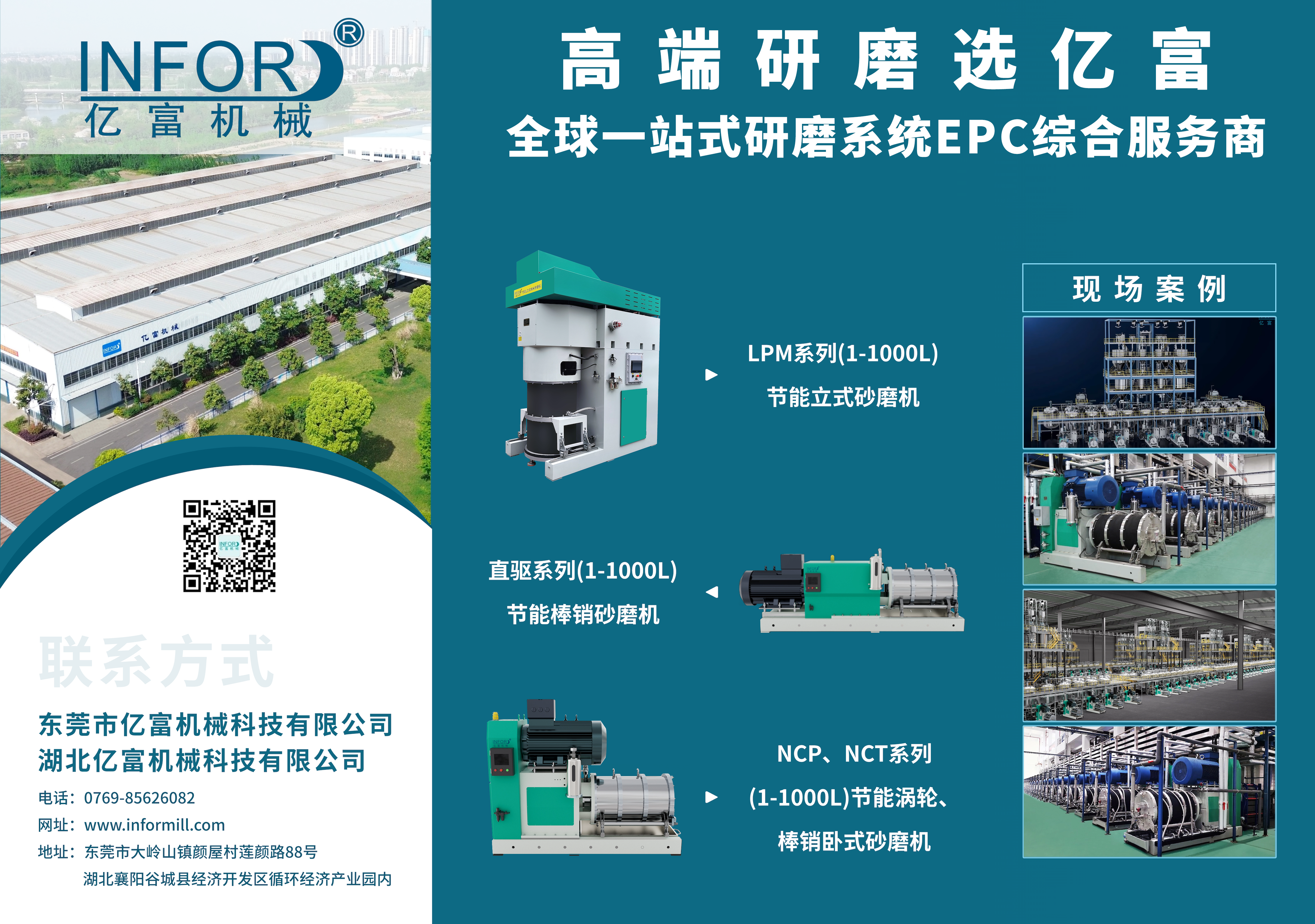
In the production process of many industries such as chemical industry and new materials, sand mill is an indispensable grinding equipment. The ceramic parts in the sand mill play a key role. But with the dazzling array of ceramic products on the market, how to make the right choice? Today, we will discuss in depth the key points of selecting ceramic parts for sand mills, so that you no longer have to worry about options!

        1. Types and characteristics of ceramic parts

Zirconia ceramic parts

Zirconia ceramic parts are one of the most widely used types of sand mills. It has high hardness, high strength and good wear resistance, and its hardness is second only to diamond. This enables the zirconia ceramic parts to withstand greater pressure and friction during high-speed grinding and is less likely to wear, thereby ensuring the long-term stable operation of the sand mill. At the same time, zirconia ceramic parts also have good chemical stability and are not prone to chemical reactions with materials, which can effectively avoid material contamination and ensure product quality.

Alumina ceramic parts

Alumina ceramic parts are also one of the common ceramic parts for sand mills. Its hardness is slightly lower than that of zirconia ceramic parts, but it has better high temperature resistance and corrosion resistance. The price of alumina ceramic parts is relatively close to the people. It is a good choice for some companies that do not have particularly high requirements for grinding accuracy and are more sensitive to costs.

Silicon carbide ceramic parts

Silicon carbide ceramic parts are known for their extremely high hardness and excellent thermal conductivity. When grinding some high-hardness materials, silicon carbide ceramic parts can give full play to their unique advantages and complete the grinding task quickly and effectively. In addition, the thermal conductivity of silicon carbide ceramics helps to dissipate the heat generated during the grinding process in a timely manner to avoid excessive temperature affecting the grinding effect and equipment life.

        2. Select ceramic parts according to grinding materials

High purity materials

If you are grinding high-purity materials, such as electronic grade materials, pharmaceutical raw materials, etc., the purity and wear resistance of ceramic parts are required to be higher. At this time, zirconia ceramic parts are the best choice. Because the purity of zirconia ceramic parts is high, it is difficult to introduce impurities, which can ensure the high purity and high quality of materials.

Common industrial materials

For some common industrial materials, such as coatings, inks, etc., alumina ceramic parts can meet the needs. It not only provides sufficient grinding effect, but also has a relatively low cost, which can save production costs for enterprises.

        高硬度物料

        当研磨的物料硬度较高时,如碳化硅、刚玉等,碳化硅陶瓷件是首选。 Its high hardness characteristics can effectively crush and grind high-hardness materials and improve grinding efficiency.

        3. Consider the size and shape of ceramic pieces

Size adaptation

The size of the ceramic parts of the sand mill must match the size of the sand mill cavity. If the size of the ceramic parts is too large, it will lead to insufficient space in the sand mill cavity, affecting the flow of materials and the grinding effect; if the size is too small, it will reduce the grinding efficiency, and may even cause the ceramic parts to collide with each other in the sand mill, damaging the equipment.

Reasonable shape

The shape of ceramic parts will also affect the grinding effect. Common shapes of ceramic parts include spherical, cylindrical, etc. Spherical ceramic parts can evenly contact the material during the grinding process, and the grinding effect is better; cylindrical ceramic parts are more suitable for some grinding processes that require strong shear force. Enterprises should select ceramic parts of appropriate shapes based on specific grinding processes and requirements.

       4. Pay attention to the manufacturer and quality of ceramic parts

Choose a well-known manufacturer

When choosing ceramic parts for a sand mill, you must choose a well-known manufacturer. Well-known manufacturers usually have advanced production equipment and strict quality control systems to ensure the stable quality and performance of ceramic parts. At the same time, well-known manufacturers can also provide comprehensive after-sales services, so that companies have no worries during use.

          View quality certification

     Quality certification is an important standard for measuring the quality of ceramic parts. When companies purchase ceramic parts, they should check whether the products have relevant quality certifications, such as ISO quality management system certification, RoHS environmental certification, etc. These certifications can prove that ceramic parts comply with international standards and environmental protection requirements and are of reliable quality.

The selection of ceramic parts for sand mills is a process that requires comprehensive consideration of many factors. When making a selection, enterprises should choose ceramic parts of the appropriate type, size and shape based on their own production needs, characteristics of grinding materials, equipment requirements, etc., and pay attention to the quality of the product and the manufacturer. Only in this way can we choose cost-effective ceramic parts for sand mills, improve the grinding efficiency and product quality of the sand mill, and create greater economic benefits for the enterprise. Don’t choose blindly anymore, quickly follow these points to choose the ceramic sand grinder that suits you! 
In the production process of many industries such as chemical industry and new materials, sand mill is an indispensable grinding equipment. The ceramic parts in the sand mill play a key role. But with the dazzling array of ceramic products on the market, how to make the right choice? Today, we will discuss in depth the key points of selecting ceramic parts for sand mills, so that you no longer have to worry about options!

        1. Types and characteristics of ceramic parts

Zirconia ceramic parts

Zirconia ceramic parts are one of the most widely used types of sand mills. It has high hardness, high strength and good wear resistance, and its hardness is second only to diamond. This enables the zirconia ceramic parts to withstand greater pressure and friction during high-speed grinding and is less likely to wear, thereby ensuring the long-term stable operation of the sand mill. At the same time, zirconia ceramic parts also have good chemical stability and are not prone to chemical reactions with materials, which can effectively avoid material contamination and ensure product quality.

Alumina ceramic parts

Alumina ceramic parts are also one of the common ceramic parts for sand mills. Its hardness is slightly lower than that of zirconia ceramic parts, but it has better high temperature resistance and corrosion resistance. The price of alumina ceramic parts is relatively close to the people. It is a good choice for some companies that do not have particularly high requirements for grinding accuracy and are more sensitive to costs.

Silicon carbide ceramic parts

Silicon carbide ceramic parts are known for their extremely high hardness and excellent thermal conductivity. When grinding some high-hardness materials, silicon carbide ceramic parts can give full play to their unique advantages and complete the grinding task quickly and effectively. In addition, the thermal conductivity of silicon carbide ceramics helps to dissipate the heat generated during the grinding process in a timely manner to avoid excessive temperature affecting the grinding effect and equipment life.

        2. Select ceramic parts according to grinding materials

High purity materials

If you are grinding high-purity materials, such as electronic grade materials, pharmaceutical raw materials, etc., the purity and wear resistance of ceramic parts are required to be higher. At this time, zirconia ceramic parts are the best choice. Because the purity of zirconia ceramic parts is high, it is difficult to introduce impurities, which can ensure the high purity and high quality of materials.

Common industrial materials

For some common industrial materials, such as coatings, inks, etc., alumina ceramic parts can meet the needs. It not only provides sufficient grinding effect, but also has a relatively low cost, which can save production costs for enterprises.

        高硬度物料

        当研磨的物料硬度较高时,如碳化硅、刚玉等,碳化硅陶瓷件是首选。 Its high hardness characteristics can effectively crush and grind high-hardness materials and improve grinding efficiency.

        3. Consider the size and shape of ceramic pieces

Size adaptation

The size of the ceramic parts of the sand mill must match the size of the sand mill cavity. If the size of the ceramic parts is too large, it will lead to insufficient space in the sand mill cavity, affecting the flow of materials and the grinding effect; if the size is too small, it will reduce the grinding efficiency, and may even cause the ceramic parts to collide with each other in the sand mill, damaging the equipment.

Reasonable shape

The shape of ceramic parts will also affect the grinding effect. Common shapes of ceramic parts include spherical, cylindrical, etc. Spherical ceramic parts can evenly contact the material during the grinding process, and the grinding effect is better; cylindrical ceramic parts are more suitable for some grinding processes that require strong shear force. Enterprises should select ceramic parts of appropriate shapes based on specific grinding processes and requirements.

       4. Pay attention to the manufacturer and quality of ceramic parts

Choose a well-known manufacturer

When choosing ceramic parts for a sand mill, you must choose a well-known manufacturer. Well-known manufacturers usually have advanced production equipment and strict quality control systems to ensure the stable quality and performance of ceramic parts. At the same time, well-known manufacturers can also provide comprehensive after-sales services, so that companies have no worries during use.

          View quality certification

     Quality certification is an important standard for measuring the quality of ceramic parts. When companies purchase ceramic parts, they should check whether the products have relevant quality certifications, such as ISO quality management system certification, RoHS environmental certification, etc. These certifications can prove that ceramic parts comply with international standards and environmental protection requirements and are of reliable quality.

The selection of ceramic parts for sand mills is a process that requires comprehensive consideration of many factors. When making a selection, enterprises should choose ceramic parts of the appropriate type, size and shape based on their own production needs, characteristics of grinding materials, equipment requirements, etc., and pay attention to the quality of the product and the manufacturer. Only in this way can we choose cost-effective ceramic parts for sand mills, improve the grinding efficiency and product quality of the sand mill, and create greater economic benefits for the enterprise. Don’t choose blindly anymore, quickly follow these points to choose the ceramic sand grinder that suits you!

