
In the field of industrial fine grinding and dispersion, zirconium beads serve as the core grinding media. With their excellent physical and chemical properties, they have become a key material for achieving efficient material refinement in lithium batteries, coatings, ceramics and other industries. Among them, the zirconium bead category represented by yttrium-stabilized zirconia beads (yttrium-zirconium beads for short) has dominated the high-end grinding scene with its near-extreme performance.
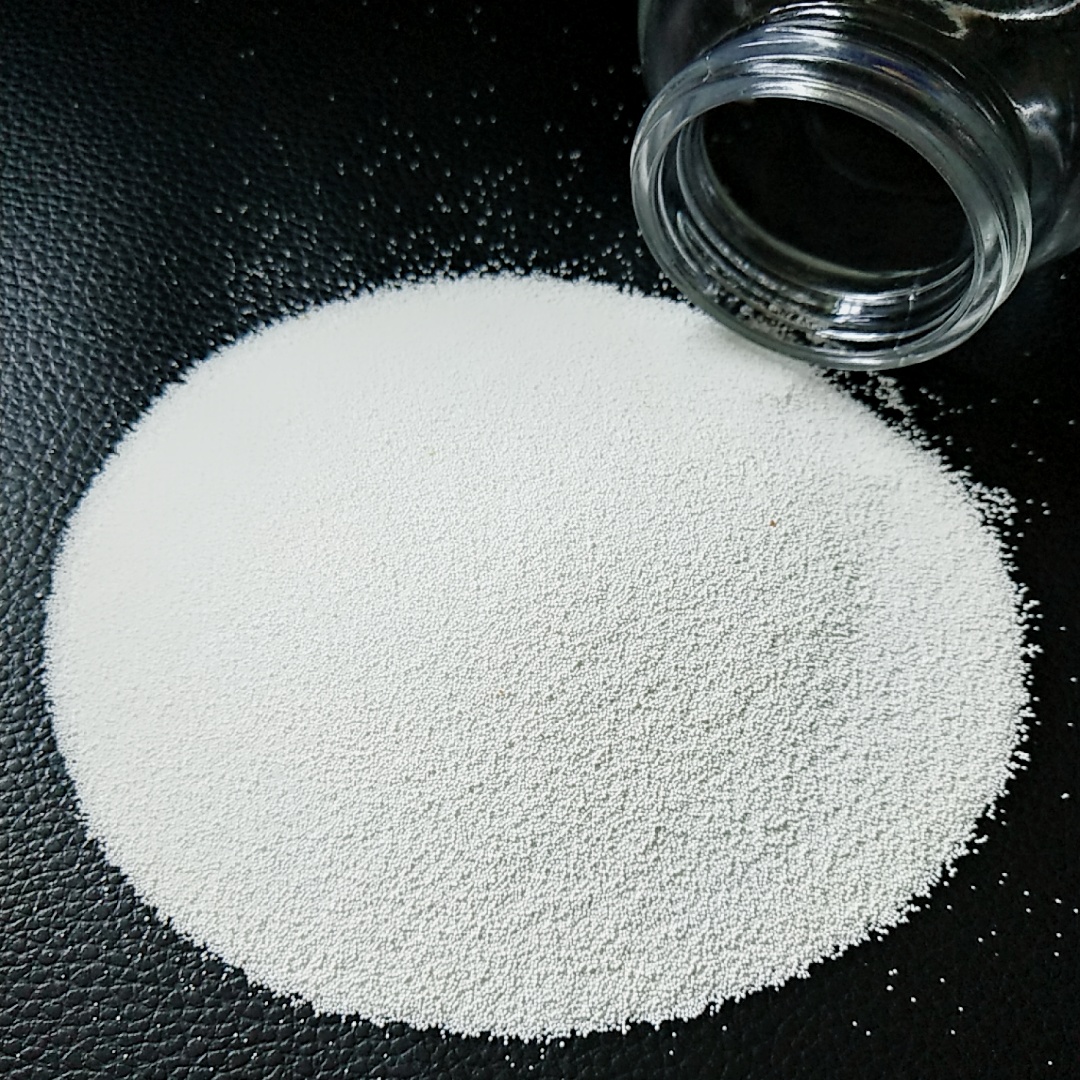
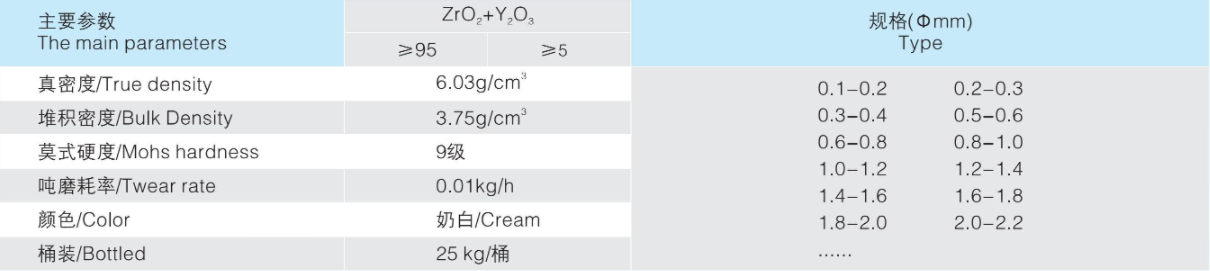
From the perspective of composition and performance, the core value of zirconium beads is determined by its composition and manufacturing process. As the "golden partner" of the sand mill, yttrium-zirconium beads have a zirconium oxide content of up to 95% and 5% yttrium oxide as a stabilizer. This ratio makes them have ultra-high hardness and excellent toughness at the same time - Mohs hardness is stable between 7-8.5. It can not only break material particles efficiently in high-speed collisions, but also minimize its own wear and avoid the introduction of impurities during the grinding process, which is crucial for the grinding of lithium battery materials with strict purity and fineness requirements.
There are various manufacturing processes for zirconium beads. Common zirconia powder processes include hydrothermal method and co-precipitation method. Zirconium bead forming processes generally include rolling method and titration method. Different manufacturing processes will affect the physical and chemical properties and quality of zirconium beads, which in turn affects their performance in grinding lithium battery materials. The performance of zirconium beads in sand mills is mainly reflected in aspects such as wear, hardness, sphericity, and consistency.
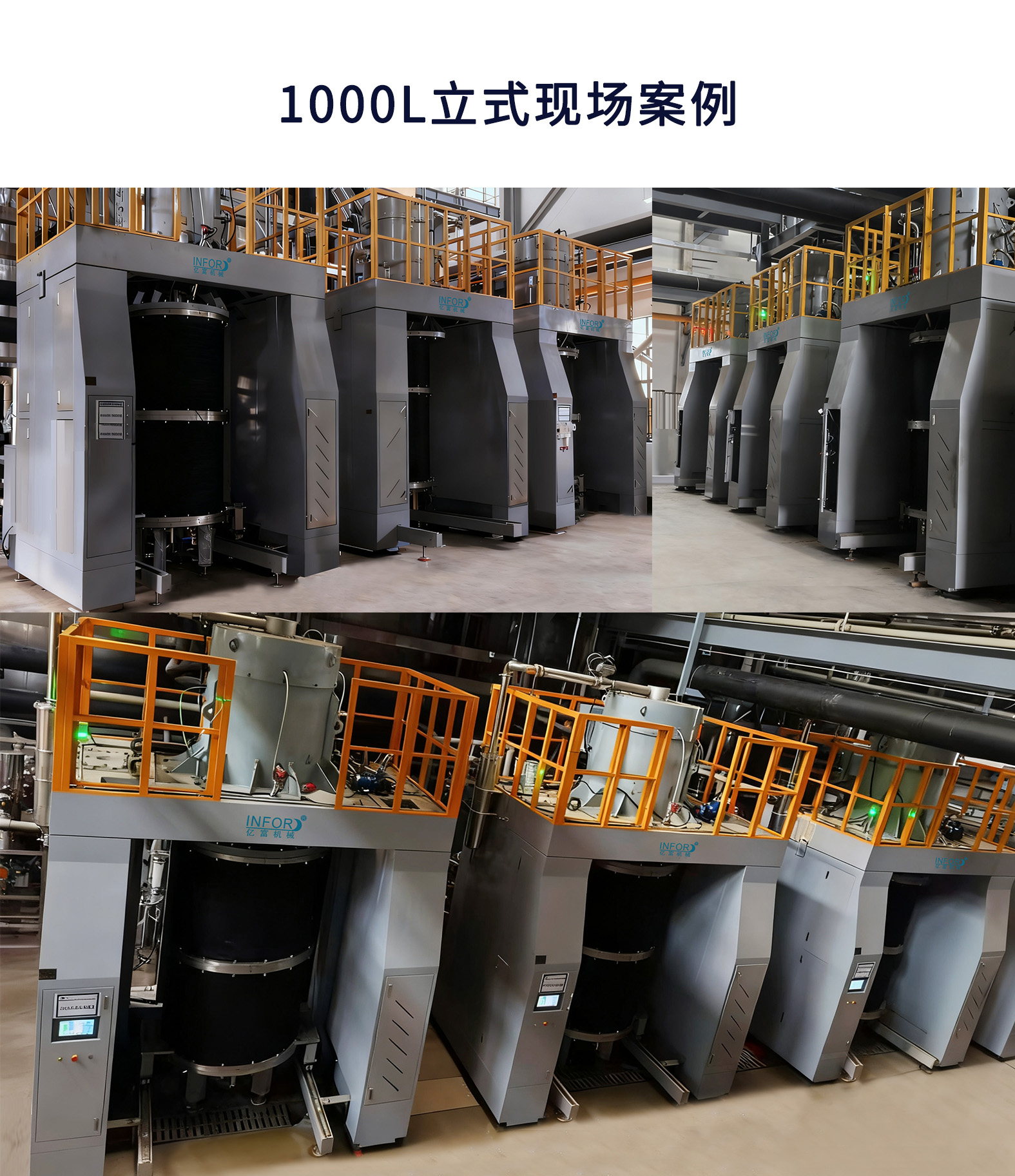
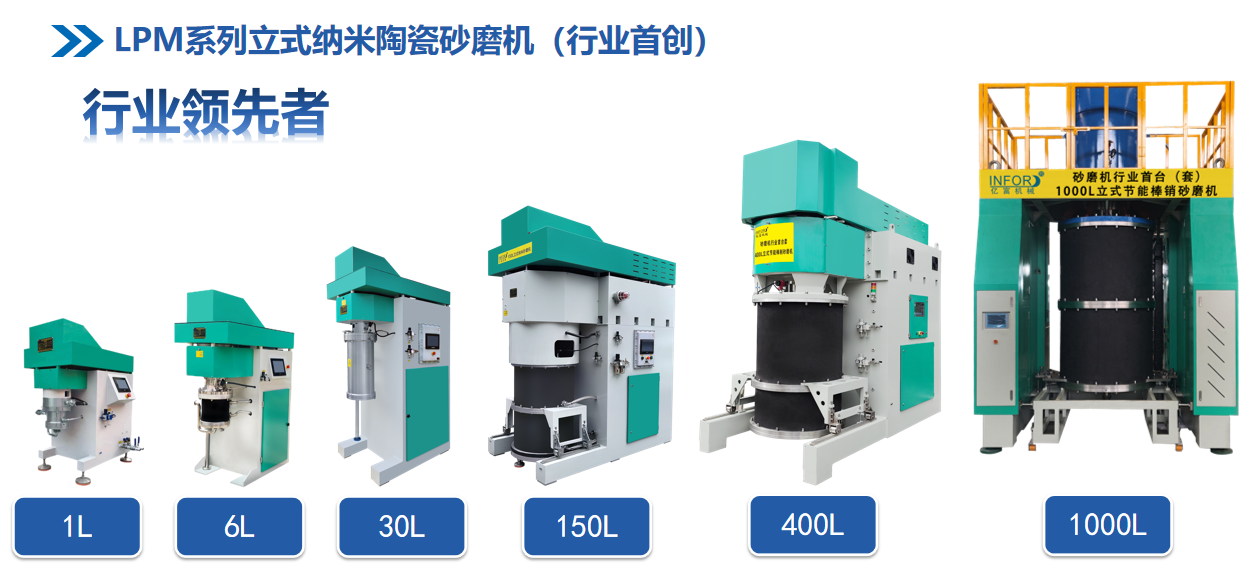
In the actual application of sand mill, the selection and filling of zirconium beads and the adaptation of equipment parameters jointly determine the final performance of the grinding system. In terms of selection, the principle of "particle size matching" needs to be followed: Ordinary horizontal sand mills commonly use zirconium beads with specifications of 0.1mm-2.0mm, while high-end equipment such as Yifu vertical sand mills can adapt to diameters as low as 0.03mm. Ultra-fine zirconium beads, and the particle size of the zirconium beads usually needs to be 1000 times the target grinding particle size. For example, when the material needs to be ground to 0.1μm, 0.1mm zirconium beads should be selected to balance the grinding efficiency and refinement effect.
The filling amount of zirconium beads in a sand mill is generally 70%-85% of the capacity of the sand mill. It can be calculated by the formula "theoretical filling amount = effective volume of grinding chamber × filling rate × specific gravity of zirconium beads" (the specific gravity of yttrium zirconium beads is usually 3.6-3.7g/cm³). If the filling amount is too low, the grinding efficiency will decrease, and if it is too high, the equipment load and zirconium bead wear may increase.

More importantly, the sand mill and zirconium beads form a "cooperative working system": the hardness and wear characteristics of the zirconium beads determine the grinding limit of the sand mill, and the sand mill's speed, flow rate, pressure and other parameters must be adjusted according to the characteristics of the zirconium beads - for example, when using high-hardness yttrium-zirconium beads, the speed can be increased appropriately to improve grinding efficiency; if low-hardness zirconium beads are used, the speed needs to be reduced to reduce wear. On the contrary, daily maintenance of the sand mill (such as regularly cleaning the grinding chamber and checking the wear of the dispersion disk) can also extend the service life of the zirconium beads and avoid uneven stress on the zirconium beads and an increase in the breakage rate due to equipment failure.
Zirconium beads are not a simple "grinding consumable", but a core component deeply bound to the sand mill. In industrial production, only by scientifically selecting zirconium bead types, accurately controlling the filling amount, and matching optimal equipment parameters based on material characteristics, grinding targets, and equipment models can the performance of the sand mill be fully utilized and efficient, stable, and low-loss fine grinding production be achieved.

 English
 亿富机械
 +86-0769-85626082
 541476175@qq.com
 东莞市大岭山镇颜屋村莲颜路88号
