
A few days ago, we dismantled South Korea's high-end barriers, Indonesia's resource explosive power, and the policy-driven huge market of the United States; today we turn our attention to the Middle East - a country that is being rediscovered by the global lithium battery industry chain: Oman.
When many people talk about new energy in the Middle East, they subconsciously think of Saudi Arabia’s “Vision 2030” or Masdar City in the United Arab Emirates. However, Oman is quietly emerging as a “new hub” for lithium battery materials and energy storage manufacturing in the Middle East by virtue of a unique and differentiated path—the geographical location of the Strait of Hormuz + the “zero tariff” policy of the free zone + the cost depression of green electricity. Below, we use the consistent "eight-dimensional framework" to explain the true face of the Oman market at once.
1. Basic geography: guarding the energy throat and sitting on two "industrial enclaves"
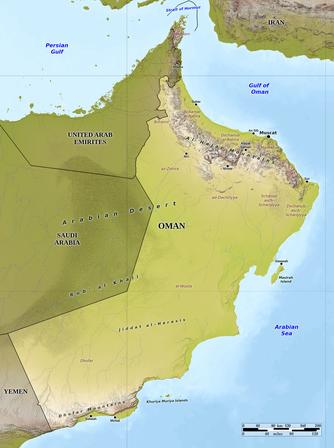
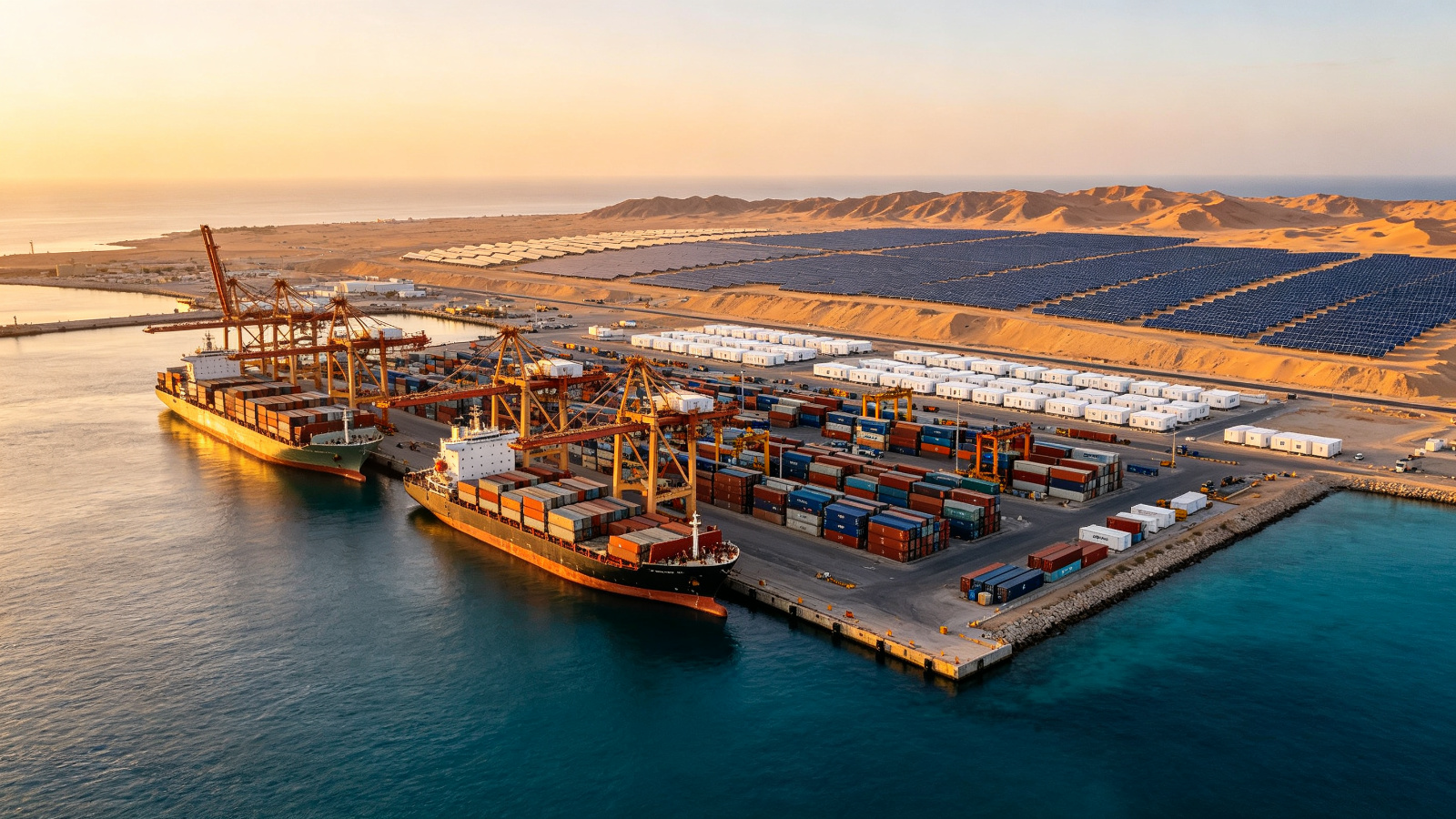
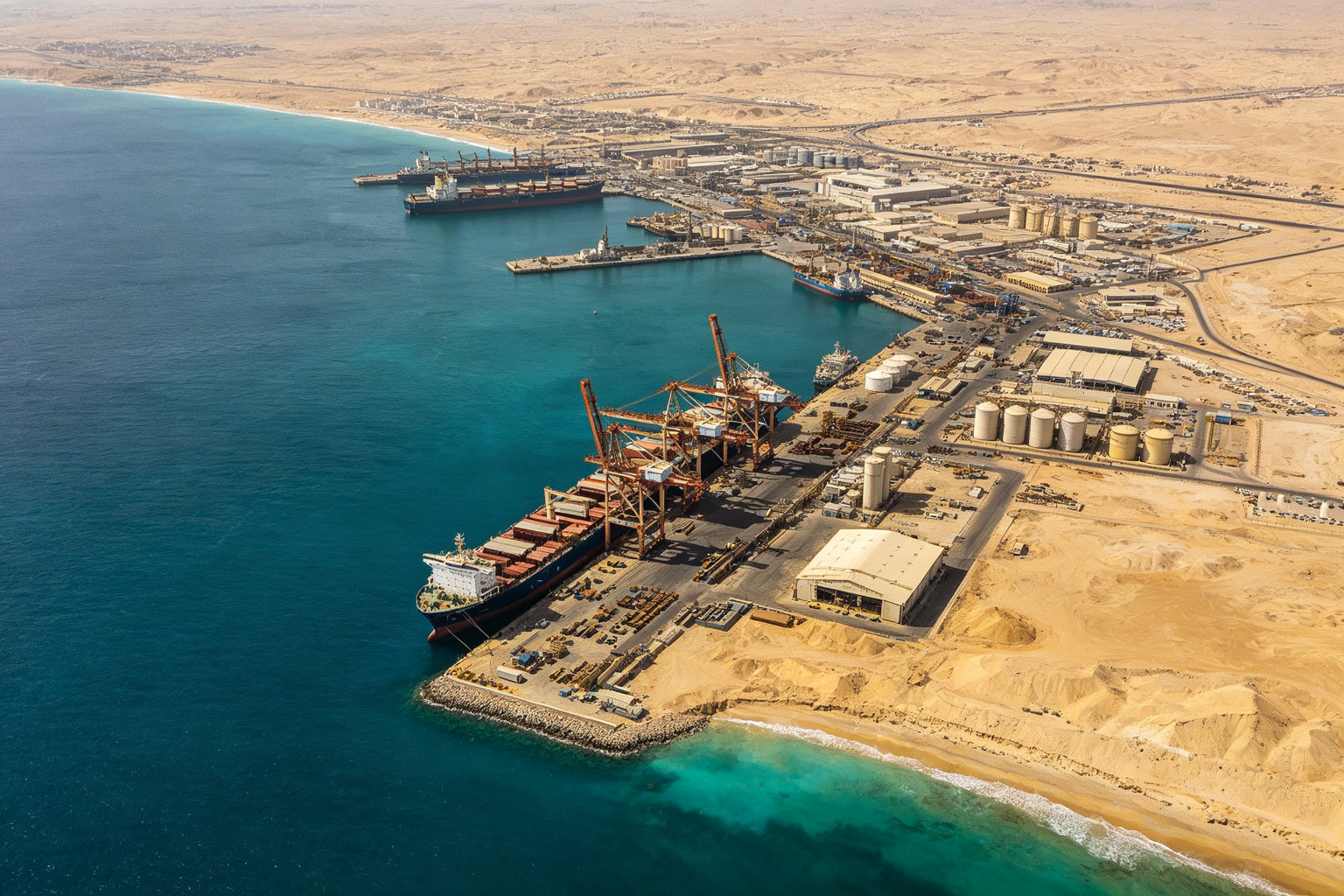
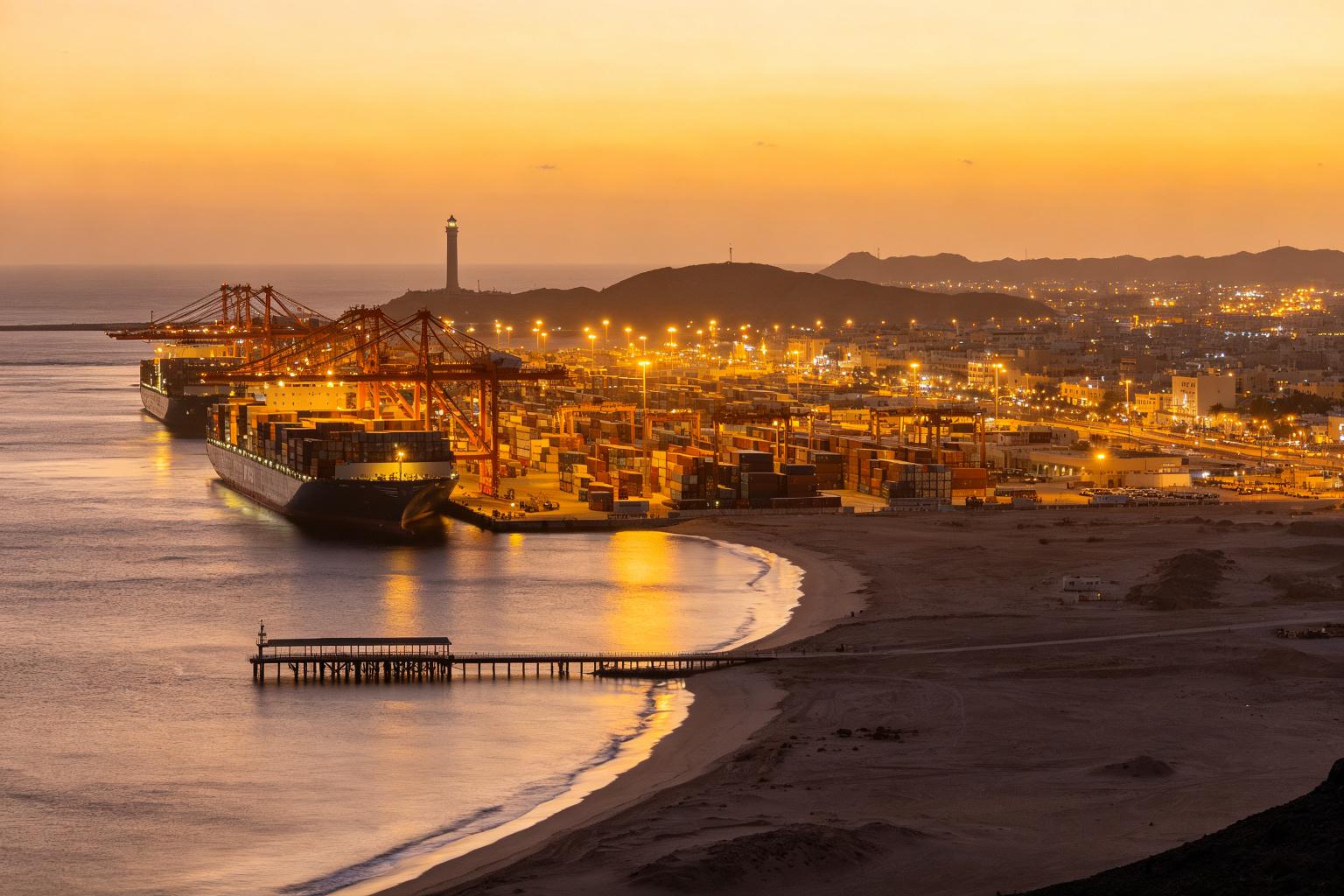
Oman is located at the southeastern tip of the Arabian Peninsula, bordering the Gulf of Oman to the north and the Arabian Sea to the east. The Musandam enclave in the north is guarding the Strait of Hormuz, the world's busiest oil transportation channel. The strategic value of shipping is self-evident. The land area is about 309,500 square kilometers. Although it is dominated by tropical desert landforms, there are two deep-water ports, Sohar Port and Duqm Port, along the coast. The supporting Sohar Free Zone and Duqm Special Economic Zone have built complete industrial land, power grids and desalination infrastructure, providing "plug and play" hardware conditions for the implementation of large industries.
2. Population and population structure: International employment is the main focus, and project execution relies on external brains
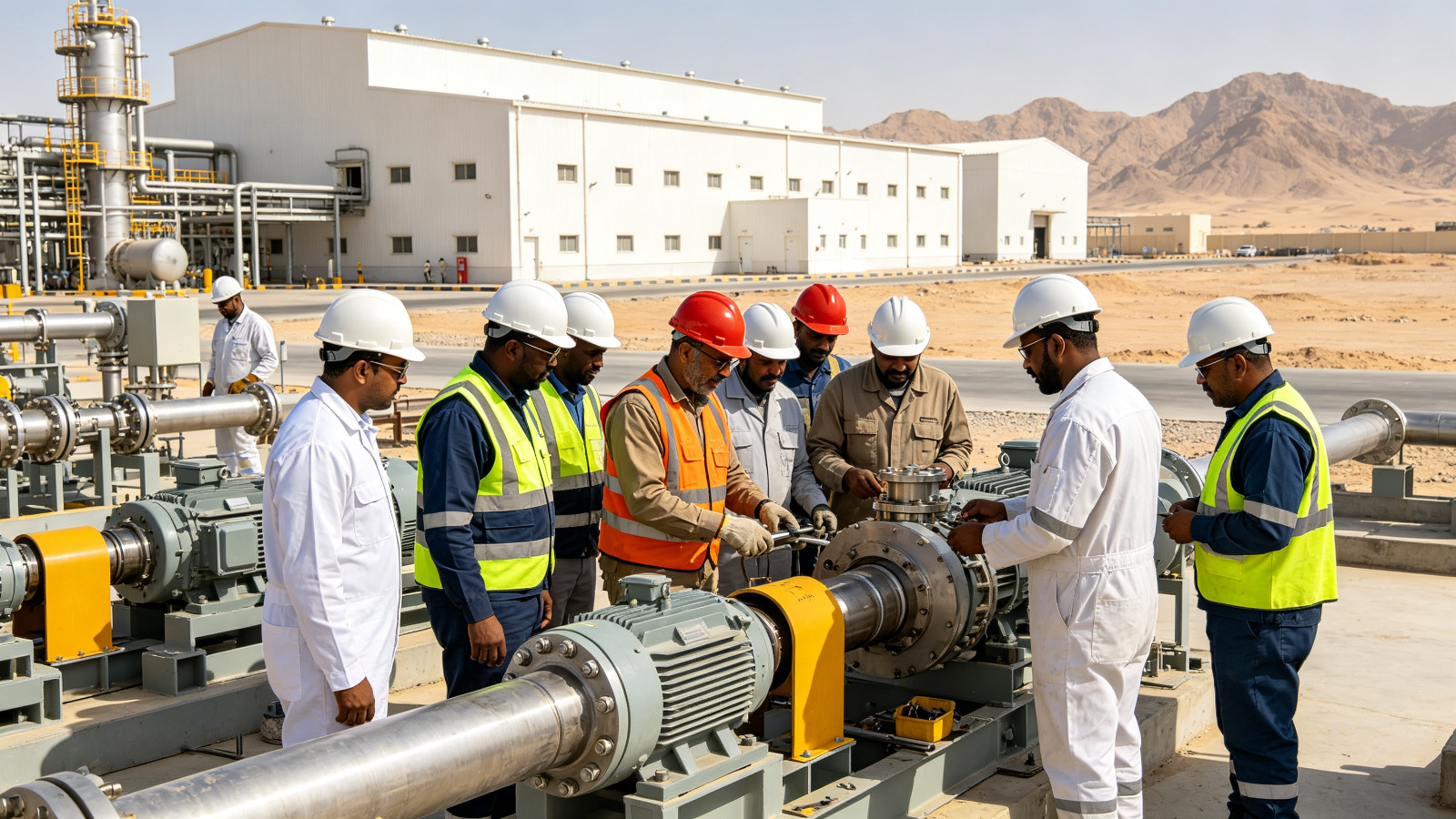
Oman has a total population of approximately 5.36 million, of which foreign workers account for 43%, mainly from India, Pakistan, Bangladesh and Southeast Asian countries. The religious culture is dominated by Islam, and the social order is stable. The population is geographically highly concentrated in the Muscat-Sohar-Duqm coastal industrial corridor, and the supply of local young labor is limited. Therefore, large-scale new energy engineering projects generally adopt the "international management team + multinational industrial workers" model - which means that for Chinese equipment companies going overseas, the ability to collaborate across countries in on-site installation, commissioning and after-sales service is itself an invisible competitiveness.
3. Economic data: high income background, abundant funds for transformation
Oman's nominal GDP in 2025 is approximately US$86 billion, and its per capita GDP ranks among the top of the Gulf countries. It is a high-income non-OECD economy defined by the World Bank. Finance has long relied on oil and gas exports (crude oil and natural gas account for about 60% of total exports), but in recent years, fluctuations in international oil prices have forced the country to accelerate reforms. "Oman Vision 2040" lists renewable energy, green manufacturing and logistics hubs as three strategic pillars. The government has allocated special budgets for photovoltaic, wind power and grid-level energy storage projects. Project funds are endorsed by government sovereign funds or international multilateral financial institutions. The payment capacity is strong and the certainty of repayment is much higher than that of most emerging markets.
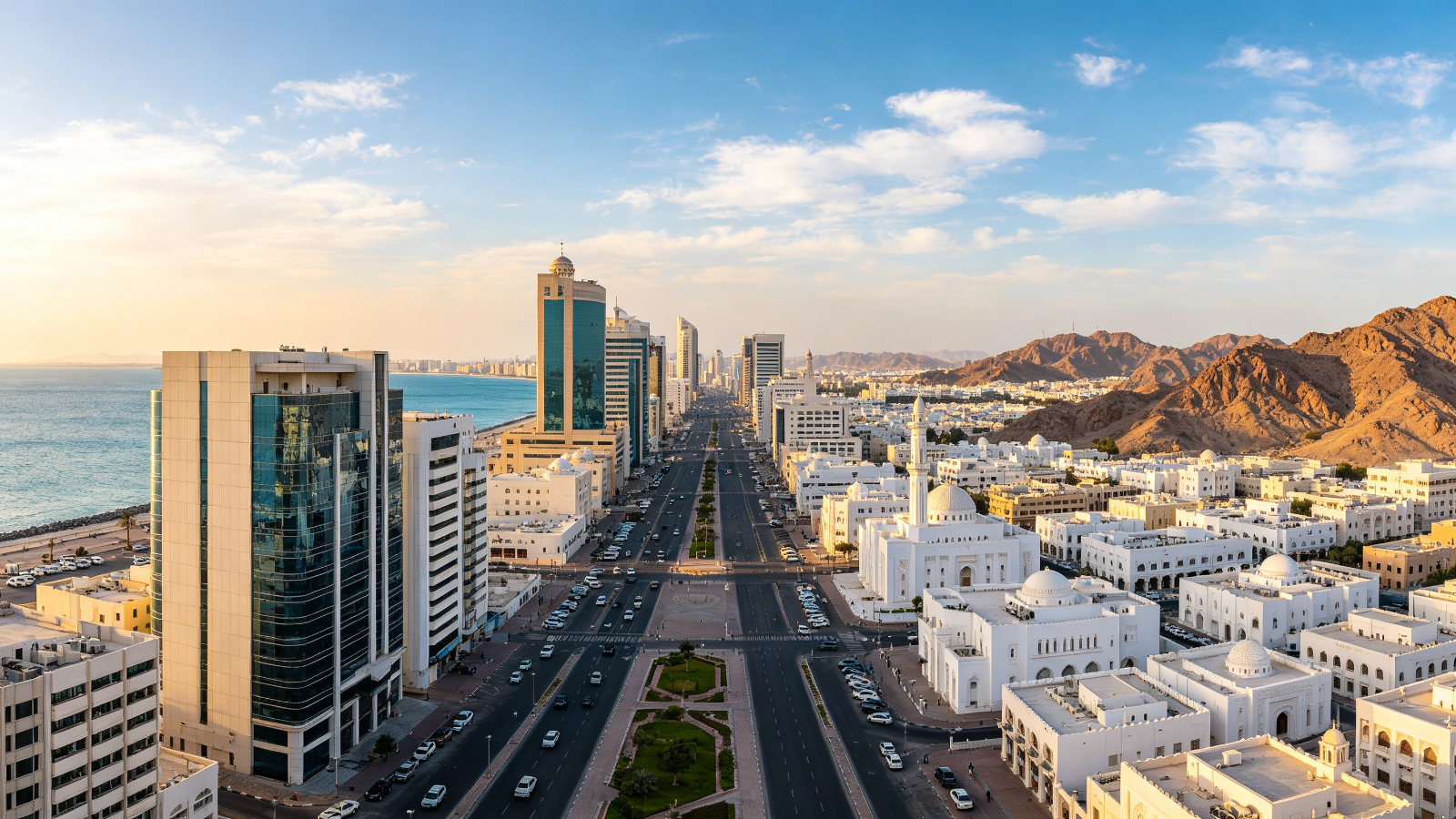
4. Industrial foundation and industrial characteristics: There are no minerals, but "policy + energy" is used to create an industrial chain
Oman's industrial logic is very special - it does not rely on local lithium resources, but uses location, electricity prices and institutional dividends to create an energy storage supporting ecosystem "out of nothing".
· Core advantages:
· Port + Free Trade Zone: Duty-free import of raw materials and equipment, corporate income tax as low as 0~5% (depending on industry category);
· Global low industrial electricity prices (about 0.04~0.05 US dollars/kWh), suitable for high energy consumption links such as negative electrode graphitization;
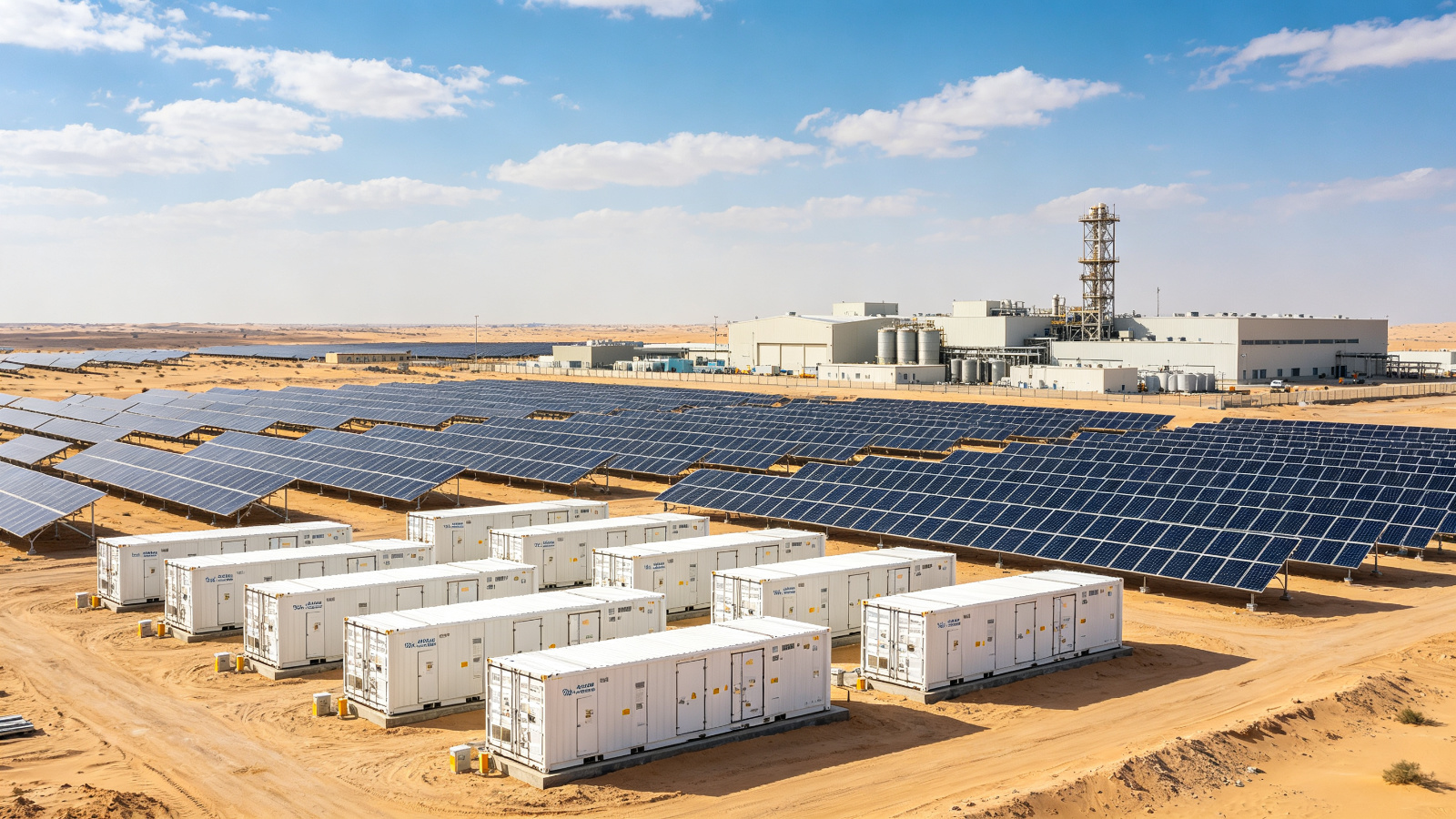
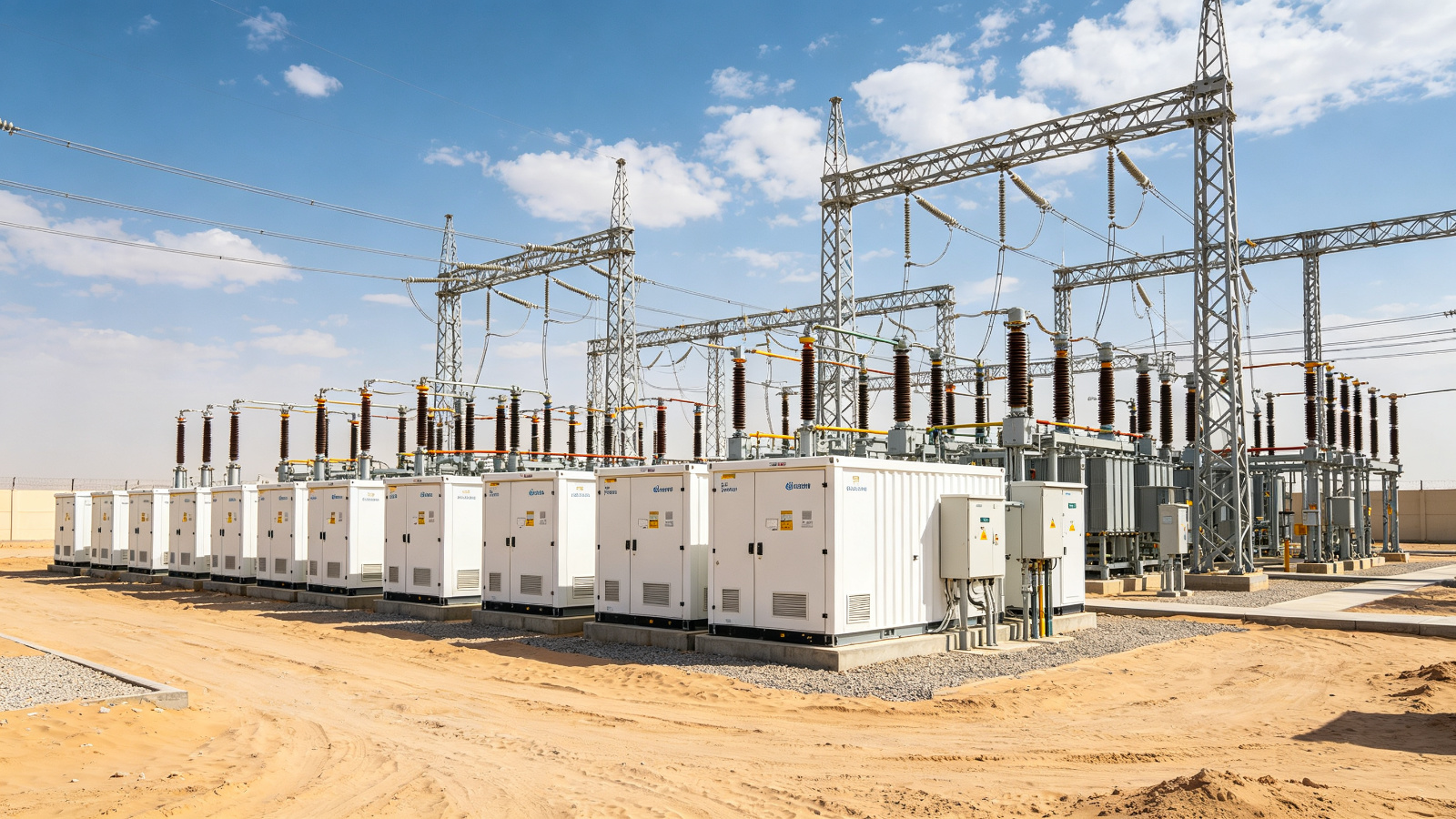
· National-level optical and storage projects have entered an intensive bidding period. In 2026 alone, the installed capacity of large-scale energy storage under construction and planning will exceed 2.5GWh. The demand for grid-side frequency modulation and optical and storage integration continues to increase.
· Benchmarks that have been implemented: Zhongke Star City has built an anode material base in Sohar, CATL, Enel Green Power, etc. are involved in large-scale wind and solar storage general contracting; BYD, Sungrow, Tesla, etc. are actively bidding for Oman’s public utility-level energy storage projects.
· Realistic shortcomings:
· There are almost no local lithium, nickel, cobalt, and graphite minerals, and upstream refining and precursors are highly dependent on imports;
· There are very few talent reserves for fine powder processing, high-nickel cathode sintering, electrochemical testing and other links, and core equipment and process control software are basically all outsourced;
· The current industry focus is on anode supporting and energy storage system integration, and there is no plan for large-scale local manufacturing of battery cells. This leaves a clear window for powder grinding, drying, grading, coating and environmentally friendly recycling equipment.
5. Lifestyle habits: "Long-termism" business experience under a slow pace
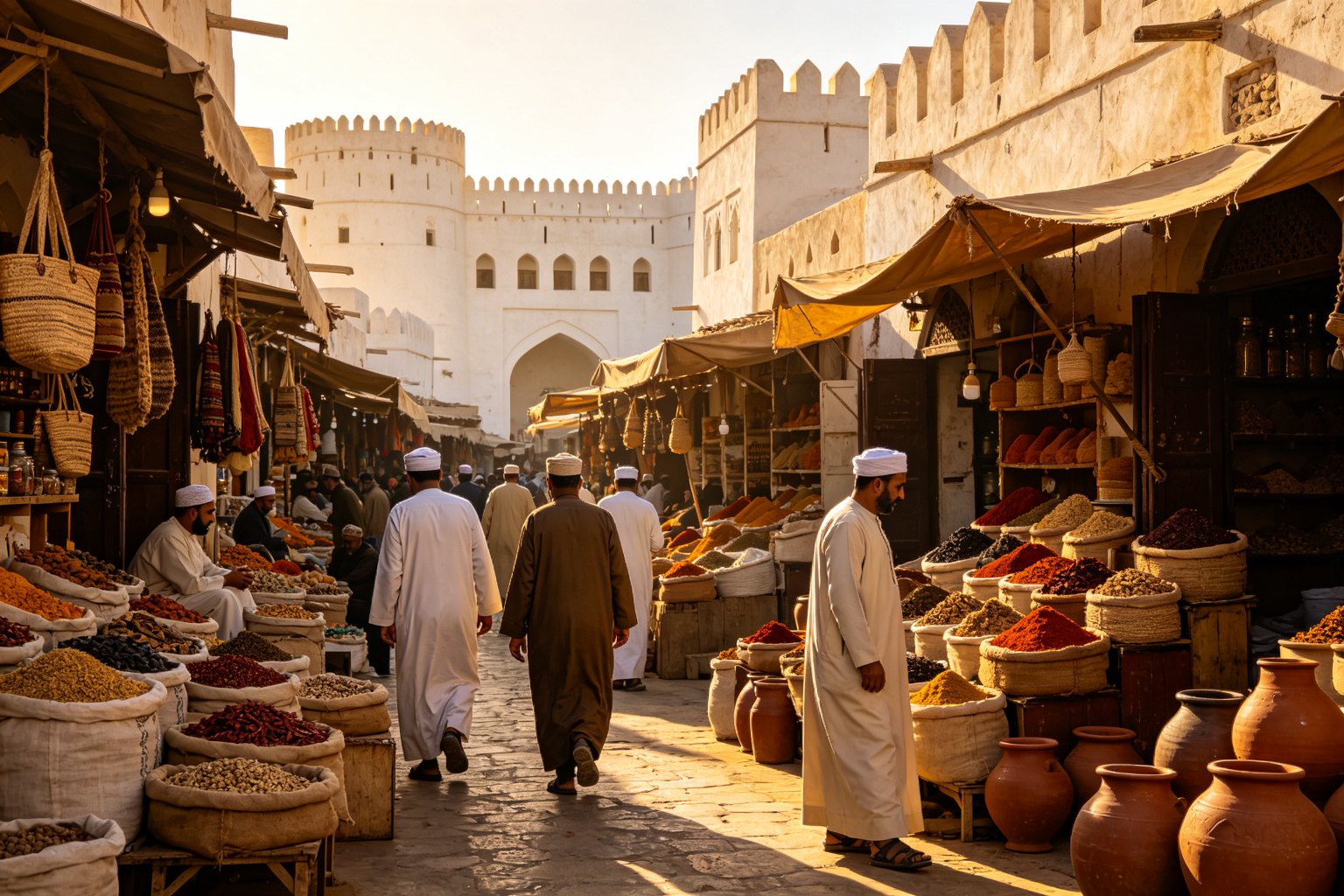
Omani society follows Islamic culture, and business etiquette focuses on the order of dignity, face, and trust accumulation. The pace of meetings is significantly slower than in East Asia, and the decision-making cycle often requires multiple rounds of high-level face-to-face communication. The endorsement of "key people" from government ministries, park management committees, and national energy companies is crucial. At the same time, there is a clear distinction between public and private affairs, and environmental impact assessment reports, legal compliance, local agent authorization, and social responsibility commitments are all indispensable. Price is not the first decision variable - customers are more interested in whether you have successful cases in the Middle East, whether your equipment can operate stably in a 50°C high temperature + high salt spray environment, and whether your team is willing to stay onsite for long-term service.
6. Business characteristics (focus on going overseas: essential differences from South Korea/Indonesia/the United States)
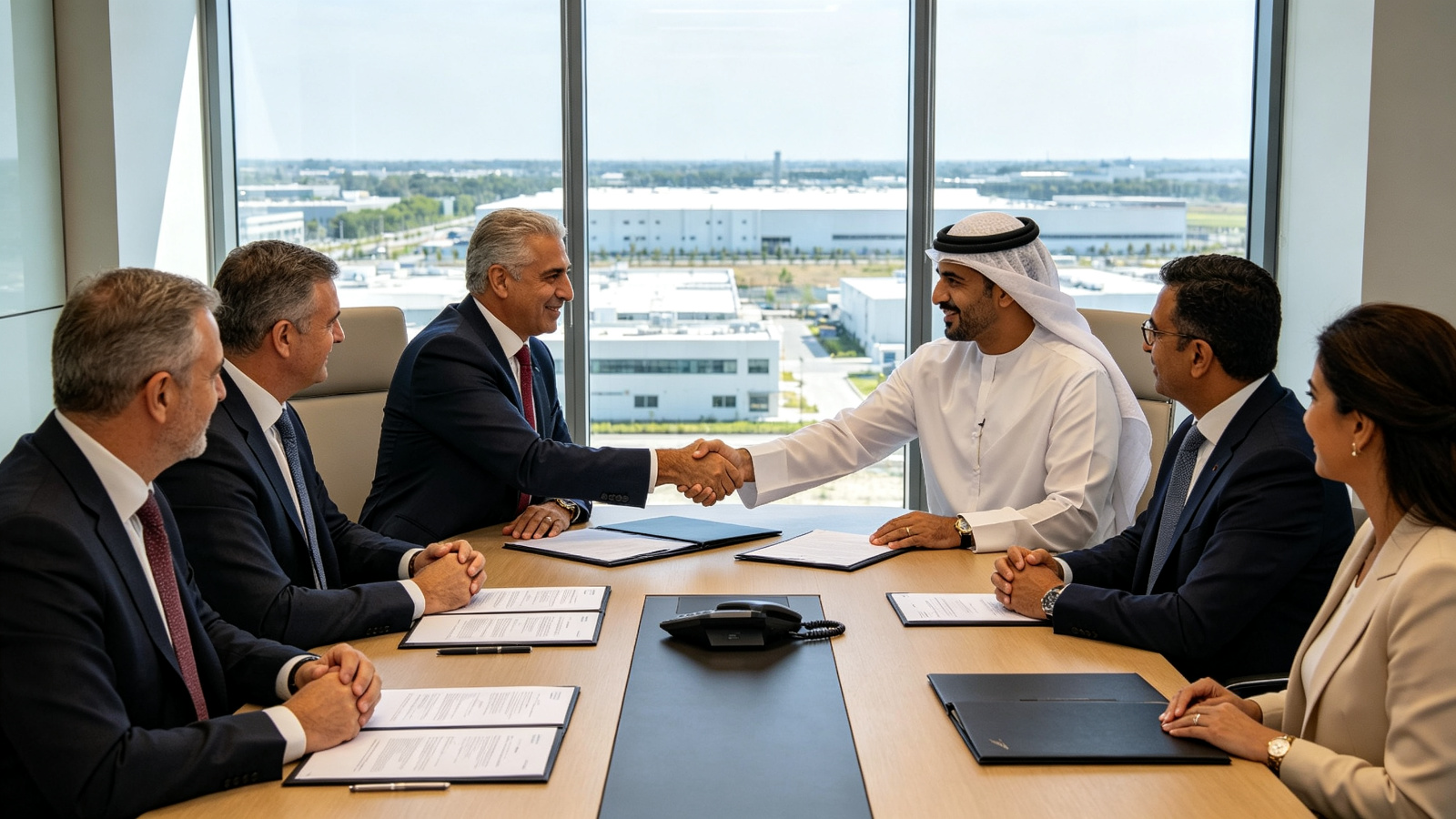
1. Government and enterprise channels > Market sales: The sources of Oman projects mostly come from the Ministry of Energy and Mines, the Duqm Special Administrative Region Government, and Nama Group (State Grid). It is much more efficient to first get the park settlement agreement or government MoU than visiting customers one by one - this is completely different from the United States' model that relies on UL/ISO certification and Indonesia's model that relies on private consortium connections.
2. Local agents are “admission tickets” rather than “middlemen”: Environmental impact assessment, fire protection, labor, customs clearance and other aspects must be signed by a local agent holding a license from the Ministry of Commerce and Industry of Oman. An experienced agent with deep connections with the government can shorten the admission cycle from 8 months to 3 months.
3. The verification logic is extremely pragmatic: Omani customers are not keen on concept PPT. They need to see actual measured data under the same climate conditions - such as the cooling efficiency of grinding equipment in a continuous 45°C environment and the corrosion protection level of anode production lines in humid seaside conditions. Whoever completes the third-party certification of "Desert High Temperature Stability" first will get the highest score in the technical standard.
4. Free trade zone policy dividends go hand in hand with environmental pressure: Sohar and Duqm allow duty-free import of raw materials and free remittance of profits. However, in the past two years, carbon emission monitoring, solid waste recycling, and water treatment standards have rapidly aligned with the EU. Equipment suppliers need to be equipped with closed-loop cooling, dust recovery, and anti-corrosion coating solutions in advance.
5. Fund security and rigorous contracts: Most energy projects are EPC general contractors or government direct procurement, with clear payment nodes. However, performance guarantees (usually 10% to 20% of the contract amount), warranty deposits (5% to 10% extended for 2 years) and delay penalty terms are extremely strict, and legal and insurance pre-requisites are compulsory courses.
7. Core players in Oman’s new energy landscape & industrial chain enterprises
· Pioneers of Chinese investment: Zhongke Xingcheng (Sohar anode integrated base), CATL (participating in equipment supply for multiple optical storage projects), Envision Energy (wind power + energy storage solutions), Sungrow (bidding for inverters and energy storage systems).
· Local national power: Nama Group (in charge of the national transmission and distribution network and future energy storage dispatch), Invest Oman (a national investment promotion agency that can provide one-stop coordination of land, environmental impact assessment, and employment).
· International leading players: Tesla Megapack, BYD Energy Storage, Enel Green Power, French ENGIE, etc. are all vying for large-scale solar energy storage independent power producer projects.
· Supporting demand direction: ultra-fine crushing and shaping equipment for negative electrode production lines, wet grinding and grading systems, high-temperature refractory materials for graphitization furnaces, battery disassembly and recycling crushing production lines - there is currently almost no local supply in the above fields, and Chinese equipment manufacturers have significant cost-effectiveness and delivery speed advantages.
8. Market summary: Oman is not a "big and comprehensive", but a "precise and stable" springboard for the Middle East
Oman is a "growth" hub market with the triple dividends of location + energy + system, strong demand for optical and storage, and the industrial chain is still in its early stages.
It does not rely on mining, but relies on ports and electricity prices to attract high-energy-consuming material links; it does not pursue 100 GWh battery cell production capacity, but focuses on energy storage integration and anode/recycling supporting facilities, following the route of "small but specialized, stable and precise". For Chinese equipment and materials companies, Oman may not have the largest single order volume, but it has healthy profit margins, reliable payments, and customer relationships that last for many years once established—it is very suitable as a "test field" and "model room" to enter the Middle East and even East African markets.
Finally share one of our own actual combat nodes:
We, Yifu Intelligent, have successfully implemented a 60,000-ton lithium iron phosphate cathode material project in Oman. From process design, equipment delivery to on-site commissioning, the entire process has gone through the entire chain of local environmental impact assessment, labor licensing and park acceptance. We have accumulated first-hand experience and lessons regarding equipment anti-corrosion, cooling system redundancy design, and local agent coordination under high-temperature and high-humidity conditions in the Middle East.
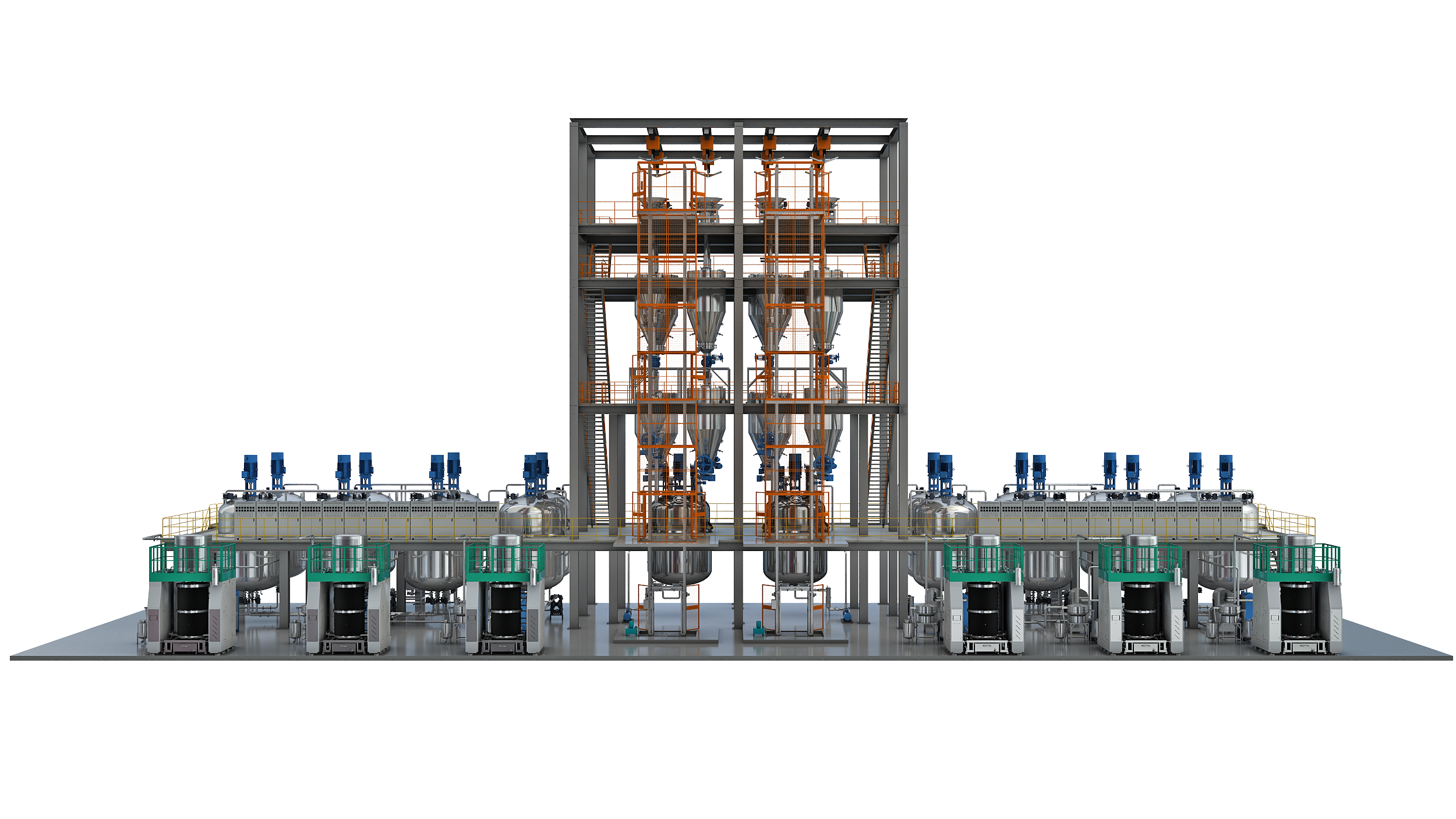
If you are planning the overseas route for energy storage, anode materials, powder grinding or battery recycling equipment in the Middle East, please send a private message or leave a message. We can talk about the project map, pitfalls to avoid, and how to turn the first order into long-term reputation.


 English
 亿富机械
 +86-0769-85626082
 541476175@qq.com
 东莞市大岭山镇颜屋村莲颜路88号
