Recently, forecast data in an in-depth industry report has triggered widespread discussion: by 2030, Chinese companies’ share of the global lithium iron phosphate (LFP) cathode material market will climb to 98%. This is by no means a sensational headline, but a rational deduction based on production capacity layout, technical barriers and cost curves. Today, we will break down where this “monopoly-level” confidence comes from.
Five years ago, ternary lithium batteries were still the "standard equipment" for high-end electric vehicles, and the prices of rare metals such as nickel and cobalt were soaring. However, as new energy vehicles shift from "policy-driven" to "market-driven", the underlying advantages of lithium iron phosphate are completely activated. It does not need to rely on imported nickel and cobalt resources. my country has abundant reserves of phosphorus and lithium and a mature mining and processing system. The independence of raw material supply brings controllable cost fluctuations - the current cost of LFP batteries is more than 20% lower than that of ternary batteries. More importantly, its olivine crystal structure does not easily release oxygen during thermal runaway, and it almost does not catch fire during acupuncture and overcharge tests; its cycle life of more than 2,000 times is more than twice that of ternary lithium. These characteristics make LFP not only the first choice for A-class passenger cars and commercial heavy trucks, but also accurately meet the core needs of energy storage power stations, Southeast Asian electric motorcycles and low-speed electric vehicles - safety, durability and cheapness. Today, the world's mainstream car companies have fully switched to LFP in entry-level to mid-range models, and the dominance of this technical route is unshakable.
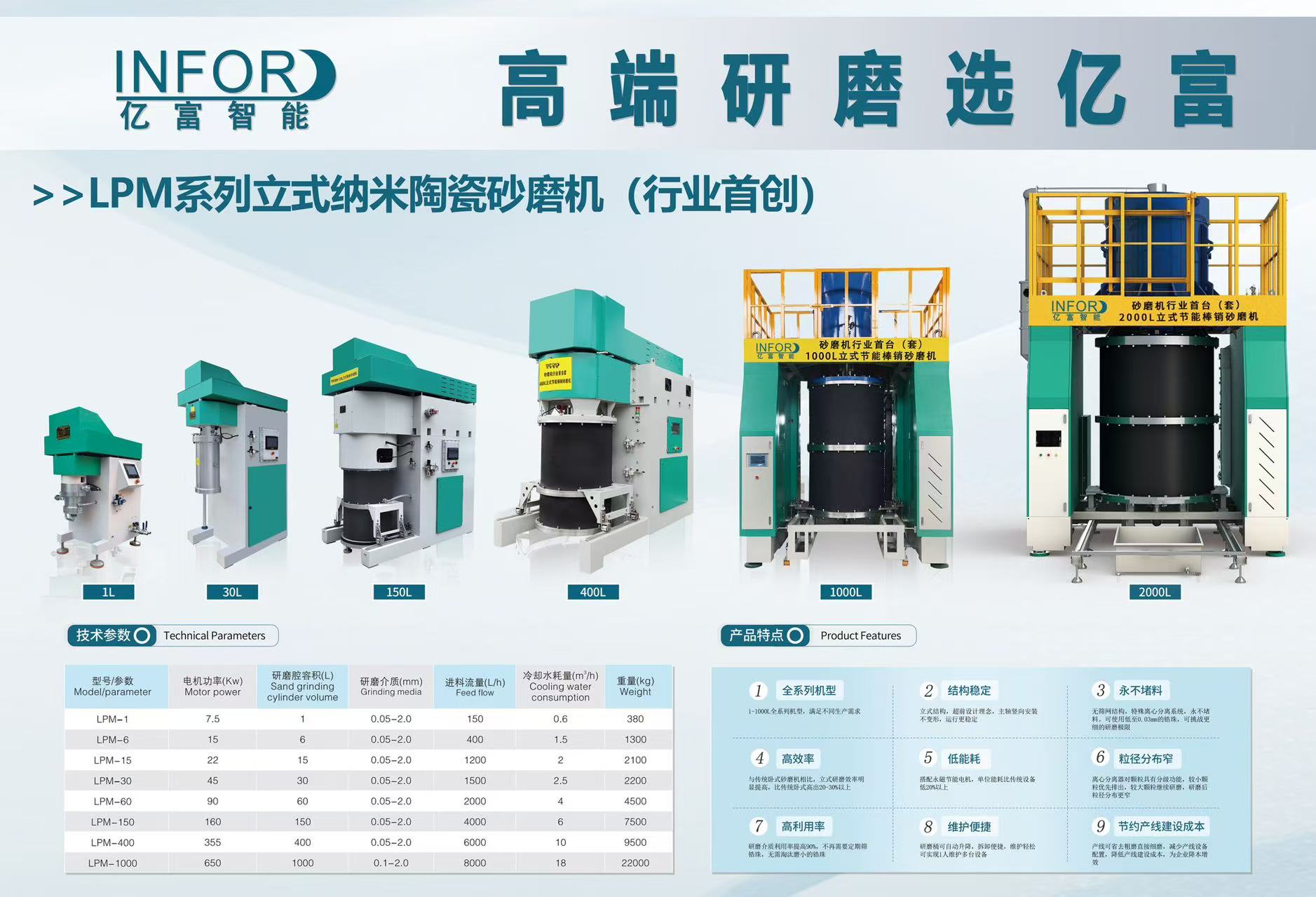
The leadership of Chinese capital in the LFP field is not just due to scale accumulation. From the ferrous oxalate method, carbothermal reduction method to the new liquid phase synthesis process, domestic leading companies have iterated to the fourth generation of high-pressure, dense, and high-rate products. The compacted powder density has exceeded 2.6g/cm³, and the low-temperature performance has improved by nearly 40% compared with the early stage. What truly eludes overseas rivals is the supporting equipment and engineering capabilities—nano-scale sand mills, large spray drying towers, and fully automatic roller kiln sintering lines. These core equipment, from design and manufacturing to intelligent control systems, are all domestically produced and controllable.
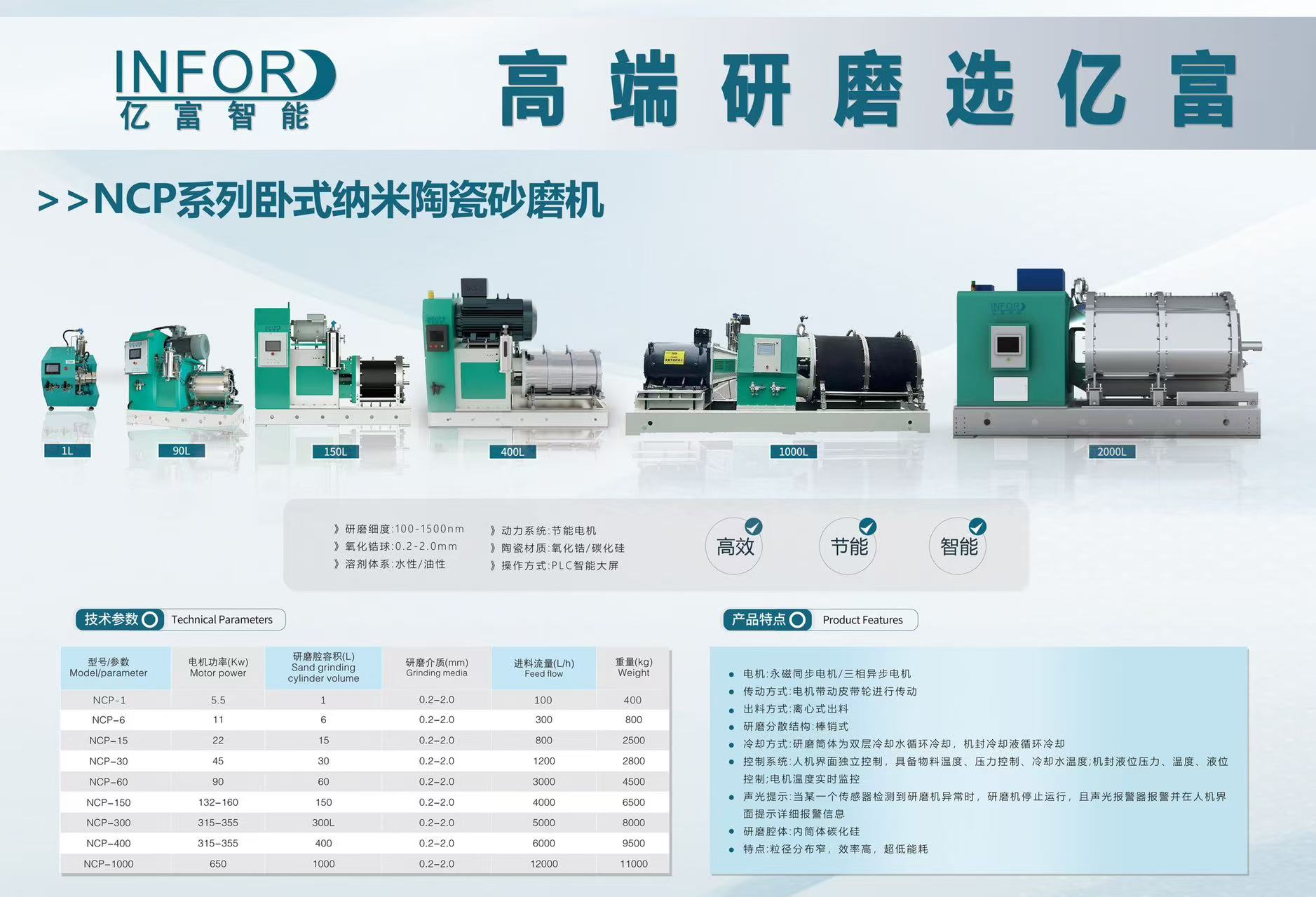
As of 2025, China has built a total lithium iron phosphate production capacity of more than 4 million tons per year, accounting for more than 90% of the global share. The domestic price war has forced leading companies to go to the extreme in terms of cost reduction and efficiency improvement, and it has also given rise to a strong will to expand overseas. Europe, North America, and Southeast Asia are becoming new territories for Chinese-funded LFP factories - the Michigan factory of CATL in cooperation with Ford, Guoxuan Hi-Tech's 200,000-ton base in Morocco, EV Lithium's European center in Hungary, Huayou Cobalt in the United Arab Emirates and other places, as well as equipment factories such as Yifu Intelligent that have successfully delivered multiple overseas LFP material production line projects in South Korea, Indonesia, the United States, Oman, the United Arab Emirates, and India, all adopt the entire line output model of "Chinese technology + Chinese equipment + Chinese management". According to estimates, by 2030, overseas self-built LFP production capacity will account for less than 5% of the global total, while Chinese-funded overseas subsidiaries and joint venture factories will contribute more than 93% of new supply. In other words, a considerable part of the 98% market share is "made overseas by Chinese capital" rather than simple export trade.
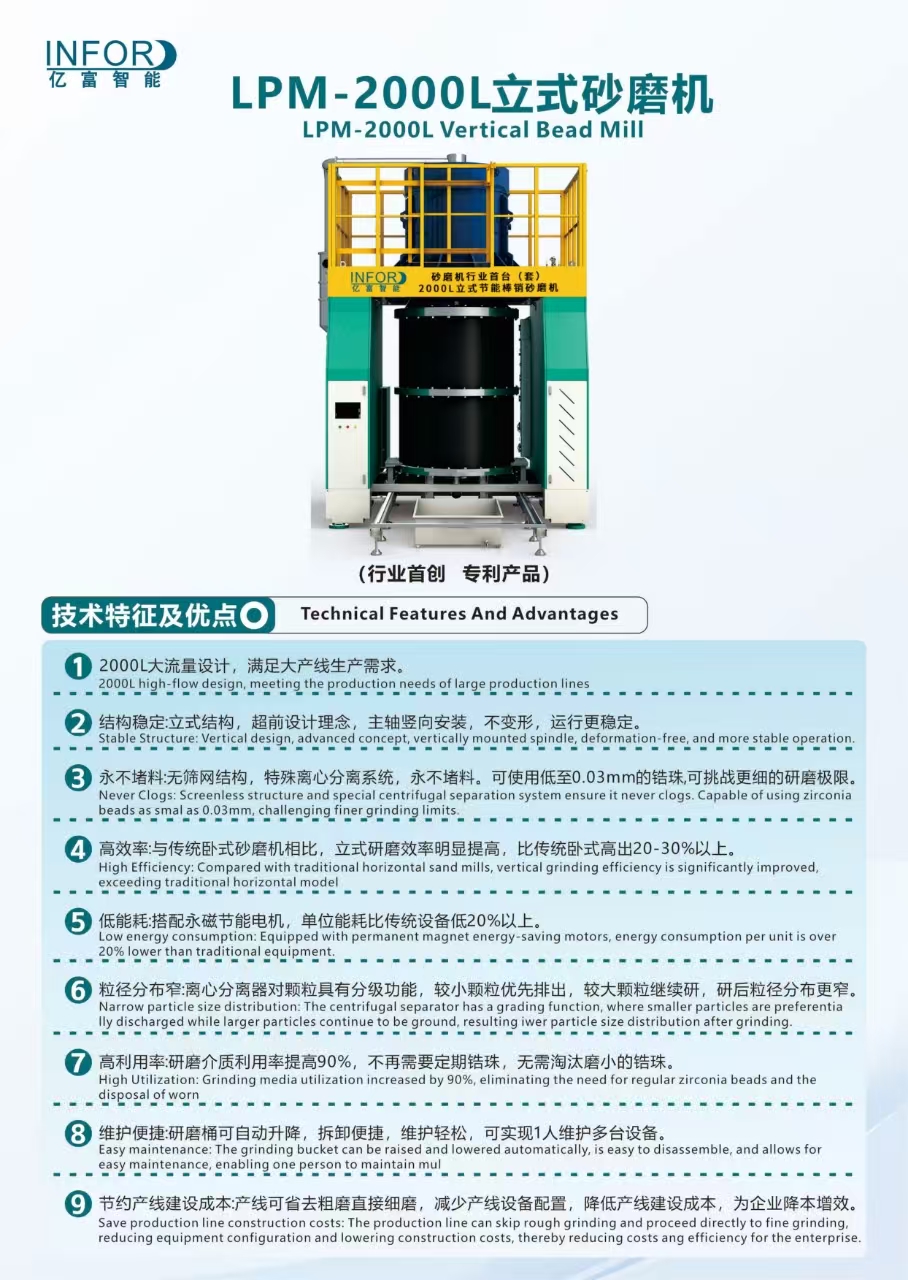
The core reason why institutions dare to give 98% firm predictions lies in three irreversible structural barriers. The first is resource-processing integration: phosphate mining, purification, iron phosphate synthesis, and lithium carbonate purification. This value chain has formed an industrial cluster in China, and any new overseas entrant will face more than three times the raw material procurement cost. The second level is process-equipment coupling: Domestic equipment manufacturers have accumulated debugging big data of dozens of 10,000-ton production lines, and can quickly process the needs of different mineral sources and different formulas. This kind of "integration of software and hardware" optimization capabilities cannot be copied by overseas integrators. The third factor is the scale-cost flywheel: China's comprehensive manufacturing cost of LFP materials is about 35% lower than that of Europe and the United States, and as the single-line production capacity jumps from 20,000 tons to 50,000 tons, the cost gap will widen. Although Europe and the United States have introduced subsidy bills to support local supply chains, they lack strong traction from the downstream vehicle and energy storage markets. Without enough orders, there will be no mass production verification, and without mass production verification, it will be impossible to cultivate mature technical workers and maintenance teams. This constitutes an endless loop that is difficult to untie.
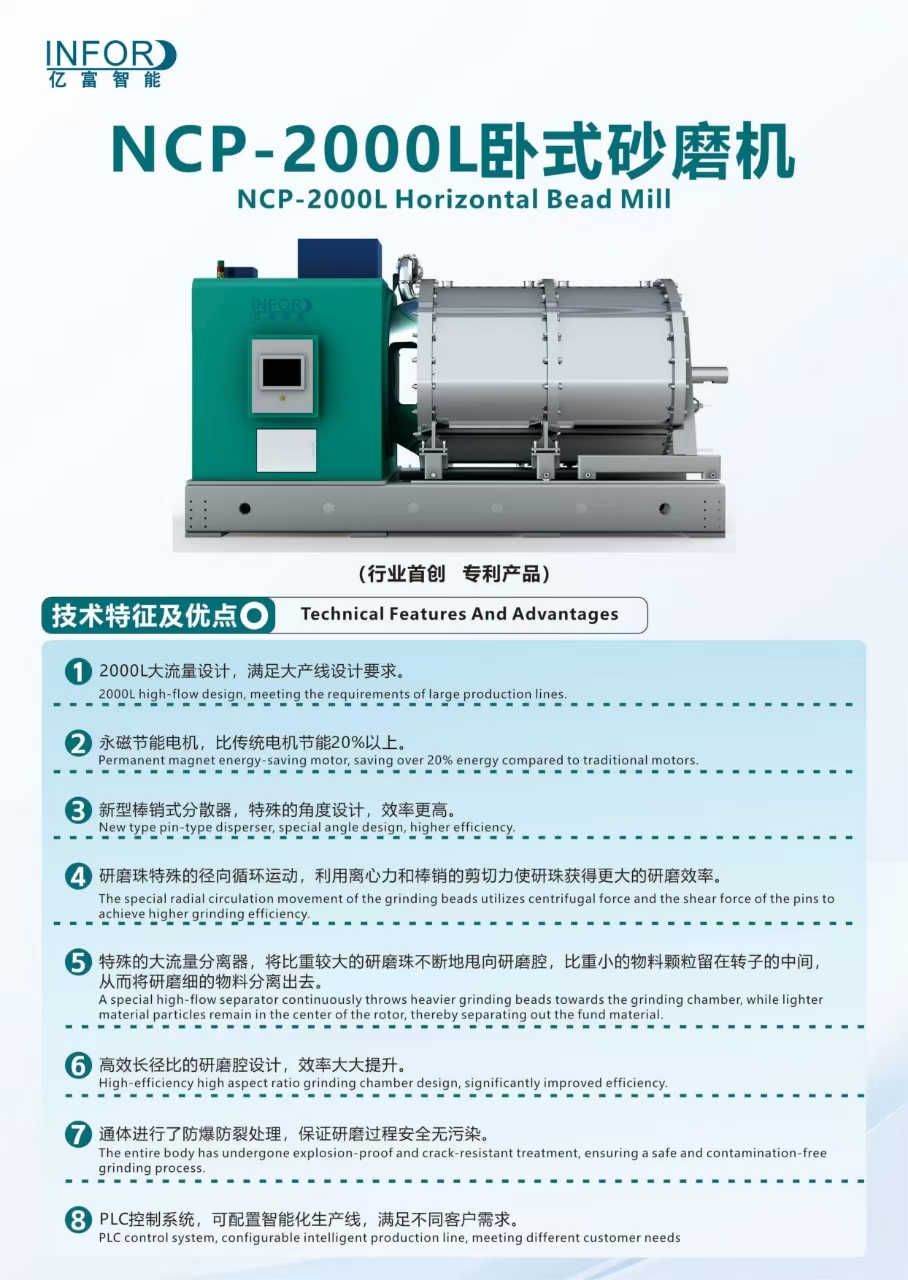
The right to speak is in hand, and orders are pouring in. For material companies, equipment manufacturers and production line service providers, the dividends from the global electrification and energy storage explosion are being transmitted upstream from "terminal brands". Yifu Intelligent has stood at the forefront of this round of production capacity output with its leading reputation accumulated over the years in the lithium iron phosphate sanding system production line - covering many domestic industry leaders and state-owned enterprise customers, and taking the lead in completing the delivery of overseas projects in many countries. We know very well that overseas customers not only need a single piece of equipment, but also need a stable guarantee for the entire process from feeding, grinding, dispersing to finished product output. Yifu's production line experience can quickly match the raw material characteristics and environmental protection requirements of different regions. Continuous R&D investment ensures that our sand grinding system is compatible with new process requirements such as next-generation lithium iron manganese phosphate and sodium cathode.
In the next ten years, the global lithium iron phosphate landscape will be defined by China. Yifu Intelligent will continue to pave the way to overseas markets for each partner with hard-core equipment and flexible services. The wave has arrived, but only those who bravely rise first - are you ready to set sail with us?

 English
 亿富机械
 +86-0769-85626082
 541476175@qq.com
 东莞市大岭山镇颜屋村莲颜路88号